Haunt ~ A Short Story

Haunt
Haunt
~ A Short Story by Allen Kopp ~

A spirit needs a house to haunt. I’ve haunted a church, a theatre, a department store and a graveyard, but there’s nothing like a house. A house is where people have lived. Where things have happened. Where tears have been shed. Where people have been born and people have died. A spirit can feel all of it and more.

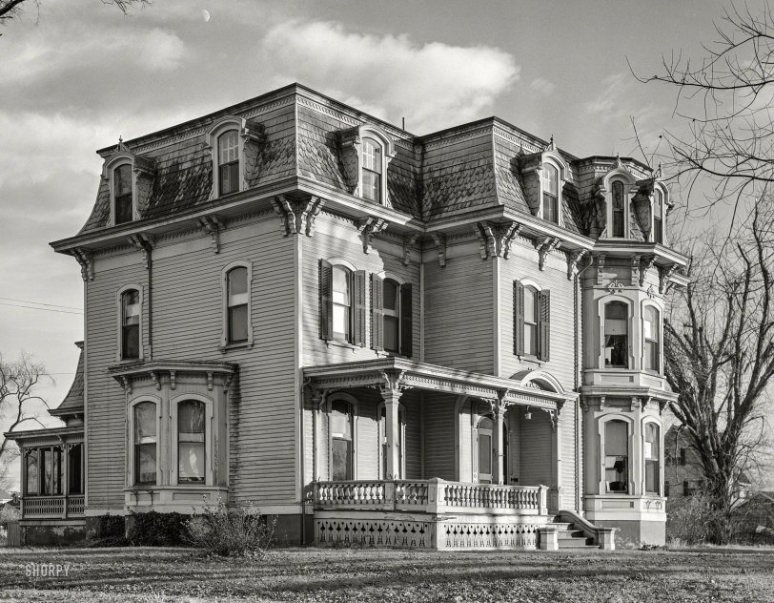
After looking at thirty or forty houses, I found one I liked. It was large, with many rooms, three floors, built in the old style. It was abandoned, in an advanced state of neglect, but still plenty sturdy. The cellar was like a dungeon with chains hanging from the beams. Behind the house was an old cemetery. All in all, the house had much to recommend it.

As a spirit, all I needed to do to claim a house as my own was to move in and take possession. If anybody else was haunting it, all I had to do was kick them out.

I soon discovered other spirits in residence. There was a woman who committed suicide every night at midnight, with piercing shrieks, by hanging herself from the upstairs banister. I don’t know why she did it every night since she was already dead, but I suppose she enjoyed the drama. One night, just before midnight, I grabbed her by the throat and threw her out of the house. She didn’t see me, not knowing of the existence of other spirits, and didn’t know what had happened to her. She wandered around on the outside of the house, not knowing how to get back in. Finally she flew up into the trees, and as far as I know she’s still there.

Then I found an eight-year-old female spirit haunting the attic. When she was alive, her cruel mother locked her in the attic with the mice and spiders to punish her. She was deathly afraid of the dark. While locked in the attic and unable to free herself, her mother was stabbed to death in a quarrel with her young lover. The girl never knew what happened to her mother. She starved to death, waiting for her dinner.

The girl in the attic wasn’t as annoying as the woman who hanged herself every night. I didn’t know what to do about her. I didn’t think it was right to just throw her out. I opened the attic door so she could come out if she wanted to, but she stayed where she was. She had been in the attic so long it was all she knew.

The spirit of a very old man haunted the cellar. He owned the house when he was alive. After he died, he didn’t want anybody else living in the house. He rattled chains and moaned at night to try to keep anybody away, living or dead. He didn’t scare anybody except maybe himself. He was the kind of spirit other spirits laughed at.

There were two boys, twins, who haunted the whole house but most especially the upstairs rooms. They had both died there of scarlet fever. They didn’t know yet that they were dead, even though it had been over a hundred years. They were constantly playing tricks, trying to scare each other. I heard them laughing all the time. Anytime they saw me, they ran as if we were playing a game. I wanted to grab one of them in each hand and throw them out of the house.

I was an old spirit; I had been in the spirit world for eighty years or more. I had seen everything and done everything a spirit could do. Now I longed for the quiet, pastoral life, and I didn’t want a lot of other spirits around me. I came to this house hoping to escape the clamor of the spirit world, hoping to be alone.

At night when I tried to rest instead of haunt, I could hear the old spirit in the cellar kicking up a fuss. He knew there were other spirits in the house besides himself and he wanted to scare them away. He thought the louder he became, the scarier he would be. He didn’t scare me, though. He did annoy me, however, and I wanted him gone.

Through most of the night, I could hear the twins laughing and running up and down the stairs. I wondered why they never slept. Then I realized they slept during the daylight hours. That would be the best time to catch them and run them out of the house, but first I’d have to find out where they slept. Even though they were children, they had been in the spirit world longer than I had and they knew all the ways to protect themselves.

Then I started finding dead, rotting bodies all over the house. Some were only skeletons and others still wore part of their human bodies. All were long dead. I knew right away they were from the graveyard behind the house. Many of them still wore remnants of the fine clothes they had been buried in: men in white-tie-and-tails and women in ball gowns or wedding dresses. Oh, what a world!

First there were one or two bodies and then eight or ten and then dozens and then hundreds. Finally they filled the downstairs parlor from floor to ceiling. I was past the point of pretending they weren’t there. Even though I was a spirit myself, I didn’t like dead bodies. They were part of the physical world that I left behind long ago. A rotting body was an affront to me. Hundreds of rotting bodies were an abomination!

After two or three days of observation, I discovered the twins sleeping during the daylight hours in a barely noticeable niche in the wall of their bedroom. I stormed in on them, waking them from a stupor, and was able to grab each of them by the neck. Before they knew what was happening, I clapped their heads together like cymbals. While they were stunned and nearly immobile, I threw them out of the house.

While I was brushing my hands off and congratulating myself on a job well done, I realized somebody was standing on the stairs looking at me. It was the little starveling girl from the attic. Her face was a glowing white and her eyes completely engulfed in black circles. She surprised me by speaking.

“It wasn’t them,” she said.

“What?” I asked.

“They weren’t the ones who brought the bodies from the graveyard into the house.”

“Who was it, then?”

She mimed hanging herself, and I knew right away what she meant.

Every night there were more bodies in the downstairs rooms. I could hardly go into any of these rooms without becoming ill. I had seen many vile things during my existence, but now I had seen the worst.

I waited until the middle of the night, three hours past midnight and three hours before sunup. I went quietly downstairs at this unholy hour and, standing on the stairs about halfway down, I saw her come in from outside, dragging her burden of dead bodies, as many as she could manage at one time. It was the hanging woman. I wanted to throttle her. I wanted to finish her off. I wanted to make sure she was gone for good and would never come back.

“Just what do you think you’re doing?” I said, although it was obvious.

“It’s you!” she said. “What do I have to do to get you to leave my house?”

“Leave it yourself! It’s my house now! And make sure you clean up this mess before you go!”

She came at me then, teeth bared, but I was able to sidestep her. She hit her head on the banister with a crack that split the wood, but, without missing a beat, she got up and came at me again. Again I sidestepped her.

“You’re wasting your time!” I said. “I’m younger than you, stronger and smarter. You’re just a worn-out old hag of a spook. I think you were in your prime about the time of the Revolutionary War!”

“I’ll show you!” she said.

She hurled an unexpected fireball at me. I hadn’t counted on her being a witch, in addition to everything else.

The fireball was directed at my face and chest, but I was able to get out of the way just in time. It hit the wall behind me and set fire to it.

“You’re going to have to do better than that!” I said.

Next came a barrage of fireballs, more fireballs than I could count. Soon the wall and stairway behind me were a wall of fire. With her out-of-control emotions, she had set fire to the entire house in just a few seconds. All I could do was get out.

“Now look what you’ve done, you horrible old witch!” I said as I ran past her for the front door. “Now it’s nobody’s house!”

I went out to the road and watched the house as it burned all the way down to the foundation. I figured the hanging woman burned up in the house because I didn’t see her come out. Nobody can blame that one on me.

I stayed and haunted the cemetery for a few days, not knowing what else to do. Then I went to the city again and took up residence in a waterfront hotel. I had some friends there that I had known before. It was a good time for me.

Copyright © 2022 by Allen Kopp
Men With Red Hair ~ A Short Story

Men With Red Hair image 1
Men With Red Hair
~ A Short Story by Allen Kopp ~

Gerta Fain awoke at nine o’clock with the sunlight streaming through the window and the birds singing their happy song. She rolled out of bed feeling good for a reason that for the moment escaped her and then it came to her: her mother was gone for the day and she had the house to herself. She had always liked being alone and it was going to be a good day. She would roll up her hair, paint her nails and bake an angel food cake. While she was doing these things she could listen to her music on the radio and watch soap operas on television and there would be no one to complain.

She went downstairs to the kitchen and was scouting around in the refrigerator for something to eat for breakfast when she saw a man in the back yard, painting the old garage. Her mother didn’t tell her she had engaged someone to paint the garage; it must have slipped her mind.

From the kitchen window she could see him quite well. He was about thirty-five, slender, dressed in white painter overalls. The best thing about him, though, was that he had red hair that glinted in the sun. She never knew a person with red hair that she didn’t like.

Wearing only her thin pajamas and no shoes, Gerta went out the back door and down the porch steps. “Hey, you!” she said as she approached him. “I saw you out the window of my kitchen! Here I was thinking I was all alone and then I look out the window and see you!”

“Yes, ma’am!” he said. “I’ll be finished up here before you know it!”

“This garage belongs to us. It’s an old rickety thing, isn’t it? There’s hornets’ nests inside there. I’d watch out if I was you.”

“Yes, ma’am.”

“It must have been my mother you talked to, but she didn’t tell me you were coming today. She’s gone today, though. All day. I have the house to myself and I can do whatever I want. I like it when she’s gone.”

“Uh-huh.”

“I sure do like your red hair! As soon as I saw you out the window, I noticed it. I bet you get a lot of compliments on your hair.”

“Not until now.”

“You don’t see that many men with red hair. I had a cousin with red hair, but he was shot and killed.”

“Oh?”

“You’ll be here today and tomorrow?”

“That’s right.”

“That’s only two days. Where will you be after that?”

“I don’t know. Another painting job somewhere else.”

“Do you like being a painter?”

“Better than some things.”

“I don’t think I’ve seen you around before,” Gerta said. “Are you new in town?”

“I’ve only been here seventeen years.”

“If you do a good job on the garage, maybe my mother will have you paint the whole house.”

He looked up the slope of the yard to the house. “It’s a big house,” he said.

“Yeah, we’ve got nine rooms. I’ve never lived anywhere else.”

“Just you and your mother?”

“That’s right. I don’t have a husband. I’ve never been married. I’ll probably get married someday, but for now I like being single. You wouldn’t happen to have a cigarette, would you?”

“Don’t smoke.”

“Well, I’m not supposed to smoke, either, but I do it anyway when my mother isn’t around. It’s not as if I’m a child or anything, but she doesn’t like smoking and gets awfully mad about it sometimes.”

“Well, I’d like to stand around and talk all day,” he said, “but I’ve got a lot of ground to cover in two days.”

“Oh, don’t mind me! I certainly don’t want to keep you from your work!”

“No, ma’am.”

“Would you like a drink of water? It must be awfully hot working out here in the sun.”

“I usually don’t take a drink until I’m finished working,” he said.

“Don’t you ever take a break?”

“No time to waste. Always in a hurry, I guess.”

“Oh, if it was me, I’d take a lot of breaks!”

“Yes, ma’am.”

“I don’t have a job,” Gerta said. “I had a job once but it was just temporary. I was a phantom shopper. Do you know what a phantom shopper is?”

“No, ma’am.”

“It’s sort of a department store spy. If they catch you spying, they’ll break both your legs. Another time I worked for a cleaning service, but I had to quit that job because the chemicals we used to clean with made me break out all over. The doctor said I had an allergic reaction. Have you been painting garages long?”

“About seven years. Seems like a lot longer.”

“Are you planning on doing that all the rest of your life?”

“No, when something better comes along, I’ll take it.”

“One of these days I’ll get me a job that lasts,” she said. “I wouldn’t mind doing what you do, but I guess there aren’t many women that do that, are there?”

“I haven’t known of any.”

“I think I’d like a job on TV,” she said. “I’d either like to be an actress on one of those soap operas or a news reporter. I could stand up in front of a map on the television screen and talk to people about what the weather is going to be like tomorrow. If they won’t let me do that, then I’d like to work behind a counter in a department store or as a supermarket checker. I’d be good at that.”

“Yes, ma’am.”

“I was going to go back inside the house, but it feels so good being out here in the sunlight and the air that I think I’ll just stay out here for a while.”

“Yes, ma’am.”

She sat down on the ground and put her knees up, forgetting for the moment that she was wearing only thin pajamas with nothing on underneath. She didn’t mind that the ground was a little bit soggy. She put her feet together and her hands on her ankles.

After a couple minutes of silence, she said, “Did I tell you that my mother is gone for the day? I like it when she’s gone. My father died a long time ago. He worked as a foreman in a factory and one day he just fell over dead. I think he was lucky in that respect. He had an easy death. I’d like to have an easy death, wouldn’t you?  Do you mind if I ask you whether or not you have a girlfriend?”

“No, I don’t have a girlfriend,” he said, “but since the two of us don’t know each other at all, don’t you think it’s better not to ask personal questions?”

“I’m sorry. I didn’t mean anything by it. I just like to know about people, is all. Some people call it friendly and others call it nosy.”

“It’s all right. It’s just that I don’t have any time for talking.”

“I understand and I apologize.”

“No need.”

“You make me tired just by watching you,” Gerta said. “I guess I’m not much for working. My mother says I’m lazy. Well, if I’m lazy, she’s lazy too. She doesn’t do any more work than I do. I do all the housework and most of the laundry and most of the cooking. I like to cook, though, when my mother isn’t standing over me. She calls me an idiot and a dumbbell when I don’t do things the way she likes them. Is your mother dead?”

“No, but she lives far away and I never see her.”

“Families are funny things.”

“Yes, they are.”

“I prefer friends over family, but I don’t have that many friends, either. Sad to say. When I was in high school I had friends but that’s been years ago. The friends I had then have all drifted away. Some of them got married and some moved away. One or two of them are even in jail.” She laughed. “I wouldn’t like to be in jail, would you?”

“No, ma’am.”

“If they were going to lock me up for thirty years for a crime I committed, I think I would just prefer the death penalty, wouldn’t you?”

“Yeah, I guess so.”

“They just do the lethal injection thing now. I hear about it all the time on television. It probably doesn’t even hurt. I’m pretty sure it’s a painless death. They used to hang people by the neck or put them in front of a firing squad, but they had to stop doing that. People were complaining.”

“Yes, ma’am.”

“Are you sure you wouldn’t like to take a little break for a while? Aren’t you tired.”

“No, I’m not tired.”

“You must be hungry. Would you like a sandwich or something? You can come into the kitchen and sit at the table and I’ll fix you a baloney and cheese sandwich.”

“No, thanks. I’m not hungry and I’m not tired.”

“Well, if you want to take a break, let me know.”

“I will.”

“I know I’ve just about talked you to death. I don’t know what’s gotten into me. I don’t usually talk so much. You just seem like a sympathetic person that I can talk to.”

“People don’t usually notice me when I’m working.” he said. “They don’t even see me. They’re only interested in the finished job. They never think about the person doing the work.”

“Well, isn’t that just typical? Tomorrow you can meet my mother. And I promise I won’t talk so much.”

“That’s all right, ma’am.”

“You’re a real gentleman. You don’t meet many of those, anymore. I’ll go back inside now and leave you to your work. Before I go, though, I wonder if I could ask you one tiny favor?”

“What is it?”

“I have this old trunk upstairs in my bedroom. The lock is busted; the key won’t turn. There are some important papers in it that I need to get out. I’ve had a feeling ever since I first saw you that you would know how to get it opened, but I hated to ask.”

“Can you bring the trunk out here?”

“No, it’s too heavy.”

“Well, all right. I guess I can take a couple of minutes and go upstairs and take a look.”

Gerta took him into the house, through the kitchen, into the dining room, and down the hallway to the stairs. She held onto the banister as she went up ahead of him, wondering what he must be thinking.

When she came to the door of her bedroom, she paused for a moment for him to catch up. Then she opened the door and took him inside.

She was aware of how messy the room was. She hadn’t even made the bed. He’d think she had the manners of a pig.

The trunk was on the other side of the bed, beneath the window. She had to move some clothes and old blankets out of the way for him to get to it.

He knelt down. After a thorough examination of the lock, he asked her for a hammer and a screwdriver and when she produced them, he inserted the screwdriver into the lock and tapped lightly with the hammer until the lock opened.

She squealed and clapped her hands together with genuine delight. “I knew you could do it!” she said.

“It’s an old lock,” he said. “Needs some oil.”

“I want to give you something,” she said.

“Oh, no! It’s not necessary!”

“I don’t have any money, but I want to give you something!”

She opened the dresser drawer and rummaged around inside until she found a Fourth of July lapel pin that she had since she was eleven. It showed an American flag on a background of exploding shells.

“This isn’t much,” she said, “but it will help you remember that you did a good deed for a stranger and asked nothing in return.”

He stood still while she came very close and attached the pin to the front of his shirt.

“This isn’t necessary,” he said.

After she pinned the lapel pin to his shirt, they continued to stand very close to each other for a few seconds too long. Then he stepped away from her and they both realized at that moment that they weren’t alone in the room.

Gerta’s mother had returned earlier than expected. She stood in the doorway, hand on knob, glaring at Gerta and the painter.

“What’s going on here?” her mother asked. “Who is this man?”

“He’s nobody,” Gerta said. “He’s the man painting the garage.”

“What’s he doing in your bedroom?”

“We were talking and I asked him if he would take a look at the lock on my trunk.”

“Since when was there anything wrong with the lock on your trunk? That was just an excuse to get him up here, wasn’t it?”

“No!”

“I’ll go,” he said.

“That’s right! You go! And if you ever come messing around my daughter again, I’ll have you arrested!”

She stood aside to let him pass. As he was going down the stairs, she called out after him, “And I’m going to have you fired for this! Don’t think I won’t!”

“You have to ruin everything, don’t you?” Gerta said.

“So I was right! You were about to take him to bed!”

“Of course not! I was going to give him something out of my dresser drawer.”

“Give him what?”

“None of your business!”

She tried to go out of the room but her mother grabbed her by the arm and pulled her back and started slapping her. When she put her arms up to fend off the blows, her mother stripped off her pajamas with a wrenching pull and knocked her to the floor.

“Just what I thought!” her mother screamed. “You’re a cheap whore! You’re trash through and through! I can’t leave you alone for just a few hours! You should be locked up!”

“I didn’t do anything!”

She tried to stand up, but her mother kept slapping and kicking her so that after a while she just lay still and didn’t offer any resistance.

When she awoke she was on the floor and it was after two in the morning. Her head hurt terribly and her wrist, she was sure, was broken. She felt too sick and demoralized to stand upright.

Then she thought of him and it all came back. He came to paint the garage. He had the prettiest red hair she ever saw. They started talking, except that she did most of the talking. He listened politely but she knew, deep down, that he wanted her to go away and stop bothering him. She persuaded him to go upstairs with her to take a look at a lock on her trunk. Her mother came back at that moment and found them alone together in the bedroom, but they weren’t doing anything. Nothing at all. It was all so innocent. Her mother, of course, would make it out to be infinitely worse than it was, like two pigs rutting in the mud.

They’d get somebody else to finish the garage. She’d never see him again. She hadn’t even thought to ask him his name. All she knew about him was that he painted garages and had red hair. It wasn’t much to go on.

Copyright © 2022 by Allen Kopp

I Laughed, I Cried

I Laughed, I Cried image 1

I Laughed, I Cried
~ A Short Story by Allen Kopp ~

(This short story is a repost. It was published in State of Imagination magazine.)

*****

The world is ending, maybe in as little as two days. I feel strangely at peace; there’s some comfort in knowing that I—along with everybody else left in the world—will go out at the same time and in the same way. There’ll be no more bills to pay, no more car insurance, traffic jams, head colds, television commercials, doctor visits, taxes, corrupt politicians, backaches, family arguments, mosquito bites, or tough chicken. The list could go on and on, but I digress.

I’m in a huge shopping mall. People are going crazy, stealing everything they can carry. It’s an end-of-the-world dream come true. All that beautiful merchandise sitting there, waiting to be taken by whoever wants to take it. And who’s going to keep them from taking it? A large woman nearly knocks me down with an armful of blankets—she’s going to be warm for the end of the world. A man rushes by me for the door with a table lamp in one hand and a telescope in the other. And if you have a sensitive nature, don’t even bother looking toward the jewelry counter. Women are fighting each other over diamond necklaces, earrings and watches. There’s blood all over the floor. I see an old woman stuffing engagement rings into her bag while a couple of young girls, no more than twelve years old, tug at the bag to try get it away from her. The end of the world, I can see, brings out the very worst in people.

I’m in the book department. I see a couple of paperback books I want, but I don’t feel right just taking them without paying, even with the chaos that’s going on around me. I decide not to take them, even though I know I can, because I know I won’t have a chance to read them. Books don’t mean much now; nothing does.

On the other side of the book rack I’m facing, I see Clifford Devore. I went all the way through school with him and haven’t seen him for many years. If I had a best friend during school, it was Clifford. He’s wearing a purple-and-white striped knit cap, fastened underneath his chin. It’s the same knit cap he wore in eighth grade, a gift he received at a union Christmas party. It makes him look like a baby and I have the urge to laugh but I don’t.

“Hello, Clifford,” I say. I have to look up because he was always a few inches taller than me.

“Oh, hello, there,” he says, not smiling.

He doesn’t seem very happy to see me, but I know that the end of the world makes people behave in strange ways.

“I have to admit I’m a little afraid,” I say. “Will you stay with me?”

He just looks at me and doesn’t answer. I’m not sure if he heard what I said. A woman screaming behind me startles me and I turn around and look over my left shoulder. When I turn back to face Clifford, he’s gone, as if he disappeared into the air. I look around for him for a minute or so and then I realize it’s no use.

I see Buckwheat standing nearby, looking at me with his enormous eyes as if he knows me. He’s the little black child from Our Gang that I used to see on TV all the time when I was growing up. He’s wearing the little print dress he always wore that made me sometimes wonder if he was a boy or a girl (which I realized after seeing many times was really a long sweater that went down to his ankles, and not a dress) and curl papers in his hair. He doesn’t appear to be afraid, even though he’s surrounded by frenzied people yelling and stealing things. He has a serenity about him that tells me he’s taking the end of the world very well.

I’m ready to leave the mall to go home, so Buckwheat and I are on a moving conveyance that at first seems like an escalator and then is more like a roller coaster. We’re sitting in a comfortable seat—Buckwheat to my left—and we go up very high into the air. We pass over water down below and trains moving backwards. Now the roller coaster is more like a train and we’re on flat, regular ground. Somebody is standing at the front of the train car talking to the passengers about how the end of the world is coming, but nobody is paying any attention to what he’s saying. We’re past the time of having to listen to somebody we don’t want to listen to—another good thing about the end of the world.

The train stops and I get off, but I’m the only one who does; everybody else stays where they are. When I get to the door of the train and start to step down, I pause and look back over my shoulder at Buckwheat. He’s smiling and he gives me the high sign, which is back of hand to chin and waggling of the fingers. I give him the high sign back and get off the train.

When I get home, it’s my grandmother’s house that she lived in when I was in grade school. She’s sitting in front of the television, smoking Old Gold cigarettes and watching Liberace. He’s playing a grand piano with candelabra. The camera moves slowly around the piano, loving every inch of Liberace. He looks up as if he doesn’t know the camera is there and when he sees it he winks. Grandma thinks the wink is especially for her.

“Isn’t he just the cutest thing you ever saw,” she says.

I hear a thumping sound against the wall. “What’s that noise?” I ask.

“It’s those people that live in the other part of the house,” Grandma says.

“I didn’t know people lived there,” I say.

I go and open a door I never noticed before and, sure enough, there’s an entire other house there, with a kitchen, furniture, a dog, and a family I never saw before. I don’t know how they could have been so close all this time; seems like I would have heard or seen them before now. They seem to be having dinner; they look at me with annoyance. I apologize for bothering them and close the door as quickly as I can.

“What did I tell you?” Grandma says, not taking her eyes off Liberace.

My mother and sister are fighting, as usual; this time about my nephew, who has somehow mutated into an egg about two feet high. The egg that is my nephew is sitting on the couch. I try not to look at him because when I do I want to cry. The top of the egg is transparent and if you look down into the egg you can see my nephew’s face. He’s moving his mouth as if he’s trying to say something but no words come out; his tongue is flicking at the inside of the egg.

“He seems to want out of the egg,” I say. “Shouldn’t we try to crack it or something?”

“No,” my mother says. “All we can do is make him comfortable.”

“How do you make an egg comfortable?” I ask.

My sister stands up and I know now why my mother is so mad at her. She’s very cold and doesn’t seem to mind that her son has turned into an egg. In fact, I would say she’s glad he’s an egg.

“I’m leaving now,” she says.

My mother doesn’t say anything to my sister and doesn’t look at her as she goes out the front door. I’m thinking that my sister should never have been a mother in the first place, but I don’t say so.

As soon as my sister exits the scene, my great-great aunt, Fritzie Williams, enters. Aunt Fritzie is considerably more than a hundred years old. She’s wearing a long yellow coat made of knobby material, buttoned up to her neck; her fluffy white hair is arranged in a triangle on her head. She has two spinster daughters well into their eighties who are my third cousins.

“How are Esther and Josephine?” I ask.

“They’re spooked,” she says.

She launches into a long explanation of why she can’t take me home with her for the end of the world. While she’s talking, I visualize her house with its French doors between the dining room and living room, her big screened-in front porch, and her thick carpeting that’s the color of a Siamese kitten. When she’s finished talking, I just smile and nod my head. She turns and disappears into the wall. I know I won’t see her again.

I sit down on the couch beside the egg. He’s not making the slurping sounds with his tongue anymore so I figure he’s sleeping inside the shell. My mother also seems to be asleep, her chin on her breastbone. Grandma is still absorbed in Liberace on TV; I hear the strains of Warsaw Concerto. I look at the big grandfather clock that has been in the same place in the corner my entire life and I see that it’s stopped. I know without proof that all clocks, everyplace, all over the world, have stopped at the same time. Time doesn’t matter anymore.

The end comes that night while we are all in our beds. There’s no fireball from the sky; no tearing of the earth; no explosions or screaming. I don’t even wake up. I just have the feeling, in my sleep, of slipping out of one place and into another. When a thing really happens, it turns out to be so much different from what you imagined it would be. That’s one of the little tricks life plays on us.

I’m now in a place that must be the afterlife. The only people I’ve seen here are far off, men in dark suits and bowler hats and ladies in long ruffled dresses with parasols. If I try to approach them, they seem to get farther away.

I don’t feel hunger or thirst or any sensation of weariness. An ache I’ve had in a joint of my right foot for ten years is gone. I can lie on the ground and sleep—and the ground is more comfortable than any bed I’ve ever known—but I don’t have to sleep if I don’t want to.

Food is all around me in abundance, for the taking without effort, but eating is only for pleasure and not for sustaining life. I catch glimpses of beautiful animals—lions, peacocks, bears, elephants, giraffes—but when I look directly at them they hide from me and I don’t see them anymore.

Off in the distance on a hill I see a beautiful structure like a castle. With the sunlight shining on it just so, it appears to be made of gold. If I can just make my way over there, I’m sure I can find somebody who can tell me where I am, what it all means, and why I have the sensation of something lost that I must find again.

Copyright © 2022 by Allen Kopp
Bereavement Leave ~ A Short Story

Bereavement Leave graphic 1
Bereavement Leave
~ A Short Story by Allen Kopp ~

(This short story is a repost. It has been published in The Dirty Pool literary magazine.)

*****

“I feel like firing somebody today,” Mr. P. said. “Who shall it be?”

“I don’t know,” Mr. C. said. “Go down the list and pick somebody.”

“Well, now, let me see,” Mr. P. said. “We have lots of suckers to choose from. Are there any standouts? Yes, there are many, many standouts. Anybody you’ve found especially offending lately?”

“Ed Boyce spends too much time in the men’s room,” Mr. C. said.

“He has a chronic bowel disorder,” Mr. P. said, “so I don’t think we could get him on that. He might counter with a lawsuit.”

“How about Frank Taplin? I’ve noticed him staring off into space a couple of times lately when he ought to be working.”

“He just lost his wife to an automobile accident. We gave him three days’ bereavement leave, but I think it takes longer than that to get over the accidental loss of a wife. Sometimes it’s a good idea to have a heart, or at least pretend we do.”

Haw-haw-haw!” Mr. C. laughed. “You’re right, of course, as you usually are.”

“Always being right is the thing that got me where I am today!”

“Well, now, let me see,” Mr. C. said. “Who to fire? Who to fire? Betty Ballantine comes to mind. I don’t like the way she lounges around in the break room, showing her legs like a whore in a waterfront saloon.”

“Can’t fire Betty,” Mr. P. said. “She makes the best coffee in the office and her father is on the board at the country club. We don’t want to make him mad.”

“All right, then. How about Florence Smalls? She’s put on a lot of weight lately. That means she’s moving slow and isn’t working as efficiently as she might.”

“Lot of weight is right!” Mr. P. said. “She’s going to have a baby.”

“You don’t say! I just thought she had been eating too many donuts.”

“You can’t fire an expectant mother, no matter how much you may want to. Pick somebody else.”

“I’m starting to get one of my headaches,” Mr. C. said. “Finding somebody to fire is just too taxing! You pick somebody from the list. I’m going to take a little snooze before lunch.”

Mr. P. and Mr. C. believed in their heart of hearts that that they managed the company, but the truth was they did nothing. When there was any real work to be done, they put it off on one of their minions and sat back and took the credit (and the profits), if any was to be taken.

Mr. C. went into his private office and closed the door. Mr. P. continued studying the list for somebody to fire. When he grew weary and decided it was time to take a little break, he called one of his current girlfriends, one Pansy Ruff, on the telephone. Pansy was a failed actress and had spent some time behind bars for cashing other people’s checks.

Mr. P. and Pansy spoke for over an hour about sundry personal matters, including her two pet poodles and the lousy manicure she had from a manicurist who was obviously high on drugs. Then she told him about how she had been taxing her intellect looking at travel brochures, trying to decide on a vacation destination (the French Riviera, Rome, or both?) and grew pouty when he told her he didn’t know when he would be able to get away to join her.

“You don’t know how difficult it is to run a large corporation with thousands of employees,” Mr. P. said.

“Have one of your perky little secretaries take care of things while you’re gone,” Pansy said. She was referring, of course, to the dozens of short-skirted, large-breasted female employees of Mr. P.’s of whom she was jealous.

By lunchtime Mr. C.’s headache was better and Mr. P. had had enough of the office for one morning, so the two of them left to have a steak-lobster-martini lunch at the fanciest restaurant in town.

They made it a rule never to discuss office matters while lunching, so Mr. C. didn’t ask Mr. P. who, if anyone, he had chosen to fire. Mr. C. trusted Mr. P.’s judgment and he knew that Mr. P. would pick somebody who would be crushed at losing his job and would probably cry and throw things, maybe turn over some chairs, and would have to be removed by the security staff. It would certainly spice up the afternoon.

While they were lunching, though, they talked of personal matters. While Mr. C. had a dull, dowdy wife and three dreadful children in the suburbs, he lived vicariously through Mr. P.’s exploits with the opposite sex.

Despite Mr. P.’s penchant for the ladies, he had never married, believing it would be unfair to the female population to confine himself to just one. Also, he was afraid of how expensive a divorce would be for someone of his stature. No, he would continue to make himself available to large numbers of women and keep everybody—but mostly himself—happy.

After two hours of excellent food and drink—and after Mr. P. had ogled all the women in the place under the age of seventy—Mr. C. paid their tab and left.

Once back at the office, Mr. C. retired for a little siesta, while Mr. P. again sat down at his desk with the list. Now that his mind was clear after a good lunch and a spate of martinis, he would find the perfect candidate for termination.

In no more than five minutes, he settled on the name Paul Schiller. Paul Schiller had a German-sounding name and he wore hideous ties with birds on them and the American flag. He kept to himself and didn’t seem to enjoy the three-hour meetings that everyone was required to attend.

Mr. P. couldn’t wait to share the news with Mr. C. He buzzed Mr. C. to come into the main office and, when Mr. C. appeared looking sleepy-eyed, Mr. P. burst out with the news.

“Paul Schiller!” he said. “He’s the one we’ll fire.”

“Oh? Which one is he?” Mr. C. asked.

“He’s an accountant or something. He’s a mousy sort of a short man with a mustache. He didn’t get drunk and act like a pig at the office Christmas party the way everybody else did. In fact, he wasn’t even there.”

“I still don’t know who he is,” Mr. C. said.

“He always keeps his head down and doesn’t try to flirt with any of the ladies.”

“You’ll have to give a reason to fire him,” Mr. C. said.

“Well, word is he uses a lot of soap and paper towels when he’s washing his hands in the men’s room.”

“He must be really clean.”

“And that he has arrived for work five minutes late two times in the last year,” Mr. P. said.

“Well, that was the commuter strike and the snowstorm, I’m sure,” Mr. C. said. “Everybody was late those days!”

“Somebody else told me they saw him put a packet of sugar in his shirt pocket, obviously to take home with him. Now, when employees begin stealing sugar from the company, you know it’s time to take some action!”

“That is so true!” Mr. C. said.

“And, if all that weren’t enough, there’s simply something about the fellow I don’t like,” Mr. P. said. “I think it’s the way he carries himself when he walks. He seems just a little too sure of himself.”

“He’s cocky.”

“Yes, that’s it exactly!”

“Have your secretary show the man in, then, and we’ll get right to it!” Mr. C. said, rubbing his hands together.

Mr. P. and Mr. C. both greeted Paul Schiller with enthusiastic smiles, shaking his hand and patting his shoulder.

“Take a chair, please, sir,” Mr. P. said.

Paul Schiller sat in the large leather chair in front of Mr. P.’s desk, crossed his legs and folded his hands in his lap. Even now, Mr. P. thought, when he’s called into the boss’s office, this Paul Schiller person is entirely too sure of himself.

“What can I do for you gentlemen today?” Paul Schiller asked.

“You’ve been with the company now for about—what?—sixteen months?” Mr. P. said.

“That’s right,” Paul Schiller said.

“And how do you like it here?” Mr. C. said.

“Well, I have to say I’ve found it very enlightening,” Paul Schiller said.

“In what way?” Mr. C. asked.

“I’ve accomplished everything I’ve wanted to accomplish and more,” Paul Schiller said, smiling in a way that Mr. C. found disconcerting.

“That’s fine!” Mr. P. said. “The reason we asked you to come in and chat with us today is…”

“Well, I’m afraid whatever it is, it won’t matter much now,” Paul Schiller said. “I was just typing my letter of resignation when the secretary came and said you wanted to see me.”

“Oh? You’re leaving us?” Mr. C. asked.

“Yes. I didn’t think it would be necessary to give you the usual two weeks’ notice since my work here is finished,” Paul Schiller said, taking a folded letter out of his pocket and placing it on the desk in front of Mr. P.

“No, of course not!” Mr. P. said, not wanting to admit that he didn’t know what work Paul Schiller was talking about because he didn’t know what Paul Schiller’s job was.

“I’ve already removed my personal effects from my desk and said goodbye to my co-workers,” Paul Schiller said, “so I guess there’s nothing more to be said.”

He stood up and shook Mr. P.’s hand briskly and then Mr. C.’s hand and went out the door, leaving Mr. P. and Mr. C. at a loss for words.

“Well, I never!” Mr. C. said.

“That’s very disappointing!” Mr. P. said. “I thought we would at least see a temper tantrum from the fellow and have to call security.”

“You just never know about people!” Mr. C. said, shaking his head.

“Did you ever see anybody with more gall?” Mr. P. said. “He wouldn’t even let me fire him!”

“It takes all kinds,” Mr. C. said.

“I wasn’t even able to make him feel humiliated,” Mr. P. said, “and I’ve always been so good at that!”

“Well, pick somebody else from the list.”

“I’m afraid it’s going to have to wait until Monday. That fellow gave me a headache.”

“I’m going to take a little lie-down in my office,” Mr. C. said.

At four o’clock, with one hour left to go before time to go home, Mr. P. was relaxing in his big chair in front of the window, thinking about where he was going to have dinner and with whom, when he heard a commotion in the outer office. Before he had a chance to go and see what it was, three men, with several others behind them, burst into his office.

“Mr. Cornelius P.?” the tall man in front asked.

“Yes?” Mr. P. said, blusteringly. “And just who the hell might you be?”

“We have a warrant for your arrest, sir.”

What?” Mr. P. said. “I believe there’s been some mistake!”

Mr. C., also hearing the commotion, emerged from his office.

“Are you Mr. Alonzo C.?” the tall man asked.

“Well, uh…” Mr. C. said, unable to go any farther.

“I’m afraid you’re both under arrest, sir!”

“What is this all about?” Mr. P. asked.

“You’ll have plenty of time to ask questions later,” the tall man said. “All we’re here to do is to take you in.”

“In where?” Mr. C. asked, his fingertips in his mouth.

Desperate for a stalling tactic, Mr. P. began grabbing articles and papers from his desk and throwing them in all directions. While the tall man and the others were trying to get out of the way of flying articles, Mr. P. grabbed Mr. C. by the arm and they ran out their private door into the hallway.

“What now?” Mr. C. said.

“I’m not going to jail!” Mr. P. said.

“Me, either!”

“To the roof, then!”

They ran up to the roof, both knowing in their hearts that it was all over for them; there was no way to get out of the trouble they were in. They had been embezzling money from the company for years and it had been so easy. They had no reason to believe they couldn’t go on in the same way forever.

Crying real tears, they joined hands, stepped to the edge, and leapt to their deaths, thirty-three stories to the street. They created an epic traffic jam in all directions and were the top story on the evening news.

While Mr. P. and Mr. C. were sitting in Satan’s outer office, waiting to be admitted to hell, Mr. P. said, “Maybe we shouldn’t have taken quite so much money. Maybe we could have treated people a little better. Showed some humility.”

“I think it’s too late for that now,” Mr. C. said.

“Maybe they’ll let us into heaven if we apologize and promise to do better,” Mr. P. said.

“I don’t think it’ll do any good. Once you’re in hell, I don’t think there’s any getting out.”

“Who would have ever guessed that Paul Schiller was a federal investigator?” Mr. P. said.

“There’s no way we could have known,” Mr. C. said.

“Who hired the fellow in the first place?”

“It was you!

“No, it wasn’t me! I remember now! It was you!

“What does it matter now?” Mr. C. said. “I do hope, though, that I get a well-appointed room with a private bath and a view.”

“As for me,” Mr. P. said, “I’m going to insist on a supervisory position.”

“Yes,” Mr. C. said. “We’ll let them know we’re not going to take this hell thing lying down. We can beat them at their own game.”

“Yes,” Mr. P. said. “We’re two very special and unique fellows. We’re not going to stand for any ill treatment here.”

Copyright © 2022 by Allen Kopp

Those Dancing Feet ~ A Short Story

Those Dancing Feet image 4 (2)
Those Dancing Feet
~ A Short Story by Allen Kopp ~

(This short story is a re-post. It has been published in The Literary Hatchet.)

Nine-year-old Edith Mullinex couldn’t keep her legs still and when her legs moved her arms moved and then her whole body moved. When this ceaseless movement turned to dancing, she believed herself to be one of the all-time great dancers of the world. She didn’t know anything about the all-time great dancers of the world but, whoever they were, she was sure she was better than any of them.

She danced her way to school in the morning and she danced her way home in the afternoon and she danced every chance she got between morning and afternoon. She danced her way to the bathroom and she danced her way to the lunchroom and after she had eaten her lump of meatloaf and her cold mashed potatoes and her two canned plums in a puddle of mauve-colored juice, she danced her way back to the fourth-grade classroom, where all of her classmates and her teacher, Miss Divine, watched in open-mouthed wonder as she danced her way to her desk at the back of the room. Stop dancing, people would say, but she just ignored them. She knew they would never be able to understand.

“We have a real dancing problem with little Edith,” Miss Divine told Edith’s mother.

“It’s a phase she’s going through,” Edith’s mother said. “She has somehow got it into her head that she’s one of the all-time great dancers of the world.”

“It’s not normal,” Miss Divine said. “I think it calls for psychiatric evaluation.”

Thirteen-year-old Fairfax taunted Edith mercilessly when she was dancing at home, but she ignored him, as she did all the naysayers. When he tripped her while she was dancing on her way to the kitchen to eat dinner, she made the fall part of her dance and in this way annoyed him even further. When friends of Fairfax’s visited to watch a football game with him on TV, she danced all around them and in front of them, obstructing their view, until suddenly they remembered they had leaves to rake or grass to cut and left to go home.

“Boy, Fairfax sure does have a screwy sister!” they said when they were out the door.

Edith was always improvising new dance steps. When the phone rang, she danced her way to answer it and when it was time to go to bed, she danced her way into her bedroom, making closing the door part of the dance. Her mother sent her to the store with a list of things to buy. She danced her way there and she danced her way up and down the aisles of the store until she had everything on the list. People looked at her curiously, sure she was either filming a television special or was an escapee from the mental hospital.

Edith had a cousin named Pansy Mullinex. Like Edith, Pansy was very thin with lank blond hair to her shoulders and stick-like arms and legs. Edith and Pansy were the exact same age, born five days apart, and could have passed for twins. Pansy should have been in the same fourth-grade class as Edith, but she still read at a first-grade level and was in special education.

On the playground at recess, Edith showed Pansy some of her latest dance steps and soon they were dancing together. They worked up a dance routine to the song “When the Saints Go Marching In.” Edith taught Pansy the words. They sang and danced every day at morning recess and, on a good day, attracted an appreciative crowd of forty of fifty. That’s when Edith knew she loved having an audience.

The school talent contest was coming up. The whole school would be watching. First prize was ten dollars. Edith proposed to Pansy that they enter, and, if they won, they could split the ten dollars. There wasn’t much you could do with half of ten dollars, but it was more money than they were used to having at one time.

Edith chose the songs they would dance to, a combination of classics and bouncy contemporary hits that anybody who listened to the radio would know. There was some Roy Orbison (“Oobie Doobie”), Elvis Presley (“Jailhouse Rock”), Connie Francis (“Lipstick on Your Collar”), Bobby Vee (“Rubber Ball”), Tommy Dorsey (“Sunny Side of the Street”), and even some Perez Prado (“Mambo No. 49”) to add a cute Latin flavor at the end. It was a range of music to show their range and versatility.

For what to wear they chose matching black poodle skirts with white trim; white, short-sleeved sweaters with pompom ties; red ribbons in their hair, saddle oxfords and bobby socks.  To add some pizzazz, Edith bought some taps and tiny nails from a shoe repair store on Main Street and turned both pairs of shoes into tap shoes.

They rehearsed every day for two weeks on a sheet of plywood in an old wasp-infested shed behind Pansy’s house and, when it was time for the talent contest, they were both ready. Neither of them had worn makeup before, but Edith confiscated from her mother’s dressing table some face powder, lipstick and rouge to slather on their faces to keep them from looking ghostly in the spotlights.

Edith knew about the other acts and she considered them stupid. There was a girl twirling two hula-hoops, a boy playing “Yankee Doodle Dandy” on his banjo, a boy acting like Curly from the Three Stooges, a girl moving her lips to the Connie Francis song “Who’s Sorry Now,” another boy playing spoons to the tune of “Swanee River” and other assorted acts. She knew that she and Pansy had more class and more pizzazz in their little fingers than all the others put together and were almost certain to win first prize, unless something bad happened, like freezing up in front of an audience of two hundred people and not being able to dance at all. She was sure nothing like that was going to happen.

They didn’t go on until about an hour into the show. While they waited, they stood just behind the curtain watching the contestants go on and come off. The audience applauded after each act—and there were always a few cheers—but Edith knew they were just being polite. People didn’t go to a show to just sit on their hands; they wanted to participate.

Finally, it was Edith and Pansy’s turn. They started out behind a screen with a big light shining on it from behind so that, to the audience, they were only silhouettes. They danced behind the screen and after a few seconds they came out, Edith on the left and Pansy on the right. After that they owned the talent contest. They tapped and jiggled and turned and swooped. They propelled each other into the air and did some ballet steps. Edith twirled Pansy and then Pansy twirled Edith. They joined hands and jitter-bugged, they waltzed and did some tango steps. They were a two-person conga line and then they drew some laughs when they acted like chickens pecking and scratching at the ground. They jumped, jittered and jived, drawing oohs from the audience when they both did the “splits” at the same time. Pansy remembered all the steps Edith taught her and even improvised some of her own.

When the music stopped and Edith and Pansy finished with a flourish in which they both went down on one knee with their arms extended, the crowd went wild. The clapping, cheering and whistling were deafening. They had to do several curtain calls before the show could go on.

There were more acts waiting to go on, but Edith knew it was all but over.

The show finally ended and then all that was left was for the judges to make their decision. The judges were all teachers and as Edith looked out at them from backstage, she saw they had their heads together to arrive at their decision.

The deliberations among the judges took about five minutes. When they were ready, Miss Mish, the music teacher who was also one of the judges, took to the stage to announce the winners.

Miss Mish wheezed into the microphone, “No matter who wins, there’s one thing on which we can all agree. Everybody on this stage tonight is a winner!”

The audience clapped and cheered and Miss Mish held up her hands to get them to shut up. “Our third-place winner,” she said, “is none other than Marvin Hittler and his banjo!”

Cheers and huzzahs for Marvin Hittler.

“Our second-place winner is Leeman LaFarge for his remarkable impression of Curly Howard of the Three Stooges. Come on out, Leeman, and take a bow.”

Leeman came out from backstage and, to anybody familiar with the Three Stooges, he was a perfect pint-sized version of Curly. He gave the audience a few Curley mannerisms and then he pretended to be shy and had to retreat behind the curtain.

Miss Mish clapped and wheezed into the microphone like a donkey. When the laughter and cheering died down, she brayed: “And now the moment for which we have all been waiting! The first-place winner of this year’s school talent contest is…may I have a drumroll, please!…Edith Mullinex and Pansy Mullinex! For their sparkling and innovative dance routine!”

Edith wasn’t surprised. She knew, unless the show was rigged, that she and Pansy would win first prize. She took Pansy’s hand and they both bowed graciously again and again before the audience. After they left the stage, the audience was still applauding, so they gave a curtain call and then another and another. After a few minutes, Miss Mish took to the microphone again and told everybody to shut up and go home. The show was over.

As the crowd dispersed, everybody wanted to congratulate Edith and Pansy, but especially Edith because the whole thing had been her idea. She was the star of the show.

Edith’s mother, who had been sitting in the audience, was going to give Edith and Pansy a ride home, but Edith wanted to walk home by herself. She was too excited to sit still and ride in the car, she said. She needed to dance her way home.

She said her goodbyes and danced her way down the street away from the school. It felt good to be away from the crowd and to breathe in the cool night air. Her head was still in the clouds. She still heard the music and the applause, the cheering, as her name was announced as the first-place winner and the crowd went wild! It was the happiest moment of her life!

As she danced off the sidewalk into an intersection, she wasn’t thinking about watching for oncoming cars, wasn’t thinking about anything other than how good she felt. She didn’t see the red sportscar speeding toward her.

There was a squeal of brakes, a skidding of tires and impact. A woman standing on the sidewalk screamed. Traffic came to a standstill. Somebody called an ambulance. Within minutes, they came and picked Edith up off the street and took her to the emergency room at the hospital. The hospital people were trying to call Edith’s mother, but she wasn’t home yet.

Edith died two hours later in the hospital. She never regained consciousness and never knew what happened. Everybody who knew Edith and who heard the story afterwards said the same thing: She died happy.

School closed at noon the day of the funeral so everybody could attend. Her entire fourth-grade class was there and all the teachers. She was buried in a white casket with a spray of red roses that her classmates had taken up a collection to buy for her. And, on her headstone, beneath her name, was etched one word: DANCER.

After Pansy got over the shock of Edith’s death, she assumed the dancing mantle for herself. She danced her way to school in the morning and she danced her way home in the afternoon. She danced before, during and after school. She danced her way to the bathroom and she danced her way to the lunchroom to eat lunch.

The special education teacher, Miss Cornapple, called Pansy’s mother and said, “I’m afraid we have a dancing problem with Pansy.”

“It’s a phase she’s going through,” Pansy’s mother said. “She has somehow got it into her head that she’s one of the all-time great dancers of the world.”

“It’s not normal,” Miss Cornapple said. “I think it calls for psychiatric evaluation.”

“Maybe you just can’t stand to see anybody happy,” Pansy’s mother said.

As Pansy’s dancing skills improved, so did her reading skills. Soon she was allowed to move out of special education and take her place in the fourth-grade class. She danced and danced and danced, and she looked so much like Edith, and acted so much like her, that soon people began calling her Edith instead of Pansy and whenever it happened she never bothered to correct them. Edith was back, or maybe she had never left at all.

Copyright © 2022 by Allen Kopp

The Ship Sailed On ~ A Short Story

The Ship Sailed On image 2

The Ship Sailed On
~ A Short Story by Allen Kopp ~ 

Wallace Weems didn’t like offices. They were places of confinement and discomfort. He squirmed in the chair, picked up a magazine and, finding it of no interest, threw it down again. He looked at his watch and then at the clock on the wall, confirming that it was fifteen minutes after the time of his appointment. He had arrived on time, and he wondered why they couldn’t extend the same courtesy to him.

He was thinking about getting up and going home, when, finally, the young secretary came out from behind a partition and told him Mr. Strang would see him now.

“How are you?” Mr. Strang asked, shaking his hand without smiling. “Have a seat. I’ll be with you in a minute.”

He sat in the leather chair in front of Mr. Strang’s desk and wondered if he was going to have to wait some more, while Mr. Strang fumbled through some papers on his desk. Finally he set the papers aside and sat down at his desk.

“I was sorry to hear of your mother’s passing,” Mr. Strang said.

“Thank you.”

“I represented her interests for more than twenty years.”

“Oh?”

“I wanted to come to her services, but I found myself unable to get away.”

“There weren’t any services to speak of. Just a simple cremation.”

“No family?”

“Only me.”

“Oh. That’s very sad.”

“Not so sad, really. Just a fact of life.”

“So, what are your plans now that she’s gone?”

“I don’t have any plans. I haven’t had time to think about it. She’s only been gone a few days. I still find myself in a state of shock.”

“That’s perfectly understandable.”

“Even though she was over ninety years old, I had convinced myself she would never die.”

Never die?”

“That’s not quite true. I mean, I knew she would die someday, but I wouldn’t allow myself to think about it. My own death seemed more real to me than her death.”

“It was your own way of coping, I suppose.”

“Yes.”

“It helped you get through the difficult years with her.”

“When I graduated from high school, she was almost fifty years old and in failing health. She had a bad heart and cirrhosis of the liver from heavy drinking. She had smoked two or three packs of cigarettes a day since the seventh grade. She believed she would live for only two or three more years.”

“Uh-huh.”

“I also believed it. I tried to get away from her, but when I saw she was probably going to die soon, I thought I could wait. Two or three years. That’s not so long. I could ease her dying and keep her from being all alone. No more than three years and I’d be free and clear. I’d sell the house and go someplace far away. I always wanted to travel. I thought about Europe or Australia. I had always been attracted to Australia, for some reason.”

“It didn’t quite work out that way, did it?”

“No, it did not! The two or three years turned out to be more than forty years! Forty years is a big chunk out of your life. While I waited for her to die, I missed all my chances.  The boat sailed without me. I missed the chance for a college education or a career or a happy marriage. I didn’t even have any friends. I gave everything up for her!”

“Do you think she appreciated your sacrifice?”

“Of course she didn’t! She was selfish that way. She didn’t see me as a real person.”

“Surely, that’s an exaggeration!”

“No, it isn’t. She only saw me as an extension of herself. She was a person without empathy. She was unable to see anything from my standpoint.”

“Yet you loved her.”

“I wanted to kill her! I used to fantasize about pushing her down the basement steps or putting rat poison in her soup. I wanted to drop her from the highway overpass into rush-hour traffic. I wanted to take her on an ocean cruise and push her overboard in shark-infested waters.”

“Yet you never acted on these impulses.”

“Of course not! What do you think I am?”

“Well, cheer up! You’re not quite sixty. That’s not so old. You have a lot of years remaining to you. The best part is your mother left you some money. You can travel or do whatever you want now, without accounting to anyone.”

“She left me money?”

“Yes, she did.”

“She never talked to me about money, except to complain about not having enough. She always wanted me to think we were one step away from starvation and bankruptcy. We ate plenty of baloney and Ramen noodles because they were cheap.”

“She had money.”

“She wanted me to think we were poor because if I had known there was money, I might have robbed her and gone far away where she’d never find me. It makes perfect sense.”

“Well, your troubles are over. She left you in excess of one million, two hundred thousand dollars.”

What?

“She left you a fortune of over a million dollars.”

“She left me what?”

“One million, two hundred thousand dollars.”

“Are you sure there’s not some mistake?”

A few weeks later, he was on an ocean liner to the European continent. He wanted to see Paris, Rome and London. He might have flown on a plane and been there in a dozen hours, but he had always imagined himself on a mighty, ocean-going ship, and he couldn’t see it any other way.

He loved being at sea. It was everything he ever dreamed of. He was seasick on the first night out, but he refrained from eating dinner and the next morning he felt better than he had ever felt before. It was the beginning of a new life for him. He was casting off the old life like a snake shedding its skin.

He hadn’t spoken yet to any of the other passengers, but he studied them furtively and wondered what they were thinking. Some of them looked at him appreciatively and smiled knowingly. Surely they found him of some interest, or they wouldn’t bother looking at him at all.

The third night out he enjoyed a lavish dinner in the dining salon. When he was finished with his dinner, he didn’t feel like returning to his cabin alone, so he went into the bar and ordered a champagne cocktail. He found he was enjoying the music and the atmosphere, so he stayed for over an hour and had several drinks.

He returned to his cabin, more drunk than he had ever been in his life. As he switched on the lights and locked himself in, he wasn’t surprised to see his mother sitting in the chair beside the bed.

“Well, well, well!” she said in her raspy smoker’s voice. “What have we here?”

“Leave me alone, mother,” he said. “I’m enjoying myself and I’m just getting started”

“On my money!”

“It’s not your money anymore, mother. It’s my money now.”

“You’ve got a lot of nerve! Squandering my money! How much did this little trip of yours cost?”

“None of your business, mother. It doesn’t in any way concern you. You’re dead.”

“You’ll never be rid of me!”

“It’ll be easier than you think.”

“Why did you have me cremated? You know how I hate cremation!”

“I wanted to make sure you were really and truly gone.”

“I’m not gone! I’m right here beside you!”

“I want to show you something, mother.”

He opened his suitcase out on the bed and pulled out a modest-looking oblong box from underneath the pants and shirts.

“Do you know what this is, mother?”

She watched, fascinated, as he set the box on the bed and took off the lid, revealing a quantity of gray ash nestled in a plastic bag.

“This is you, mother! It’s you!”

“I think you’ve taken leave of your senses!”

“Not at all, mother. And do you know what I’m going to do with you? Come along with me and I’ll show you.”

Carrying the box of ashes, reeling from the liquor he had consumed, he left his cabin like a mad man and went out onto the deck. The wind was blowing and the sea was rough, but he was not to be deterred.

“Watch me now, mother!” he said. “This is where you and I part company!”

He lifted the plastic bag out of the box and began emptying his mother’s ashes over the railing. He leaned out a little too far and when the boat gave a little lurch he lost his balance and fell headlong into the sea.

He struggled to right himself in the frigid water. He emitted one pitiful little scream, but it was already too late. No one had seen him fall. No one heard him scream. The ship sailed on. The waves closed over his head. His absence was not noted for two carefree days.

Copyright © 2022 by Allen Kopp

Swimsuit Optional ~ A Short Story

From the Shallow to the Deep image x
Swimsuit Optional
~ A Short Story by Allen Kopp ~

Gideon Sayers had just finished tenth grade and would move on to the eleventh when school took up again. He didn’t have any specific plans for summer, but he was looking forward to having plenty of time to himself and doing exactly as he pleased. His father would be at work all day.

On the very first day of summer vacation a girl from his class named Joyce Mahoney called him on the phone.

“I don’t think I remember you,” he said. “I can’t place the name.”

“What do you mean you don’t remember me?” she said. “You see me every day at school!”

“I’m not good with names,” he said. “Describe yourself.”

“Well, let’s see. I’m taller than most of the other girls. I have short brown hair. I’m not fat like a lot of the girls.”

“A lot of people fit that description.”

“I failed the Constitution test two times. I passed it on the third try.”

“Oh, yeah! You had a crying fit in American history class and you called the teacher an effing bastard.”

“That’s me!” she said. “If I had known I was going to have to describe myself, I wouldn’t have bothered calling.”

“Oh, that’s all right,” he laughed. “The thing with girls is that they all kind of blend together for me.”

“I can see this wasn’t a good idea,” she said.

“No, no, that’s all right! What was it you wanted to talk to me about?”

“Next week is Christine Swanson’s seventeenth birthday and we’re having a pool party at my house to surprise her.”

“I didn’t know you had a pool.”

“There isn’t any reason why you should.”

“Who did you say the party is for?”

“Christine Swanson.”

“I don’t think I know her.”

“Gideon, you are impossible!”

“Can you describe her for me?”

“She’s only the most popular girl in school! She’s a cheerleader. She was yearbook queen. Her picture is absolutely everywhere.”

“Oh, yeah, I think I’ve heard or her. What about her?”

“We’re having a pool party for her at my house.”

“I didn’t know you had a pool.”

“We’re calling everybody in drama club. We didn’t want to leave anybody out.”

“I’m not in drama club.”

“That’s funny. Your name is on the list.”

“I’m not in drama club.”

“Well, somebody made a mistake, I guess.”

“Now that you’ve invited me, do you want to uninvite me?”

“No, I made the mistake of inviting you, so the invitation still stands, I suppose.”

“That’s awfully sweet of you, Janet, but I don’t really know how to swim.”

“It’s Joyce. My name is Joyce.”

“Oh. Right. I forgot for a moment to whom I was speaking. As I was saying, I’m not a swimmer. I don’t know how to swim.”

“That’s all right. Nobody knows how to swim. We just splash around in the water. The boys try to drown each other. There’s a diving board but nobody knows how to dive—they just jump off into the water. There’ll be water volleyball, music and lots of food.”

“I don’t know how to play water volleyball.”

“It doesn’t matter. Anybody can play.”

“Would I need to wear a swimsuit?”

“We have a swimsuits-optional policy.”

“What does that mean?”

“It means you can swim naked if you have the nerve.”

“And what day is that?”

“Thursday next week.”

“What time?”

“Three o’clock.”

“Um, hold on a minute! I have to check my social calendar.”

He kept her hanging on for five minutes or more and when he went back to the phone, he said, “Janet, are you still there?”

“It’s Joyce.”

“Oh, yeah. Sorry. Joyce. Well, I’m sorry, Joyce, but I won’t be able to come that day. I’m having abdominal surgery.”

“Oh. I see. I didn’t think you’d come, but I thought I’d try anyway since your name is on the list.”

“Well, thank you so much for the call. It was lovely speaking with you.”

“Yeah, you too. Good luck with your surgery.”

As he was hanging up the phone, his father came into the room, reeking of aftershave.

“Who was that on the phone?” his father asked.

“A girl from school. Joyce somebody-or-other. She invited me to a pool party at her house.”

“Are you going?”

“I haven’t decided yet.”

“I think you should go. You’ll have fun. You shouldn’t stay at home all the time by yourself.”

“I like being by myself.”

“I’m going away on business for a few days, until at least Monday or Tuesday. I want you to go stay with Aunt Vivian.”

“I hate staying with Aunt Vivian. I want to stay here.”

“I don’t feel right about leaving a child alone in the house that long.”

“I’m not a child. I’m almost seventeen. I’ll be in eleventh grade.”

“You’re not afraid here by yourself?”

“Of course not!”

“I can trust you to behave responsibly?”

“Of course you can!”

“And if there’s an emergency involving fire?”

“I’ll call the fire department. And if there’s an emergency involving crime, I’ll call the police department.”

“Good. I think we understand each other.”

“I’m going to need some money.”

“What for?”

“A swimsuit.”

“Of course. For the swimming party. How much do you need?”

“I don’t know. I never bought a swimsuit before. I guess about fifty dollars should cover it.”

His father took two fifty-dollar-bills out of his wallet and placed them carefully on the coffee table.

“I don’t want you drinking beer. High school boys seem to think it’s grown-up to drink beer.”

“You don’t have to worry about me. Drinking beer doesn’t interest me.”

His father jangled his keys, picked up his suitcase by the front door, waved goodbye, and then he was gone.

Before his father’s car was all the way out of the driveway, Gideon went to the phone and called his friend David Deluca. David was one of the few people in school with whom he had anything in common. Their hatred for algebra was only exceeded by their hatred for gym class.

“How are you, old friend?” Gideon said cheerily into the phone.

“Fine,” David said. “Who is this?”

“It’s your best friend Gideon Sayers.”

“Oh, yeah. Hi.”

“What’s new and different with you today?”

“My mother is finding jobs for me to do around the house.”

“Why don’t you sneak out and come over?”

“Why would I do that?”

“My father is gone and I have the whole house to myself.”

“I don’t think so, Gideon. If I left now, it would only get her started. Once she gets started, she doesn’t stop.”

“I don’t have a mother.”

“I know. She killed herself.”

“Well, you don’t have to sound so happy about it!”

“I’m not. It’s very sad.”

“Well, I’ve invited you. Are you going to accept the invitation or not?”

“I don’t think so, Gideon. I’m kind of tired.”

“You’re sixteen years old! How can you be tired?”

“My blood sugar is low.”

“Well, eat a Snickers bar and come on over.”

“I don’t think so, Gideon. I have eczema on my feet. It makes walking painful. We’ll make it another day.”

“Well, suit yourself. I had something I wanted to tell you, but now I’ll just keep it to myself.”

“What is it?”

“Joyce Mahoney called me this morning.”

“She called me, too. She’s calling everybody. She’s trying to get a big crowd at her swimming party next week.”

“Oh. She called you too?”

“Yeah, she called me too.”

“Well, are you going?”

“Sure. Why not? I think it’ll be fun. If I’m not having a good time, I can always say I have a funeral to go to and leave.”

“Are you going to swim naked?”

“I don’t think so. I have some new swimming trunks from Brazil. They’re yellow with a red stripe up the side. I want everybody to see me in them.”

“You’ll drive the girls wild, especially the fat ones.”

“How about you? Are you going to swim naked?”

“I’m not going. I told Joyce I’m having abdominal surgery that day.”

“You are such a liar!”

“Well, I had to think of something quick. That was the only thing that came to mind.”

“You should go, you know, and stop being such an old nelly. I think it’ll be fun. I’m going to borrow my brother’s car. If you want, I can stop by and pick you up and we can arrive at the party like a couple of big men on campus.”

“I don’t think so. I already told Joyce I’m not coming.”

“Call her back and tell her you are coming. Tell her your surgery has been postponed until an appropriate donor can be found and you’d be thrilled to come!”

“I don’t know, David. I feel kind of funny doing that.”

“Do you want me to call her for you?”

“No, I’ll do it. I need to think about it first, though.”

“What’s there to think about?”

“I don’t know. It’s just the way I am.”

The next day he walked downtown with his father’s two fifty-dollar bills in his shirt pocket. He went to the clothing store where his mother always bought his school clothes and found the men’s swimwear department. He selected several swim suits, size small, that he wouldn’t be too embarrassed to wear in public. He took the swimsuits into the changing room, quickly, before he met somebody he knew.

After checking the door of the changing room three times to make sure nobody could get in, he took everything off except his underpants and, standing before the mirror, began trying the swimsuits on. A yellow plaid was pleasing to the eye, but it made him look like a clown. A light-blue would have been acceptable but, when he saw it was slightly transparent, he ripped it off. A white one that hung down almost to his knees made him look like an old man and, anyway, white would show stains. He finally settled on a red one, not too tight and not too baggy, that he could see himself wearing in front of his whole class. It only made him look slightly ridiculous, instead of completely ridiculous. Well, he reasoned, he wouldn’t look any worse than a lot of other people.

When he got back home from his successful shopping trip, he felt emboldened to call Joyce Mahoney and tell her he was wrong about the day of his abdominal surgery and would be happy after all to attend the pool party.

Joyce answered on the first ring.

“Hello?” Gideon said. “Is that you, Joyce?”

“Yes, it is. Who is this?”

“This is Gideon.”

“Gideon who?”

“Sayers.”

“Do I know you?”

“From school?”

“Um, I don’t seem to remember you. Can you describe yourself?”

“Look, Joyce, I know why you’re doing this.”

“Doing what?”

”Pretending not to know me.”

“I’m terribly busy,” she said. “I’m going to have to hang up now.”

“I just wanted to ask you a question.”

“What is it?”

“It’s about your pool party.”

“What about it?”

“I was wondering if it would be all right if I change my mind and accept your invitation after all.”

There was a silence on the line, making Gideon wonder if she had hung up.

“What did you say your name is?” Joyce asked.

“Gideon Sayers.”

“Do I know you?”

“I’m in your class at school.”

“I don’t want to be mean, Glenn, but your name wasn’t on the invitation list.”

“It’s Gideon. Not Glenn.”

“Oh, yeah. Sorry. I don’t mean to hurt your feelings, but I don’t know who you are.”

“You just called me yesterday and invited me to your party!”

“Are you sure it was me?”

“Of course it was you! Don’t you remember talking to me?”

“No, I don’t! It must have been somebody playing a trick on you.”

“It’s all right, Joyce. I know what you’re doing. Just forget I called.”

“I have to go now,” Joyce said. “It was lovely speaking with you.”

After his phone conversation with Joyce had ended, he went upstairs to his room and closed the door and locked it, even though he was alone in the house. He took off all his clothes and took the red swimsuit out of the bag and pulled it on, up his legs and over his thin thighs. After tugging the swimsuit into place, he turned and looked at himself in the full-length mirror.

It was worse even than he thought. He looked like a hairless monkey, all joints and angles, his skin as white as paste. He was meant to always be clothed. He looked so ridiculous that he couldn’t keep from cringing.

“I can’t let anybody see me like this!” he said.

He took the scissors and cut the red swimsuit into strips, relieved he would never have to wear it where anybody could see him. And after he was finished, he left the strips of red material on the floor around his bed to remind himself just how close he had come to making a complete fool of himself.

Copyright © 2022 by Allen Kopp

A Short Life and a Merry One ~ A Short Story

A Short Life and a Merry One
~ A Short Story by Allen Kopp ~

I had my friend Calvin Pears. He was in my class at school. We were both twelve years old and had known each other since we were five. We spent a lot of time together. We were good friends because we were both shy and not popular in school.

Calvin and I always had a lot of things to talk about. We laughed a lot. We laughed about things that nobody else would have thought funny. We made fun of people behind their backs. Calvin was a good imitator. He imitated our teachers, whether they were male or female. He imitated the way they walked or talked or smoked. He wanted to have a show business career after he finished school.

It was a Friday evening in October. After being in school all week, it was time to get out of the house and have some fun. Calvin and I decided we’d rather go roller skating than see the western movie at the Bijou. I liked roller skating and could skate circles around Calvin. He usually said he was tired or his legs hurt and he wanted to call it a night.

We were a couple blocks from the roller rink when we saw two boys from high school standing on the street corner. I had seen them but didn’t know their names.

“Well, here’s a couple of little kids!” the taller of the two boys said when he saw us. “Does your mommy let you out after dark?”

“Hi, Lonnie!” Calvin said enthusiastically.

“How’s it going, little man?”

“I’m doing spectacularly well!” Calvin said.

“Well, glad to hear it! What’s your sister, Bimbo, up to these days?”

“Bimbo’s fine. She was rolling her hair up at the kitchen table when I left home.”

“She wasn’t going out on a date, was she?”

“No, I think she was just going to pop some popcorn and watch TV.”

“Well, you be sure and tell her old Lonnie said ‘hi’!”

“I will.”

Lonnie’s friend’s name was Brent. He had red hair and a sly look about him like a fox. When Calvin introduced me to Lonnie and Brent, they both shook my hand without irony. I was used to high school boys calling me names or making fun of me.

“Where you little hoodlums headed?” Lonnie asked.

“We’re going roller skating,” Calvin said.

“Well, that’s a kids’ thing, isn’t it?”

“I guess it is,” Calvin said. “It’s fun, though.”

“Yeah, I guess you would think it’s fun!”

“They are kids,” Brent said.

“Yeah, and we’re grown men, ain’t we?” Lonnie said. “Hah-hah-hah!”

“Let’s go!” Brent said. “I’m tired of just standin’ here!”

“Now, look here, you two little kids!” Lonnie said. “I’ve got my brother’s car parked over there. I don’t have my own car yet, but I will soon. We were just about to go for a little hell-raising adventure, if you two would care to join us.”

“What do we need them for?” Brent said.

“It’s just for a little while,” Lonnie said. “I need to find out some stuff about Bimbo.”

“Oh, you and your girls! You make me sick!”

“So, how about it?” Lonnie said. “Do you two little sixth graders want to go with us for a little ride?”

“Sure!” Calvin said.

“We’re not sixth graders,” I said. “We’re in the seventh.”

“Do you want to go?” Calvin asked me.

“I guess so. If you do.”

“Well, let’s get crackin’, then!” Lonnie said.

On the way to the car, Lonnie put his hand on Calvin’s shoulder and leaned down and talked in his ear. So, that’s what this is all about, I thought. Lonnie only pays any attention to Calvin and me at all because he’s interested in Calvin’s sister, Bimbo. I’d rather go roller skating.

Lonnie opened the door for Calvin and me to climb into the back seat. He and Brent got into the front seat and Lonnie started the engine and pulled away from the curb with a jerk.

“Where do you kids want to go?” Lonnie asked over his shoulder.

“Any place is fine with us,” Calvin said.

“Isn’t this fun?”

“I’ve never had so much fun in all my life!”

“Does Bimbo ever talk about me?” Lonnie asked. “I mean, like at the dinner table or anything?”

“I never pay any attention to anything Bimbo says,” Calvin said.

“Do you know if she’s seeing anybody right now?”

“Seeing anybody? I don’t know what that means.”

“Is she dating anybody regularly?”

“I don’t know. I don’t pay any attention.”

“Well, are there any guys that hang around?”

“I haven’t seen any. Except for the man who reads the gas meter.”

“If you see any, you be sure and let me know.”

“I will.”

We went through town, past the chemical plant, over the railroad tracks and the bridge, and in ten minutes we were out in the country. The road was dark, now, and hilly, with abrupt dips in the road and signs about watching for high water. There were sharp curves that couldn’t be seen until we were right up on them.

Lonnie angled around in the front seat so he could see Calvin’s face. “Does Bimbo go around much? With other girls, I mean?”

“Yeah, they have stupid slumber parties and they go to shows and things like that. They’re all hoping a talent scout from Hollywood will discover them and want to put them in the movies.”

“Yeah, I know what they’re like,” Lonnie said. “Completely unrealistic. I mean, how many people get discovered by talent scouts?”

“I never heard of anybody.”

“Watch this!” Lonnie said.

He got the speed up to sixty miles an hour (the limit was twenty-five) and then he turned off the headlights, and we found ourselves speeding blindly through absolute darkness. I held on to the door beside me and closed my eyes.

Oh, my god!” Calvin gasped.

“Isn’t that the wildest thing you’ve ever seen!” Lonnie said.

“That’s a stupid trick, man!” Brent said. “What are you trying to do? Get us all killed?”

“If you don’t like it, man, I can always let you out here!”

“No thanks, man! It’s a long walk back to town! Just slow down a little.”

“Now it’s time for the roller coaster!” Lonnie said. “Don’t you kids in the back seat just love roller coasters?”

“Sure!” Calvin said.

He took a series of small hills at a high rate of speed, engine roaring. At times we were flying, all four tires off the road at the same time. We could hear the bottom of the car scraping the road in the low places.

“I’m glad this is not my car!” Brent said.

“Oh, my brother does this all the time!” Lonnie said. “He’s the one that told me about it!”

There was a sharp curve in the road and then another one. Lonnie had to fight the wheel to keep the car on the road.

“This is so much fun!” Lonnie said. “I’m going to turn the headlights off again!”

“Don’t be a jerk, man!” Brent said.

He didn’t turn the headlights off, but he went faster. There was a curve on a hill and then another curve going down the hill. There was a straightaway, then another hill.

“Isn’t this living!” Lonnie said. “It feels just like flying!”

He didn’t see the next sharp curve until it was too late and the car left the road. He struggled to regain control, but it was too late. The car glanced off a tree and kept going to the next tree—down a gulley, up the other side, taking out fence posts and small trees as it went. Finally it came to rest on a huge flat rock ten feet below the level of the road, smashed flat like a stepped-on bug.

I was thrown from the car. I didn’t know where the others were. I knew I was dead, but I also knew that I was aware of what was happening and that the same thing had happened to me before at an earlier time. All this went through my head in the briefest of flashes.

I was present at my funeral, and I don’t mean just as a dead body in a closed-up box at the front of the church. I saw the whole thing from up near the ceiling. My mother sat on the front row, a stunned look on her face. My father, divorced from my mother since I was four, sat on the other side of the room. Everybody from my seventh-grade class was there, even the ones who didn’t like me.

My mother, sparing no expense, had me buried in the Methodist cemetery beside my great-grandfather, who died long before I was born. I was dead, now, and buried and the people who had known me would soon forget about me.

The one person who remembered me years later was my father, though I had hardly known him in my short life. Since I was the only child he ever had, he became sentimental about me in his old age. When he was over ninety and aware that he was nearing the end, he had my body (what was left of it) disinterred from the grave where it had lain in for fifty years, flown halfway across the country, and cremated.

When he died a short time later, he had my ashes, along with his own, interred in a niche in a columbaria. Both our names were inscribed on the niche, along with the dates we were born and the dates we died. He had a long life and I had a short one. Father and Son. Together Forever.

Copyright © 2022 by Allen Kopp

Go and Sin No More ~ A Short Story

Go and Sin No More image 3
Go and Sin No More
~ A Short Story by Allen Kopp ~

They were acquaintances, though not quite friends. They lived the same kind of life, but they were a study in contrasts. Zelda Zane (a name she chose for herself) was in her late fifties but looked much older. She was an indiscriminate alcoholic, known to drink turpentine or paint thinner if it was all she had. A frequent user of drugs, she was always on the lookout for any new sensation, any kind of substance to ingest or pills to take. She would take anything, even pills intended for dogs. Sometimes pills she took made her feel good and other times they nearly killed her.

Her companion sitting beside her on the park bench in the mellow, late-October light was one Vicki-Vicki Vale. She was twenty-three and still wore the bloom of youth. Her hair was and clothes were not quite clean, but she made the effort every day to tidy herself up, the way a cat might do. She was a shoplifter, a sneak thief, a sometime prostitute (when she had no other choice), a dope fiend, a social drinker, a check forger, a con artist, a liar, a fourth for bridge, and just about anything else she needed to be when the occasion called for it. You name it and she had done it.

“Where did you sleep last night, princess?” Zelda asked.

“In the cemetery,” Vicki-Vicki replied.

“Anybody try to mess with you?”

“There was nobody around, except for a few ghosts. I went over to the oldest part, where the moss hangs down from the trees.”

“That’s where the cholera victims are. Their ghosts, I mean.”

“Yeah, but ghosts don’t bother me nearly as much as living men do.”

The grave’s a fine and private place, but none I think do there embrace,” Zelda said.

“Isn’t that the truth?”

“It got pretty cold last night,” Zelda Zane said.

“I would have been all right if I had just had a warm blanket to roll up in.”

“No blankets for bums.”

“I had to settle for leaves. I covered myself over with leaves, the way my brother and I used to do when we were little. I shivered my ass off for a while, but then I went to sleep. If anybody had come along, they wouldn’t have even known I was there unless they stepped on me.”

“Last night was a mild autumn night,” Zelda Zane said. “It’s nothing compared to what’s coming.”

“I know. Winter. I try not to think about it too much.”

“Winters are rough when you don’t have a roof over your head.”

“Winters are rough when you do have a roof over your head.”

“Why don’t you go back home before winter comes?” Zelda Zane said.

“I don’t have a home to go to.”

“You have family.”

“My mother said she’d kill me when she sees me again. She means it, too.”

“She couldn’t be that mad at you.”

“She is, though.”

“What did you do to her?”

“We got into a fight. A fist fight. We drew blood. It wasn’t pretty. She hit me, so I punched her in the face. Broke her nose.”

“Why don’t you give her a call? I bet she’d be glad to hear from you.”

“No, she wouldn’t. She’d tell me to go to hell.”

“She’s still your mother.”

“She’d like to kill me, honest and true.” Vicki-Vicki said. “I hope I never lay eyes on her again in my life.”

“More’s the pity. My own mother died when I was eight. I lived with my grandparents until I was married the first time.”

“How did that work out?”

“The results you see before you.”

“What about you? Where did you spend the mild autumn night last night?”

“I’ve stayed the last two nights at the mission shelter. I don’t like staying there, but sometimes you just have to get inside where there are four walls and a roof.”

“I stayed in the mission shelter one night,” Vicki-Vicki said. “I swore I’d never stay there again. I’d rather die. Some of the people there have diseases, coughing their lungs out. And some of them have got bugs crawling on them.”

“I know it’s not the best company, darling, but if you live on the streets long enough, you’ll have bugs crawling on you, too.”

“I haven’t quite reached that point yet.”

“Do you have a place to stay tonight?”

“Maybe. I don’t know.”

“Well, weep no more, my lady, because I hit the jackpot this morning!” Zelda Zane said.

“What do you mean?”

“When I left the shelter at eight o’clock this morning, I was cutting across the parking lot when I happened to notice, in a big black Cadillac sitting there, a lady’s purse inside the car, on the front seat, clearly visible through the window.”

“A lady’s purse? No kidding?”

“If there is a God, I thought, the door won’t be locked. And do you know what? It wasn’t!

“So, that means there’s a God?”

“Isn’t it obvious? I opened the door of the big black Cadillac and, as slick as a pig sliding down a chute, I grabbed the purse by its handle and ran away with it.”

“The dish ran away with the spoon! Did you remember to shut the door of the big black Cadillac?”

“Well, of course I shut the door! That just comes natural. You open a door and then you shut it.”

“Well, all right. Then what?”

“I went to the library across the street and went into the ladies’ room and closed myself up in one of the stalls and I opened the son of a bitch to see what was inside.”

“Well, what was inside?”

“A lot of junk that didn’t interest me, but what did interest me was a wallet with some money in it!”

“How much money?”

A hundred and seven dollars and sixty-three cents! I left the sixty-three cents and I took the rest and put it in my pocket.”

“Then what did you do?”

“I dumped the purse and the rest of the stuff in the trash and then I came over here to the park and I’ve been here ever since.”

“A hundred and seven dollars! What are you thinking of doing with all that money? Go on an epic toot?”

“No. I was thinking I might give it to somebody in need.”

“Yeah? Who’s that?”

“Well, I was thinking I might give it to you.”

Me! Why?”

“It’s enough for a bus ticket.”

Bus ticket? I don’t need a bus ticket. I’m not going anywhere!”

“I’d be happy to give you the whole kaboodle!”

“Why would you do that?”

“You need to get the hell out of the city and go home while you still can.”

“Haven’t you been listening to what I’ve been telling you? I don’t have a home to go to!”

“You don’t want to be stuck here when winter comes.”

“You don’t need to worry about me. I can worry about myself.”

“Just tryin’ to help a friend in need.”

“I could never take your money! It’s your money!”

“Not really my money. I stole it.”

“It is your money. You found it. You seized the opportunity and you took it.”

“It belongs to the woman I stole it from.”

“Then take it back to her!”

“You know I can’t do that! The only way for this money to do any good in the world is for you to take it and get yourself home with it!”

“I’d rather die first!”

“All right, then. I won’t say anything else about it.”

“Please don’t!”

“But if you should happen to change your mind, you know where I can be found.”

“I won’t.”

They parted then. Vicki-Vicki said she had an important appointment, but it was only an excuse to end the conversation with Zelda Zane.

After Vicki-Vicki left, Zelda Zane continued to sit on the bench in the park until the sun went down behind the trees and the air turned colder. She tried to cheer herself with the thought of the hundred and seven dollars she had in her pocket, but there wasn’t much pleasure in it for her.

She went directly to the liquor store and bought an ample supply of whiskey and wine. Carrying her bulky treasure to the Chichester Motel a few blocks away, she engaged a room for two nights and possibly three. Locked away from the world in her motel room, she began the epic drinking binge that would result in her stuporous death two nights later.

The winter to come was a harsh and cruel one. People were found frozen to death all over the city: in alleyways, in the park, in the cemetery. In December, Vicki-Vicki disappeared and was never heard from again. Nobody ever knew what really happened to her.

Copyright 2022 by Allen Kopp

The Only Adult in the Room

The Only Adult in the Room image 5

The Only Adult in the Room
~ A Short Story by Allen Kopp ~

Prentiss Fitch stood and watched as her mother stuffed a black dress and a pair of pointy black shoes into an already-full suitcase. She was happy that her mother was going away for the weekend but not happy that she wasn’t going to have the house all to herself.

“Please, mother! I’m old enough!”

“No, you’re not! Fourteen is too young!”

“I’m almost fifteen.”

“You still act like a child. When I see you acting like an adult, I’ll start treating you like one.”

“Squeak is as much a child as I am!”

“She’s eighteen and a senior in high school. I trust her. I’m paying her to be the adult while I’m away.”

“She’s not eighteen! She’s seventeen! I’d rather go to the funeral than to stay here with Squeak for three days!”

“I thought you liked Squeak.”

“I like her well enough, but I don’t want to be with her every minute for three days.”

“As you get older, you’ll find yourself having to do many things that you don’t especially like doing.”

“Oh, mother, I think I’ll just kill myself!”

“All right. Just don’t make a mess.”

“A fat lot you’d care if I did kill myself!”

“Whenever you say things like that, I’m aware of what a child you still are.”

“Just give me the money that you’d pay to Squeak, and when you get back you’ll never know she wasn’t here.”

“I’m not sure I follow that line of reasoning.”

“What I’m saying is, you don’t have to pay Squeak. Just call her and tell her not to come. Then you can give me the money that you would have paid her.”

“Why would I do that?”

“Because I don’t need a sitter, that’s why!”

“Would you rather stay at the county jail?”

“What?”

“I can drop you off at the county jail and you can spend the weekend there, safely locked in a cell.”

“They wouldn’t let you do that!”

“Oh, yes, they would! The sheriff is my third cousin. He’d do anything I asked. So, what’s it going to be? Squeak or the county jail?”

“That is such bullshit!”

“I’ve asked you not to use that kind of language. I’m your mother, not one of your school friends.”

“Nobody ever does what I want!”

“That’s not true.”

“I’m hungry! What am I supposed to eat while you’re gone?”

“Stop your whining! You sound like you’re three years old. I just spent my entire paycheck on food. If you can’t find anything to eat, I guess you’ll just have to starve.”

“I want fish sticks and Tater Tots.”

“Squeak will be here soon. She’ll fix them for you.”

“Squeak can’t cook.”

“There’s nothing to fixing fish sticks and Tater Tots. All you have to do is preheat the oven and then put them in when the oven is hot enough. The only hard part is remembering to take them out before they burn.”

“I don’t want her to fix them. I want you to do it.”

After her mother left, Prentiss tripled-locked the front and back doors and turned on all the lights in the house. She didn’t want to admit it to her mother, of course, but she was afraid alone in the house after dark. Until Squeak arrived, she would be listening for any little sound outside that might indicate somebody was trying to break in.

She went into the kitchen to find something to eat. She would leave the fish sticks and Tater Tots for another time. It would take too long to preheat the oven, anyway. She fixed herself a baloney sandwich with lots of mayonnaise, put the sandwich on a plate and carried it into the living room. Her mother didn’t like her eating in the living room, but what did it matter? When one was alone, one might do as one pleased.

She turned on the TV and sat in her favorite spot on the couch, balancing the plate on her knee. On TV was a show with singing and dancing. She saw the dancers leaping in the air and heard the singing but she didn’t care for that kind of entertainment at the moment, so she didn’t pay much attention. Her attention was focused on the front door and to any sounds that might mean Squeak had arrived.

The singing-and-dancing show ended, and a comedy show with lots of laughter came on. She tried to focus her attention on what the actors were saying, but she was too nervous. It was after eight o’clock. It had been dark out for more than two hours and Squeak hadn’t come yet. She was going to kill Squeak when she saw her!

The comedy show ended and another one started. When the second comedy show was nearly over, she decided to call Squeak’s home and find out what happened. She let the phone ring and ring, at least twenty or thirty rings, but nobody answered. Squeak’s mother, at least, should have answered.

She began to scare herself with thoughts that Squeak and her mother had been murdered by a madman lunatic prison escapee, like in a horror movie. He would rape both of them, of course, and then slit their throats. He probably knew that Prentiss was waiting at her house for Squeak to arrive. He had her address and would be coming for her next.

At night o’clock, a police drama began. There were car chases, sirens and gunshots, but Prentiss paid only the scantest attention. She heard voices outside, people passing on the street. As long as people were out there, she was probably safe from anybody breaking in. If somebody wanted to kill her, they would probably wait until two or three in the morning.

She needed to go to the bathroom, not having gone since she came home from school, but she didn’t want to leave the relative safety of the couch and the voices on the TV. Finally, when the need became dire, she armed herself with a huge flashlight and a sharp pair of scissors and went down the dark hallway to the bathroom, turning on every light as she went.

When she returned to the couch, she felt a little better and was able to breathe a little easier. After all, she wasn’t a baby. She could do whatever she had to do. It was like standing up in English class and giving a speech with her knees knocking together. Just the thought of it made her ill, but when it was all over she realized it wasn’t so bad and she had been foolish to be so scared.

As long as the police drama was on, she felt it was still early enough that Squeak might show up before bedtime. The voices of the actors, even if she couldn’t make out all the words, were comforting.

The police drama ended at ten o’clock, though, and that’s when she began to be really scared. The ten o’clock news started. She hated the ten o’clock news. She wanted to turn to another channel, but she was afraid that somebody might be watching. If they knew she didn’t like the ten o’clock news, it might make them mad enough to kill her. She was better off, she decided, to just leave the TV where it was.

She stood up and went to the front door, pulling back the curtain just an inch or so and looking out into the darkness of the front yard. She saw movement out there, close to the house, as if somebody was sneaking around, trying not to be seen. No, on second thought, it was probably only the shrubberies blowing in the breeze.

The ten o’clock news ended with a cavalcade of commercials, and the ten-thirty movie began. It was a riding-and-shooting western, but at least there was nothing horrifying about it.  She wanted to concentrate on the movie, to help her forget that she was alone, but she began to feel sleepy and longed to go to bed. She wished her mother was there and she didn’t need to be scared. She wished Squeak was there, silly and annoying, the way only Squeak knew how to be.

At eleven o’clock, she decided to call Squeak’s home again. If Squeak’s mother was in bed, the phone would wake her up, but that didn’t matter. She was an old crab anyway, and if she wasn’t on her high horse about one thing, she would be about a dozen things.

She let the phone ring and ring, as before, but still Squeak didn’t answer and neither did her mother. She seriously considered calling the police then, but she couldn’t think she would say if she did. No matter what she said, she’d sound like a fool. When you call the police, they expect you have some kind of crime to report, at the very least.

She returned to the western movie and was on the point of getting herself calmed down preparatory to going to bed when the phone rang. It was the most welcome sound she had ever heard! If it wasn’t Squeak, it had to be her own mother calling to check on her. She would let the words pour out of her, trying to keep from crying.

It wasn’t Squeak calling, though, and it wasn’t her mother. It was nobody. Or, rather, it was nobody who chose to speak. There was a brief intake of air from the other end of the line and then the connection was severed.

It could only mean one thing. Somebody was calling to make sure she was at home before they broke into the house to kill her.

Now she was scared beyond all reason. She clamped her hands over her mouth to keep from screaming. She went from the front door to the back door and back again. She turned on all the lights in the house that she hadn’t turned on already. She turned the radio on in the kitchen to dance music, loud enough so that anybody outside could hear it. She increased the volume of the TV, so that it sounded like there were many people in the house having a party.

Another hour went by. It was now after midnight. The phone didn’t ring again. She was less scared now and more sleepy. She ate a whole bag of marshmallows and some hot dogs, cold right out of the refrigerator. She wanted to go to bed, but she didn’t dare go into her bedroom and lock herself in, the way she did every other night. She thought about making a bed on the couch, but that was too out in the open and would make her too vulnerable. If anybody broke in, they’d find her without even having to look for her.

When she walked into the dining room, an idea came to her. Why couldn’t she sleep on the floor underneath the dining room table, where she would be hidden from view but would still know if anybody came into the house?

She went into her bedroom and pulled all the covers off the bed and covered the dining room table with them, making a sort of cave. Nobody would ever know she was under the table. It was dark under there, with the covers hanging down to the floor, and was probably the only place in the house where she would feel safe enough to go to sleep. Believing she was hearing voices that very moment outside in the yard, she scrambled under the table with the flashlight, wrapped herself in the blankets the best she could and soon she went to sleep.

She woke at three in the morning and didn’t know where she was. She thought she had died and was in her grave. She crawled out from under the dining room table, went to the bathroom, and walked sleepily all through the house, checking the doors and windows to make sure they will still secure. The TV was still going strong in the living room with talking and laughing, and the radio in the kitchen was broadcasting a sermon for the insomniac worshiper. She was still scared, but not like before. She went back to her bed under the table and went right back to sleep.

In the morning she didn’t wake up until after nine o’clock. She heard the blat of the TV and didn’t know at first where it was coming from. Her first waking thought was that it was Saturday and her mother wouldn’t be home until Sunday night. That meant she had to get through Saturday night the same way she got through Friday night. Damn everybody to hell for going off and leaving her alone! She couldn’t kill her own mother, of course, but she would definitely kill Squeak when she got the chance.

After a breakfast of cereal and toast, she got dressed and sat on the couch and watched some Porky Pig cartoons. She would just sit there all day long if she had to, waiting for somebody to remember that she was alone. Eventually her mother would call long-distance to check on her. She would enjoy telling her that Squeak never showed up and she was scared out of her wits in the house all night by herself, but she made it through on her own and was all the better for it.

While she was contemplating the long, lonely day ahead of her, she remembered that her mother kept a sizeable amount of cash in her jewelry box in her dresser drawer. Money for emergencies that never seemed to happen.

She went into her mother’s bedroom and rifled through the dresser until she found the jewelry box that she remembered but hadn’t seen in quite a while. She undid the little latch and opened the lid. There was the lovely money, just as she envisioned it: a fifty-dollar bill, some twenties, a few tens and some ones. Leaving the one-dollar bills behind, she took all the rest.

She went into her bedroom and packed her overnight bag, just the things she would need for one night: pajamas, house slippers, bathrobe, clean underwear, socks, toothbrush, toothpaste, and a clean change of clothes for Sunday.

When she was ready to go, she called a taxi and went out on the front porch to wait, holding her overnight bag in front of her with both hands. The yard and the outside of the house, she was happy to note, were not as frightening in the daylight. The taxi came after ten minutes.

She told the driver to take her to the Sir Francis Drake Hotel downtown. She and her mother had stayed there for two days in the middle of winter one year when the furnace broke and couldn’t be fixed right away.

She asked for a room for one night and when the man behind the desk looked at her, he asked her if she was alone.

“Shouldn’t I be?” she asked.

“Children are usually accompanied by an adult.”

“Well, I’m not! My mother is gone until Sunday night and I don’t have any place else to go.”

“I don’t think…”

“I have the money to pay for the room, if that’s what’s bothering you.”

After a little wrangling with the manager, they decided to let her stay for the night as long as she paid for the room in advance and as long as she wrote down the name and address of her mother and father as “responsible parties.”

“I don’t have a father,” she said. “My mother will have to do.”

After she checked into her room, she took the elevator down to the lobby and enjoyed a lavish meal in the hotel dining room of fried chicken, french fried potatoes, and lemon meringue pie, sparing not a penny of her mother’s money. Then she locked herself in her room (three locks on the door), where she watched movies all evening long, until she became sleepy.

In the morning, after a restful night of untroubled sleep, she again tried to get Squeak on the phone. Still Squeak didn’t answer, and neither did her mother. Something terrible must have happened there, she thought. It better be good.

She returned home by taxi in the evening. Her mother had been back from her trip for three hours and was “frantic” that Prentiss was nowhere to be found. She was getting ready to call the police.

Nothing bad had happened to Squeak. She wasn’t dead. Her mother was in the hospital for an emergency gall bladder operation. Squeak took advantage of her mother’s unexpected absence to go joyriding across three states with her twenty-year-old boyfriend in his new car. When she came back, she told everybody she had been abducted by aliens in a flying saucer in her back yard, but nobody believed her, and after a while she was forced to divulge what really happened.

Copyright © 2022 by Allen Kopp