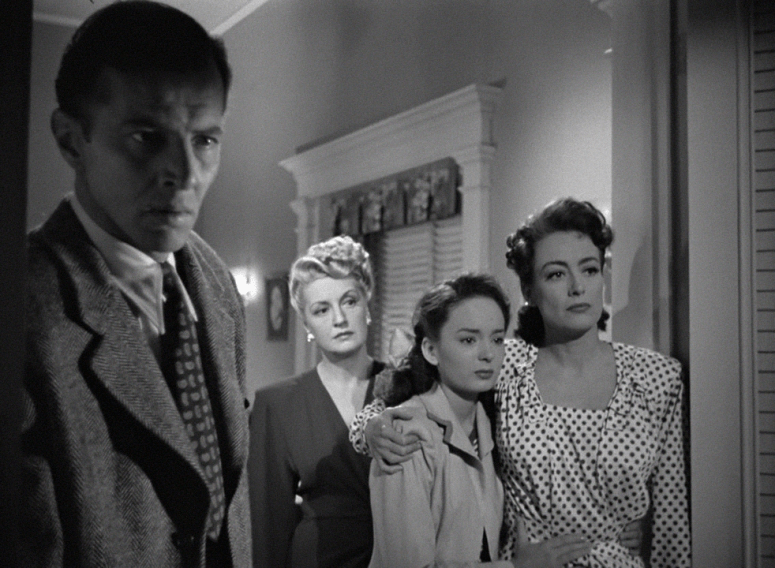
It’s Not My Fault She Wasn’t Dead ~ A Short Story by Allen Kopp


It's Not My Fault She Wasn't Dead

It’s Not My Fault She Wasn’t Dead
~ A Short Story by Allen Kopp ~

(This is a repost. It has been published in The Literary Hatchet.)

It was eleven o’clock Saturday night. I had spent a strenuous day doing next to nothing, laying around my apartment reading Dostoevsky, and was ready to go to sleep, when the telephone rang. I was going to let it ring, but I figured it had to be Mr. Ludwig. Nobody else would call at that hour.

 “Got a little job for you,” the voice on the telephone said.

“Mr. Ludwig!” I said. “How happy I am to hear from you!”

 “You alone?”

 “Yes, I am. I was about to go to bed, though.”

“I can always get somebody else if you’re indisposed.”

“Just kidding! I would never pass up the chance to do you a service!”

“A doctor had somebody die in his office. A woman. He wants her removed before morning.”

“What did he do to her?”

“Never mind. The doctor has a problem and is paying us plenty to remove it for him.”

“I’ll wear my Boris Karloff disguise.”

“I don’t care what you wear. Just get the job done.”

He gave me the address and I wrote it down on the inside of a match book.

“There’s a dead-end alley that runs behind the doctor’s building,” he said. “Pull in there. The doctor will be waiting for you.”

“Sounds like a cakewalk.”

“Put the deceased in your car and bring her to me.”

“I won’t exactly be taking her out for a night on the town.”

“And make sure nobody sees you!”

I found the address easily enough. As expected, the doctor was waiting. Dressed all in white, he looked like a ghost.

“You the man Ludwig sent?” he asked.

“Yeah.”

“Turn off those headlights!”

“No need to be so jittery,” I said.

“Did anybody see you?”

“There’s nobody around this time of night.”

“Nobody but the police,” he said.

He pulled the door back and pointed down. He had the woman in a body bag right inside the door.

“You sure she’s dead?” I asked.

“I strangled her.”

“Charming.”

She was so light I thought she must only be a child. I was glad I didn’t have to see her face. I put her in the trunk and turned to bid the doctor farewell.

“You have a wonderful evening, now,” I said.

“You were never here!” he said, slamming the door.

Mr. Ludwig lived twelve miles outside of town in a hundred-year-old house. He probably built it himself, he was so old. He was a doctor but I didn’t know what kind. I didn’t ask questions.

The road to Mr. Ludwig’s house was hilly, curvy, and dark with that special kind of lonely darkness that exists only in the country. I hardly ever met any other cars out there and if I did I figured they were driven by lost souls who couldn’t find their way.

I made sure I didn’t exceed the speed limit—I couldn’t afford to be stopped with a corpse in my trunk—and I got to Mr. Ludwig’s place a little before one o’clock. The big iron gate opened for me as if by magic and I drove through, up to the big house and around to the back.

I stopped the car and got out. I stood there beside the car, looking up at the silent hulk of the house and listening to the crickets. In a couple of minutes Mr. Ludwig came out the door with one of his goons, a muscle boy named Kurt.

“Any problems?” Mr. Ludwig asked.

“No,” I said.

“Nobody saw you turn in here?”

“Only a couple of owls.”

“Well, bring her on inside then.”

I opened the trunk and Kurt lifted the bundle like a sack of feathers and carried it inside. Mr. Ludwig motioned for me to follow him so we could sit down in his study and complete the transaction and, I hoped, call it a night.

 “Would you like a drink?” he asked as I sat down on his expensive leather sofa.

“No, thanks,” I said. “It’s late and I just want my money.”

“Stay and have a drink with me,” he said. “I hardly ever have a chance for intelligent conversation.”

“What makes you think you’ll get it from me?”

“I know you. How long have you been working for me now?”

“About a year, I guess.”

“Just have one little drink to be friendly,” he said.

“All right. Just one.”

He poured some scotch, which I hated, into a glass and handed it to me. He was a tall man, slightly stooped in the shoulders, wearing an expensive-looking robe of some soft material like cashmere. It made him look like an enormous brown bear.

“How has the world been treating you?” he asked.

I sighed, in no mood for small talk. “I can’t complain,” I said.

“You like working for me, don’t you?”

“Sure.”

“You like working at night.”

“I guess so.”

“Everything is more interesting at night, don’t you agree?”

I would have agreed to anything that would bring the conversation to an end. “Yes, sir,” I said.

“There are infinite possibilities lurking in the dark.”

“If you say so.”

“Of course, the kind of work we do has to be done at night.”

“Uh-huh.”

“I thought I’d give you a little extra this time for your trouble, since it was a spur-of-the-moment thing. Say six-fifty instead of the usual five hundred.”

“Thanks,” I said. “I appreciate that.”

“Don’t thank me. Thank Dr. Broyles. He’ll be picking up the tab.”

“I don’t want to know his name.”

“You met him when you picked up the girl?”

“Yeah,” I said. “He was a very charming fellow.”

“Did he say she bled to death, or what?”

“He said he strangled her.”

Mr. Ludwig laughed so that his jowls quivered like jelly. “That’s a good one!” he said. “An odd choice of words but, then, he’s an odd character.”

“He a friend of yours?” I asked.

“I’ve known him all of thirty years.”

I looked over at the clock and cleared my throat. I was tired and had a headache. “Well, Mr. Ludwig,” I said. “If you don’t mind, sir, I’d like to get my money and go home now.”

Kurt came into the room and Mr. Ludwig and I both turned and looked at him.

“What is it now?” Mr. Ludwig asked.

“I think you need to see this,” Kurt said.

“What is it?”

“It’s the girl in the bag.”

Mr. Ludwig left with Kurt and in a couple of minutes he came back into the room. His jovial manner had vanished. The corners of his mouth turned down as if his face was made of dough.

“Anything the matter?” I asked.

“She’s not dead,” Mr. Ludwig said.

“What?”

“I said she isn’t dead.”

“What are you going to do now?” I asked.

“You’ll have to kill her.”

“What? I’ll have to kill her?”

“Do you want her identifying you to the police?”

“She hasn’t seen me.”

He took a gun out of his desk and pushed it toward me.

“I’m not going to kill her,” I said. “Get Kurt to do it. I think he’d enjoy killing a woman.”

“Kurt’s no killer.”

“Neither am I.”

“I thought you were courageous.”

“Up to a point I am, but nobody said anything about killing a dame.”

“You were hired to bring a dead body to me,” he said. “You brought me a live one. It’s not quite the same thing, is it? Your job isn’t finished until you give me what I’m paying you for.”

“Why should I do it? You’re a doctor. Can’t you just chloroform her or something?”

He smiled as if we were talking about pulling a kite out of a tree. “All you have to do is take the gun, point it at her head and pull the trigger. It’s all so simple.”

“I’ve never killed anybody before!” I said, and I hoped the logic of that statement would carry me through.

“Once you’ve done it, you’ll see how easy it is.”

“How about if I take her back to town and drop her off at the nearest hospital? An anonymous drop-off. No questions asked and none answered. She hasn’t seen you or Kurt. She hasn’t seen me. She hasn’t seen any of us. She doesn’t know where she is. She was in my trunk inside a bag all the way out here.”

“When they see the state she’s in, they’ll call the police and the first thing she’ll do is put the finger on Dr. Broyles. I must do what I can to protect my old friend.”

“Maybe I can talk to her and make her promise not to say a word to anybody.”

“My goodness, you are naïve, aren’t you?” he laughed.

“Killing is not in my line,” I said. “I’ll bet you have half a dozen others on your payroll who specialize in that sort of thing.”

“None of them are here, though. You are.”

He stood up, walked around the desk and placed the gun in my hand.

“I don’t want to shoot her,” I said. “Maybe I’ll hold a pillow over face until she stops breathing.”

He took a three-foot length of rope out of his desk and tossed it to me. “Use whatever method you prefer. Just do it.”

“And what will you do with her after I kill her?” I asked.

“You don’t have to worry about that. I know how to make dead bodies disappear.”

“Sounds delightful.”

“You’re a doer, not a thinker. Just do it and don’t think so much about it.”

“Yeah, I’m a doer,” I said.

He held the door for me to go into the room where the girl was who was supposed to be dead but wasn’t and closed the door behind me. There was just enough light in the room for me to see the light switch. I couldn’t kill anybody that I couldn’t see, so I turned on the light.

The empty body bag was on the table but the girl was gone.

I opened the door again and said to Mr. Ludwig, sitting at his desk, “What’s the gag? There’s nobody here.”

Mr. Ludwig came rushing into the room and when he saw the girl wasn’t there he yelled for Kurt, who immediately appeared from another part of the house.

“She’s gone, you idiot!” Mr. Ludwig said. “Why didn’t you watch her?”

“She was here just a minute ago!” Kurt said.

“Find her!”

The two of them seemed to forget about me while they looked behind the curtains, in the closet, in the bathroom—any place a person might hide.

“Maybe she went upstairs,” I said, pointing up the dark staircase with the gun.

“Go check and see if she’s upstairs!” Mr. Ludwig said to Kurt.

Mr. Ludwig was red in the face. I thought he might pop a blood vessel right before my eyes.

While Mr. Ludwig and Kurt were searching frantically for the girl, upstairs and down, I thought of the simple expedient of checking the back door.

The door was partly open and a rug in front of the door was kicked up, so I figured the girl had run out into the night. There was no place for her to run to out there, but at least she could get away.

I sat down on the sofa and took a deep breath, listening to the sounds of Mr. Ludwig and Kurt scrambling around upstairs. When Mr. Ludwig came down again, I smiled.

“She flew the coop!” I said.

“She what?”

“She ran out the back door.”

“Don’t just sit there, you idiot! Go find her!”

“It’s not my job to find her,” I said, “and I’d be careful who you’re calling an idiot, if I were you.”

He went straight to the phone and called “some people” to come out from town and comb the woods and the grounds surrounding the house to try to find her.

When he hung up the phone, he rubbed his forehead as if he was kneading bread. “They’ll be here as quick as they can,” he said, “but in the meantime, I want you and Kurt to go outside and see if you can find her.”

I was on the point of refusing when he handed me a flashlight and another one to Kurt and hustled us out of the house.

“You’d better not let her get away again!” he said threateningly as he slammed the door.

Kurt and I stood there in the dark at the back of the house, listening to the crickets. He was smoking a cigarette and didn’t seem in any hurry.

“He’s crazy, you know,” he said.

“I suspected it,” I said. “Why do you work for him?”

“He likes to have a well-built young man around.”

“Are you saying Mr. Ludwig is queer?”

He shrugged. “Call it whatever you want.”

“What do you get out of it?”

“He pays me plenty.”

I looked up at the moonless sky. “It’s too dark tonight to see anything.”

“Yeah, I know, but we can go through the motions, can’t we?”

“You look on that side of the house and I’ll look on this side,” I said.

There were twelve acres surrounding the house. The carefully tended lawn ended where the woods began. I figured the girl, if she had any sense at all, would hide herself in the woods until morning and then try to find somebody to help her.

I spent an hour or more going over the lawn with the flashlight. I saw a possum and a couple raccoons but that’s all. I was about to go back inside and tell Mr. Ludwig it was hopeless, when I heard a snap over to my left beyond the boundary of the lawn.

I shone my light where the sound came from. All I saw were trees and brush, but then a person materialized out of the dark.

“Don’t shoot me!” a female voice said.

“Who’s there?” I said.

She stood up then out of the brush, her hands in the air. She wasn’t more than twenty years old. “Please don’t shoot me!” she said.

“I’m not going to shoot you!” I said.

“What is this place?” she asked.

“It’s the home of a mad scientist, twelve miles from town on a very lonely road.”

“How did I get here?”

“Never mind that now. If you value your life, you’d better get away from this place as quick as you can. There are people coming out to look for you and they mean business.”

“Can you help me?”

“No. I’m supposed to find you and take you to him.”

“Take me to who?”

“It wouldn’t help you if I told you his name.”

“I’m so scared!” she said, starting to cry. “I don’t remember anything that happened.”

“Do you remember a doctor? Being in his office?”

“Oh, yeah. Him.”

“He thought he strangled you. He thought you were dead.”

“Oh, yeah.” She touched her throat and winced.

“Parked behind the house is a black car,” I said. “That’s my car. After Kurt and I go back inside the house, go around to the side of the car away from the house and get in on the floor in the back seat. Close the door as quietly as you can. There’s an old army blanket on the floor in the back that you can use to cover up with. I’ll be going back to town as soon as I can get away from here and I’ll drop you off and then I’m finished with this whole thing.”

“Who’s Kurt?”

“You don’t want to know. If you want to go on living, just do as I say. And if they find you in my car, I had nothing to do with it.”

“Okay.”

I circled around the front and met up with Kurt on the other side of the house.

“Any luck?” I asked.

“No. I didn’t see anything.”

“Me either.”

“The boss is not going to like it,” he said.

“Maybe his people will find her.”

When we went back inside, Mr. Ludwig had settled himself down with a bottle of whiskey. He smiled when he saw us.

“Did you find her?” he asked.

“No,” Kurt said. “She’s nowhere around the house.”

“Did you look everywhere?”

“As well as we could in the dark.”

“She probably went out to the road and flagged down a car,” I said. “Somebody to give her a ride to town.”

“She’d better keep her big trap shut,” Mr. Ludwig said, “or she won’t live long.”

“If she has any sense at all, she’ll know that,” I said.

“With people like that, you can never be sure of anything.”

“People like what?” I asked.

“She’s a doper. A heroin addict. So is the doctor. He was giving her what she needed. Something went wrong, I imagine, and then he had to strangle her.”

“Maybe she refused to pay him,” Kurt said helpfully. “Drug dealers get awfully touchy about that.”

“Shut up, Kurt!” Mr. Ludwig said. “Go on and go to bed now!”

After Kurt was gone and I was left alone with Mr. Ludwig, I asked him again for the money he owed me.

He looked at me sadly and shook his head. “I don’t pay for sloppy work,” he said.

I couldn’t keep from laughing. “It’s not my fault she wasn’t dead. If there’s any blame to be allocated, I think it belongs to the doctor.”

“He won’t see it that way. When he finds out she wasn’t dead, he won’t pay me and I can’t pay you. That’s the way the world of business works.”

“I have no appreciation for the world of business,” I said.

“You can go now,” Mr. Ludwig said. “You’ll be hearing from me soon. Good night.”

“It’s almost four o’clock. It’s good morning now instead of good night.”

When I went out to get into my car to go home, Mr. Ludwig’s people were out in full force looking for the girl. I was sure some of them weren’t happy at being yanked out of bed in the middle of the night, but I knew they were being well paid for their efforts.

 The girl didn’t make a sound all the way back to town. I dropped her off at the hospital but wouldn’t let her get out of the car until I gave her some advice.

“You don’t know anything,” I said. “You don’t know how you got here. You don’t know where you’ve been. You’ve been with some bad people, that’s all. If you’re thinking of getting revenge on that doctor, he’ll kill you. If he doesn’t, somebody else will.”

“Uh-huh,” she said.

“I’m not fooling, now. This is serious business. Do not say a word about anything that happened if you want to go on living.”

“I got it.”

She got out of the car and began walking across the parking lot toward the emergency-room door. Before going inside, she turned and gave me a little wave.

The sun was just starting to come up when I got home, but for me the day was ending instead of beginning. I had a hot shower, closed the curtains and fell into bed. Before I went to sleep, though, I took the phone off the hook. I figured I deserved that, at least.

Copyright © 2026 by Allen Kopp

Somebody Somewhere ~ A Short Story by Allen Kopp

Somebody Waits for Me image 3

Somebody Somewhere
~ A Short Story by Allen Kopp ~

(This is a repost. It has been published in The Literary Hatchet.)

I was standing at the window. Inside it was still winter but outside it was spring. The sky was blue, trees and flowers were budding, the sun was shining and birds were singing. Miss Deloite, the woman with the delightful hanging mole on her upper lip, came up behind me. I heard her shoes squeaking on the floor and then smelled her particular sharp smell.

“You shouldn’t be wandering the halls,” she said.

I ignored her but as she walked away I turned and stuck out the tip of my tongue at her and she turned into a puff of blue smoke. You can’t know how satisfying it is to turn an annoying woman into a puff of blue smoke.

I went back to the room that I had come to identify as my own and lay on my back on the bed and looked up at the ceiling. I knew there was something wrong with me but I couldn’t remember what it was. I couldn’t even remember what place I was in. Oh, well. If it mattered at one time, it didn’t matter much any more.

I heard somebody coming and picked up a magazine and opened it and pretended to be reading. I wanted to look busy so nobody would ask me questions or try to engage me in conversation.

It was Theo, all dressed in white as usual. If I saw him in any other color, I wouldn’t recognize him.

“Where’s Miss Deloite?” he asked. “She said she was coming in here to help you with your bath.”

“I’m perfectly capable of taking a bath on my own without any female assistance,” I said, not looking up from the page.

I should probably have told him I just turned her into a puff of smoke but I would have to let him figure it out on his own. He should feel lucky that I didn’t do the same to him.

I crossed my ankles and wished I had a cigarette, and in came Louie from next door. He was wearing a lady’s red kimono with colorful dragons. I didn’t like Louie and I let him know it.

“What makes you think you can just barge into my room any time you feel like it, Louie? I’m supposed to be taking a bath.”

“I already took mine.”

“I’m so happy for you.”

“Do you have any candy?”

“If I did, I wouldn’t give it to you.”

“That’s not very nice.”

“Shouldn’t you be having your nails done or something?”

“I’m going to tell Miss Deloite you were snotty to me,” Louie said.

“You’ll be telling it to a puff of blue smoke.”

“What?”

Before Louie could annoy me any further, I raised my eyebrows and turned him into a little spider. I laughed as I watched him run on his touchingly small legs across the floor to the wall. He crawled up the wall to the ceiling and looked at me.

“You’re a medical phenomenon,” I said.

I was thinking about taking a nap, for lack of anything better to do, when Theo came back, bearing clean towels.

“Since Miss Deloite is temporarily not to be found,” he said, “I’m going to help you with your bath.”

“I already told you I don’t need help with a bath,” I said.

“Stand up now and take off your clothes, or I’ll do it for you.”

“I don’t want to take off my clothes for you any more than I do for Miss Deloite.”

“Do you want me to go get Stan and Sylvia?”

“Oh, please! Not Stan and Sylvia! I can’t tell them apart. Oh, I remember now. Sylvia’s the one with the mustache, isn’t she?”

“Cut the comedy now. Stand up.”

“Theo, I don’t like your tone of voice!” I said. “It’s not a polite way to speak to a man who isn’t well.”

He came at me with the intention of pulling me off the bed by my arm, but before he knew what was happening I raised my index finger at him and turned him into a blue jay.

Now, I had always thought the blue jay a most attractive bird, even though people said he was mean and liked to eat carrion.

Theo flapped his blue wings a couple of times and flew up to the ceiling and ate the tiny spider Louie in one gulp. Louie didn’t even have time to try to get away.

“Good bird!” I said.

He flew around the room a couple of times, bumping painfully into the walls until I stood up and opened the window for him. He didn’t have to be coaxed to fly out and then away over the treetops.

“Be well!” I called to him.

I lay down again. I did not want to take a bath and would be just as obstinate about it as I needed to be. I still believed the decision to take a bath should be mine alone. Crazy though I may be, I must have some rights left!

Before I had time to draw another breath, Nurse LaPeezy was upon me with my meds. I eyed the pills suspiciously.

“What if I don’t want to take that stuff?” I said.

“Doctor’s orders,” she said.

“So you’re saying I don’t have a choice?”

“I could call Stan and Sylvia if you like.”

“Oh, no! Not that!”

She handed me a cup of water and I pretended to take the pills. I put them in my mouth and swallowed but I held them under my tongue. When she bent over to pick something up off the floor, I spit them into my fist. The hand is quicker than the eye.

As Nurse LaPeezy was leaving I felt a strong dislike for her. I flicked the little finger on my right hand at her and she turned into a mouse. Realizing she was a mouse, she scurried across the floor the way mice do and disappeared into a conveniently placed mouse hole in the corner. I envied her because I knew she’d find her way to the kitchen where she’d have plenty to eat and find lots of other mice to keep her company. How sweet the life of a mouse must be! Much better than that of a nurse.

The next time somebody came in to help me take a bath, I was going to tell them I had already taken it while everybody was occupied elsewhere. I wanted them to know I had been taking a bath on my own since I was three years old and didn’t need help from anybody.

I was almost asleep when a slight change in the air currents around the bed made me open my eyes. Dr. Felix had come in silently and was standing at the foot of the bed looking at me.

“Sorry to wake you,” he said.

Dr. Felix wore glasses and looked like the movie actor Franchot Tone. His hands were folded in front of him. I looked at his hairy wrists and his expensive wrist watch so I wouldn’t have to look at his face.

“If you don’t mind, doctor,” I said. “I don’t really feel like talking to you today.”

“Anything wrong in particular?” he asked.

“No. It’s just that I’m here and I don’t know where here is.”

“Here is where you need to be at the moment.”

“I must have a home somewhere, even if I can’t remember it. I want to go home.”

“Everybody feels that way sometimes.”

“That’s comforting.”

“I’m going to increase your antidepressant medication again.”

“You doctors think drugs are the answer to everything, don’t you?”

“You’re spending far too much time alone. That’s not good. I’m going to assign you to some group activities.”

I groaned and closed my eyes. “Don’t trouble yourself,” I said. “I won’t be here that long.”

“Are you planning on going someplace?”

“Well, you never know,” I said.

He chuckled in his knowing way and turned to go. As he started to put his hand on the door to open it, I blew out a little puff of air in his direction and turned him into a cockroach. He ran under the door and out into the hallway. One of the nurses would see him and scream and step on him and then take a Kleenex out of the pocket of her uniform and pick him up and throw him in the trash can. How fitting is that for Dr. Felix?

Before anybody else had a chance to come in and annoy me further, I dressed in some clothes I had been hiding in the bottom of the closet. It was a uniform the maintenance men wore that I had stolen one day when I was exploring in the basement. In the uniform and with the brown cap pulled low over my eyes, nobody would recognize me. Also hidden away in the closet I had some ninety dollars and a pack of cigarettes, which I stuffed into the pants of the uniform.

I took a good look at myself in the mirror over the sink. I looked as much like a maintenance man as the real one did. Cautiously I went out into the hallway. Everything was quiet and nothing out of the ordinary. I made my way down the stairs to the main entrance.

The receptionist at the front desk looked up from the magazine she was reading and then looked away. I knew she didn’t know who I was. If she had known, she would have been screaming for help.

I walked out the door into the bright cool air and down the steps, wanting to run but not running because I didn’t want to draw attention to myself. I followed the concrete walk to the driveway and along the edge of the driveway a quarter-mile or so to the main gate. I saw nobody and nobody saw me.

I turned right at the gate out of the place, which seemed to me a better choice than going left, and began walking briskly. I walked for many blocks and saw nothing that looked familiar. I might have been in a foreign country or on another planet, for all I knew. Still, it felt good to be free and on my own.

Checking my pocket to make sure the ninety dollars was still there, I remembered the cigarettes and how long it had been since I had one. I lit one up and as I walked I puffed out a cloud of smoke behind me.

I stopped at a bar that looked inviting and had a beer and a hamburger and after that I kept walking deep into the city. It was a big city but I didn’t know what the name of it was and I didn’t know if I had ever been there before. I saw many people but they seemed to not see me, which altogether suited me.

After what seemed like hours of walking, I felt tired but pleasantly so, and I felt good about the distance I had put between myself and the place I had left behind. When I came to a faded old hotel with a sign that said Clean Rooms and Cheap, I decided that getting a room was the most logical thing I could do.

The desk clerk signed me in without asking for identification or money in advance. He gave me a key to a room on the tenth floor and I went up in a smelly elevator that must have been a hundred years old.

The room was clean, as advertised, and pleasant. There were two windows, a bed, desk, dresser with a large mirror, chair, closet and tiny bathroom. I liked the feeling of being up high. I opened the window a couple of inches to feel the air and to hear the traffic noises from the street, which at that distance I found soothing. After checking the door to make sure it was locked, I lay down on the bed and fell into a deep and restful sleep.

I spent two days and nights in the room, sleeping a lot during the day and walking around the city at night. Nobody ever approached me or bothered me or seemed to find my behavior in any way out of the ordinary. I couldn’t remember ever feeling so free and unencumbered.

More than anything I wanted to go home, but I didn’t know how that was ever going to be possible. I knew very little about myself, except for insignificant details like enjoying smoking and preferring tea instead of coffee. I could remember nothing of my past life. Where had I come from? Where was I going?

Did I come from a small town or a city like this one? Did I grow up in an apartment in the city or in a house in the wide-open spaces with a big yard and a view of the mountains? Wasn’t it likely that somebody was waiting for me somewhere, wondering if I was alive or dead or if I would ever come home again? A mother? A wife? A lover? A son or daughter? Whoever he or she was, I could feel them and I knew they could feel me.

When the people from the hospital I had just left realized I was gone, I knew they would come looking for me. I had done some very bad things, including turning my doctor into a bug and a nurse into a mouse, which I have already told you about. They would lock me up now and I would never go free again.

On my third day in my little hotel room high up, I had the window open as high as it would go to let in the warm breezes. At any one time, there were as many as five pigeons on the ledge outside the window. They cooed and danced and seemed happy. When I got close to them, they weren’t at all afraid of me. If I had had something to feed them, they would have eaten right out of my hand.

I sat on the bed, looking at myself in the round mirror on the dresser. Wait a minute, I thought. I don’t have to go back to that place or any other place like it. I can do to myself what I did to the others.

I pointed at my reflection in the mirror and turned myself into a pigeon. I flapped my wings on the bed to try them out. From the bed I jumped to the floor and then to the window ledge. There were three pigeons already there to greet me. They knew I was somebody they had never seen before, so they were curious about where I had come from. After introductions were made, they were all eager to show me around the city. They were extraordinarily accepting of me, even though I was a stranger. How happy I was to be welcomed by them. How fortunate to have made such delightful friends so fast.

Copyright © 2026 by Allen Kopp

For Sentimental Reasons ~ A Short Story by Allen Kopp

For Sentimental Reasons
~ A Short Story by Allen Kopp ~ 

(This is a repost. It has been published in The Literary Hatchet.)

Hearing Russell’s footsteps on the stairs, Vee set a glass of orange juice on the table and cracked two eggs into the skillet. When he came into the sunny kitchen, she smiled and wished him a good morning and asked him if he’d like bacon with his eggs. Not waiting for an answer, she took four slices out of the refrigerator and laid them carefully in the skillet beside the eggs.

He helped himself to some coffee and sat down at the table. He looked across the table at Vee’s husband, Milt, but Milt didn’t look back. He was absorbed in the morning newspaper. He loved reading about crime in the city. It seemed to somehow make him happy.

“You’re such a sharp dresser!” Vee said to Russell from her place at the stove, pointing to his natty black pants and red-plaid shirt. “A lot of college students go around looking like bums all the time.”

Russell smiled modestly and downed his orange juice.

“Did you say something?” Milt asked, looking around the edge of the newspaper.

“I was just saying to Russell here how he always looks so dapper, even early in the morning.”

“Oh, Russell!” Milt said, putting down the paper. “I almost forgot about Russell!  He is a quiet boy!”

“He’s hardly a boy!” Vee said, setting Russell’s plate down in front of him. “He’s a fully grown man! Just look at those arms!”

“I work out when I have the time,” Russell said.

“Whatever makes you happy,” Milt said. “Say, I was just reading in the paper where a family of six was murdered in their own beds. No sign of forced entry. Police don’t have a clue who did it. Can you beat it? What is the world coming to? And over on Polk Avenue, in those old apartment buildings near the post office, a woman stabbed her common-law husband in the neck and went off to work and left him on the floor to bleed to death.”

“Can’t we talk about something more cheerful?” Vee asked. “It’s a beautiful morning!”

“I heard yesterday about an old woman who lived alone. Somebody broke into her house and after they stole her money and jewels, they killed her. Slit her throat. She had two big dogs. They didn’t have any food for a long time so they ate her body, right down to the bones! Did you ever hear of anything so awful?”

“Russell doesn’t want to hear that gruesome talk!” Vee said. “He’s young and full of life!”

“It’s all right,” Russell said. “I don’t want you to do anything different on my account.”

“How do you like your room?” Milt asked.

“I like it fine, sir.”

“You don’t have to call me ‘sir’. This isn’t the army.”

“No, sir. I know it’s not the army.”

“How old are you?”

“Twenty-four in October, sir.”

“It’s probably hard for you to believe right now,” Milt said, “but I was twenty-four not so long ago.”

“Russell’s a graduate student,” Vee said. “Isn’t that wonderful?”

“A what?”

“He’s earned his undergraduate degree. Now he’s in graduate school.”

“Oh, right! I guess you can’t have too many degrees.”

“I should be able to get my master’s degree in two more semesters,” Russell said.

“So you’ll only need the room for two semesters,” Vee said.

“As far as I know.”

“Oh, I hope you’ll stay longer than that! You’re the best boarder we’ve ever had!”

“I don’t think you’ll have any trouble renting the room to somebody else,” Russell said. “It’s a comfortable room, conveniently located, and you are an exceptional cook.”

Vee smiled with pleasure and set down her cup. “It’s sweet of you to say so,” she said. “Most people don’t usually have anything good to say.”

“We don’t want any beatnik types with their bongo drums,” Milt said.

Vee laughed. “You’re behind the times, dear!”  she said. “There aren’t any beatniks anymore!”

“You know what I mean!” Milt said. “We only want the decent-living, clean-cut types. The ones who don’t make a sound at night because they’ve got their noses buried in books all the time.”

“I think he’s saying he approves of you, Russell!” Vee said.

“We don’t need to overdo it,” Milt said.

Russell finished his breakfast and stood up. He offered to carry his plate to the sink, but Vee told him she’d take care of it.

“I won’t be here for dinner,” he said, as he left. “I’m going to be working late at the library.”

“It’s all right, darling!” Vee called. “Have a wonderful day!”

Darling?” Milt said.

Milt left to go to work. The day was long and dull for Vee. She washed the breakfast dishes and when she was finished she lay down on her unmade bed and read an article in a magazine about a woman who was spontaneously turning into a man, and when she was finished reading she dozed for a while until a big truck passing on the street in front of the house woke her up.

She carried her broom and dustpan up the stairs and let herself into Russell’s room with her spare key. It was her duty as landlady to tidy up, empty the trash, sweep the floor, put clean towels in the bathroom and clean sheets on the bed.

Not only was Russell neat in his dress, but also in the way he lived. The covers on his bed were pulled up over the pillows. There were stacks of books and papers on the desk, but, other than that, no clutter anywhere; no dirt and no piles of dirty clothes. In the bathroom, the towels hung neatly; there were no splashes on the mirror; the bathtub gleamed, as if it had just been scrubbed.

Before going back downstairs, she lingered for a while over Russell’s belongings. She ran her fingertips over his alarm clock and his jade elephant that she admired every time she was in his room. She picked up a couple of the books and opened them, read a few words, and set them back down exactly where they had been. She opened the closet door and marveled at the perfect order: coats, jackets, shirts, pants. On the floor were four pairs of shoes aligned with precision. On the inside of the closet door was a rack of belts and ties, the ties arranged according to color.

One thing she expected to see in Russell’s room but didn’t: a picture of a lovely young woman. Of course such a handsome, intelligent, smartly turned-out young man would have a girlfriend, a real homecoming queen type, who would be waiting for him to come home and marry her when the time was right. Beauty is always rewarded with beauty, isn’t it? Isn’t that the way the world works?

In the afternoon she took a long bubble bath and washed her hair and set it. When she was finished, she dressed in fresh clothes. There was no reason for her to look slouchy all the time. She wasn’t an old woman, not yet, and she didn’t want to get old before her time. Of course, it didn’t help being married to an old stick like Milt, but she wasn’t going to let him drag her down even more than he already had.

At dinnertime she set three places at the table, even though she knew Russell wouldn’t be there. Milt didn’t notice the extra plate or that she had fixed herself up and looked better than usual. He came into the kitchen and sat down at the table at six-thirty, the time they always ate. She served up the food and they sat in silence; she stared absently out the window into the back yard or at the empty plate and unused silverware across from her. Milt didn’t talk about his day; they were all the same and had been for twenty-five years or more.

When dinner was over she washed the dishes and Milt, bone-tired as usual, retired to his spot on the couch in front of the TV. He would watch one mindless show after the other, all evening long, until it was time for the ten o’clock news and then he’d turn off the TV and get into bed, literally asleep before his head hit the pillow.

Vee went to her room at eleven o’clock and closed the door. She lay for a long time without sleeping, listening to the sounds outside: the wind in the trees, distant traffic on the highway, the faraway barking of a lonely dog.

At one o’clock, she had been dozing lightly but awoke when she heard the floor creak upstairs over her head. It meant Russell was home. She imagined him taking off his clothes and getting into bed. He’d be tired out from his long day, a day well-spent, and would go to sleep quickly.

An hour later she was still awake. She got out of bed and, without turning on a light, put on her bathrobe and stepped into her slippers. She crept slowly out of her room, careful not to make a sound, feeling her way along the wall, and up the stairs to the door of Russell’s room.

The door wasn’t locked. She turned the knob and stepped into the room. There was just enough light coming in at the window that she could see him sleeping in the bed, lying on his back. The blanket was pulled up to his waist. He wore an undershirt.

She stood for a minute beside the bed, watching him sleep. He had his right arm over his head with his left arm resting at his side. She was reaching out her hand to touch him when he opened his eyes.

He reached over and turned on the lamp beside the bed and looked at her with alarm. “What’s the matter?” he asked. “Is anything wrong?”

“No, nothing’s wrong. I…”

“There’s not a fire, is there?”

“No, there’s no fire.”

“Why are you coming into my room late at night without knocking?”

“Please don’t be mad at me! I missed you at dinner and I just wanted to make sure you made it in all right.”

“Of course I made it all right!” he said. “Why wouldn’t I? You don’t have to watch out for me.”

“I know. I wouldn’t blame you for being terribly angry, but…I just couldn’t seem to help myself.”

“Why not?”

“You’re special to me.”

“What are you talking about? You woke me up to tell me that?”

“I can’t stop thinking about you. I like looking into your beautiful dark eyes and talking to you and being in the same room with you.”

“What? What are you talking about?”

“I just like being near you.”

“Oh, I think I get it now! I’m not going to have sexual intercourse with you. Now or at any other time.”

“No, it’s not that!” she said. “That’s not what I want!”

“What do you want?”

 “I want you to turn off the light. I want you to close your eyes and pretend I’m somebody else. I want to touch your face and your hair. I want to feel your arms and your chest, your legs and your feet. I want to feel you all over.”

“That’s a very odd request. Do you always do that with your boarders?”

“Oh, no! This is the first time!”

“Does Milt know about it?”

“Milt doesn’t know a thing.”

He threw back the blanket that covered his lower body and stood up from the bed. He pulled his undershirt off over his head and stepped out his pajama bottoms and turned off the light.

“All right,” he said in a whisper, lying back on the bed as though waiting for a medical examination. “Please make it quick, though. I’m cold and I feel kind of funny about this.”

“I promise you, nobody will ever know,” Vee said.

In the morning Vee was in the kitchen cooking breakfast when Milt came in, yawning, and took his place at the table.

“Did you hear anything unusual last night?” he asked, rubbing his eyes.

“I heard a dog barking but it didn’t keep me awake,” she said.

“With all the crime in the city, you have to be constantly aware of what’s going on in the neighborhood. You can’t be too careful these days.”

She handed him the morning paper to get him to stop talking it and he opened it and began reading a story on the front page about a triple homicide.

“One of the people killed was a niece of the mayor’s wife! Can you beat it?”

“Eat your eggs while they’re hot,” she said.

He was halfway finished with breakfast when he noticed someone was missing from the breakfast table.

“Hey, where’s what’s-his-name?”

“Who?”

“Our little boarder.”

“Do you mean Russell?”

“Yeah, Russell. Where is he?”

“He’s gone.”

“He had an early class or something?”

“No, he left. He moved out.”

“Moved out? What are you talking about? He just said yesterday he liked it here and wanted to stay. Did something happen?”

“No. I don’t know.”

“Did he skip out on the rent?”

“He was paid up until the first of the month.”

“What is wrong with these people? He’s the third boarder we’ve lost in less than a year! They’re here and everything is fine, and then the next day they’re just gone without so much as a wave goodbye! It must have something to do with all this crime!”

“I’ll place the ad in the paper again,” she said, “but I don’t think we’ll get anybody as sweet as Russell ever again. Not in a million years.”

She turned her head away and went out of the room so Milt wouldn’t see her tears. She stayed in her bedroom until he left for work and then she went into the kitchen and began gathering up the dirty dishes to wash them. She hoped that Russell might come by later in the morning so they could have a private talk, just the two of them, without Milt, and she could apologize for what happened and set things right. Oh, how she hoped!

Copyright © 2026 by Allen Kopp

Until We Meet Again ~ A Short Story

Until We Meet Again
~ A Short Story by Allen Kopp ~

(Published in The Corvus Review.)

During the years that Hulga Van Sipes took care of Isadore, her invalid husband, he wasn’t able to speak or barely to blink his eyes. She did everything for him: got him up in the morning and put him to bed at night, bathed him, dressed and undressed him, lifted him in and out of his wheelchair (he had always been a small man), cooked his food and fed it to him (all he had to do was swallow), and talked to him as if he might answer. She read to him, sang to him in her wheezing soprano, and sometimes she put a little rouge and lipstick on him to make him seem more alive.

When Isadore finally died in his sleep, Hulga had his body cremated without fanfare. She put his ashes in a large-sized Hellman’s mayonnaise jar and kept the jar on a shelf of the curio cabinet next to the TV where she could always see it.

Hulga thought she could go on with her life (what was left of it), but she found it was just too bleak and lonely—empty, so empty—without Isadore. She had been married to him for fifty-two years and most of them were good, fine years. She wasn’t able to erase all those years and go on her merry way as if nothing had happened.

At a store called Under the Sun on Skid Row Boulevard that sold just about anything, she bought a full-sized male mannequin (also known as a doll) with fully articulated arms and legs. She took the mannequin home with her in a taxi.

Of course the mannequin looked nothing at all like Isadore. Everything about him was shiny. He had shiny black hair (complete with pompadour) painted on his head, shiny black eyes (sparkling, like the glass eyes of a stuffed mountain lion), and a shiny skin with red spots on both cheeks. His shiny lips were slightly parted, showing tiny, perfect teeth which, of course, were shiny.

At first Hulga was put off by the difference between the mannequin and Isadore, but after a few days she came to accept the difference and appreciate it. The mannequin was a young man and at times she was able to think of herself as a young woman worthy of him (even if the mirror told her otherwise). And, even though he was inanimate, he was for the most part no more inanimate than Isadore had been.

Hulga Van Sipes was happy again or, if not happy, she felt useful and not quite so lonely. At mealtimes, she propped the mannequin up at the table and put little dabs of food on his plate which, of course, she ended up eating herself or putting down the garbage disposal. She was delighted that her grocery bills were smaller because the mannequin really didn’t eat all that much.

As she chewed her food, with the radio playing lively dance music in the background, she looked over at the mannequin and smiled and he always smiled back. He was never grumpy or out of sorts. He never dribbled food out of his mouth down his front. He was the perfect dining-table companion. How fortunate she was to have found him!

She left him in his place at the table while she washed the dishes, and when she was finished she wheeled him into the living room and lifted him onto the couch, propped his feet up and covered his legs with an afghan. (He had always been susceptible to chill, especially in the lower extremities.)

They both liked the same programs on TV. If she laughed while watching, she looked at him to see if he was also laughing. If she cried, he also cried, and if she became bored with a program and wanted to change the channels, he was always compliant.

After the weather report, she switched off the TV, took the mannequin into the bedroom and got him into his pajamas and into bed. She pulled the covers up under his chin, kissed him on the forehead and turned off the light. She always left his door open a little bit so she would hear him if he stirred.

After several months of unchanging days, the line between Isadore and the mannequin became blurred for Hulga and then disappeared altogether. The mannequin became no longer a substitute for Isadore but Isadore himself. Hulga forgot that Isadore had died (she put his ashes in the basement where she wouldn’t have to look at them). He had been with her all the time. It was a leap that she made in her mind as easily as breathing.

In October the days were warm and the sky as blue as it had been all year. Hulga wanted Isadore to have some time outdoors before winter set in again. She dressed him warmly and took him for a stroll in the park where he might observe the beauty of nature. The little outing went so well, and they both enjoyed being out of the house so much, that she took him again the next day and then the day after that.

On the third day of Hulga pushing Isadore through the park, a woman came and stood in front of the wheelchair and Hulga was forced to stop. She thought the woman was going to ask her for change because she was that kind of woman, a bum or a homeless person.

“What’s the matter with you?” the woman asked.

“What?” Hulga asked.

“What are you, deaf? I said: What. Is. Wrong. With. You?”

“Why, nothing’s wrong with me,” Hulga said, thinking she was being indulged in a joke of some kind.

“Are you an escapee?”

“Am I a what?”

“You are such an asshole!” the woman said. She was very short and fat, wore a filthy knit cap on her head and a man’s wool overcoat, even though the day was warm. She brandished a lighted cigarette like a knife.

“What was that you called me?” Hulga said.

“Every day for the last three days I’ve seen you pushing that dummy around in that chair.”

“Dummy?” Hulga asked.

“Yeah! Him!” the woman said, pointing at Isadore.

Looking down at Isadore to see if the woman was upsetting him, Hulga said, “He’s my husband.”

“Your husband!” the woman said with a hoot of laughter. “One of us is nuts and I don’t think it’s me!”

“If you’ll just let me pass, miss.”

“It’s time you woke up and smelled the roses, dearie!” the woman said. “That dummy ain’t nobody’s husband!”

A small group of people, sensing that something interesting was happening, had gathered around to listen.

“We’ve been married for fifty-two years,” Hulga said. “Not that I think it’s any of your business.”

“Well, I hope you’re married for another fifty-two and I hope he don’t give you a bit of trouble, neither.”

“That’s silly,” Hulga said.

The people who had gathered around laughed and the woman with the cigarette bowed like a courtier and went away as quickly as she had appeared.

Hulga felt the people looking at her, laughing at her the way they would laugh at a freak. She wanted to get herself and Isadore away as quickly as she could, back to the safety and security of their own home. How ugly the world was! How cruel people could be!

Feeling shaken, she stopped the chair and sat down on a bench to rest before going home. The air had suddenly grown colder and the sun, shining so brightly just a little while ago, had receded behind gray clouds.

“It was a mistake to bring Isadore out into the world,” she said. “He doesn’t need this any more than I do.”

She pushed her fingers lightly into Isadore’s upper arm and he tilted crazily against the arm of the wheelchair in such a way that only a crazy person would think he was a real man.

“You aren’t real, are you?” she said. “I’ve only been fooling myself all along.”

She began to be afraid somebody might report her and they—the bureau of crazy people, maybe—would come and take her out of her home and make her stay in a mental home against her will. They might even shoot volts of electricity into her head, as she had witnessed on TV. The thought made her feel frightened and helpless.

She dumped the mannequin (not really her Isadore, after all) out of the wheelchair under a tree and hurried away before she changed her mind.

On her way out of the park, an old man shuffled toward her.

“Can you spare a dollar?” he asked.

She looked at him and smiled. “Isadore?” she said.

“Name’s Boo-Boo,” he said. “At least that’s what my friends call me.”

“Would you like to come home with me?”

She touched the sleeve of the jacket, slick with dirt. He pulled back as if uncertain what she was might do.

Gunsmoke is on tonight,” she said. “It’s your favorite show.”

“What time is it?” he asked.

“It starts at eight o’clock,” she said.

“You really want me to come home with you?”

“Yes.”

“What’s the catch?”

“No catch.”

“Could you fix me some bacon and eggs?”

“Sure.”

“Got any beer?”

“You never drank before.”

“Could I have a bath and some clean socks?”

“Anything you want.”

She pointed to the wheelchair. He sat in it and twisted his head around and smiled up at her.

“This is all right!” he said. “Very kind of you, I’m sure. It’s only fair to warn you, though: I ain’t much of a lover.”

She patted him reassuringly on the shoulder and began pushing toward home. She thought how light he was, how easy to push, and how much she had missed him the whole time he had been away.

Copyright © 2026 by Allen Kopp

Until I Die ~ A Short Story

Until I Die image 1
Until I Die
~ A Short Story by Allen Kopp ~

(This short story has been published in The Literary Hatchet.)

Henry Hudson was waiting at a stoplight in town the first time he saw her. She passed within two feet of his car. She was with three other young people, obviously high school students. She had hair the color of burnished copper; she was wearing green. He was sure her eyes would be green, too.

The next time he saw her was at the public library. He was sitting on a bench reading a newspaper when she came in alone and sat down at a table and opened a book. She was dressed casually but in excellent taste. No blue jeans with tears in the knees or sneakers. Everything about her was perfect. From her hair to her skin to her fingernails, from her shoes to her purse, she generated good taste. She exuded perfection.

He saw her three more times in the next two weeks. The first time she was coming out of the drugstore with a woman obviously her mother. The next time he was driving by on Main Street when he saw her walking on the sidewalk, alone, in front of city hall. The third time she was with somebody else in a red car.

Then he saw her picture in the newspaper. Her name was Colleen Cork, and she was eighteen. She was the daughter of Dr. Sidney Cork, neurosurgeon. She was named Outstanding Young Citizen of the Month by the mayor’s office for her charitable work, for her high scholastic standing and for her talent as a singer and musician. When she graduated from high school next year, she planned to go to New York and become a professional musician. The world would open up at her feet.

So now she had a name. He looked up her address in the phone book and found it easily enough. With the help of a map, he found the street where she lived and then the house. It was a large, scenic, three-story brick house on a verdant lot with towering trees in the front yard. The house, the whole setting, was perfect, as he knew it would be.

He parked across the street and watched the house, imagining the perfect life she must live with her perfect family. She would have a brother or two, manly and, like her, good-looking; a handsome, heroic, distinguished father with graying temples who saved lives; an attractive, slim-hipped mother who hosted charity luncheons and boasted an ancestral lineage dating all the way back to the Pilgrims. An all-American family devoid of strife, ugliness and dysfunction.

As for his own family, they lived above the funeral home that his grandfather and then his father owned and operated. His mother had nervous breakdowns the way other people have colds. She committed suicide when he was sixteen by drinking a corrosive poison. Her death two days later in the hospital was a psychological blow from which he would never fully recover. He would carry her sadness around with him always, like a weight around the neck.

After high school, he studied embalming for a few semesters. He was all ready to take up the family business when he came to the astounding conclusion that he didn’t have the stomach for that kind of life, dealing with grieving family members and handling cadavers all the time. It wasn’t the kind of life he wanted. He told himself he was choosing life over death, but the truth was he was choosing to do nothing.

After he left school, he began drinking heavily and at twenty-five he was a full-fledged alcoholic. Doctors told him his liver was aging five times faster than normal. When he came to the realization he would die if he didn’t stop drinking, he spent several years in and out of different hospitals taking different “cures.” In time, only his willpower and determination made him stop drinking.

His father died and left him the family fortune, which was not millions but a little in excess of two hundred thousand. It wasn’t enough to live the life of an international playboy and jetsetter, but it gave him a reasonable income that he could draw on for  years to come (if he didn’t live to be too old) without having to scratch for a living in the workaday world.

He lived, by himself, in the funeral home establishment outside of town. It was no longer a funeral home but his home, the only home he had ever known. It had fifteen rooms but he only ever used five. He never went down to the basement where the embalming rooms were and all the tools and equipment, including some caskets that had never been used.

He had always been a solitary person. He had never known romantic love or even real friendship. He always believed that one day he would meet his ideal. She, like his mother, would have hair the color of burnished copper and green eyes. She would be a little taller than average and have natural grace and dignity. She would speak quietly but forcefully and she would always be on the side of right. Just being in her presence would make him a better person, would rectify all his errors and false steps and make everything right in the world.

The more he saw Colleen Cork, the more he was convinced she was the one he had been fated to meet out of all the others. All he had to do now was to have her make the miraculous discovery on her own.

He began driving around the high school at times he believed he would be most likely to see her, when school was taking up in the morning and letting out in the afternoon. More often than not, he would catch a glimpse of her, always surrounded by admirers and hangers-on. He would drive on then, satisfied, until the next time.

Once when he was driving by on Fourth Street near the school, he saw her go into the bookstore. He parked the car at a meter and got out and went into the store behind her. While she was looking around in the store, he followed along, hanging back just enough so that if she turned around she wouldn’t see him. When he saw that she was standing in the cashier’s line to pay, he picked up a book to buy without even looking at the title. He stood behind her in line, as close to her as he could get without jostling her. She never once turned and looked at him or knew he was there.

Any time he saw information about her in the newspapers, he cut it out and added it to a scrapbook. She was captain of the debating team, president of the music guild, on the board of the library and children’s hospital. She was chosen to participate in a statewide music competition in the state capitol. She appeared in the high school production of a play called Street Scene and might be interested in pursuing an acting career when she finished her education, in addition to her music. Everybody who saw her performance in the play said she was a “natural.”

He had taken to driving by her house almost every night at ten o’clock. Sometimes the house would be dark and at other times there would be lights in all the windows. He imagined which upstairs room would be hers. He could picture her sitting up in bed reading a book or washing her face in the bathroom before going to bed.

One night, when driving past didn’t seem satisfying enough, he stopped on the other side of the street and parked. He had been sitting in his car for about ten minutes when a police car pulled up alongside and stopped. He smiled because he knew he hadn’t done anything wrong.

He rolled down his window and looked up into the face of a middle-aged police officer. “Good evening,” he said pleasantly.

“Would you step out of your vehicle please?” the officer said.

“Why?”

“Just do as I say and there won’t be any trouble.”

“I didn’t do anything.”

“I need to see your operator’s license.”

“My what?”

“Your driver’s license.”

He took it out of his wallet and handed it to the officer, who looked at it for a long time underneath the flashlight.

“You don’t live here,” the officer said. “This is not your address.”

“That’s right.”

“Then what are you doing here?”

“I wasn’t doing anything, really. Just waiting for a friend.”

“What friend?”

“I don’t know where he went. That’s why I’m waiting for him.”

“You need to go on home, now. It’s late. When people see you waiting around out here in the dark for no reason, they think you’re a prowler and they become alarmed.”

“I’m not a prowler.”

“Well, go on home, then. This is not your neighborhood.”

“Yes, sir.”

He was going to have to be more discreet. He didn’t care what people thought of him, but he didn’t want Colleen Cork to hear about him and get the idea that he meant to do her harm or that she needed to be afraid of him. He had only the kindest and most generous intentions toward her.

He was trying to think of a way that he might approach her without alarming her or making her suspicious. If he only had some pretext to talk to her, it might break down the barrier between them, but what could the pretext be? He was mulling these questions over in his mind when he heard the news.

He saw it in the morning newspaper: Country Club Trio Killed in Saturday Night Car Crash.

Colleen Cork was a member of a string trio performing at a function at the country club on Saturday night. About eleven o’clock, after the function ended, the car in which the trio were riding was struck head-on by a drunk driver going eighty-five miles an hour about five miles outside of town. Two of the young musicians were pronounced dead at the scene. The third died at the hospital before morning. The drunk driver was not injured. Charges were expected to be filed.

The world turns on such events. Everything changes in the blink of an eye.

On seeing the news, he lost consciousness. When he awoke again, he began drinking whiskey and taking pills. He intended to kill himself, but twenty-four hours later he was still alive. God had kept him alive, when a lesser man would have succumbed.

After he sobered up and thought clearly again, he knew what he was going to do.

Colleen Cork lay in state at the Vernon Vale and Sons Mortuary Chapel on Mission Street. On Tuesday morning the body would be removed to the Central Avenue Methodist Church for an eleven o’clock service. Private interment would follow at the Cemetery of the Holy Ghost.

On Tuesday morning at two o’clock, he got out of bed after several hours of sleep and dressed entirely in black. He drove his car to the Vernon Vale and Sons Mortuary Chapel on Mission Street. Using a crowbar, he easily broke the lock on a side door and made his way in the dark, with the aid of a small flashlight, to the viewing chapel where Colleen Cork’s body lay.

She lay in a white casket, dressed in a white gown, with a wreath of rosebuds in her hair. He wept with gratitude when he saw her beauty was in no way diminished by the violent way in which she died. Quickly, before any alarms were raised, he scooped her up in his arms and carried her out of the building, stumbling with her in the dark as he ran back to his car. He opened the door and slid her easily enough onto the back seat and covered her with a blanket. The whole thing had taken less than ten minutes.

In the lower basement of the funeral home was a vault-like room where his grandfather and his father used to prepare bodies for burial. He unlocked the door with the only key in existence, turned on the lights, carried the body of Colleen Cork inside and placed it in a massive, antique, cast-iron coffin from his grandfather’s day. Nothing less would do.

He learned from the newspaper that the purloined body of the beautiful Colleen Cork caused quite a stir in the town. Nothing like it had ever happened before. What kind of a depraved person would steal a body from a funeral home hours before the funeral? Police were investigating but so far had no leads. Everyone was wondering how the family would proceed with the funeral with the body missing.

They would be coming for him, he knew. The policeman he encountered on Colleen Cork’s street would remember him, would remember what he looked like and remember his car. It wouldn’t take long for them to figure out what he had done.

Every time he heard a car outside, he imagined it would be them. They had come for him with a warrant to search the house. They would find Colleen, take her away, put her in the ground, send him to jail for the rest of his life. It was the ending he abhorred.

On the third day, early in the morning, he began taking barbiturate sleeping pills, two or three at a time, swallowing them with swigs from a bottle of rye whiskey. Over a period of two or three hours, he took the entire bottle of a hundred pills, drank the whole bottle of whiskey.

Feeling himself to be floating, he descended the steps to the lower basement where the still-beautiful Colleen Cork waited for him. When he opened the door to the vault where she lay and beheld her, he wept once again at the richness of the beauty that now belonged only to him.

He lay down beside her in the coffin to her left, inclining his head toward hers, smelling the chemicals that had gone into her body. He didn’t have long to wait now, he knew. He was fading. Floating. Ebbing. He embraced easeful death lying beside the only person in the world he had ever loved and he was happy. It was the thing he had waited for his whole life.

Copyright © 2026 by Allen Kopp

The Third Day of Winter ~ A Short Story


The Third Day of Winter image 4
The Third Day of Winter
~ A Short Story by Allen Kopp ~

(This short story has been published in Offbeat Christmas Story and The Literary Hatchet.)

They had a little party at work, complete with cake and champagne (Here’s to another successful year!), and then everybody was allowed to leave for the day. It was the day before Christmas and nobody had to be back to work for three days. What a festive mood the downtrodden workers were in! There was dancing on tabletops, furtive kissing in corners, drunken laughter.

As Vesper left the office, it was just beginning to snow so she decided to walk home instead of taking the bus. She had always liked snow, especially at Christmastime, and had seen too little of it in recent years. She stopped on the way home at a little market and bought a dozen oranges and a small box of chocolate-covered cherries. As she was paying for her purchases, the old man behind the counter gave her a sprig of mistletoe.

When she reached her building, she felt agreeably fatigued and slightly frostbitten. As she climbed the stairs to her third-floor apartment, she couldn’t help noticing how quiet the building was. The usual loud voices, TVs, crying babies and yapping dogs were absent. She seemed to be the only tenant who hadn’t gone out of town for the holiday.

She unlocked the door, kicked off her wet shoes and hung up her coat. It was just beginning to get dark outside so she turned on all the lights. She tied a ribbon around her mistletoe and hung it in the doorway between the kitchen and the living room; plugged in the lights on her little artificial Christmas tree that was made to look real but wasn’t fooling anybody with its brown-and-green plasticity. She stood back and admired the comfort, the appeal, of her little home. It was the first home she had ever had that was hers and hers alone without belonging to somebody else.

“I’m really very lucky,” she said to herself as she stood in the middle of the room.

Already she was missing her friend Marlene at work, even though she had just left her a short time earlier. She wanted to call her and tell her about walking home in the snow and about the mistletoe. She knew that Marlene would enjoy hearing those things and would laugh at them in her usual way.

She went to the phone, not to call Marlene—she would be busy now with family—but to call somebody else.

“Hello?” she said when she heard her mother’s voice, sounding very faint and far away.

“Who’s that?” her mother said.

“It’s Vesper.”

“Is anything wrong?”

“No. I just got home from work and I wanted to call you and wish you a merry Christmas.”

 “You know I don’t go in for that stuff very much.”

“I know. Did you get the silver pin I sent you?”

“Yes, I got it.”

“I thought it would look good on your black coat.”

“Oh, I don’t have that coat anymore. It was a little too funereal for me.”

“It was a beautiful coat.”

“If I had known you liked it so much, I would have given it to you.”

“It doesn’t matter. How’s Stan?”

“We’ve separated. I haven’t seen him since summer.”

“Are you getting a divorce?”

“Oh, I don’t know. There’s a new man in my life now. His name is Milt. He’s talked about marrying me, but I don’t think I want to get married again. I’ve been down that road too many times.”

“Any news of Weston?”

“Nothing, except that he’s living the bohemian life and wants nothing to do with his family.”

“When you see him, tell him I said hello.”

“I will, dear. I really have to run now. I’m meeting some people for dinner. I have a terrible headache and don’t really feel like going out, but I said I’d go and I don’t want to break my word.”

“All right, mother. Goodbye.”

As Vesper hung up the phone she was aware of the hurtful omissions in the conversation. Her mother hadn’t bothered to ask her how she was or what plans she had for Christmas, if she had someone to spend it with or if she was going to be alone. Those things wouldn’t occur to her—she simply didn’t bother herself too much with her grown children. She had delivered them safely to adulthood and that’s all that anybody could reasonably expect.

Vesper went into the kitchen to see what she might dig up for dinner, but the prospect of having the usual everyday fare on Christmas Eve and then dozing on the couch in front of the TV until time to go to bed was suddenly dismaying to her. She didn’t have to do what she always did, just because she always did it. She could make Christmas Eve into something special, even if she did have to spend it alone.

She went into the bedroom and changed her clothes quickly before she gave herself the chance to change her mind. She made herself ready to go out again (boots, scarf, gloves, coat) and turned off all the lights except for one small lamp beside the door.

She began walking, not knowing for certain where she was going. The snow had accumulated to three or four inches and was still coming down, the wind blowing it along the sidewalk and causing it to drift along the building fronts. Nothing made it seem more like Christmas.

Two blocks from her building she came upon two men, an older and a younger one, standing with their hands over a barrel in which a small fire burned. Both men looked down into the barrel, but when she passed near them they turned and looked at her. The older man was the nondescript sort that one sees on the street every day, ragged and undernourished. The younger man was thin, medium-tall and sturdy-looking. He wasn’t wearing a hat (in the light from the fire his hair had a reddish tint) and he wore an enormous overcoat that went down past his knees, with the collar turned up to partly cover his ears. On his cheek was a crescent-shaped scar as if once, long ago, he had been gouged by a shard of glass or the blade of a knife. These details about him registered on her brain in the few seconds she looked at him and then she looked away.

She came to a brightly lighted drugstore and stopped and looked through the frosty window at the rows of displays and the people moving about as if they were underwater. After a moment of indecision, she went inside, passing a perfume display over which two fat women were talking loudly, and went to a rack of magazines in the back. She picked up a magazine, thumbed through it and put it back.

The wall behind the magazine rack was a mirror. As she reached out her hand to put a magazine back on the rack where she had found it, she saw the reflection of a man in the mirror. He was half-a-foot taller than she was and standing behind her, to her right, as though looking over her shoulder. Thinking herself in the way, she stepped aside to give the man more room and that’s when she realized it was the same young man with the scar on his face who had been standing over the fire in the barrel. She felt embarrassed at the thought that he might speak to her, so she left the drugstore and went back out into the freezing night.

She walked on from the drugstore for a block-and-a-half and when she had to stop at a corner with a clot of other people to wait for the light to turn, she took a quick glance over her shoulder to see if the young man had come out of the drugstore after her. She didn’t see him, so she was sure he wasn’t following her. Why would she have ever thought he was?

A little restaurant with the smell of garlic and twinkling lights in the window attracted her attention. It was a place that ordinarily would have been too expensive for her, but she was tired of walking and went inside.

The lights in the restaurant were very dim, giving the place a dreamlike quality after the snowy street. A smiling waiter seated her at a small table near the front and helped her remove her coat. He handed her a menu and when she seemed to be having trouble making up her mind, he suggested fried calamari and polpette di baccala. She didn’t know what it was but readily acceded to his suggestion anyway. Since it was Christmas, she was glad to be able to order something unusual and exotic that she could tell Marlene about.

When the waiter asked her if she wanted a bottle of wine, she said yes and as soon as he brought it she started drinking copious amounts of it and eating delicious garlicky breadsticks out of a little basket while she waited for her food.

The food was very much to her liking but what she liked most was the wine. She ended up drinking the entire bottle before, during and after the meal.

When all the food on her plate was gone, she felt happy and fortunate, happy to be alive and fortunate to have a good-paying job that would allow her to have an extravagant meal on a special occasion. She thanked the waiter effusively, gave him a more-than-generous tip, and wished him a merry Christmas. He helped her into her coat and opened the door for her as she left.

In the next block she slipped on an icy spot on the sidewalk and fell sideways into a pile of snow, unhurt, but attracting some unwelcome attention. As a small crowd of people gathered around to see if she was all right and to help her to stand up again, she saw coming toward her the man in the long coat with the scar on his face. Someone blocked her view for a few seconds and when the way was clear again he was gone. Was she seeing people who weren’t really there? It must have been a result of drinking all that wine.

It was not late at all for Christmas Eve and, in spite of the snow and cutting wind, she wasn’t ready to go home just yet. She would make a night of it. She would have lots to tell Marlene and her other friends at work how she spent Christmas Eve while they were all with their families. They wouldn’t exactly envy her but would admire her for having a good time on her own without having to depend on somebody else.

Four or five blocks farther on was the Odeon movie theatre. She was delighted to see that the show was just about to begin. She paid her admission and went inside and took a seat in the orchestra among a handful of other people. She dozed during the previews of coming attractions and a featurette about a Christmas tree farm, but when the feature began she was fully awake.

In the feature presentation, a woman named Mildred was released from a mental hospital at Christmastime. She had to become reacquainted with her children because she had been away so long they almost forgot she existed. She tried to resume her role in life as wife, mother and society hostess, but she had terrible nightmares and hallucinations that showed she should never have been released from the mental hospital at all. What was even worse, though, was that her fifteen-year-old daughter, Veronica, was showing signs that she had inherited Mildred’s mental illness. She would put her dress on backwards without even knowing it and stand up during mealtimes and scream there were Martians on the roof. These were the exact same things that Mildred had done that caused her to be sent to the mental hospital in the first place when Veronica was in grammar school.

When the picture was over, Vesper sighed heavily, put on her coat and went back out into the cold. She was feeling tired now and the movie, although she had enjoyed it, made her feel like crying. It had been a lovely evening, though.

It was nearly eleven o’clock. The snow had stopped but it seemed colder now because the wind was blowing. When she thought of the long way she had to walk to get back home, she wished she was already there, relaxing in her pajamas, drinking hot chocolate and listening to Christmas music on the radio.

The streets that had been so crowded before were almost deserted now. Everybody had gone home to celebrate Christmas. A drunk stepped out of the shadows and asked her for a dollar but she sidestepped him and kept going without looking back.

Two blocks from her building she came upon two men, an older and a younger one, standing with their hands over a barrel in which a small fire burned. Both men looked down into the barrel, but when she passed near them they turned and looked at her. The older man was the nondescript sort that one sees on the street every day, ragged and undernourished. The younger man was thin, medium-tall and sturdy-looking. He wasn’t wearing a hat (in the light from the fire his hair had a reddish tint) and he wore an enormous overcoat that went down past his knees, with the collar turned up to partly cover his ears. On his cheek was a crescent-shaped scar as if once, long ago, he had been gouged by a shard of glass or the blade of a knife.

As she walked past these two men, looking straight ahead, the younger man disengaged himself from the older and began following her. She didn’t hear  a sound—his footsteps in the snow were silent—but she knew, she felt, that he was a few paces behind her.

She came to her building and climbed the stairs to the third floor, opened the door with her key, let herself in, and reclosed the door without locking it.  Without turning on any lights, she went to the window overlooking the front of the building and looked down. Standing there in the snow, looking up at her, was the young man in the long overcoat with the crescent-shaped scar on his cheek.

She wrote on a piece of note paper from beside the phone these words: Come up, apartment 320. She wadded the paper into a little ball and opened the window just wide enough to insert the ball of paper and let it drop to the ground. She stood there in the dark and watched the man approach the paper, pick it up and read it. She took a couple of deep breaths and in a few seconds she heard his footsteps on the stairs, exactly in time to the beating of her own heart.

Copyright © 2025 by Allen Kopp


My Christmas Eve That Year ~ A Short Story

I Want to Spend Christmas with You
My Christmas Eve That Year
~ A Short Story by Allen Kopp ~ 

My parents got their divorce the summer I was fifteen and sold the house we lived in. My mother, my little brother, and I moved into a small, four-room flat in an old apartment building downtown. It was on the fifth floor and there were no elevators, so that meant we were constantly walking up and down the stairs.

The flat wasn’t big enough for me to have my own room, so we moved my bed into a little space off the kitchen, which was originally meant to be a pantry. It was tiny and cramped, but the best thing about it was that I had my own window with a good view of buildings and trees far off in the distance. I liked to lay in bed at night and look out at the sky. The best nights were when there was a full moon. When there were thunderstorms, it felt like the lightning was going to come in through the window and zap me into oblivion.  

Now it was Christmas again, or almost. Our first Christmas in the apartment. Our Christmas tree stood in the corner of the front room, aglow with multi-colored lights and loaded down with tinsel and ornaments, stacks of presents beneath its branches. A sprig of holly hung in the doorway into the kitchen. On the front door was a wreath that would probably be stolen before Christmas morning ever arrived.

My little brother Georgie, age six, jumped up and down on the couch and screamed. He was wholly invested in Christmas. It was snowing out, he didn’t have to go back to school until after New Year’s, and he believed that Santa was going to be especially generous with him this year.

“You’d better calm down,” I said. “Santa will pass you by if he gets word that you’ve been bad.”

“I haven’t been bad!” he screeched.

My mother came in from her bedroom, where she had been putting on makeup and fixing her hair. She was afraid I was going to divulge the great secret that Santa doesn’t really exist.

“What did you just say to him?” she asked, looking at me threateningly.

“I didn’t say anything,” I said. “I just told him he’s giving me a headache.”

“Get down from there, Georgie! You know you’re not supposed to use the couch as a trampoline! The couch is for sitting, not for jumping.”

“All this Christmas stuff is making me puke,” I said. “A person can only take so much.”

“Well, it’s too bad you’ve forgotten what it’s like to be excited about Christmas,” she said. “I guess you’ve grown too sophisticated for your family.”

“He’s grown too sophisticated!” screamed Georgie.  

“Shut up!” I said.

“When do we get to open the presents?” Georgie screamed.

“For the eighty-seventh time, we will open the presents on Christmas morning after we’ve had a good breakfast.”

“Why do we have to wait so long?”

“Because I said so, that’s why!” She sat on the other end of the sofa and patted her hair in back.  

“I want to open one now!”

“No! We’ve been all through that a dozen times. You have to wait like everybody else.”

“Tomorrow’s Christmas and we haven’t heard anything from daddy yet,” I said.

“No, and you probably won’t, either. He’s probably laying up in some hotel room, drunk as a skunk.”

 “Drunk as a skunk!” Georgie screamed.

 “I thought he’d send at least send us a present.”

 “You’re old enough to know you can’t count on him for anything.”

“We always had a good Christmas with him,” I said.

“I know, but those days are over. Your daddy is out of the picture now. He was the one that wanted the divorce.”

“I’m going to the movies tonight,” I said. “It’s a Christmas Eve horror double feature.”

“I don’t care what it is,” she said. “You’re not going to the movies on Christmas Eve. You’re going to spend the evening with your family.”

“But I’m meeting someone.”

“Call whoever it is and tell them you can’t make it.”

“Is he going to be here?”

He has a name, you know.”

“Is Regis going to be here?”

“Yes, he’s going to be here in time to eat dinner with us and later we’re all going to church.”

“I don’t feel like going to church.”  

“You feel like going to the movies but you don’t feel like going to church?”

“Church gives me a headache.”

“You’re insane.”

“If I am, I get it from you. Insanity runs in your family.”

“I think Regis is going to ask me to marry him.”

“Why would you want to marry Regis?”

“Why shouldn’t I marry him? He’s the sweetest, kindest man I’ve ever met and he’s got a good job.”

“He sells washing machines in an appliance store.”

“Someday he’ll be manager. There’s really good money in that.”

“What about daddy?”

“What about him?”

“You’re going to marry Regis without telling daddy first?”

“You’re a smart boy, but you just don’t seem to understand. There is no longer any connection between me and your daddy. We are kaput!”

“What does that mean?”

“Your daddy and I are finished with each other. All ties are severed.”

“All ties are severed!” Georgie shrieked.

“If you marry Regis, does that mean we can move out of this crummy apartment?”

“Not right away. Regis will probably move in here with us. His business hasn’t been so good lately. He’s a little strapped for cash at the moment. He expects things to pick up next year, though.”

“If Regis moves in here with us, I’m moving out.”

“Why don’t you like Regis?”

“He belongs to a bowling league.”

“A lot of men belong to bowling leagues.”

“He’s old!”

“He’s forty-three.”

“He wears cologne that smells like bug spray.”

“I’ll get him to stop wearing it after a while.”

“He has hairs sprouting out of his ears. Haven’t you ever noticed that?”

“Of course, I’ve noticed it. His grooming isn’t the best. That’s because he lives alone. All that will change after we’re married.”

“I think you should check with daddy first before you marry Regis. He might want to come back. If you marry Regis, it’ll be too late.”

“Your daddy is not coming back. Ever.”

“You might be surprised.”

“It’s time for you to face reality.”

“I am facing reality and I don’t like it.”

“I think I see Santa way up in the sky over there,” Georgie said, standing at the window.

“You’re hallucinating again,” I said.

“It’s too early for Santa,” mother said. “He won’t come until we’re all asleep. He doesn’t like for people to look at him.”

“I can certainly see why,” I said.

“I hope he remembers everything I wanted,” Georgie said.

Mother went back into the bedroom and in a little while came back out in her red Christmas dress that in my opinion was too tight. She had dowsed herself in perfume. When she saw me lying on the couch staring at the ceiling, she decided I needed something to do.  

“I want you to go down to Friedlander’s market and buy a carton of eggnog for tonight,” she said, digging in her purse for some money. 

“I don’t like eggnog,” I said.

“Well, are you the only one here? Regis says it’s not Christmas without eggnog.”

“Regis says. Regis says. What else does Regis say?”

“Can I go to the store, too?” Georgie asked excitedly.

“No! You stay here and help me wrap Regis’s present.”

“Regis, Regis, Regis,” I said as he went out the door. “He’s certainly a big man around here, isn’t he?”

The snow was falling heavier now. Cars made hissing sounds on the pavement as they passed by. Last-minute shoppers were still keeping the stores busy. With the setting of the sun, Christmas Eve had officially arrived.

The store only had one carton of eggnog left, so I grabbed it and went and stood in the long line to pay. When the cashier smiled at me and wished me a merry Christmas, I gave him a sour look.   

When I got back home, Regis had arrived with presents for all of us. He was throwing Georgie up near the ceiling and then catching him on the way down. Georgie squealed with delight. Mother stood at the stove and beamed her approval.

Regis had brought Georgie a stuffed elephant and some other toys. My present from him, still wrapped in a big box with a red bow, was at my place at the table. Before I sat down, I picked up the box and set it on the floor.

“Aren’t you going to open your present from Regis?” mother asked.

“I’ll open it later. I have a headache now.”

When we were all seated at the table, mother insisted we join hands while Regis said grace. Regis’s hand felt clammy and unclean in mine. When he finally let go, I wiped my hand back and forth along my leg before I touched any food.

While we ate, I could see that mother was wearing a diamond engagement ring. This, of course, would be her Christmas present from Regis. So, it was official, then. He had proposed and she had said yes.

Regis talked about his day at work and laughed while we ate. Mother didn’t say much. Georgie kept looking out the window for signs of Santa. When Regis seemed to have run out of things to say for the moment, mother looked at me and said she had something she wanted to tell me and Georgie.

“What is it?” I asked with a sick feeling.

“Regis has asked me to be his wife and I’ve consented. We’re going to be married on New Year’s Eve.”

“What’s the rush?” I asked.

“I think it’s so romantic to be married on New Year’s Eve,” she gushed. “It will be a new start of a new year for all of us.”

She turned and looked at Regis. There were tears in her eyes. Regis took hold of her hand and pulled her in for a kiss. I knew he was getting ham grease all over her.

“I think I hear Santa’s sleigh outside!” Georgie said.

After we finished eating, mother told me to go put on my dress pants and a white shirt for church. She would help me with my tie before we left for church.

Except there wasn’t going to be any church for me. I grabbed my coat and hat and ran out the front door before she had a chance to see what I was doing.

The snow must have been five or six inches by that time. I still had on my tennis shoes and I could feel the snow soaking through to my socks after a few steps, but I didn’t mind. I needed to talk to daddy.

I knew that Colson’s Drug Store, about four blocks down from where we lived, had a pay phone. I had a pocket full of change especially for that purpose.

Right after the divorce, daddy gave me his private number where I could reach him any time. If I ever needed him, all I had to do was give him a call.

There were a lot of people at Colson’s, mostly at the pharmacy counter. Nobody paid any attention to me as I went all the way to the back, where the pay phone was.

I was sure he would answer. He would probably figure it was me calling on Christmas Eve.

The phone rang ten or twelves times, but finally he answered.

“Hello,” a little groggily.

“Daddy?” I said. “Is that you?”

“Who is this? Is this Evan?

“Yeah, it’s me. Evan.”

“I couldn’t hear you very well at first.”

“Can you hear me better now?”

“Yeah, I hear you fine now.”

“Well, since it’s Christmas Eve, I wanted to call and wish you a merry Christmas.”

“Merry Christmas to you, Evan!”

“Do you know where we’re living now?”

“No.”

“In an apartment downtown, on the fifth floor of an old building.”

“I’ve been wanting to come and visit you and Georgie, but I wasn’t sure where you were living. How’s Georgie?”

“He’s fine. Waiting for Santa to bring him everything he asked for.”

“Where are you now?”

“I’m in Colson’s Drug Store, near where we live. Do you know where that is?”

“Yeah, I’ve been to Colson’s a few times. Don’t you have a phone in the apartment?”

“We do, but I didn’t want mother to know I was calling you.”

“How is your mother?”

“She’s fine, but she’s the main reason I wanted to talk to you.”

“She’s not sick, is she?”

“No, she’s not sick. She’s getting married on New Year’s Eve.”

Daddy was silent for a moment and then he laughed. “Who is she marrying?”

“His name is Regis. He’s a creep. He smells funny. I don’t like him.”

“Maybe that’s because you don’t know him very well.”

“I want you to come and get me.”

“What?”

“I said I want you to come to Colson’s Drug Store and get me. I want to spend Christmas with you.”

“Wait a minute, Evan! I’m afraid that’s not possible. I’m not living in a very nice place. I don’t even have a tree.”

“That’s all right. I don’t need a tree.”

“If your mother doesn’t know where you are, she’ll be worried.”

“I’ll call her from your place.”

I started to cry like a blubbery crybaby. I hadn’t meant to cry, but I couldn’t seem to help myself.

“Is it that bad?” he asked.  

“Mother just isn’t herself. I don’t want to be around her. She acts like Regis is some kind of a god. They make me sick.”

“All right. If it’s that bad, I’ll come and get you.”

“How long? How long will it take?”

“Give me a half-hour or so.”

“Colson’s Drug Store. I’ll be waiting outside for you.”

It was still snowing, harder than ever now, but I didn’t mind waiting in the snow for a half-hour. People coming in and out of Colson’s looked at me and then looked away. Maybe some of them thought I was going to try to rob them. I tried leaning back against the building, crossing my legs and putting my hands in my pockets. I tried to look casual, but I felt conspicuous. 

I wasn’t sure what kind of car daddy would be driving, but I looked at every car. One of them would be him.

The half-hour passed and then an hour and then two hours. I was determined to wait as long as it took. I would wait all night. I would still be waiting on Christmas Morning if I had to. My fingers and toes were numb. I could no longer feel them. I wasn’t sure if they would ever work right again or not. I didn’t much care.

Copyright © 2025 by Allen Kopp

The House He Lived In ~ A Short Story

The House He Lived In image 1

The House He Lived In
~ A Short Story by Allen Kopp ~ 

Sid Bone was small for his age. He was the boy in school with the funny clothes: the pants too big and the sweater too small, the shoe with the flapping sole and the holes in his socks. His classmates never invited him to any of their parties because he wasn’t the party type and, anyway, he had a funny smell.

Sid Bone would never grow to manhood. When he was twelve, his liquor-addled mother gave him sleeping pills to make him unconscious and then she wrapped an electrical cord around his neck and strangled him. She just couldn’t take care of a twelve-year-old boy anymore, she said. It cost too much money to feed him and just having a kid underfoot all the time wore on her nerves. Without him, she’d be able to get her life in order, get off the booze, find a decent man. Then, later on, when everything was jake, she’d have another baby and they’d all be happy. Maybe the new one would be a girl who would take care of her in her old age.

After she sobered up a little, she was sorry for what she had done to Sid Bone. She would never have had the courage to do it if she hadn’t been drunk. She sat in her easy chair and blubbered and wailed for a while. Since there was no one to hear her, she let loose with some anguished screams. After she had cried herself out, she gave a little laugh, peed in her pants because she couldn’t get up, and reached for the bottle again.

After a day and a night spent in the chair, drinking and feeling bad about her terrible life, she made herself get up and go into the bathroom and clean up, wash her face, comb the mats out of her hair and put on some clean clothes. She was going to have to call the police. They would send someone out. She needed to make herself look decent and presentable.

She had the story straight in her head. She worked out all the details. Her boy, Sid Bone, had met with a bad accident. She had been sick, sleeping in the other room; she didn’t hear a sound and she wasn’t even sure what happened. When she found him lying on the bed, unconscious, she tried to revive him, but, of course, it was too late. He must have done himself in because the kids at school laughed at him. There could be no other explanation.

For a while, several days at least, Sid Bone didn’t realize he was dead. He woke up in the morning and sleepily went to school as he always did. He thought it was a little funny that his mother wasn’t in any of her usual places, on her bed or sitting at the kitchen table, but he didn’t mind her not being there; he could manage fine on his own without her.

At school, he sat at his desk all day long, as he always did, doing what he was supposed to do: listen to teacher talk, copy problems off the blackboard, read this or that book, get up for recess or lunch. Then when school ended, he walked home as he always did. The next thing he knew, he was getting out of bed in the morning to start his day all over again. He had no recollection of anything in between.

On the fourth day, Sid Bone knew something was different; something had changed. Somebody new was sitting at the desk he had occupied all year. When he went to the front of the room and tried to ask teacher about it, she didn’t seem to see him but instead looked right through him. He turned around and faced the room at large, thirty-two of his classmates, and screamed Hey! in his loudest voice, but nobody looked up or turned their heads in his direction. It was if he no longer existed.

Not knowing what else to do, he went upstairs to the nurse’s office. Miss Faulk should be able to look at him, touch his head and tell what was wrong. She was better than any doctor.

Miss Faulk wasn’t in her office, though. The only person there was a woman he had never seen before, sitting at Miss Faulk’s desk, writing. When he paused in the doorway, she looked up at him and motioned for him to come into the room. He was a little relieved to know that somebody was seeing him, even if it was somebody he didn’t know.

“I’ve been waiting for you,” the woman said, standing up and coming around to the front of the desk. He saw that she was quite short and her face was crisscrossed with tiny lines like a road map.

“You have?” he asked, genuinely surprised. “Do you know me?”

“Well, I know of you. I’m Miss Munsendorfer. I used to be a teacher here a long time ago.”

“In horse-and-buggy days?”

“Not quite that long ago. We had cars then.”

“I was looking for Miss Faulk.”

“She’s not here right now, but I am here.”

“I wanted to see if Miss Faulk could take my temperature or something and see if I might be sick.”

“I think I can tell you you’re not sick.”

“How do you know?”

“You’ll never be sick again.”

“How do you know?”

“You don’t need to come to school anymore, either.”

“Why not?”

“I don’t know how best to explain it to you, so I’ll just show you.”

She took him by the hand. Before he knew it, they were outside on the playground and then they were walking down the hill away from the school. Then, in the beat of a heart and the blink of an eye, they were in the church on Windsor Avenue.

“What are we doing here?” Sid Bone asked.

“You’ll see,” Miss Munsendorfer said. “Just be patient.”

The church was full of people, a funeral in progress. There was a closed casket at the front of the church draped in yellow-and-white flowers. All the people in the church looked solemn. Some of them dabbed at their eyes. An old man, a minister, was standing at the pulpit talking about evil in the world and how the only way to accept it is to recognize it as part of God’s plan. The words coming from the minister’s mouth sounded funny as if they were being spoken underwater.

Just when Sid Bone was looking out over the sea of faces in the church, picking out the ones he knew, Miss Munsendorfer touched his hand again and they were outside, moving away from the church and, once again, before he knew what was happening, they were in a different place: they were standing on the street where he lived.

The street was there, of course, but the falling-down house that he lived in with his mother was gone, as if by magic. In its place was bare dirt; even the junk and debris in the yard were gone.

Sid Bone was beginning to catch on. He wasn’t especially surprised the house was gone; he would have been more surprised if it had still been there.

Miss Munsendorfer again took him by the hand and, again, in the beat of a heart and the blink of an eye, they were standing in the hallway of the women’s penitentiary two hundred miles away.

“What is this place?” Sid Bone said. “I don’t like it here.”

Miss Munsendorfer pointed into one of the cells. When Sid Bone turned his head and looked, he saw his mother in the cell, sitting on the bed. She looked a human wreck: dejected, wretched, forlorn. He turned away before he started to cry.

Miss Munsendorfer again took by the hand, standing in that hallway of the women’s penitentiary, and in a flash they were back in the nurse’s office at school. Miss Faulk still wasn’t there.

Sid Bone found himself overpoweringly sleepy. He lay down on the nurse’s cot they kept in the corner for the suddenly ill and Miss Munsendorfer covered him over with an army blanket, tucking him in the way a mother would, with all but the kiss goodnight.

“Are you an angel?” Sid Bone asked her.

“No, I’m not an angel. I’m only here to help you.”

“Okay.”

“But you don’t need my help any more. You can do the rest on your own.”

She patted him on his shoulder and then she was gone.

When he awoke, he was in a place he had never been before. There were flowers and birds and lots of trees; animals of all kinds, but even the lions and bears wouldn’t hurt him because they were tame and gentle; he could walk right up to them and tug at their fur and they would only look at him. There were also people, some of whom he remembered or thought he remembered, but they left him alone whenever he wanted to be left alone. Most surprising of all, it never rained or got dark until he was ready.

Copyright © 2025 by Allen Kopp


Queen of the Monkey Women ~ A Short Story

Queen of the Monkey Women
~ A Short Story by Allen Kopp ~

(Published in Ear Hustler Magazine.)

I’ve lived in the same small, dreary town my entire life. You’ll hear me use the word “dreary” a lot in describing my life. I graduated from high school three years ago. After high school I tried taking some college classes, but I hated them and stopped going. I work in an insurance office, where all day long I sit at a desk, hold a pencil in my hand with a frown of concentration on my face, and try to give the impression that I’m working. Trying to appear that you’re working is probably harder than actually working, but you get better at it with practice.

I live with my parents. My mother is depressed and takes a lot of pills. My father is gone most of the time, and when he’s at home he’s usually sleeping or hiding out in the basement or back yard to avoid my mother. He’s probably cheating on her and, if it was anybody other than my father, I would probably say he has every right.

Since it’s Saturday night I want to go downtown and see a movie. I call my friend Vernon Pinkston, who I’ve known since second grade. When I hear his voice, I remember that the last time I saw him we hadn’t parted on the best of terms. We had an argument about—what?—I don’t remember.

“Who is this?” Vernon asks.

“Sabu, the Elephant Boy,” I say. I think he’ll laugh but he doesn’t.

“I don’t know anybody by that name,” he says.

I know he knows who I am but is just playing with me. “It’s Warren Peace,” I say.

“What do you want, Warren?” he asks. “I’m busy.”

Queen of the Monkey Women is playing at the Regency tonight. Do you want to go? It’ll be fun.”

“No,” he says.

“Why not?”

“I told you. I’m busy.”

“Busy doing what?”

“I’m having some friends over.”

“What friends?” I ask, trying to sound like I don’t care.

“You don’t know them. They’re from work.”

Since Vernon works in the produce section of a food market, I can only imagine what his evening with his “friends” will be like. They’ll probably sit around and talk about sorting cabbages.

“Well, okay, I’ll ask somebody else then,” I say, and he hangs up without saying anything else.

I’m getting the distinct impression that Vernon doesn’t like me very much. If truth be told, I don’t like him, either. He was always a fat loser.  His mother was old when she had him and that’s why Vernon is the way he is. He was still wetting his pants in high school. Ever since I’ve known him, he’s walked around with a bewildered look on his face.

I don’t want to go to the movies alone. Since it’s Saturday night, there’ll be a lot of young kids there, screaming and throwing popcorn. I consider just staying at home and getting into bed and reading, but I did that last night and the night before. I get dressed and put on my coat and shoes and leave the house without really knowing where I’m going.

I stop at the corner market and buy a pack of cigarettes and some gum and head downtown. It’s mid-October and the wind is cold; I put my hands in my pockets to try to keep them warm.

I haven’t eaten since morning so I stop at Willy Fong’s place for a plate of chop suey. I sit at a tiny table toward the back against the wall, and when the waiter comes out he doesn’t look real. He’s a grown man but he’s tiny—maybe three-quarters size—dressed in traditional Chinese garb that’s almost like silk pajamas. He looks like a doll. The only thing missing is the pigtail.

After I tell the doll what I want to eat, he leans down toward me and says in a confidential tone, “You want see girls in back?”

I look at him, not sure if I heard him right. “No,” I say, embarrassed.

“You want see boys in back?”

“No!”

He bows and smiles and walks away. I wonder what the girls and boys are doing in back while they’re waiting for somebody to want to see them, and then I light a cigarette. In a few minutes my chop suey arrives.

The pot of tea the waiter brings me tastes better than the chop suey and I drink all of it. I push the food around on my plate. I think it has some shrimp in it. I’m allergic to shell fish and just the thought of it makes me want to throw up. I pick the shrimp out and push it to one side of the plate. I take my time and when I’m finished I smoke another cigarette and pay my tab and go back out into the night.

Down the street is the Rio Rita Roller Rink, always a lively place. I haven’t been there since high school. I buy my ticket and go inside. The place is crowded and noisy, as I knew it would be on a Saturday night. The people who aren’t skating are talking and laughing and having a good time.

I go to the counter where they have the skates and show the man my ticket. When he asks me what size skate I want, I realize it’s Mr. Elmo, my old history teacher from high school. He recognizes me as he hands me the skates and smiles.

“How are you, Warren?” he says.

“You work here?” I asked, genuinely surprised.

“I own the place,” he says.

I check my shoes and my coat and sit down and put the skates on and take a couple of turns around the floor to loosen up. The recorded organ music sounds good. They’re playing March of the Wooden Soldiers, a corny old tune but good to skate to. After that it’s American Patrol and then That Old Black Magic.

I spot a girl I knew in high school named Mimi Boynton. She looks like she’s gained fifty pounds at least. Her hair looks like it’s been whacked off with a machete and she’s wearing ugly red capri pants and a white sweatshirt. I know she sees me and recognizes me. She says something to the girl she’s with and the girl turns and looks at me and they both laugh. At what, I wonder?

When I sit down for a minute to take a breather and tighten the laces on my skates, Mimi Boynton comes and stands beside me. I grimace at the effort of bending over and look up at her.

“Hello, Warren,” she says. “Remember me?”

“Sure,” I say. “High school.”

“On the next couples promenade, would you skate with me?” she asks.

“No, no,” I say. “I’m with some people. They’re waiting for me over by the concession stand.”

“Oh, I see,” she says, embarrassed.

She stands there looking at me for a minute as though she expects me to say something else, and then she says, “Well, it was nice seeing you again,” and turns around and goes back to where her girlfriend is waiting for her.

“Yeah, you too,” I say, but I don’t think she hears me.

I skate for about an hour, until the place starts to give me a headache, and then I decide to leave and go someplace else. When I turn my skates back in, I want to ask Mr. Elmo to give me a job (anything has to be better than working in an insurance office), but he’s busy and I don’t get a chance to speak to him. I tell myself I’ll call him on Monday and then I leave the place.

Outside, traffic is stopped for a red light and somebody hollers at me from a car window, but I ignore it and keep walking. I walk down the street a couple of blocks and cross the street to a little bar I remember being in once before. I’m thirsty from all the skating and decide to go in and buy myself a beer.

The bar seems dark and quiet after the roller rink. The juke box is playing, but it’s not very loud so people can talk and be heard. I sit at the bar and tell the bartender I want a beer. He looks at me skeptically and I think he’s going to give me some trouble, but he serves me anyway. I don’t like the taste of beer very much, but I drink the first one down fast and order another one.

After I’ve started on my second beer, I light a cigarette and look around. The place is not very crowded for a Saturday night. Three or four drunks sit hunched over the bar and a few people sit at the small tables, talking intimately. I hear a woman complaining drunkenly to the bartender about her drink, but the man she’s with quiets her down and they soon leave.

In a little while somebody comes in and sits on the stool to my right. When I turn my head slightly to catch a glimpse, I see it’s a middle-aged woman wearing a black dress and a black hat with a see-through veil that covers her eyes and nose. Oddly enough, there’s a cluster of red cherries on the hat and that’s what you look at first thing because it stands out on the black. She orders a drink and puts a cigarette in her mouth but she can’t seem to find a match, so she turns to me.

“You got a light, hon?” she asks.

I give her my matches and she lights her cigarette and gives me back the matches and smiles. I consider getting up and leaving, but I don’t.

“Could I buy you a drink?” she asks.

I hold up my beer that’s still about half-full and say, “Just leaving.”

“Well, what do you think about me?” she says. “I just came from an undertaker’s conference. Don’t I look the part?”

I look at her and shrug my shoulders. I don’t care what she is.

“You’re not an embalmer, are you?” she asks.

“No,” I say.

“You look like you might be an embalmer. I know the type.”

“Well, I’m not.”

“I want to open my own funeral home but I don’t have the capital. I’m looking for an embalmer with money to go partners with me.”

When I don’t say anything, she says, “What do you do? Do you go to school somewhere?”

“I work in an office, but I’m not going to be there much longer.”

“Oh,” she says.

That seems to end the conversation, so I start to get up to leave.

“Are you sure I can’t buy you a drink?” she asks.

“No,” I say. “I have to get home.”

She looks at me and narrows her eyes as if she’s looking at me from a long way off. “Got a wife at home waiting for you?” she asks.

“No.”

“Girlfriend?”

“I live with my parents.”

“Oh,” she says knowingly. “So it’s like that, is it?

I don’t like her tone. “Like what?” I ask.

“Even though you’re a grown man, they still treat you like a baby.”

“It isn’t that way at all,” I say. “I’ve been roller skating and I’m tired. I still have to walk home.”

“How about if we go for a drive along the river?” she asks. “It’s a lovely night and there’s a full moon.”

“No,” I say. “Not for me.”

“There’s a full moon for everybody,” she says, and I can see she’s already drunk.

“Well, good night,” I say, standing up.

“Wait a minute,” she says, putting her hand on my arm. “I’d really like you to stay a little longer. I need somebody to talk to. These other people here are duds. They’re all drunk.”

I sit back down and she says to the bartender, “Bring this young gentleman here another drink. He’s going to stay and talk to me.”

She lights another cigarette and seems for the moment to forget I’m there. After a minute or so, she turns and looks at me as if she’s seeing me for the first time and says, “I think you’re kind of cute in spite of what everybody else says.”

“I think you need to go home and sleep it off,” I say.

“Did I tell you I’m very lonely? You probably can’t tell by looking at me, but I’ve been married three times.”

The bartender sets the drink on the bar in front of me and I take a sip, even though I don’t want it.

“Men are such bastards,” she says, “but of course you are one so you already know.”

I don’t say anything but put my hands on the bar and look straight ahead.

“I’ve offended you,” she says.

“It doesn’t matter,” I say. “Nothing you say matters to me.”

“You’re sweet,” she says.

“I’m not what you think I am,” I say. “You’ve got me all wrong.”

“Now, don’t go jumping to conclusions,” she says. “Just relax and have another drink.”

I light a cigarette and then she puts her cigarette out and takes a fresh one and wants to light the fresh one from mine.

“I like you,” she says, “and you ought to be very flattered because there aren’t many people I like.”

“You don’t even know me,” I say.

“That’s true, but I can tell a lot about you just from the way you move and from the way you shift your eyes about.”

“You can’t tell anything about me,” I say. “And I don’t care whether you like me or not. How do you know I’m not a psychopathic killer?”

“Because you’re not,” she says.

“Well, I could be,” I say.

She laughs and pats me on the arm indulgently the way you would a small child.

“I’ve really got to be going,” I say.

“Past your bedtime, is it?” she asks.

“If you must know,” I say, “it is.”

“I’ve got a bottle of Kentucky bonded bourbon in my car. We can have a party.”

“No,” I say. “I hate bourbon.”

“Finish your drink and we’ll go for that drive.”

“I’m not what you think I am,” I say. “I’m not anybody you want to know.”

I don’t know why I leave with her, but I do. I suppose you could say it’s because nobody has asked me to do anything with them for a long time and I just wasn’t ready to go home.

When we get outside, she hands me the keys to her car, an ancient Cadillac the color of brown eggs parked down the street from the bar.

“You drive,” she says.

“Where to?” I ask.

“I’ll tell you.”

We get into the car and I start it and pull away from the curb as she makes herself cozy on the seat beside me. She takes off her hat with the veil and the cherries and throws it in the back seat and takes her bottle of bourbon out of the glove compartment and uncaps it and takes a drink and offers me the bottle, which I refuse.

She has me drive outside of town, to an old country road that I haven’t been on since I was a child. The road is hilly and curvy and I have to pay close attention to keep the car on the road. After I’ve driven a few miles, she tells me to turn off to the left. I hesitate at first because it seems there’s nothing there, but after I turn off I see there’s another road downhill that seems to go off nowhere into the woods.

“Where does this road lead to?” I ask.

“You’ll see,” she says, taking a swig of the bourbon.

“I don’t like it here,” I say.

We come to an old cemetery and she tells me to slow down and turn off the road. I do as she says and stop just short of an old wrought iron gate, part of which is missing.

“This is the place,” she says.

“Why are we here?” I ask, turning off the engine.

“I love this spot,” she says. “It’s the perfect place to think.”

“We probably aren’t supposed to be here,” I say, looking over my left shoulder.

“Come with me,” she says.

She takes a blanket out of the back seat and heads into the cemetery. She seems to be able to see where she’s going, so I just follow her. She goes far in, where some of the old grave markers are taller than our heads. When she comes to a little clearing cut off from view of anybody who might be on the road, she spreads the blanket on the ground and lays down on it, leaving plenty of room for me beside her.

“It’s so restful here,” she says. “There’s no noise. Only the sounds of nature.” She points up into the trees where a brisk wind is rustling the leaves.

I stand looking off into the distance, thinking I see movement. Something or somebody is watching us, but it’s so dark that I can’t be sure of anything. The full moon seems to have gone behind a cloud, or maybe it’s the trees.

“What’s the matter?” she asks. “Why are you standing there like a statue?”

“I’m sick,” I say.

I bend over and vomit on the ground near her feet on the blanket. I didn’t drink enough to be sick. I didn’t touch the bourbon. I’m sure it’s the shrimp from Willy Fong’s chop suey.

“I need to go home,” I say. “I’m sick and I’m not what you think I am and I didn’t want to come here in the first place.”

I turn my back on her and take a few steps away because I’m going to vomit again and I don’t want her looking at me. After I’ve vomited for the second time and am recovering a little bit, I turn to her but she’s gone. While I had my back turned she had picked up her blanket and left.

I almost panic at being left alone in such a dark and unfamiliar place and I start running in the direction of her car, thinking I can catch her before she drives away, but I run headlong into a grave stone and fall on the ground and hurt my knee. As I pull myself up and see that my pants are torn and my knee is bleeding. I hear the Cadillac start and then I see the headlights moving through the trees fifty yards away. As she drives off, I realize I don’t know where I am but—worse than that—I don’t know what I’m doing there.

Copyright © 2025 by Allen Kopp

Beautiful in the Way of Mannequins ~ A Short Story

Mannequins 4

Beautiful in the Way of Mannequins
~ A Short Story by Allen Kopp ~ 

Poppa’s face was dry and lined, like old leather. The red pouches under his eyes made his eyes look half-closed, even when they were open all the way. His mouth was a thin, lipless line in which a Marlboro cigarette was inserted. For sixty of his seventy years, he had smoked Marlboros, an untold and uncalculated number of them.

He reclined in his chair that had molded itself to the shape of his body—or his body had molded itself to the shape of the chair. The room was dark and low, the perpetual cloud of smoke hanging like a pall between Poppa and the ceiling. A small lamp with a little cluster of red flowers painted on the lampshade, the only color in the room, sat on a table between his chair and Momma’s.

Poppa and Momma both puffed on their cigarettes. For them, puffing on a cigarette was part of the act of breathing. A breath wasn’t a breath without a puff to complement it. And while they puffed away they both kept their eyes on the screen a few feet in front of them. The screen was the eye on the world, the only eye, to which they had given their fealty. It didn’t matter what was on—a boxing match, a train wreck, news of the world, cowboys and Indians, romance, dancing, drama, music or laughter—it was all the same: they regarded everything the eye brought to them with the same fish-eyed blankness.

The door opened and Elma entered. Momma and Poppa didn’t look up but instead kept looking at the eye. Elma took off her coat and hat and stood in the middle of the room; she looked expectantly at Momma and Poppa, though the eyes through which she saw them were only slits.

“Beer, beer, beer!” Poppa said.

“Popcorn, popcorn!” Momma said. “Peanuts, Peanuts!”

Elma went into the kitchen to get the things they wanted and took them back into the living room. When she set the bottle of beer on the table next to Poppa’s arm, he didn’t look up, but his arm reached out, seemingly of its own accord, and brought the bottle to his lips. He took a long drink and smacked his lips and set the bottle back down.

Elma had mixed the peanuts and popcorn together in one bowl, the way Momma liked them. Momma grabbed the bowl and began eating hungrily, never looking away from the eye. Elma opened a new carton of Marlboros and stacked the packs on the table, five on Poppa’s side and five on Momma’s, and when these things were done she went up the winding stairs to her own people.

The room seemed crowded now with twelve of them. They sat or stood about in different poses. Elma had dressed, wigged and hatted them according to her own whims. There was the society lady with the fox fur, the businessman with a pencil-line mustache, the small boy standing beside the dresser in play togs, ready to catch a ball, the lady with one leg canted out, hands on hips. They all had beautiful, painted-on, perfectly proportioned faces, luminous eyes and pearl-like teeth.

Some had movable arms and legs so they might be posed sitting or reclining. Elma liked these best because they seemed more real. To amuse herself, she would sometimes dress a man in a lady’s dress—including a hat with a veil—or a lady in a man’s work clothes or overalls. She also tried different wigs and hats to get a different look or feel. In this way she amused herself for hours and kept from being lonely.

There was one man in particular she liked to whom she had given the name Frankie. His arms and legs moved and his head swiveled from side to side. His skin was soft and pliable and warm to the touch. Elma dressed him in silk pajamas and put him beside her in the bed and covered him up. On cold nights, with the light off, she would have almost sworn there was a living, breathing man in the bed beside her. It gave her a feeling of well-being unlike anything else.

For twelve of her thirty-nine years, Elma had worked in the office of a mannequin factory. All day long she sat at a desk and typed letters or did small errands for the two bosses. They liked her because she always did what she was told to do without complaint, worked for very little money, never missed work, and didn’t mind working an hour or two over when the work was piling up. She was the very rare woman who had little to say and didn’t believe that her opinions were of any importance. If they could have ordered a dozen more like Elma, they would have.

Anytime a mannequin couldn’t be used or was defective in any way, Elma asked if she might have it to keep for her own. Nobody at the mannequin factory ever asked her why she wanted the mannequins or what she did with them, but they were always willing to comply. These mannequins that Elma rescued from the trash heap she added to her collection. When she carried one of the mannequins home, people stopped to look at her, but nobody ever suggested that she was doing something she shouldn’t do or that she should be stopped. Poppa and Momma, of course, never noticed what she did and never went up the winding stairs to her rooms.

One day Elma noticed a man looking at her at the mannequin factory. She discovered his name was Alexander A. Alexander but he went by the name of Shakespeare. She thought at first that he was looking at her because he was new and didn’t know anybody yet, but a week later he was still looking at her, although she didn’t know any reason why he should.

She was delivering a typed report to one of the bosses when she met Shakespeare face to face in an otherwise deserted hallway. Instead of veering away from her and keeping on his side, he stepped in front of her and stopped her in her tracks. He put his hand familiarly on the underside of her wrist and smiled.

“I believe I know you,” he said.

All she could do was shake her head and step around him and walk on. When she got back to her desk, she was breathless and a little confused. No man had ever paid any attention to her before and when she looked at herself in the mirror she knew why. By the kindest and most generous assessment, she was hideously ugly. Her nose was crooked, her hair mouse-brown, her eyes small and ferret-like, her teeth misshapen and brown. She could never remember a time in her life when she had cared much about the way she looked or about the effect that she might have on other people. If Shakespeare spoke to her again, she would ignore him or register a complaint.

On a blustery day in fall when she was walking home in the near-dark, she realized Shakespeare had fallen into step beside her. She hadn’t seen where he came from; he was just there.

“Leave me alone!” she said. “You don’t have any business bothering me!”

She looked at him and when she saw the hurt in his eyes, she knew she had been more unkind than she needed to be.

At home it was always the same. Momma and Poppa never looked at her or spoke to her. They just sat puffing and looking at the eye. She brought their food, which some days was only pretzels, candy, popcorn or beer. When she fixed them a sandwich or a bowl of soup, they hardly ever ate it and she ended up throwing it out.

In the evening after she saw they only wanted to be left alone with their cigarettes and with the eye, she retreated to her rooms and to the people there with whom she felt comfort and peace. She began to ask herself: What kind of life is this I’m living and do I plan on doing these same things every day of my life until I die? The answer, if there was one, did not make itself known.

For the first time in her life, her sleep was disturbed by nightmares, and during the day at the mannequin factory she began to be nervous and tense. She took much longer to do her work than usual and any time one of the bosses sent her on an errand, she usually managed to find a private place, in the ladies’ room or elsewhere, to stand quietly and stare at the wall for a half-hour or so in a trance-like state before returning to her desk.

She didn’t see Shakespeare for several days and wondered what had happened to him. Maybe he wasn’t suited to his job, spray-painting mannequins, and had already been fired. She was more than willing to put him out of her mind.

The next time she saw Shakespeare, it was not at the mannequin factory but on the sidewalk down the street. When she saw him coming toward her in a crowd, she looked away but, again, he stopped her in her tracks and put his hand on her arm.

“I believe we knew each other once,” he said.

She stepped around him and kept going, eyes to the ground.

“Have you ever thought about trying a little makeup?” he said in a loud voice.

“Mind your own business!” she snapped.

Then one day Elma found herself on a tiny elevator with Shakespeare, going up to the fourth floor. For a couple of minutes, at least, she was stuck with him in close quarters and couldn’t walk away.

“We knew each other in school,” he said.

She looked at him with distaste. “I don’t remember,” she said.

“It was a long time ago.”

“I never saw you before,” she insisted.

On a rainy Friday as she was leaving work, Shakespeare was going out the door at the same time she was.

“Would you like to talk?” he asked.

“No!” she said.

He walked along beside her and there was nothing she could do but keep walking with her eyes down and pretend he wasn’t there. When they came to an establishment where liquor was sold, he looked at her and inclined his head to indicate they should enter. Without knowing why, she let herself be led inside.

They sat side by side at a bar. She had never been inside a barroom before and only wanted to leave. When a beer in a glass was set in front of her, she looked at it and didn’t seem to know what she was supposed to do.

“It’s a small world,” he said. “Isn’t it?”

“I don’t know why you’re bothering me,” she said, “but I want it to stop.”

“Do you think whenever a person speaks to you, they’re bothering you?”

“I want to be left alone,” she said. “I have to be getting home.”

“Wait a minute,” he said. “I have something I want to give you.”

“I don’t want it.”

He gave her a tiny pill that he took out of a little brown envelope in his pocket. She looked at the pill in her palm and started to give it back. “What is it?” she asked.

“It’s something that will make you feel better. About the world and about life. Take it and see if it doesn’t.”

“You’re a dope dealer?” she asked.

He laughed, showing his long teeth. “All things are relative,” he said.

“I don’t know what that means,” she said. “I have to be getting home.”

“Put it in your pocket and take it with you. Tomorrow is Saturday and you don’t have to go to work. Take the pill in the morning when you’re alone and see if you don’t have a wonderful day.”

“I won’t take it,” she said. “I’ll flush it down the toilet.”

He laughed again. “Suit yourself!”

When she walked into the house, she was more than usually disgusted by the sight of Momma and Poppa sitting in their chairs staring at the eye and puffing on their cigarettes. She wanted to leave again but the thought of the bleak, wet, lonely streets leading nowhere stopped her. Without acknowledging to Poppa and Momma even that she was home, she went up the winding stairs to her rooms and to the only people in the world who knew and loved her.

*****

Elma awoke, more than ever conscious that Frankie, in the bed beside her in silk pajamas, wasn’t a real person, but a mannequin with movable arms and legs. She groaned and sat up and covered Frankie with the blanket so she wouldn’t have to look at him. It was Monday morning and a squinty-eyed look at the clock revealed that it was already later than she thought.

On this morning she took more pains with her appearance than usual. She stood under a spray of scalding water and washed her hair; after it was dry, she brushed it vigorously in an attempt to give it some body. She had found an ancient tube of lipstick and this she dabbed to her lips, sparingly, to give her face a little color. When she was dressed, she tied a red-and-blue scarf around her shoulders, looking at herself in the smoky dresser mirror to determine if any of these little blandishments had made a difference.

At the mannequin factory, she didn’t say a word to anybody. She went to her desk and began doing the work that had been left to her by people she never saw and who treated her, not badly, but like a piece of the furniture.

In the middle of the morning, she was aware of somebody standing in the doorway looking at her. She turned toward the wall and blew her nose loudly into a wad of used tissue. When she turned back around, the person was still standing there, making clucking sounds with his tongue to get her attention. She looked up and when she saw it was Shakespeare, her heart gave a little lurch in spite of itself.

“Are you looking for someone?” she asked.

“Only you,” he said.

She bit her lip and said, “Humph!”

“You’re looking radiant today,” he said.

She knew how hideously ugly she was; she believed that anybody who suggested otherwise was making fun of her.

“Do you want me to tell Mr. Hilyer you’re here to see him?” she asked.

“I’m not,” Shakespeare said. “I’m here to see you.”

“How many times do I have to tell you?” she said. “I’m not interested in your little games.”

“You don’t mean that,” he said. “Your heart cries out.”

She stood up and walked to the door of Mr. Hilyer’s office and put her hand on the knob and started to open the door. It was the cue for Shakespeare to leave.

“I’ll see you later,” he said, waggling his fingers at her and disappearing around the corner.

She sat back down at her desk and Mr. Hilyer came out of his office. He was unused to hearing her speak at all, so he asked, “Who were you talking to?”

“Nobody,” she said. “Nobody here.”

At lunchtime she went down to the lunchroom to get a little carton of milk to have with her roll and apple. Shakespeare was sitting at one of the tables and when he saw her he jumped up and came toward her. She got her milk as fast as she could and turned her back to him, but he followed along behind her.

“Stay and talk for a little while,” he said. “Have a cigarette.”

“No!” she said. “Some of us have work to do!”

“Don’t you want to ask me anything?” he asked.

“Only why you’re bothering me!”

“So you want me to leave you alone, then?”

“Yes!”

“Well, why didn’t you say so?” He laughed and was gone.

When she left work at the end of the day, Shakespeare was waiting for her at the door, as if it was something he did every day.

She groaned and said, “I don’t want to see you!”

“I have a car today,” he said. “I’ll give you a ride home.”

“I don’t want it!”

Nevertheless, she let herself be led to his car, an old black Cadillac, and got in on the passenger side when he unlocked the door.

“At least it isn’t raining today,” he said as he got in and started the car. The car made a vroom-vroom sound and he said, “This is a classic. They don’t make them like this anymore.”

“You can let me out anywhere,” she said. “I’m used to walking.”

“You don’t want to have a drink with me?” he asked.

“No! I don’t drink!”

He turned and looked at her with a smile and she turned her face away.

“You don’t much like the way you look, do you?” he said.

“What business is it of yours?”

“I can help you if you’ll let me.”

“Let me out at the next corner.”

“All your life you’ve been told you’re ugly and they’ve got you believing it.”

“That’s enough. Let me out!”

“No, I don’t want to,” he said.

“Why do you persist in bothering me?” she asked. “Just look at me!”

“You know I spray paint mannequins at the mannequin factory?”

“I’m so happy for you!”

“No, you’re not. You’re very unhappy.”

“You know nothing about me.”

“I know more than you think I know.”

“If you don’t stop bothering me, I’m going to tell Mr. Hilyer.”

“What do you think he’d do? Is he your boyfriend or something?”

“You can let me out anywhere,” she said. “I’ve had enough of this and I’m going to walk the rest of the way.”

“Did you take the pill I gave you on Friday?”

“Pill?”

“Don’t you remember? In the bar after work I gave you a pill and told you to take it when you got home.”

“I remember saying I was going to flush it down the toilet.”

“Did you take it?”

“I flushed it down the toilet.”

“I wanted you to take it.”

“Why?”

“Because it will make you happy and beautiful, at least for a little while.”

“I was going to call the police and tell them you’re distributing illegal drugs, but I couldn’t remember your name and I didn’t think you were worth it, anyway.”

When he pulled up in front of her house, she realized she hadn’t told him where she lived. “How did you know?” she asked.

“I’m a good guesser.”

She opened the door and started to get out.

“Wait a minute,” he said. “I have something I want to give you.”

“I don’t want anything you have,” she said.

He took a pill out of a little bottle and put it in the palm of her hand. “Don’t flush this one down the toilet,” he said.

“What is it?”

“It wouldn’t help you to know the name.”

“You’re not going to make a dope fiend out of me, if that’s what your little game is.”

“It’s not like that,” he said.

“What will it do to me?”

“It won’t hurt you, I promise.”

“What will it do to me?”

“You’ll see the Celestial City.”

“Does that mean I die?”

“There is no death in the Celestial City.”

“I don’t know what you’re talking about, but the main thing is I don’t give a shit.”

“You will,” he said. “Give it time.”

For the rest of the week she didn’t see Shakespeare at the mannequin factory. She was both relieved and alarmed.

By the time the work week was over, she was sick. She had caught a cold and ached in every part of her body. When she tried to eat a little breakfast on Saturday morning, she threw up on the kitchen floor. After she cleaned up the mess, she locked herself in her room and went back to bed.

As she lay there, she remembered the pill that Shakespeare had given her. Without thinking too much about it, she arose from the bed, took it out of its hiding place in the dresser drawer, and swallowed it.

She lay back down on the bed, composing herself for death, legs straight out and hands over her abdomen. She knew she was taking a terrible chance by swallowing a pill that a person like Shakespeare had given her, but she was past caring. If she died, she would never have to see Momma and Poppa again or the mannequin factory, which had lately become more and more odious to her.

She felt nothing for a few minutes, but then the room began to move, not in a vertiginous but in a joyful, musical way. The people around her, the mannequins she had rescued from destruction at the mannequin factory, began to move around her in time to a beautiful melody. They were fluid in their motions, even the mustachioed outdoorsman and the little boy at play. She felt herself—saw herself—being lifted up from the bed, suspended in the air, surrounded by the mannequins in a circle of light and love. And just above her head, where the ceiling had been, the Celestial City opened up in a burst of brilliant light and untold beauty. A man stepped forward from the light, perhaps a mannequin and perhaps not; she wanted to go to him but was for the moment unable to move her arms and legs. Slowly the man dissolved into nothingness and she fell back on the bed in blackness and utter despair.

*****

She was without illusion. She was ugly. She would never be anything but ugly. Ugly was not without its compensations, though. People didn’t ask her for directions or to lift things down for them at the grocery story; they looked through her as if she wasn’t there. She had heard about women (mostly from watching the eye, which she didn’t bother with much, anymore) having terrible problems with boyfriends and husbands, or just men in general. And, then, of course, there were the children that resulted from the relationships with these men; the children were a whole different set of problems that one might avoid by being ugly. She didn’t choose to be ugly; it was just the way things happened. If she had been given a choice, would she have chosen to be beautiful with all its attendant problems? No, she would have chosen not to be born at all.

Shakespeare might have had any of a dozen women at the mannequin factory—and not just mannequin women, either, but real ones. He was, if not exactly good-looking, at least passable, with a good smile, abundant hair, clean fingernails and a flat stomach. Why he would pay any attention at all to Elma the Ugly was beyond her ken.

She was sitting at her desk when he came in and placed a chocolate bar with nuts in front of her. Her first instinct was to say she didn’t want it, but when she saw the way he was smiling at her she couldn’t bring herself to say it.

“What’s this for?” she asked.

“You don’t like chocolate?” he asked.

“Why me?”

“Because we’re friends.”

“No, we’re not.”

Her voice didn’t have quite the edge that it had before. She was softening toward him.

“Have lunch with me today,” he said.

“I never eat lunch.”

“I have something I want to discuss with you.”

“I don’t want to hear it.”

“Mr. Hilyer is out of town at a mannequin convention.”

“So?”

“Nobody will know if you step out for lunch today.”

“I’m not hungry.”

“I’ll come by about a quarter to twelve. We’ll go to a spaghetti place I know.”

“I don’t like spaghetti.”

 “I’ll see you at a quarter to twelve.”

She spent ten minutes in the ladies’ fluffing up her hair and painting her lips with a lipstick she had taken to carrying around with her. At a quarter to twelve, her heart was pounding and she felt nauseated.

He showed up exactly on time and she was waiting for him.

The spaghetti restaurant was a ten-minute walk from the mannequin factory. He walked leisurely, as if he had all day. She worried about how much time she was going to be away from the mannequin factory but said nothing.

Over a plate of spaghetti, he leaned forward and said, “You look different now. Better.”

“There is no reason for you to make personal remarks about the way I look,” she said.

“You saw the Celestial City,” he said. “That’s why you look different.”

“I will admit that I took the stupid pill you gave me because I was feeling very bad.”

“And you were looking for an escape.”

“I thought I was going to die and I wouldn’t have cared much if I had.”

“You saw the Celestial City.”

“I saw something. I don’t know what it was. I won’t ever do it again.”

“It made you feel better, though, didn’t it?”

“I don’t know why I don’t call the police and report you for the drug dealer that you are.”

“That’s not what I am.”

“I have to get back to the mannequin factory. I shouldn’t even be here.”

“Nobody will know you’re gone.”

“Thanks for the lunch,” she said. “Let’s not do it again.”

“I have something important I want to discuss with you,” he said.

“No matter what you have to say, I don’t want to hear it.”

“I want you to meet me after work on Friday.”

“How do I know you won’t murder me?”

He surprised her by laughing. “If I wanted to murder you,” he said, “I could have already done it. Remember, I know where you live.”

“Let’s just forget the whole thing,” she said. “Forget you’ve ever seen me. Forget you know where I live.”

“It’s about your parents.”

“You don’t know anything about them. They keep to themselves and so do I.”

“I don’t want to say more now than what I’ve already said. Meet me on Friday at five o’clock.”

“I won’t,” she said.

“Yes, you will.”

He was waiting for her at the door as she exited the mannequin factory on Friday. She sighed when she saw him but went with him to his Cadillac.

He drove out of the city into the country and stopped at an old cemetery, the Cemetery of the Holy Ghost.

“Is this where you’re going to kill me?” she said.

“If I was going to kill you, this would probably be the place to do it,” he said.

They got out of the car and he led her past a myriad of grave monuments, down a hill and then up another hill to a recent grave that didn’t have a headstone. The dirt was still mounded up and there were some remnants of old flowers.

“I need to get home,” she said. “I have things to do.”

“I’ll bet you’d never guess whose grave this is,” he said.

“No, and I don’t care.”

“It’s my mother. She died almost four months ago.”

“All right. Now that we’ve seen it, can we go?”

“Not just yet. She made me promise before she died that I’d find you and tell you the truth.”

“The truth about what?”

“Let’s find someplace to sit down.”

“I’d rather stand. That way I’m closer to leaving.

“Suit yourself. Do you want to hear this or not?”

“Do I have a choice, now that you’ve dragged me out here?”

“Your father is Percy Costello and your mother is Estelle Costello? Is that right?”

“How do you know their names?”

“When my mother was young, she was a baby snatcher and she was never caught.”

“She was a what?”

“Just let me explain. She made her living as a baby snatcher. She was never married to my father and she needed money to raise me.”

“What does that have to do with me?”

“Percy and Estelle Costello are not your real parents.”

“Are you crazy? What are you talking about?”

“When you were nine months old, my mother kidnapped you from your real parents and sold you to Percy and Estelle for a thousand dollars.”

“That’s not true.”

“The police looked for you but after about three years they figured you were dead and gave up. Your real parents were dead by then, anyway, killed in a plane crash, so there was no reason to keep up the search.”

“I don’t know what your game is, but I don’t believe a word you’re saying.”

“My mother told me all about it from the time I was old enough to understand. She never stopped feeling guilty over it. She used to sit at night and cry about it. She had newspaper clippings about your disappearance as a baby and how the police never had any leads.”

“I don’t believe you.”

“Your real name is Paulette Merriman. Your father was a policeman and your mother a high school teacher. You were an only child. You lived in Lincoln, Nebraska.”

“I was never in Nebraska.”

“Percy and Estelle wanted you to help around the house because they had trouble walking and doing things for themselves. They promised my mother they would never mistreat you and would give you a good home, like a puppy or a kitten. She told them she’d keep an eye on them to make sure they kept up their end of the bargain. If there was any reason for her to think you were being neglected or mistreated, she threatened to go to the police and tell them the whole story.”

“I think you have me confused with somebody else. I never knew anybody named Paulette Merriman. That’s not my name.”

“When I was in high school, we lived about three blocks from you and we both went to the same school. I used to see you at school every day. You were so shy you wouldn’t even look at me.”

“I don’t remember.”

“My mother used to park on the street and watch you go in and out of your house. She would ask me almost every day if I saw you at school. She would want to know what you were wearing and if you seemed clean and happy.”

“What did you tell her?”

“That you were like a little mouse afraid of being eaten by the cat.”

“I don’t believe any of this.”

“There was an English teacher with a fake nose. Her name was Miss Jilson.  I’ll bet you remember her, don’t you?”

“That doesn’t mean you went to the same school.”

“A boy a grade ahead of us got drunk and passed out on the highway at midnight and was hit by a car and killed. Everybody talked about it for weeks.”

“Ellis Persons,” she said. “That was his name.”

“Now do you think I’m lying?”

“Just because you know about Ellis Persons isn’t proof that what you’re saying is true.”

“Just think about what I’ve told you. I think it’ll all start to make sense after a while.”

“You’re a liar. Take me home now.”

“Ask Percy and Estelle if they’re your real parents. Ask to see your birth certificate. Ask them where you were born and when.”

“They’d only pretend they don’t know what I’m talking about. I’d never get the truth out of them.”

“Didn’t you always having the feeling there was something missing in the way Percy and Estelle behaved toward you? They didn’t mistreat you, but not mistreating you was the only good thing you could say about them.”

“How do you know so much about it? I want to go home now.”

On the way back to town, despite her objections, he stopped at a road house. They went inside and sat at a back booth, had chili and ribs. The place was quiet. She had her first beer out of a bottle and then a second.

She didn’t say anything for a long time and then she said, “All these years I’ve cleaned up after them, taken them their snacks, breathed their cigarette smoke, helped them to bed and to the toilet, and I’m not even related to them.”

“So, do you believe me now?”

“If it’s true—and I’m going to have to see some proof—I’m going to kill them.”

“No, you’re not. You’d go to prison.”

“Not if I do it right.”

“I have eighteen thousand dollars. That’s enough for you to go far away and live decently until you can find a job.”

“I don’t want money from you.”

“It’s not from me. It’s from the person who kidnapped you and ruined your life. I told her I’d see that you got it. She thought it would square her in heaven.”

He didn’t take her home until eleven o’clock, and when he pulled up in front of her house he shut off the engine.

“I want you to see my people,” Elma said.

“Percy and Estelle?”

“No. I mean my real people upstairs in my room.”

Momma and Poppa were sitting in front of the eye, puffing away in a fog of cigarette smoke. When Elma came into the house with a person they didn’t know and had never seen before, they didn’t even look up.

“Get me some cheese crackers!” Momma said.

“About out of smokes here!” Poppa said.

“Good evening, sir!” Shakespeare said. “How are you, ma’am?”

“They don’t hear you,” Elma said. “They’re in a trance. That’s what the eye does to them. And the Marlboros.”

“This is no way for a person to live,” Shakespeare said.

After Elma got Momma and Poppa the things they wanted, she took Shakespeare up the winding stairs to the rooms above and, once they were inside, she locked the door.

Shakespeare’s enthusiasm for the mannequins was equal to Elma’s own. He admired all the figures in her collection, their clothes and especially the way their faces made you feel that everything was going to be all right.

“I paint their faces, you know,” he said. “They speak to me in my dreams.”

Frankie, in the bed in the silk pajamas, was her favorite, she said. She pulled back the covers and picked Frankie up and set him on his feet beside the bed.

“I have another pair,” she said. “I want you to put them on and take Frankie’s place tonight.”

She took a pair of yellow-and-red silk pajamas out of the dresser drawer and handed them to Shakespeare. As he undressed, she turned away and prepared herself for bed.

So now she lay in bed, with Shakespeare beside her in Frankie’s favorite silk pajamas. She turned off the light and lay back and pulled the covers up to her chin. She didn’t need the Celestial City or anything else as long as he was there beside her, living and breathing.

*****

Shakespeare was gone in the morning and in his place in the bed was Frankie the mannequin. Elma couldn’t remember at first what had happened the night before, but when she saw the yellow-and-red silk pajamas folded neatly on the chair, it all came back to her.

She and the man from the mannequin factory she had been trying to repel, the man who angered her and made her forget what she was doing, the man known as Shakespeare, had spent the night sleeping side by side in the bed. Only sleeping, it must be emphasized—neither of them had crossed the invisible line that ran down the middle of the bed.

She gave Momma and Poppa their breakfast of sugar corn pops and donuts and, after they were finished eating and installed in front of the eye, she set out to the market to buy beer nuts and Marlboros. It was a cold, blustery day and she wore her coat made of genuine artificial monkey fur, the only one of its kind in the world, and the white fur hat with her hair tucked up inside. People looked at her curiously but she ignored them, even though she thought them rude.

She bought three cartons of Marlboros instead of two and, as she stood in line to pay for them, she thought of the many, many Marlboros she had bought in her life. Sometimes it seemed all she had ever done in her life was buy Marlboros. Momma and Poppa should rightly be dead by now, considering how many Marlboros they smoked and how much unhealthy food they ate, but the years went by and still they sat in their chairs, smoking, eating snacks and staring at the eye.

As she walked home, she told herself that the three cartons of Marlboros would be the last she would ever buy because she was going to kill Momma and Poppa. She didn’t know yet how she would do the deed; it was going to take some careful planning.

A door that had always been closed was now open. She had no blood connection to Momma and Poppa. They had bought her for a thousand dollars when she was a baby. Not only had they used her all her life as an unpaid servant, but they had lied to her. She would have gone on in the same way through all the weary years to come, but not now, though—now that she knew the truth.

After high school, she had no friends and no life other than keeping house for Momma and Poppa and taking care of them. She rarely left the house except to buy food and other things they needed. Poppa had an old car that he kept locked up in the garage out back, but when Elma told him she wanted to learn to drive, he refused, saying that the car was too valuable to entrust to somebody like her. And, besides, she had two legs, didn’t she? That’s all she, or any other woman, would ever need.

When Elma was twenty, Momma had a serious operation and almost died. She was in the hospital for weeks. When she went home, she had a trained nurse to help her to recover, but she dismissed the nurse after two days and insisted that Elma do the nurse’s job. Through many long days and nights, Elma stayed by her bedside, while Poppa sat in his chair smoking Marlboros, watching westerns, news broadcasts, and war movies on the eye.

Elma always thought she would get a job the way other people do, but Momma and Poppa wouldn’t let her. They said she had too much work to do at home. She would have to prove to them she could handle the pressures of a job and all her work at home besides before they would even consider letting her get a job. They wanted her to get a full night’s sleep every night so she would be able to do all the things they needed her to do during the day. No, working at a job outside the home was out of the question.

In high school she took typing and shorthand and was good at them. She bought an old typewriter from the school for twenty dollars and this she used to keep up with her typing. She didn’t want to be completely useless in the world. Instinct told her that Momma and Poppa would die, or maybe turn her out after they got tired of her, and that she would have to earn her own living.

Poppa had some financial reverses when Elma was in her mid-twenties and it turned out that he and Momma didn’t have nearly as much money as they thought they had. There wasn’t going to be enough money to keep up with monthly expenses, so Elma went to work at the mannequin factory.

The job didn’t pay much, but Elma had never worked before so it seemed a princely sum. And, if she was frightened out her wits to be out in the world for the first time, she quickly adapted. In spite of her odd appearance and her eccentricity, she was good at her job because she ignored all the distractions that other people had. She didn’t care about her appearance, never socialized with the other employees and never, ever took smoke breaks or coffee breaks.

She had been at the mannequin factory now for twelve years. Her youth was gone and where did it go? Her beauty? She never had any to begin with. She was what they call a spinster. She had never been out on a date with a boy or a man and, when she looked at herself in the mirror, she knew why.

She had gone through a period in school where boys made fun of her, made pig sounds or monkey sounds when she walked into a room, but after they grew tired of her and desisted, they ignored her entirely, which, in a way, was worse than being laughed at. No male of the species had ever paid her any attention at all until Shakespeare came to work at the mannequin factory.

She still didn’t know quite what to make of Shakespeare. Now that she had had a day and a night to think about all he told her at his mother’s grave, the whole thing made perfect sense—all the pieces fell into place. Momma and Poppa never had any real regard for her because they had purchased her the way they would purchase a refrigerator. To them she was nothing more than a commodity. How could she have not seen it before? Did she not know enough about the world by the time she was grown to know how parents are supposed to behave with a daughter?

Sunday evening there was a knock at the door. Elma never answered the door, but she somehow knew it was going to be Shakespeare and it was.

“Can I come in?” he asked.

“No,” she said. “I’d rather you didn’t.”

“You’re getting better,” he said. “A while back you would have told me to leave you alone and then slammed the door in my face.”

She attempted a small smile but it turned into a grimace. “I was just about to roll up my hair,” she said.

“Come out for a while,” he said.

“Another cemetery?”

“No, just…out and back.”

She put on her coat and hat and left without a word. Momma and Poppa wouldn’t even know she was gone. They had all the smokes and all the snacks they would need for the evening.

“Have you thought about what I told you on Friday?” he asked after he had driven a couple of miles through town, out past the high school, the shoe factory and the sewage treatment plant.

“Yeah, I’ve thought about it,” she said.

“Do you believe me?” he asked.

“Yes, I believe you. Why would you say such a thing if it wasn’t true?”

“Nobody ever offered to give me eighteen thousand dollars to go away and start a new life,” he said.

“I told you I’m not going to take any money from you,” she said.

“It’s not from me. It’s from my mother. I thought I already made that clear.”

“It doesn’t matter. I’m going to stay right here and kill Momma and Poppa after what they did to me.”

“Do you want to go to prison?”

“It’d be worth it to see them dead,” she said.

“Don’t you think it would be better if you quit your job at the mannequin factory and went far away and didn’t tell Momma and Poppa where you were going? Wouldn’t that be punishment enough? Then they’d have to do things for themselves, get their own beer and cigarettes, instead of having somebody to wait on them.”

“No, I know them. They’d find themselves another small child to buy, the way they bought me. Probably an older one that would be beneficial to them right away. Six or seven years old. Old enough to fetch and carry and make beds and clean floors. I’m not going to let them do that.”

“Go to the police, then, and tell them the whole story.”

“I don’t have any proof. They’d think I was just some neurotic bitch with an axe to grind against my parents.”

“Killing them is not the answer, though.”

“Haven’t you ever heard of a revenge killing?”

“Only in the movies.”

He drove twelve miles to the next town and into the shopping district. The stores were closed and the streets nearly deserted, but he parked the Cadillac on the street and got out. She followed him, afraid to sit in the car alone.

He walked into the middle of the next block, to Pasquale’s Department Store, purveyors of high fashion. People with money shopped at Pasquale’s.

“What are we doing here?” she asked. “The store is closed. It’s Sunday night.”

“I want to show you something.”

In a broad display window were four female mannequins, spaced evenly apart: one blonde, one brunette, one auburn-haired and one with hair the same color as Elma’s fur hat.

“This one’s Rochelle and that one is Vivian,” he said. “The next one is Ruby and on the end is Charlotte.”

They were all beautiful, of course, dressed in evening gowns and swathed in jewels and furs. They were the society ladies that factory workers don’t ordinarily see.

“You drove all the way over here to see them?” Elma asked.

“We made them at the mannequin factory. I painted the faces. Aren’t they lifelike?”

“You can almost see them breathe.”

“Which one do you like best? Which one would you most like to look like?”

She chose auburn-haired Vivian in the gold gown, and he said, “I thought you’d choose her.”

“Does she have a last name?”

“Vincent. Vivian Vincent.”

“At least it’s not a grave you’re showing me this time.”

“I can make you as beautiful as Vivian Vincent.”

He took hold of her arms from behind and moved her to the side so that her face was reflected in the glass over Vivian Vincent’s face. “See? Elma becomes Vivian Vincent.”

“She’s a mannequin,” Elma said. “I’m not. What are you going to do? Paint my face the way you would a mannequin’s? And what about the clothes? All my clothes are ugly, just like me.”

He laughed. “It doesn’t hurt to imagine, does it? You play imaginary games with your mannequins all the time in your room, don’t you? You imagine that Frankie in your bed in the silk pajamas is a real man and that the other mannequins talk to each other and talk to you. It makes you feel good. Less alone in the world. There’s nothing wrong with that.”

“This morning when I woke up, I thought Frankie was you, or you were Frankie. You and Frankie are the same. I think I’m insane and always have been.”

“No more insane than anybody else,” he said. “You have to be at least a little insane to live in this world.”

On the way back, he said, “You don’t have to kill Momma and Poppa. I’ll take care of them for you.”

“You’ll kill them?”

“No, better than that.”

When he pulled up in front of Elma’s house, he turned off the ignition and, without a word, the two of them went inside. Poppa and Momma were immersed in their Sunday evening programs and didn’t even look up.

“Good evening, sir!” Shakespeare said. “Good evening, ma’am!”

“They don’t hear you,” Elma said.

As before, she took him up the winding stairs to her rooms and, once they were inside, she locked the door. They listened to the wind outside for a while and then Shakespeare gently removed Frankie from the bed and set him on his feet, as before. He slipped out of his clothes and into the red-and-yellow silk pajamas and he and Elma got into bed, both observing the invisible line down the middle.

“Do you want to see the Celestial City?” he whispered.

He took two pills out of the pocket and gave one to Elma and took the other one himself. In two minutes, the room began to shimmer and whirl and the mannequins began to dance with each other around the bed. The ceiling receded and in its place was the Celestial City, filled with unearthly light and happiness. Elma saw herself and she was as lovely as Vivian Vincent, even more so, and Shakespeare was handsome beyond believing—every bit as handsome as Frankie in the silk pajamas but better because he was alive.

The Celestial City was not a place for human language, but Shakespeare somehow conveyed to Elma this message: When you wake up you’ll find Momma and Poppa greatly changed.

Elma didn’t know how long she was in the Celestial City—it was time without measure. When she woke up, she wasn’t surprised to find that Frankie the mannequin, instead of Shakespeare, was in the bed beside her. Her first thought, though, besides Frankie and Shakespeare, was how, and in what way, Momma and Poppa were “greatly changed.” She put on her bathrobe and slippers and went down the winding stairs.

Momma and Poppa were in their chairs, as usual. Momma held a cigarette on the way to her mouth and Poppa held one between his lips, although both cigarettes had gone out. Across the room, the eye was blatting at them in its usual way, but Momma and Poppa weren’t seeing it because their eyes were made of unseeing glass. If Elma had taken a knife and cut them open, she would have found only stuffing inside.

Though they were now mannequins, they weren’t beautiful in the way of mannequins, but as ugly as they had been in life. Every wrinkle on their faces, every pouch and every crease was there; their eyes were small and rodent-like and their mouths hard and mean. Momma’s hair was iron-gray and unkempt and Poppa’s shirtfront held dribbles of all the food he had eaten in the last week. Elma gave them one long and satisfying stare and went back up the winding stairs.

Frankie had risen from the bed and was sitting in the chair, his face radiant with warmth and good will. His flexible arm was extended and in his flexible hand was an envelope with Elma’s name written on it. When she opened it, she found eighteen thousand dollars in cash.

She bought, for the first time in her life, some fashionable clothes that looked good on her and that complemented her luxurious auburn hair. She bought a large suitcase and packed all her new things in it and left the old things out.

She said goodbye to the mannequins in her room and left the house for the last time. She took a taxi to the train station and there bought a ticket to Lincoln, Nebraska, traveling under the name of Paulette Merriman.

She would spend a few days in Lincoln and see if there was any of her real family left who might remember what had happened to her when she was a baby. After that, she would keep going as far west on the North American continent as she could until the tracks ran out.

Copyright 2025 by Allen Kopp