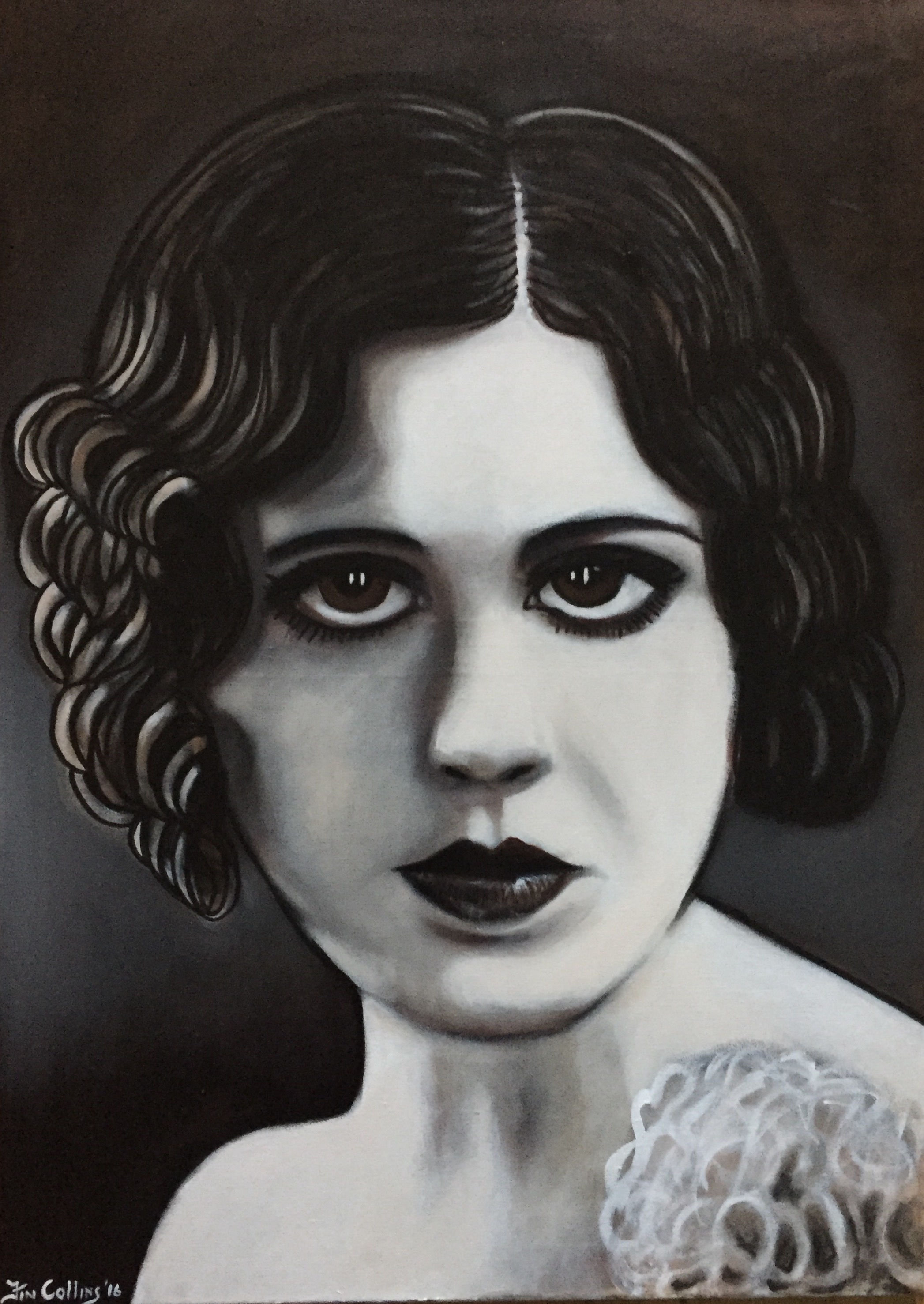
Lamented ~ A Short Story by Allen Kopp

Lamented image 5

Lamented
~ A Short Story by Allen Kopp ~

(This is a repost. It has been published in The Literary Hatchet.)

A child’s life in school is a continuous round of simple commands: stand up, sit down, go out, come in, open the book, close the book, stop talking, start reading, don’t run, spell the word, solve the problem, go to recess, come in from recess, go to lunch, come back from lunch, don’t cheat on quizzes, write legibly, don’t stand up in the swing, don’t wear your hat in the house, don’t tell lies, don’t spread disease germs, use the bathroom when you’re supposed to and don’t wet your pants.

Recess was over and all the children came back into the room quietly and took their seats. Looking out over the ten-year-old faces, Miss Snow saw that one piece of the mosaic was missing. On the outer row of desks, next to the wall, third seat from the front, the space ordinarily occupied by Ella Ruffin was without a face and without a body.

“Does anybody know where Ella Ruffin is?” Miss Snow asked.

No answer.

“Did anybody see Ella?”

“She was sitting out on the playground when the bell rang,” Kay Hood said.

“Why was she doing that?”

“I don’t know, Miss Snow.”

“All right, everybody open your social studies books to page thirty-eight and begin reading the chapter on Peru. I’m going outside for a minute and see if anything has happened to Ella.”

She was sitting all alone at the corner of the playground, a tiny, frail child in a vast expanse of asphalt.

“Didn’t you hear the bell?” Miss Snow said.

“I heard it,” Ella said.

“What’s the matter? You’re not sick, are you?”

“No, I’m not sick.”

“Well, come back inside, then. We’re just starting social studies.”

“I can’t get up,” Ella said.

“Why not? Are you hurt?”

“No, I’m not hurt. It’s worse than that.”

“Ella, I haven’t got all day! What is the matter with you?”

“I wet my pants.”

“Oh, Ella! Why didn’t you go to the restroom when everybody else went?”

“I didn’t have to go then.”

“Do you want me to bring you some paper towels?”

“No.”

“You can’t sit there all day. Come on inside and we’ll get you cleaned up.”

“I’m not getting up.”

“Why not?”

“After I peed in my pants, I did the other. You know. I pooted in my pants. It was an accident. I sneezed and it just happened.”

“You go on home, then, and get yourself cleaned up. You’re excused for the rest of the day.”

“I can’t go home. There’s nobody there. The door’s locked and I don’t have a key.”

“Do you want me to call your mother?”

“She’s in Atlantic City.”

“What about your father?”

“He’s been drunk for three days.”

“Don’t you have an older sister?”

“She’s in the hospital with vaginal bleeding.”

“I’ll go get the school nurse and she’ll bring a big towel to tie around your waist and she’ll take you back to her office and get you cleaned up.”

“No, I’m not getting up. I’m too embarrassed.”

“Ella, there’s no reason to be embarrassed. It was an accident. Everybody has accidents.”

“How many people have you known of that’ve peed in their pants at school and then pooted on top of it?”

“All right. We all have embarrassing moments. We’ll get it straightened out.”

“People will laugh at me when they see what I did.”

“No, they won’t. Nobody will even know.”

“They already know. They were talking about it.”

“Who was?”

“Certain people.”

“You can’t sit there. It’s going to rain. Just look at the sky. If you can’t go home now, you’re going to have to come inside. Come on in now and we’ll get you cleaned up.”

“I think I’d just rather sit here for a while.”

“Ella, I’m responsible for you and I can’t just let you sit out here by yourself during school hours.”

“I’ll be all right. When school’s over, I’ll go home just like I always do. If you would be so kind as to have somebody bring me my coat, that’s all I ask. It’s yellow. It’s hanging in the cloak room next to the fire extinguisher.”

“Well, all right. I guess I can do that. But if it starts to rain, you come back inside, do you hear?”

“Yes, ma’am.”

“If nothing else, go to the girls’ restroom on the first floor and wait it out. Nobody will see you.”

“I will.”

Miss Snow went back upstairs to her classroom and put Ella Ruffin out of her mind for the time being. In a half-hour or so, the sky turned dark and the wind blew briskly from the southwest. The rain began lightly at first and then came down in torrents. The windows had to be closed and the lights turned on.

When Miss Snow’s eyes were once again drawn to Ella Ruffin’s empty desk, she remembered something she was supposed to do. What was it? Oh, yes. She was going to have somebody take Ella’s coat down to her, the yellow one hanging in the cloak room next to the fire extinguisher, but she somehow forgot. Poor Ella. A little girl outside in a rainstorm without a coat. She’d probably end up with a terrible cold, at the very least.

A lightning strike that shook the building to its foundations caused the lights to go out. Miss Snow knew that nobody was going to learn anything as long as the storm kept up, so she told everybody they could close their books and sit quiet as mice and not make any kind of disturbance. A few of the children were nervous and worried about the storm, but most of them were excited and couldn’t sit still. They hoped that school would be called off for the rest of the day and they would be released into the wild like a bunch of captive birds.

The children jabbered among themselves and Miss Snow let them do as they pleased as long as they didn’t make too much noise. The other fourth grade class across the hall was not making a sound; likewise the fifth grade classes down the hall.

Miss Snow stood up from her desk and went to the window, hoping to see some sign that the storm was dissipating, but there was no indication at all that their old school building and everybody in it was going to be saved from annihilation by lightning and thunder. From her third-floor perch, she could see the playground, but not clearly.

Water had collected at one side of the gently sloping playground, as it always did during a heavy rain. Gravity forced the water into a trough where it ran off into storm drains.

She was going to turn away from the window and go back to her desk when she saw something that arrested her attention. In the rushing water that had collected and was running off, she thought she saw a small, shabby, blonde girl in a plaid dress, face down, arms out, being carried along in the torrent. She couldn’t be sure of what she saw and when she strained to get a better view she decided that what she had seen was a clump of old newspaper.

When the rain let up a little and the sky became lighter, the lights still hadn’t come back on, so the principal, Mr. Murtaugh, sent word to all the classes that school was suspended for the day and everybody could go home or could go to the devil if that’s what they wanted.

Miss Snow dismissed her class and they left, eagerly, in a happy, holiday mood. She herself was relieved that another day was over, another week, and for two days and nights she wouldn’t have to give school a single thought.

In the night she woke up thinking about poor little Ella Ruffin. She hoped she had made her way home in the storm and hadn’t caught a cold. She probably should have insisted that Ella come inside, not matter how embarrassed she was. And maybe she should have called for help when she thought (or imagined) that she saw Ella’s body floating in the runoff water during the storm, but she didn’t, and in those situations it’s best not to think about it anymore. She was sure it all worked out for the best.

Monday morning was a new day. The sun was shining and the air cool and fresh. As teachers and students alike arrived at school, they all heard the sad news.

Ella Ruffin had been found dead in the river, several miles away from the school. Nobody knew how she came to be there. Police were not ruling out the possibility that she had been abducted by a madman, sexually molested and killed, and her body dumped into the river.

The police came to the school and asked Miss Snow a myriad of questions. Did the little girl leave school before she was supposed to? What was she wearing? Did Miss Snow notice anybody suspicious-looking near the school that day? What kind of family did the little girl have?

Miss Snow told them all she knew. Ella lived outside of town on a farm, or what used to be a farm. The family was poor and there were many children, who often came to school dirty and poorly clothed. Ella usually kept to herself and didn’t mix much with the other children. She wore ragged clothes and always seemed sad and underfed. You couldn’t look at her without feeling sorry.

When all their questions had been satisfied, the police left and Miss Snow took a deep breath and hoped she wouldn’t have to speak to them again. The whole thing was too distasteful to even talk about.

The class took up a collection for a floral tribute for Ella. The entire fourth grade class attended the funeral, including Miss Snow. Ella wore a white dress with a white ribbon in her hair and a spray of white flowers in her hands. Since the family was without funds, an anonymous benefactor from town paid all expenses.

On a certain day a few days later, Miss Snow arrived at school early, before anybody else was there. She had some work to do that she wanted to get done before her students arrived.

She turned on the lights and opened some of the windows to air out the room and then she sat down at her desk and started working. A slight stir in the room caused her to look up and when she did she saw Ella Ruffin sitting at her usual desk on the outside aisle, third row from the front.

The apparition seemed so real that she spoke to it.

“Ella,” she said, “what are you doing there?”

But, of course, there was no answer. Ella just kept working, kept writing, and Miss Snow knew from the way she looked that she wasn’t really there, or, anyway, not in any physical sense. She wore the white dress and the white ribbon in her hair. She was altogether clean, something she had never been in life, and, not only clean, but glowing with a kind of radiance.

“Ella, how are you?” Miss Snow spoke again. “I was very worried about you.”

Ella did not look up or acknowledge Miss Snow in any way. She continued to write and in a little while she became dim and disappeared as if she had never been there at all.

When Miss Snow’s students arrived, she had everybody pitch in and clean out Ella’s desk, throw away any old papers, and turn in her textbooks. Then they took some cleanser and wet paper towels and gave the desk and its seat a good cleaning from top to bottom. When they were finished the desk gleamed. She then pushed it out into the hallway for the janitor to pick up and put in the storeroom for when a spare desk was needed.

The next time Miss Snow saw Ella, she was floating up near the ceiling, as if floating was the most natural thing in the world for her to do. She floated on her stomach and when Miss Snow became aware that she was there, she turned over and floated on her back and made her way out of the room that way.

Finally Miss Snow believed that Ella was taunting her in a way and she wanted it to stop. One afternoon after everybody had gone home and Miss Snow was still at her desk, she looked up and there saw Ella standing a few feet away looking at her.

“Did you want something, Ella?” she asked. “Can I do something for you? I think you need to go on to wherever you’re supposed to be and not hang around here anymore. It’s not healthy for you or for me.”

Ella made no reply.

“I’m sorry for what happened to you,” Miss Snow said, “but, really, considering the circumstances of your miserable life, don’t you think you’re better off where you are now? I know it’s not your fault, but your mother and father ought to be ashamed of themselves for having more children than they could reasonably take care of.”

Still no reply.

“I’m going to go home now, Ella, and I want you to know that this is the last time we’ll be seeing each other. I won’t see you again, Ella. Do you understand what I’m saying? You’re going to have to quit haunting me or whatever it is you’re doing because it’s not helping either of us.”

Ella smiled blandly and faded into the air, as if she had never been there at all.

It was Thursday before Easter. School was closed for Good Friday, so Miss Snow was going out of town for a couple of days, up to the small town where her parents and her retarded sister lived. She went home and packed her suitcase and collected her mail and set out in her car, glad for the chance to get away for a while.

After she had driven for an hour or so, it began to rain; a light rain at first and then a pounding, punishing rain. She turned on her wipers and headlights and cringed when the lightning ripped the sky. She turned on the radio and found some soothing jazz music to calm her nerves.

It was an old country road, curvy and hilly. She had to watch every second because it was fully dark now and the road was unpredictable: a hilltop curve followed by a precipitous drop as if you were skating off the side of a mountain, followed by a curve in the other direction and then a climb up a steep hill with woods on both sides.

Once when the lightning flashed, Miss Snow realized she wasn’t alone in the car. In the passenger seat beside her was Ella Ruffin. When Miss Snow became aware of her presence, she realized that Ella had her head turned slightly and was listening to the music on the radio.

“Don’t you like this music, Ella?” Miss Snow said. “Do you want me to find another station?”

While she was turning the knob on the radio, she came to a low place in the road where water was flowing across. It was so dark she couldn’t so how far the water went and she had no way of knowing how deep it was, but she was tired and impatient and couldn’t stand the thought of anything holding her up. She drove into the water, hoping against hope that it wasn’t too deep to drive through, and when she had driven a hundred feet or so, the water drowned out the engine. She tried to restart it, but it showed no signs of life.

“What do I do now, Ella?” she said.

But when she turned to her right in the dark she saw that Ella was no longer there.

Believing she had no other choice, she opened the car door and when she did the cold water rushed in and covered her feet. Shivering, she stepped out into water up to her knees. When she was leaning back into the car to get her purse and some papers, a wall of water she never saw came out of the darkness and overtook her and knocked her down. She struggled the best she could, flailing arms and legs, but the water carried her away and she was dead in a matter of minutes. Her body was found three days later a couple of miles away, bloated and unrecognizable.

Miss Snow’s fourth grade class took up a collection to buy her a floral tribute to go alongside her closed casket. The entire fourth grade class attended her funeral, accompanied by their newly hired teacher, a fat woman named Mrs. Ruby Valentine, who was nothing like—looked nothing like—the late and lamented Miss Snow.

Copyright © 2026 by Allen Kopp

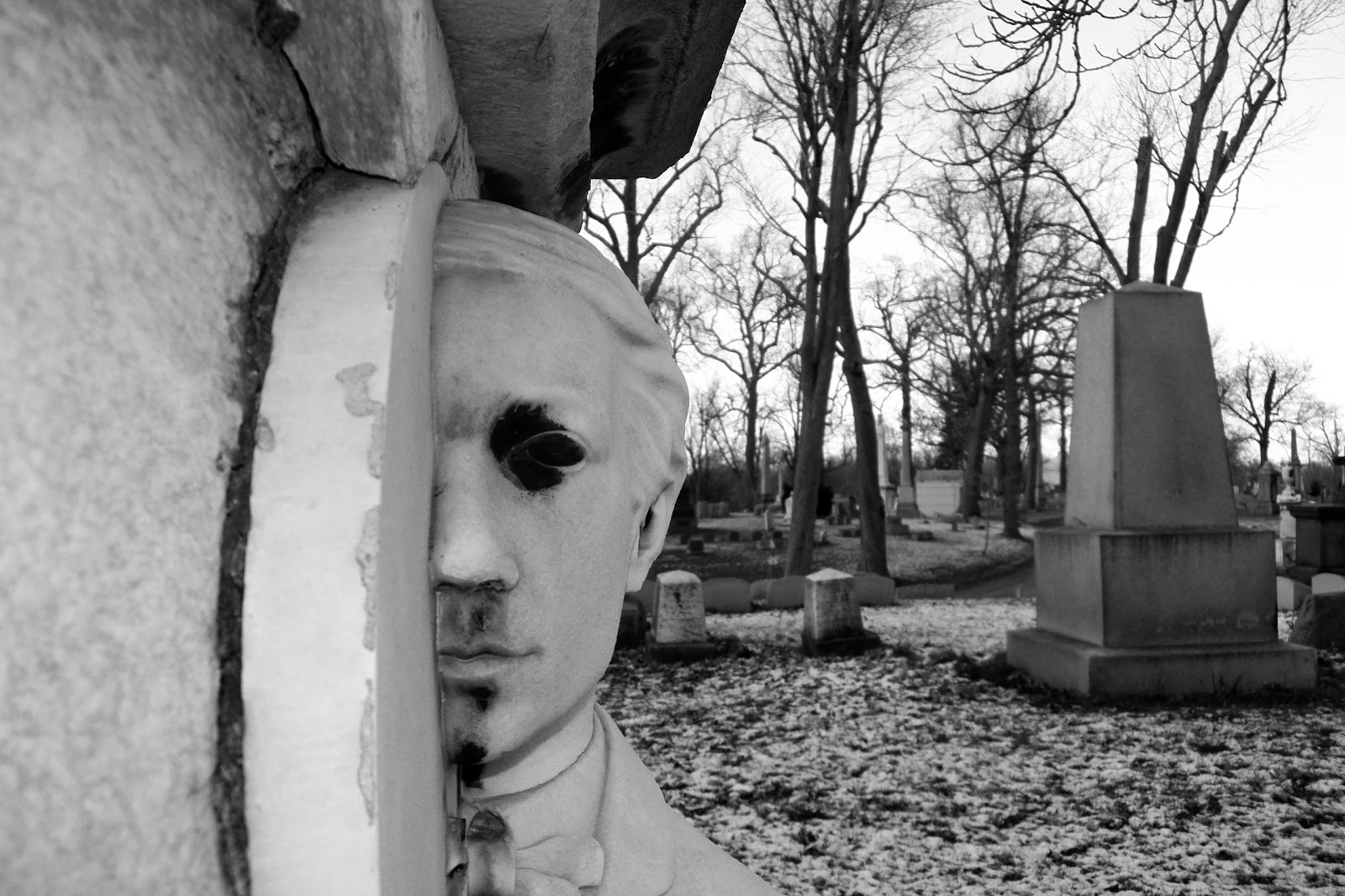
His Butterfly ~ A Short Story by Allen Kopp

His Butterfly image

His Butterfly
~ A Short Story by Allen Kopp ~

This is a reprint. It has been published in The Literary Hatchet.)

Lieutenant Benjamin Franklin Pinkerton of the United States Navy had seen the world and known many woman. In 1902, while stationed in Nagasaki, Japan, he took unto himself a Japanese wife. She went by the name of Butterfly and she was young, innocent, untried and untested. Any objective observer might have said the marriage between Lieutenant Pinkerton and his Butterfly was a misalliance and doomed to failure.

Butterfly believed that Lieutenant Pinkerton would take her back to America with him—what American husband wouldn’t?—and she would be happy for the rest of her days. Happy knowing she was the perfect wife for her perfect American husband.

Forward-looking—and impelled by her desire to be a good American wife—Butterfly abandoned the religion of her Nipponese ancestors and converted to Christianity. Her family, never too keen on her marriage to an American in the first place, disowned and abandoned her. She believed, however, that her all-consuming love for Lieutenant Pinkerton would see her though any of life’s tribulations.

Lieutenant Pinkerton rented a pretty little house with sliding doors on a hillside in Nagasaki. He and Butterfly were blissfully happy for a few days, but then he was called away again. Such is the life of the navy man. Not to worry, though. He would be back and get his Butterfly and take her back to America with him and all would be well.

Butterfly waited. Days became weeks and weeks months. Every day she went to the top of the hill overlooking Nagasaki harbor and watched for signs of the return of Lieutenant Pinkerton’s ship, the U.S.S. Abraham Lincoln. Every day she returned to the little house with the sliding doors with a lump of disappointment in her throat, but with the belief and the hope that the next day would be the day of his glorious return.

Suzuki, Butterfly’s faithful servant, wanted to write to Lieutenant Pinkerton, wherever he was, and tell him he had a son, but Butterfly wouldn’t let her; she would tell him herself, whenever the time was right, and that would be upon his return to Nagasaki. (The boy, conceived on the wedding night, was called Sorrow. When his papa returned to claim him, he would be called Joy.)

Three years passed and still the U.S.S. Abraham Lincoln did not reappear in Nagasaki harbor. Butterfly could not help feeling sad at times, especially when the sun began to go down and she must face another long night alone, but she had much in life to make her happy—not the least of which was her son—and she was never without hope.

A wealthy man of Butterfly’s own race, having heard the talk of her erstwhile American husband, proposed marriage to her, but she turned him down. She already had a husband, she said, and she didn’t want another.

And then the day came, as Butterfly knew it would!

The American consul sent word that Lieutenant Pinkerton was back in Nagasaki! Her joy knew no limits. When she thought about the moment when she would lay eyes on him again, she felt that she would not be able to continue breathing. Her chest would not contain her wildly beating heart. She would die of happiness.

With Suzuki’s help and the help of her tiny son, Butterfly gathered flowers to adorn the house. The three of them put flowers everywhere, making the indoors seem like an extension of the garden.

Finally, after these hurried preparations, the moment arrived. Pinkerton was on his way up the hill. When she saw him far away out the window, she drew in her breath and covered her mouth with her hand. She asked the Christian God to give her strength.

When the knock came, Suzuki opened the door. There stood Lieutenant Pinkerton, much the same as the last time she saw him, his face a little thinner and graying at the temples.

He took a few steps inside the door, smiling and uncertain. Butterfly wanted to run to him, but that was not the way of her people. As she watched him remove his hat and walk nearer, her face clouded when she saw he was not alone. Coming through the door behind him was a stylish American lady in a beautiful white dress. In about three beats of her heart, Butterfly understood all.

“Everything looks lovely,” Lieutenant Pinkerton said, seeing the flowers. “This is the most beautiful place on earth.”

He was going to take Butterfly’s hands in his, but she bowed in front of him.

“I am honored,” she said.

“I want you to meet someone,” Lieutenant Pinkerton said. “This is Laura. My wife.”

The stylish American lady in the white dress stepped forward smiling. “How do you do?” she said. “I’m so happy to meet you!”

“I am honored,” Butterfly said, bowing again.

“I hope you have been well,” Lieutenant Pinkerton said formally.

“Yes. Well,” Butterfly said.

“I wasn’t sure if you would remember me after all this time.”

Butterfly turned away and Suzuki helped her out of the room.

When Suzuki came back a few minutes later, alone, Lieutenant Pinkerton was waiting.

“Butterfly asks to be excused at this time,” Suzuki said. “She extends every apology.”

“I’ve come for the child,” Lieutenant Pinkerton said.

“Child?”

“Yes, my son. I mean to take him back to America and give him the upbringing he deserves.”

“You don’t think he belongs with his mother?”

“He will have a mother. My wife.”

“Butterfly begs your forgiveness. She asks that you return tomorrow at this time, when she will be better able to converse with you.”

“Well, all right,” Lieutenant Pinkerton said. “I guess I can do that. But tell her I won’t tolerate any monkey business of any kind from her or any of her family. I’ll come back tomorrow at the same time to collect the child. Tell her to say her goodbyes and have his suitcase all packed. I won’t brook any further delay.”

After Lieutenant Pinkerton left, Suzuki went to the room at the back of the house where Butterfly was. She was standing at the window looking out at the trees.

“Japanese wife is a not real wife for American husband,” Butterfly said.

“He will come back tomorrow at the same time to take the boy,” Suzuki said.

“He will not take my son from me.”

“What will you do?”

“I know I can’t beat him in a court of law, so I will beat him another way.”

“What way?”

“After we dine, you will take the boy into the hills to the home of your mother and father. Don’t tell anybody where you are going. Stay there until I send word that it is safe to come back.”

“My family will be happy for me to pay visit with delightful boy,” Suzuki said.

During the unhurried meal that they took on the terrace, Butterfly informed the boy that he was going away for a few days to the country with Suzuki.

“Aren’t you coming, too?” he asked.

“Not this time,” Butterfly said. “I have to stay home and tend the flowers.”

“After we get to the river, we’ll take the boat the rest of the way,” Suzuki said. “You’ll like the boat.”

Suzuki put the things she would need and the things the boy would need into a bag, changed her shoes, and she was ready to go. Butterfly walked to the road with them, carrying the boy. At the point of departure, Butterfly handed him over to Suzuki.

Goodbye, goodbye, goodbye!” Butterfly said. She kissed the boy on his forehead and on each cheek and he began to cry.

“Soon you will be back home again,” she said. “You will not be lonely.”

“Don’t worry about us,” Suzuki said. “There is a full moon tonight and we have friends all along the way.”

When Lieutenant Pinkerton returned the next day with his American wife and the American consul, Sharpless, Butterfly greeted them graciously, as she would any old friend. She served them tea and poppyseed cakes and asked them questions about America and about their sea voyage. After an hour or so of small talk, Lieutenant Pinkerton, who had been squirming impatiently the whole time, asked where his son was.

Butterfly looked at him and smiled her sweet smile. “He is not here,” she said.

Not here?” Lieutenant Pinkerton said.  “Didn’t you hear what I said yesterday? I mean to take the boy with me and our boat leaves at four o’clock.”

“He is not here,” Butterfly said.

“Where is he?”

“He is not here and the time of his return has not been decided.”

Lieutenant Pinkerton stood up abruptly and glared at Butterfly. “I don’t know what you are playing at here, but whatever it is it’s not going to work. If you think you can defy me, you will feel the full force of American jurisprudence.”

“Have another cup of tea,” Butterfly said.

Lieutenant Pinkerton was not accustomed to having his desires thwarted, as Butterfly well knew. He would threaten or intimidate as he saw fit. She would stand against him like a small boat in a big storm. The Christian God stood beside her.

“If you stand in the way of my taking my son with me today,” he said. “I want you to know I will be back with a team of American lawyers trained in Japanese law. We Americans are very determined in all things.”

“I hope you have a most safe and pleasant journey back to America. I will tell my son upon his return that his father paid us a visit and inquired after his health.”

Sharpless and Lieutenant Pinkerton’s wife gave Butterfly sympathetic smiles. The wife approached Butterfly and wanted to shake her hand but Butterfly retreated to the far side of the room with downcast eyes.

Butterfly expected more raging from Lieutenant Pinkerton that day or the next, but she heard nothing. When she went to the top of the hill overlooking Nagasaki harbor, she was relieved to see the American ship had departed.

Suzuki and the boy returned home after four days in the country and it was a most joyous reunion. The boy had many stories to relate to his mother about boats on the river and about the farm animals he had seen.

He grew up to be a decent young man with the beauty of two races. Butterfly gave him the name Benjamin Pink, so he would never forget his American father. He got a job at the American hospital as an orderly and hoped to train as a doctor’s assistant. He married a comely Nagasaki girl and within five years they had three children, two boys and a girl. No matter how large the family became, he would always insist that Butterfly live with them. He couldn’t envision them ever living apart.

Butterfly heard many years later that Lieutenant Pinkerton was dead. She wrote his American wife, whose kind face she remembered, a letter of condolence. A month later she received a reply, telling her that Lieutenant Pinkerton had never stopped thinking about his little Japanese Butterfly and the little son he never laid eyes on. He hoped they might all of them meet together in heaven one day so he could beg their forgiveness.

After reading the letter, Butterfly wiped away her tears, the last she would ever shed for Lieutenant Pinkerton, and put the letter in a drawer where it wouldn’t be disturbed. Someday, when the time was right, she would get the letter out again and, as they all sat around the table, she would tell them what a fine American man he was and how lucky she was to have known him.

Copyright © 2026 by Allen Kopp

June the Tenth (Not a Cloud in the Sky) ~ A Short Story by Allen Kopp

The Day Belongs to the Rain image 6

June the Tenth (Not a Cloud in the Sky)
~ A Short Story by Allen Kopp ~

(This is a repost. It has been published in The Literary Hatchet.)

Mother was sitting at the kitchen table working on her deviled eggs, nails red against the white of the eggs. Lex walked past her on his way to the sink to get a drink of water but she didn’t look up. He drank half a glass full and turned to face her.

“I don’t want to go on the picnic,” he said.

She laid down her knife and took a drag on her menthol cigarette. “Why not?”

“I’ve got a stomach ache.”

“What you need is a good bowel movement.”

“No, I don’t,” he said. “What I need is to stay home from the picnic.”

“By yourself?”

“I don’t mind.”

“I do mind,” she said.

“But why?” he whined, hating whining but not being able to help himself.

“Don’t you want to see your great-grandma turn ninety?”

“She can turn ninety without me.”

“No, you can’t stay home. I want you at the picnic with the rest of us like a normal person.”

“What difference does it make if I’m there or not?”

“Because it’s a family gathering and you’re a part of the family. If you’re not with us, everybody will wonder where you are.”

“Can’t you just tell them I’m sick?”

“Now, Lex,” she said, pointing the knife at him, “this discussion is at an end. You are thirteen years old and that’s old enough to understand the importance of attending family gatherings, especially since some in the family are getting older and won’t be around forever.”

“Oh, I hate family gatherings.”

“Now, I don’t want to hear any more complaining. Go get your swim trunks and wrap them in that big towel with the fish on it and brush your teeth and get ready to go in about fifteen minutes. As soon as I can finish these stupid eggs.”

“I don’t need to take my swim trunks,” he said. “I’m not going in swimming.”

“Why not?”

“I said I have a stomach ache. You’re not supposed to go in swimming with a stomach ache. You can drown.”

“That’s silly,” she said. “Nobody’s going to drown. And, anyway, your cousins will be disappointed if you don’t go in swimming with them.”

“No, they won’t. They don’t care about me.”

“Why are you being so negative today?”

“Because I’m sick and I don’t want to go on any stupid picnic.”

“It’ll be fun. You’ll enjoy it.”

“No, I won’t.”

“When you get with your cousins, you’ll feel much better and you’ll want to race them to see who gets to the pool first.”

“Nobody does that, mother.”

Mother sat on the front seat next to father, the Tupperware container of deviled eggs on her lap. While driving, father smoked one Chesterfield after another, searching for the ballgame on the radio and not being able to find it.

“What in the hell did they do with it?” he said, turning red in the face.

“I wanted you to wear the blue plaid shirt today,” mother said. “I laid it out on the bed for you.”

“What difference does it make what I wear?”

“I just want you to look nice, is all.”

“For your family? Why would I want to look nice for them? I’d rather have Chinese water torture than to spend the day with your family!”

“It won’t kill you to be nice.”

“It might. And why does everything have to be ‘nice’ all the time? I think it might be ‘nice’ for you to try to expand your vocabulary a little.”

“You don’t need to trouble yourself about my vocabulary.”

Lex sat in the back seat with Birdie and tried not to look at her. She was already wearing her swimsuit. It was yellow with big pads in front to hold up her nonexistent breasts. She looked like a stick-thin child in a lady’s swimsuit.

“You look so silly,” Lex said.

“Not any sillier than you do, you big baby!” Birdie said.

“Mother, did you know she’s wearing lipstick?”

“Hey!” father said, turning around to look at Birdie. “You’re fifteen years old! Who do you think you are? Jane Russell?”

“I thought a little bit of lipstick wouldn’t hurt,” mother said. “She’s so pale.”

“Well, she can stay pale! She’s not wearing any makeup until she’s considerably older.”

“It’ll come right off in the pool, anyway,” Birdie said.

“When people see you in that hideous bathing suit and with lipstick,” Lex said, “they’ll laugh themselves silly. Who do you think you are? Jane Russell?”

“Oh, shut up!” Birdie said. “You make me sick!”

A traffic jam slowed them down for about ten minutes, but when they got to the park they found the place easily enough where mother’s family was gathered. Father parked the car and turned off the engine.

“Let’s see if we can all get along today without any complaining or negative emotions,” mother said.

“That would be nice!” father said.

Father, mother, Lex and Birdie all got out of the car and greeted the family with kisses, handshakes, and clichéd greetings. Mother handed the deviled eggs to aunt Vivian, who always took charge of the food. Somebody gave father a beer and he sat on a camp stool ten feet away from everybody else and lit a cigarette.

“Did you have trouble getting here?” mother’s sister, Peggy, asked her.

“No,” mother said. “Why would we?”

“Everybody was here before you were.”

“How’s my favorite grandma?” mother screamed, brushing past Peggy.

Grandma Pearl was the guest of honor. It was her ninetieth birthday and she was the center of attention. She had her hair done the day before and had slept sitting up all night to keep from mashing down her cotton-candy curls. She was dressed in a new lavender pantsuit and slippers to match.

“I’d never believe she’s ninety years old,” uncle Mervyn said. “She don’t look a day over eighty-nine!”

Everybody laughed except grandma. She didn’t understand the joke at all and wasn’t sure she hadn’t been insulted.

“Pooh to you!” she said.

“He was just kidding you, grandma,” aunt Vivian said.

“We need to get this nonsense wrapped up and get back indoors,” grandma said. “It’s going to rain.”

“But there’s not a cloud in the sky, honey!”

“Well, the rain is coming, just over there, and I don’t want to get caught in it. It’s going to be a bad one.”

“Just relax and try to enjoy yourself and don’t worry about a thing.”

“I want some hot coffee!”

“We didn’t bring any coffee, honey. It’s too hot for coffee. How about some iced tea or some lemonade?”

“No, I want coffee!”

“One of us is going to have to go find some coffee and bring it to her,” aunt Vivian said.

“No!” aunt Linda said. “She’ll be as tyrannical as you allow her to be. Just give her some iced tea and tell her it’s coffee.”

“You all are going to try to kill me afterwards,” grandma said. “I know you are.”

“Sounds like grandma’s havin’ a good time,” uncle Lyle said.

The uncles focused their attention on Lex. He knew it was coming and dreaded it.

“How has the world been a-treatin’ you?” uncle Herm asked.

“All right,” Lex said.

“What are you a-gonna be when you grow up?”

“I don’t know. A circus clown, I guess.”

“Have you got a girlfriend?” uncle Mervyn asked.

“No.”

“Why not? You’re comin’ up to that age.”

“I stay away from them and they stay away from me.”

“Aw, you’ll change your mind, boy, after a couple years of puba-tery!Haw-haw-haw!

“What grade are you in now?” uncle Lyle asked.

“Eighth.”

“What sports are you going out for?”

“None.”

None? Why the hell not?”

“I don’t feel like it.”

“All the boys in our family are good at sports. Just look at your cousin Virgil there! He’s on the track team and the basketball team. I think he’s even going to try out for the swim team.”

Lex looked over at Virgil to be polite. Virgil smirked back at him in a superior way. Virgil’s younger brother Vernon whispered something in Virgil’s ear and they both laughed.

“I think you should seriously consider going out for some sport,” uncle Lyle said. “It just don’t seem normal otherwise.”

“Other things are more important to him,” mother said.

“Like what?”

“Raising his grade-point average so he can get into a good college.”

“Oh, one of those! A college man who can look down on all the rest of us!”

Everybody laughed and Lex wished he had been able to vomit before he left home.

After the uncles were finished with Lex, they turned their attention to Birdie.

“How’s little Birdie girl?” uncle Herm asked.

“Fine.”

“When you gettin’ married?”

“After she finishes high school and college,” mother said.

“You got a boyfriend?” uncle Mervyn asked.

“Oh, no!” Birdie said. She giggled and blushed and her breast cups moved in the wind, showing there was nothing in them.

“Now that’s no way to be!” uncle Lyle said. “I’ll bet you’re a real heartbreaker!”

“There is one boy I kind of like, but he goes to Catholic school and he doesn’t even know I exist.”

“Uh-oh! A Catholic! You have to watch out for them Catholics!”

“I don’t see anything wrong with being a Catholic,” Birdie said, and the uncles laughed uproariously.

Grim-faced, Birdie stood up and went to join the girl cousins—Carline, Sharonda, Bertine and Maude—who were giggling and passing around a cigarette in a circle.

When it was time to eat, aunt Vivian and aunt Peggy sat on either side of grandma and after they filled up her plate with food, they began feeding her little bird bites. When they fed her too fast, she choked and turned red in the face.

“I can feed myself, damnit!” grandma said. “I’m not a helpless baby!”

“We don’t want you to spill anything on your beautiful new outfit,” aunt Peggy said.

“Oh, screw you!”

Father ate in silence, wincing when any of the uncles clapped him on the back or spoke to him.

“How’s work going, Theodore?” uncle Lyle asked him.

“Fine,” father said.

“How’s the fishin’ been for you this spring?”

“I never fish.”

“Read any good books lately?”

“Not that I care to discuss.”

He finished eating and pushed his plate away, lit a Chesterfield and stared off into the distance.

The girl cousins didn’t eat much because they were excited about going into the pool and believed they might die in the water if they overate. After a few bites, they each got up from the table, one at a time, and got into the back of uncle Herm’s roomy van and changed into their swimsuits, giggling all the time. When they were all changed, they stood around awkwardly, feeling exposed, not knowing what to do with themselves, their bone-white arms and legs on view for all to see. The boy cousins—Virgil, Vernon, Monte and Dickie—gaped at them and snickered. Vernon made howling sounds like a wolf baying at the moon, while pimply faced Dickie made pig snorts. Lex took one glance at them and looked away, finding the sight of them more than he could bear.

All the cousins were ready to go to the pool, but aunt Vivian wouldn’t let anybody go until after grandma’s cake had been cut. She brought the cake forward from the trunk of her car where she had been keeping it to keep the bugs off and set it on the table in front of grandma. There were nine candles, one for every decade of grandma’s life, but aunt Vivian was afraid to light them because the wind had suddenly become gusty and she was afraid that grandma might catch her hair on fire.

Uncle Herm went and got his camera. The four granddaughters stood beside grandma’s chair, two on each side, with grandma looking down at the blue-and-white cake with a look on her face that could only be described as one of horror.

After the picture was taken, aunt Vivian sliced the cake, putting the pieces on paper plates with a plastic fork on each plate. Vernon picked up a piece in his hand and stuffed it all into his mouth at once, causing the other boy cousins to do the same.

The girl cousins declined any cake. They had eaten too much already and were afraid of looking fat in their swimsuits. Aunt Vivian gave them all the go-ahead and they were all off to the pool.

Lex sat at the table, eating his cake methodically, watching the trees blowing, wishing he was at home by himself.

“Aren’t you going swimming with the other kids?” aunt Linda asked, giving him her fish-eyed stare.

“I didn’t bring my swim trunks,” he said.

“Oh, yes, you did!” mother said. “They’re in the car. Don’t you remember?”

“You’d better hurry up and catch up with the other kids,” aunt Linda said. “Kids love the pool.”

“Not all do,” Lex said, but aunt Linda didn’t hear him because a car was passing by and she was looking to see if the people in it were noticing her.

The wind picked up and the paper plates and napkins left on the table began to scatter. Mother and the aunts had to scramble to keep everything from blowing away. The uncles sat and laughed at them and drank their beer and smoked their cigarettes.

“It started out such a beautiful day and now it’s going to rain and spoil grandma’s birthday party,” mother said.

“I don’t mind!” grandma said. “You can take me back home any time!”

Dark clouds rolled in, blotting out the sun, with faraway flashes of lightning. The rain started light like fairy kisses but gradually grew in intensity.

“Not a good time for the kids to be in the pool,” aunt Vivian said.

Watching the sky, Lex smiled. He loved a good thunderstorm, the present one especially, because it reinforced his belief that the picnic was a bad idea in the first place. He was glad the day was spoiled. Even grandma was glad and the whole thing had been for her.

When the rain became a drenching downpour and the lightning became closer with every strike, aunt Vivian, with the help of uncle Herm, got grandma into the back of the van. She screamed with every lightning strike and pretended to be so scared, but Lex knew her and he knew she was enjoying every minute of it. She’d have something to tell her friends—her dramatic escape from a terrifying storm.

With grandma safely in the van, everybody else got into their cars to wait it out. With any luck, they said, it would only be five minutes or so.

“Do you think they’re safe in the pool?” mother asked.

“They’ll be all right,” father said.

“Lex, go get your sister and tell her we want to leave,” mother said.

“No! Do you think I want to get struck by lightning?”

Three lightning strikes in quick succession caused mother to yelp and duck.

“I’m going to get Birdie at the pool!” she said. “Lex, you come with me!”

She took Lex by the hand and they ran toward the pool. In a matter of seconds, they were drenched through to their skin. The rain now was an opaque curtain.

When they were close enough to the pool to see it, they saw people running toward them. Out of the crowd emerged Birdie. When she saw mother, she ran to her, sobbing and gasping.

“What’s the matter?” mother asked. “Are you all right?”

“Oh, mother, it’s awful!” Birdie said.

“What is it? Are you hurt?”

“Sharonda was struck by the lightning. I think she’s dead.”

Mother and Lex got Birdie back to the car. When father saw them coming, he jumped out and opened the door. Mother pushed Birdie into the back seat and got in behind her.

“Tell me what happened,” mother said, trying to wipe the water out of Birdie’s face.

“When the storm started,” Birdie said, “the lifeguards told everybody to get out of the pool, but a few stayed. They thought it was a lot of fun. Sharonda was one that stayed. There were about six others. She had just come up out of the water and was standing at the edge of the pool. I didn’t see the lightning that hit her but I saw the flash. After she was hit, she fell into the water. The lifeguard blew his whistle really loud to get everybody’s attention. A couple of boys got Sharonda out of the water and they started working over her, trying to resuscitate her, but I knew she wasn’t breathing. Somebody called an ambulance, but it hadn’t come yet. That’s when I left.”

“Do Lyle and Linda know?”

“I don’t think so. Nobody has told them yet.”

“I have to go tell them what’s happened.”

The ambulance came and loaded Sharonda into the back with hundreds of people standing in the rain watching. Uncle Lyle and aunt Linda followed behind in their own car to the hospital, where Sharonda, their only child, was pronounced dead.

On the way home, the rain continued unabated. Father drove with the headlights on, leaning forward, his face only a few inches from the windshield.

“This has been quite a storm!” he said. “The rivers are going to flood tonight.”

“Today of all days,” mother said. “Wouldn’t you just know it? On poor old grandma’s ninetieth birthday!”

“I knew somebody was going to die today,” Lex said. “Grandma knew it too.”

“Now we’ll have a funeral to go to,” mother said. “I hope you can still wear your blue suit.”

“No more family picnics for me,” father said.

Birdie sat on the seat beside Lex, sobbing quietly. It was going to take her a while to get over seeing Sharonda die. Lex would have felt sorry for her if she hadn’t looked so silly in her yellow lady’s swimsuit.

He turned away and put his fingertips on the window, the water only a scant fraction of an inch away—he could almost feel it. As the car moved slowly and cautiously through the deluge, it gave one the impression of traveling underwater in a tiny submarine. When the rain finally stopped, it was going to be a terrible disappointment.

Copyright 2026 by Allen Kopp

The Last of Reginald ~ A Short Story by Allen Kopp

The Last of Reginald image 2

The Last of Reginald
~ A Short Story by Allen Kopp ~

Wexler Deal had been dead a long time. Since he died while still a child, his spirit-self would always be a child. Despite his naivete, he had experienced all the spirit world had to offer. He had traveled all over the world. He had been at the forefront of memorable hauntings. He had had sterling friends both male and female. Now he was lonely. Now he wanted a home.

He went back to the city of his birth, thinking that was as good a place as any to look for a home, but nothing looked the same. The hospital where he was born had been torn down and an office building stood in its place. The cemetery where he was buried was overgrown and unkempt, with a new highway built uncomfortably close. In the neighborhood where he had lived before he died, all the houses had been torn down and a shopping center built in their place.

Nothing was the same. There were no streetcars anymore. The little shops along Main Street were all gone. He didn’t see any horses anywhere, but there were lots of trucks. There were also lots of annoying people and much noise. He didn’t like the modern world.

“Just how long have you been dead, anyway?” he asked himself.

He sat in the park on a bench, watching living people go by and thinking how he didn’t belong and how he should find someplace else to go. If he was looking for happiness, he wouldn’t find it here.

He was watching a swan glide toward an island in the center of the lake when two people crossed his field of vision, a woman and a boy. The woman, smartly dressed, had soft-looking hair the color of straw. She was leading the boy by the hand. They stopped at the water fountain. The boy felt the fountain with both hands. She turned it on for him while he drank.

Wexler watched them as long as they were in the park and when they left he followed them.

They went home to a two-story brick house with a spacious yard. Wexler was fascinated by the boy who had to feel the water fountain with hands before he took a drink. He was a smart-looking boy just about Wexler’s age. He would make a good brother. The woman would make a good mother. He was sure of it.

The next day, he went back just as the boy and the woman were emerging from the house. He let them go ahead of him and then followed them.

This time they went to the library. The woman sat at a table and pulled a chair close to her for the boy to sit on. She began looking at newspapers. Whenever she went to the rack to get another newspaper, the boy sat quietly with his hands folded across his stomach and lowered his head. He closed his eyes as though he were asleep.

Wexler sat on the other side of the boy. Of course, the boy didn’t see him and didn’t know he was there. This gave Wexler a chance to look closely at the boy. Wexler saw how far the boy’s eyelashes extended from his eyes. His hair was exactly the same color as Wexler’s and, in fact, they looked enough alike to be brothers. The only difference was that Wexler had been dead for decades, but when he died he was about the same age that the boy was now, so, for all intents and purposes, they were the same age.

When they left the library, they stopped on the way home at a restaurant to eat lunch. They sat at a red-upholstered booth and ate tuna-salad sandwiches and drank malteds. Wexler sat beside the boy and watched him eat, mimicking him and imagining what it would be like to take food into his mouth and swallow it. He hadn’t eaten in decades, but he remembered what it was like.

Soon they were back home again. Instead of turning ar0und and walking away when the woman and the boy went inside, Wexler slipped inside with them. The woman closed the door, blissfully unaware that Wexler was there. Being a spirit certainly has its advantages.

The boy went upstairs, while the woman went into the kitchen. Wexler was going to go along with the boy to get better acquainted with him, but instead he wanted to spend some time exploring the house.

It was a big house. The rooms were splendidly furnished and there were a lot of them. These people must certainly have a lot of money, thought Wexler. I wouldn’t mind living in a place like this.

In a little while the woman went into the front room and laid down on the couch. Wexler watched her as she took off her shoes and made herself comfortable. She didn’t have to fix dinner or do any other work, Wexler was soon to discover, because she had a black maid named Ethel to do everything.

When dinner was ready, Ethel brought the food in from the kitchen and put it on the dining room table. The woman rose from the couch, and the boy came down from upstairs. They sat across from each other at the table. The woman put the food on the boy’s plate, and then on her own, and they began eating. Wexler hovered over the table and watched them as they ate. Finally he sat down beside the boy and listened to their conversation.

“Did you straighten your room?” the woman asked.

“Yes.”

“Did you hang up your clothes and put your underwear in the wash?”

“Yes, I did.”

“You’re not helpless, you know.”

“I never said I was.”

“Do you like the roast beef?

“Sure.”

After dinner, the boy went to his room and read a book that was little dots on a page. The woman watched TV while Wexler continued to explore the house, including the basement and attic.

At bedtime, the woman and the boy said their good nights, and the boy went into his room and changed into his pajamas. After he got into bed and was settling down to sleep, Wexler sat in a chair beside the bed and whistled an old tune.

“Who’s there?” the boy asked.

Wexler continued to whistle.

“I know there’s somebody there.”

“Yes, I’m here.”

“How long have you been following me?”

“Just for a couple of days.”

“I knew it! I could feel it!”

“Just between you and me.”

“What?”

“Is that woman your mother?”

“Of course not. She’s my guardian.”

“What happened to your mother?”

“She abandoned me when I was a baby.”

“Why did she do that?”

“Because I was born blind.”

“That’s terrible!”

“As you can see, I get along all right. Now, you’d better tell me who you are and what you want.”

“If I told you my name, it wouldn’t mean anything.”

“Tell me anyway.”

“My name is Wexler Deal.”

“That’s a funny name.”

“What’s yours?”

“Reginald Flinders.”

“I’d shake your hand, but I don’t have a hand.”

“Why not? Have you been in a terrible accident?”

“No, I…That’s a story for another time.”

“Why ‘for another time’?”

“I don’t think you’re ready for the truth about me right now.”

“Why not?”

“Just take my word for it.”

“All right. Now, tell me what you’re doing in my house.”

“I’ve been looking for a brother. When I saw you in the park, I thought you might be him.”

“That sounds suspicious. I think I should tell Grace the whole thing.”

“Who’s Grace?”

“She’s my guardian. She’ll want to know what you’re doing here. She’ll call the police.”

“No need for that.”

“I want to know how you got in without Grace or the maid seeing you.”

Nobody sees me.”

“Why is that?”

“I’m not really there. Or here.”

“What are you talking about?”

“I’ve been dead for a long time. I’m a spirit.”

“Yeah, that’s a good one!”

“It’s the absolute truth. The reason Grace and the maid didn’t see me is because I’m not really there. Nobody sees me.”

“Uh-huh.”

“Do you believe me?”

“Of course I believe you.”

They talked for hours. They both realized how good it was to have somebody to talk to. Before the night was over, they both ended up asleep, side by side, in Reginald’s bed. In the morning they woke up and began talking again.

Reginald went to a school for the blind. In the morning some people came and picked him up and kept him at school all day, and in the afternoon they brought him back home again. When he wasn’t at school, he spent almost all his time with Wexler. They spoke on every subject imaginable. Reginald told him how he wondered about colors and what a cow looked like, or a chicken.

“One day you’ll see everything,” Wexler said.

“I don’t think so. I’ve always been this way.”

“I’d help you to see if I knew how.”

Another time, Reginald said, “Tell me what you look like. Describe yourself to me.”

“I don’t look like anything,” Wexler said. “I’m not here.”

“If you were here and I could see you, what would you look like?”

“When I had a body and a face, I looked just the way you look now.”

“I’ve never seen myself.”

“My hair is halfway between brown and blond. My nose is large but not too large.  My eyes are blue and very handsome. My mouth is in the usual place.”

Despite Wexler’s discomfort, he let Reginald “see” him with his hands: head, ears, eyes, forehead, nose, mouth, chin, neck. When he was finished, he put his arms down and said, “So, that’s what I look like!”

“We’re just like twins,” Wexler said with a laugh.

Time went by quickly. The weeks became months, and it was winter again. Still Wexler stayed by Reginald’s side, with Grace, the guardian, and Ethel, the maid, never knowing there was another person in the house.

Wexler began to think that helping Reginald see was the best thing he could do in the world. He wanted Reginald to see everything he himself had seen all over the world. Unforgettable things like an octopus, a tall mountain, a full moon, a tropical rain forest, a desert, a waterfall, a polar ice cap. The list goes on and on.

He knew a doctor, a man named Gottschalk, currently living in New York. Dr. Gottschalk was a ghoul, hundreds of years old. He wasn’t really alive but was kept alive by artificial means. Wexler had met him socially on several occasions and had sat in on some of his lectures at the University of Vienna.

Wexler flew to New York and called Dr. Gottschalk and made an appointment to see him later in the day. Dr. Gottschalk remembered Wexler fondly.

Dr. Gottschalk hadn’t changed a bit. He was still frightening-looking with his white skin, long face and big teeth, but he was receptive and, as always, willing to help.

“Reginald is my best friend,” Wexler said to Dr. Gottschalk. “He’s alive, not a spirit like me. The problem is he can’t see. He was born that way. I want him to see all the wonders in the world that I’ve seen. I want to show him these things, as a friend.”

“I think I have just the thing,” Dr. Gottschalk said.

He opened a drawer in his desk and took out a little bottle and handed it to Wexler.

“This should do the trick,” he said.

“What is it?” Wexler asked.

“If I told you, you wouldn’t know what I was talking about.”

“Okay.”

“Mix this in with a glass of water and have your little friend drink it before bedtime. Right before.”

“I’ll tell him.”

“In the morning, there’ll be a drastic change for the better.”

“Are you certain?”

“It’s never failed yet.”

Wexler tried to pay Dr. Gottschalk, but he wouldn’t accept any payment.

“I already have all the money in the world,” Dr. Gottschalk said. “I like helping my friends!”

“I can’t thank you enough!” Wexler said.

Wexler held onto the bottle for a few days. He didn’t want to administer it before the time was right. He waited until late Friday night. It was snowing out.

He waited until Reginald was snugly in bed. “I have something for you,” he said.

“What is it?”

“It’s something that will make you see.”

What is it?”

“I have a doctor friend. His name is Dr. Gottschalk. He’s a ghoul, but that doesn’t matter.”

“A ghoul? I like it already!”

“It’s a little bottle of liquid. I’ll mix it in some water and then you’ll drink it.”

“What are we waiting for?”

“It’ll make you see everything, but there’s just one bad thing.”

“What could be bad about seeing everything?”

“Your life as Reginald will end.”

“What are you saying?”

“You’ll die and you’ll be a spirit like me.”

“Oh.”

“No more guardians and no more school for the blind.”

“Will you stay with me? I mean, while I die?”

“Sure, I will.”

“Will it hurt?”

“I don’t think so, but if it does, it will only be for a minute.”

Wexler gave Reginald the chance to postpone the drinking of the liquid for a few days—or indefinitely—but Reginald wanted to go ahead with it. More than anything in the world, he wanted to see with his own eyes.

Wexler went into the bathroom and drew a glass of cold water from the faucet. He set the glass on the sink and carefully poured the bottle of amber liquid into the water. He stirred it with his finger then and held it up to get a better look.

When he took the bottle back into the bedroom, Reginald was sitting on the side of the bed, waiting. He took the glass out of Wexler’s hand.

“Are you scared?” Wexler asked.

“No.”

“Do you want me to get into bed with you?”

“If you want to.”

Reginald drank the amber liquid in the glass and when he was finished, he handed the glass back into Wexler’s hand.

“I guess this is it,” he said.

“Don’t worry about a thing,” Wexler said. “I’ll be here when you wake up.”

Copyright © 2026 by Allen Kopp

Brother ~ A Short Story by Allen Kopp

Brother

Brother
~ A Short Story by Allen Kopp ~ 

(This is a repost. It has been published in The Literary Hatchet.)

Patricia Crippen, age three, stood beside the bed and looked down at her three-week-old brother. He waved his arms and legs like a bug upside down on its back. He was all pink and already beautiful, with abundant blond hair and full, rosy cheeks. He made little gurgling sounds with his mouth; his eyes were roving but expressionless.

His name was Benjamin; they would call him Ben for short. Mother chose the name out of a book. Patricia hoped to be able to persuade mother to give him back to the hospital where he came from. What did they need him for? They had her, after all, and wasn’t that enough? She absolutely did not want or need a brother, or a sister for that matter, but it’s funny how nobody asked her.

She had seen people killing other people on TV. She didn’t exactly want to kill Ben or even hurt him, but she did want him to go away, to disappear, to no longer exist. Maybe they could find a family that would take him and pretend he belonged to them from the start. Nobody would ever know. It would be as if he had never happened. Everybody would be happy, including him.

But Ben didn’t go anywhere. He stayed and stayed. By his first birthday, he was walking and even running. He spoke in complete sentences. He sang songs and recited poems. He could change channels on the TV and bathe himself. He could get the cookies out of the upper kitchen cabinet without help from anybody. He put himself to bed at night and got himself up in the morning.

And he was blond-haired, blue-eyed perfection. His body and head were perfectly proportioned. People would stop mother in the grocery store and tell her, “That is the most beautiful boy I have ever seen.” “You can have him if you want him,” mother would say, and they’d all laugh.

When he started to school, he was teacher’s favorite. He was smart and bright and no trouble at all. He took to reading and writing almost faster than anybody else and when he was in second grade he was reading at fifth-grade level. At the end of third grade, the school recommended that he skip the fourth grade and go on to fifth. He was the school’s champion speller and got his picture in the paper. He started learning the trumpet and could sight-read almost any piece of music that was put in front of him. When it came to athletics, he could score more baskets, run faster and jump higher than anybody else. And, on top of everything else, people liked him. He was polite, considerate, humble, helpful, kind, the righter of wrongs. Even the most vicious bully in school was diminished in his presence.

You might say that everybody loved Ben except his sister Patricia. She didn’t hate him but she didn’t love him, either. More than anything else she was jealous of him. He was always the favored one, always the one people noticed and admired, while she was the little brown mouse over in the corner that nobody cared about or looked at, except maybe to throw a shoe at when it suited them.

And when the gifts of beauty and intelligence were being distributed, she clearly had been left far behind Ben. Her hair, no matter what beauty treatment was applied, always managed to look lusterless and chewed-off. Pimples took up residence on her long nose and sad face when she was eleven years old and seemed reluctant to leave, despite all the most up-to-date pimple treatments.

In first and second grade, she had trouble learning to read and had to spend a whole hour several evenings a week with a tutor, a retired schoolteacher with bad breath and a wooden leg named Miss Eye. Patricia was sure that Miss Eye was a bonafide witch but was never able to prove it. Miss Eye would pinch Patricia on the arm for being lazy and not trying hard enough.

Instead of being able to skip fourth grade and move on to fifth as Ben did, Patricia failed fourth grade and had to do it all over again. So, when people always asked the inevitable question, “What grade are you in?”, she was forced to admit, two years running, that she was in the fourth grade. “What do you want to be when you grow up?” they’d asked. “I’m going to be a garbage collector,” she’d answer.

At Christmastime, half the presents under the tree were for Ben. Patricia was sure the most elaborate packages, the ones with the prettiest bows, were for Ben. His presents were taking up the space where her presents should be. If he had never been born at all, all the presents under the tree would be hers. Why did life have to be so unfair?

Patricia took Ben’s little white underpants out of the dryer and folded them with the rest of the laundry, the way mother showed her, and when she was finished and had a neat little stack of ten or twelve pairs, she took them up to Ben’s perfectly ordered bedroom and put them in his neat-as-a-pin underwear drawer. Before she left the room, she always had the impulse to mess up the books on his desk or take a few shirts out of the closet and scatter them on the floor. The only trouble with that was there was no one else she would be able to blame it on.

When Patricia’s girlfriends gushed about how gorgeous Ben was and what an interesting older boy he was sure to be, Patricia always wanted to slap them in the face and twist their arms out of their sockets. It was a sign of incivility and disloyalty for anybody to praise Ben in front of her. After all, hadn’t she been hearing it all her life and wasn’t she awfully tired of it?

So, in the fall, Ben was ten and in the sixth grade, the youngest and most precocious person of either gender in his class. Patricia was thirteen and in the seventh grade, only one grade ahead of Ben. If she wasn’t careful, she might fail another grade, and if that happened she and Ben would be in the same grade, even though she was three years older. She was sure she would never survive the humiliation if that came to pass.

On a crisp Saturday morning in October, Patricia wanted to go downtown on the bus to do some shopping. She still had some birthday money and wanted to spend it. Mother would only allow Patricia to go if Ben went along, too; it was no longer safe for children to ride the bus alone, she said. Ben was looking for new shoes and readily agreed to go along with Patricia. After breakfast the two of them set out to catch the fifteen-minute downtown bus.

Ben and Patricia had different ideas about how to have fun downtown. After Ben bought his new shoes, they couldn’t agree on where to go next, so Patricia said they should split up and meet later in a designated spot. Then they’d have a hamburger and a milkshake and go back home on the bus.

They parted on a busy street corner and agreed to meet at the same spot in an hour and a half or so. Whoever got there first would wait for the other. Ben went off to do his boy things and Patricia to do her girl things.

Fur collars were all the rage that fall. Patricia went to three different stores but wasn’t able to find one she liked. She bought herself a romance magazine (which she’d have to keep hidden), a pair of shoelaces, a half-pound of English toffee, a pair of toenail scissors, some stretchy gloves and paperback novel that she had to read for English class.

When she went back to the corner an hour-and-a half later to meet Ben, there were people everywhere. It was the busiest time of the day. She saw Ben standing near the stoplight, surrounded by other people, and then she saw he was with someone, or, rather, someone was with him. It was a grown man who had his hand on Ben’s shoulder. Patricia didn’t know who the man was but thought he might be one of one of Ben’s teachers or maybe the swimming coach from school.

She was about thirty feet away, walking toward Ben, when she saw another man.  He had hold of Ben’s other arm, lightly, not forcefully, by the elbow as if he were leading him. A green car stopped at the corner and the back door opened. The first man got into the back seat of the car, followed by Ben and then by the second man. The door closed and the car sped away. It all happened in just a few seconds.

Patricia stood on the corner for a few minutes, wondering what to do. Maybe the green car just went around the block for a spin and would be back in a minute or two. Should she wait?

Wait a minute, she thought. Why should I worry about Ben? Isn’t he the smart one? Isn’t he the resourceful one? Isn’t he the problem solver? He’s gone, isn’t he? Isn’t that what I’ve wanted every day and night of my life from the moment he was born?

She waited on the corner for about fifteen more minutes but still saw no sign of Ben or the green car. She was getting cold. All she could think to do was take the bus back home, tell mother what happened, and be absolved of all responsibility. Mother would yell at her, of course, but really, how was she to be blamed if Ben wanted to leave with somebody else? She wasn’t going to lose any sleep over it.

While she was waiting for the bus, she happened to run into two friends from school, Janey Jones and Helen Whitney. They asked Patricia if she was in any hurry to get home and when she said she wasn’t, they suggested they do a little shopping and find some high school boys to stare at and giggle over.

They walked around in the stores for a while, pretending to be grownup women out on the town. They tried on some lipsticks at the cosmetics counter in Pascale’s Department Store until the woman behind the counter came and stared at them and made them feel uncomfortable, so they left. They went to the dress department, where Helen Whitney tried on clothes while Janey Jones and Patricia waited impatiently for her.

After they split a pizza three ways and after many rounds of Coca-Colas, Patricia told her friends she’d better get home, as it was getting late and mother would begin to wonder what had happened to her. The whole time she was with Janey Jones and Helen Whitney, she never once mentioned Ben’s name.

When she got home, it was nearly five o’clock. Mother was waiting at the door.

“Where’s Ben?” mother said.

“Isn’t he here?” Patricia asked.

“No, he isn’t here. Why isn’t he with you?”

“We got separated. He wanted to do some shopping on his own. I figured he came back by himself.”

“Well, he didn’t.”

“Well, isn’t that funny?”

“Yes, it’s hilarious. When did you last see him?”

“I told you we were together and then decided to split up. He went his way and I went mine. I met some friends and then I guess I just forgot about him.”

“What friends?”

“You don’t know them.”

“I think we’d better get in the car and go downtown and try to find him,” father said.

“I’m not going to bother with that,” mother said. “I’m calling the police. Do you think he could have got lost somehow?”

It was so typical of them, Patricia thought. They only thought of Ben. It was just further proof, if she needed it, that they preferred Ben over her. After they found out what they wanted to know about Ben, they left her standing in the middle of the room as if she no longer existed.

She went up to her room and locked herself in, sat down on the bed and looked at herself in the dresser mirror, not failing to notice how ugly and sad she looked, with a new pimple right on the end of her nose. It had been a good day, until she came home and there was this big uproar over Ben. His highness Ben. Everything was always about Ben.

Her feelings were terribly wounded. She could work herself up into a good cry if she let herself go. And wouldn’t it be just like them not to notice, when she sat down at the dinner table, how red her eyes were?

They were sure to find silly old Ben, with or without her help. He was probably on his way home now. Nothing bad would ever happen to precious Ben.

She had seen this awfully cute coat in Patterson’s window downtown with a real fur collar and fur trim. She had already given up on the coat because mother would say it was too expensive. And it was expensive, a hundred and forty-nine dollars and ninety-five cents, but what difference does money make when you find the coat of your dreams?

If they took her downtown and bought her that coat, right now, it might go a long way toward refreshing her memory. If they threw in the hat and gloves that went with the coat, she might even be able to remember the license number of the green car. Wouldn’t it just be too fabulous if she ended up with all three—the coat, the hat and the gloves? She’d look like a movie star. Her friends at school would simply die with jealousy!

After dawdling in her room for what seemed like an hour or so, she went back downstairs to see if there was any news of Ben. Two men from the police department were sitting with mother and father in the living room. They all turned and looked at her as she walked into the room.

“Did they find Ben?” she asked mother.

“Sit down, Patricia,” mother said.

She sat down and folded her hands in her lap.

“We were just telling these two gentlemen everything we could think of about Ben,” mother said. “I wasn’t sure if I remembered right, but I thought he was wearing his green corduroy pants and his brown coat with the hood.”

“That’s right, mother,” Patricia said.

“You were with him?” the older policeman in the suit asked.

“I had been with him, but we didn’t stay together. We had different stores we wanted to go to.”

“Did you see anything out of the ordinary?”

“Like what?”

“Did you see anybody talking to him? Did you see anybody trying to force him to do anything he didn’t want to do?”

“There were lots of people around. I can’t be sure of anything. I did see…”

They were all looking intently at her, the two policemen and mother and father. They hoped she would say something that would help them know what happened to Ben, but she developed a bad case of shyness and couldn’t go on.

She was about to make a blunder. The beautiful coat with the fur collar hung in the balance. If she said the wrong thing, they’d be mad at her and she could kiss the coat goodbye.

“I want you to tell me everything you saw,” the policeman said.

“In Patterson’s window I saw the coat I’ve always wanted. It was light brown with a fur collar and fur trim. I’m not sure what the fur was made out of it; it wasn’t mink or anything like that, but I don’t think it was dog or monkey.”

The policeman wrote down every word. When she stopped talking, they all looked at her, waiting for her to continue. The policeman held the pen in his hand, poised over the paper. She blushed to the roots of her hair and thought she was going to cry. They would think, of course, that she was crying over Ben.

Copyright © 2026 by Allen Kopp
In the Shape of a Man ~ A Short Story by Allen Kopp

In the Shape of a Man image

In the Shape of a Man
~ A Short Story by Allen Kopp ~

(This is a repost. It has been published in The Literary Hatchet.)

Alexander comes to Marceline in the night, undresses in the dark, and gets into bed beside her. She smells his clean man smell and is aware of the mere animal presence of him: a torso, a head and shoulders, two arms and two legs. The mattress sags under his weight and she sinks closer to him, huddling beside him under the blankets. Timidly she runs her finger along his pectoral muscles and when he seems annoyed she stops.

She can’t, of course, do all the things she longs to do, but it is enough to just have him there in the bed beside her, to watch his handsome profile in the dark. She is reminded of the phrase from the Bible: My cup runneth over. She is too happy, too fulfilled, to sleep well, but it doesn’t matter. She can work on very little sleep or no sleep at all and nobody will notice her heavy eyelids or how sloppily she is dressed or the mistakes she will make in her typing.

When she wakes in the morning he is gone. She sees at once that she is going to be late, but she doesn’t care. She places her hand on the bed where his body has lain and she believes she can still feel his warmth. When she feels herself starting to drift off to sleep again, she throws back the cover and jumps up with alarm.

After performing the necessary ablutions in the bathroom, Marceline dresses hurriedly and goes into the kitchen. Mother is sitting at the table underneath the chicken clock with her back to the wall. She still holds her cards from the gin rummy game the night before. Her glasses glint and her fingernails glisten in the morning light coming from the window.

“Good morning, mother,” Marceline says as she sets about making her morning cup of tea. “I didn’t get much sleep last night. Alexander was with me last night. He’s very passionate, such a wonderful lover. I’m a lucky woman.”

A quick look at the chicken clock tells her she doesn’t have time for breakfast, only her scalding cup of tea. Oh, well, she isn’t hungry, anyway. She can get something out of the vending machine at work.

Before she goes out the door, she takes a quick look at her mother and blows her a kiss. “I’ll be home at the usual time!” she calls cheerily. “God willing, of course!”

She misses the early downtown bus and has to wait fifteen minutes for the second one and when she gets on the bus she doesn’t get a seat and has to stand the whole way. When she walks into the office, half-an-hour late, Mr. Frizzell frowns at her and points at his watch. She smiles and goes on to her desk, ignoring the inquisitive glances of her co-workers.

“Late night last night?” Miss Arlette asks archly.

Marceline ignores her, hangs up her coat and sits down at her desk and begins working.

She despises Ivan-Bello (she has worked there for twelve long years) and the people in it. Her days are routine and uneventful. Her real life seems at times like a prison sentence from which there is no reprieve. The building she works in is old, dreary and dilapidated. Rats run along pipes hanging from ceilings. Plaster and paint rain down on people’s heads. Elevators are permanently out of order. And the people in the company are well-suited to their environment; they are unimaginative, unoriginal, colorless and not worthy of interest. Marceline knows, however, that in describing them in this way, she is also describing herself.

Some of her co-workers, especially the younger women, look upon Marceline with suspicion because they know nothing about her and they think there is something fishy about somebody who isn’t friendly with them. They make jokes behind her back about her sack-like dresses, unflattering hairstyle, and lack of makeup. Knowing she isn’t married, they speculate about whether or not she is a virgin or even if she is a woman. They play little tricks on her, like breaking the lead points off all her pencils or putting a rubber spider on her shoulder while she’s sitting at her desk.

At lunch she buys a sandwich and a bottle of pop in the employees’ lunchroom and takes them to the mannequin storage room. It is cool and quiet in the mannequin room—only the mannequins—and she can have a little time to herself away from ringing phones, clacking typewriters and the self-important voices of those around her.

She goes to the back of the room where the mannequins are closest together, hip to hip and shoulder to shoulder. Some of them are clothed but most are unclothed. Even with no clothes, their painted-on faces are always the same. The men are handsome and the women are beautiful. Some of them have brilliant, life-like eyes and mouths showing pearl-like teeth. They’re lifelike (but not in the way of real people), agreeable and pleasant to be near. They make her feel happy in her life and less alone. Sometimes she kisses one of the more appealing male mannequins full on the lips; she enjoys the sensation and never thinks how peculiar such an action might appear to the casual observer.

She finds a place to sit on a display case where a mannequin has recently been removed and eats her sandwich slowly and when it is gone she finishes her bottle of pop. The empty bottle makes a convenient ash repository, so she lights up a cigarette and blows the smoke out luxuriously. People in the mannequin factory are desperately afraid of fire and she would probably be fired if management knew she was smoking in the highly combustible mannequin room, but that doesn’t keep her from smoking. She is not careless the way some people are; if there’s ever a fire it will be through no fault of her own.

As she leaves the mannequin room, she conceals the pop bottle with her ashes and cigarette butt in it in the folds of her dress. On the way back to her desk she throws the bottle away in one of the tall trash cans, hiding it underneath a mound of papers. Nobody can ever claim she isn’t careful.

In the half-hour or so that she has been away, Mr. Frizzell or somebody else has piled more work on her desk that has to be finished by the end of the day. She never hurries herself because she knows in the world of business everything is always urgent. They’ll have the completed work when they have it and if that doesn’t suit them, well, they’ll just have to go up to the roof and take a sixty-foot dive into the trash cans in the alley.

When the day is finally over and Marceline goes back home, mother is still sitting at the kitchen table holding her cards. She lifts mother up—so light!—and carries her into the living room and sets her on the couch and turns on the TV. Mother enjoys the chatter, the endless commercials, the applause and the mindlessness, of late-afternoon TV fare.

She cooks a modest dinner for herself and mother and when it’s ready she carries mother into the kitchen again and slides her up to the table in her customary chair. She has a full place setting for mother—knife, fork, spoon, folded napkin beside the plate—but the truth is mother doesn’t eat much because she isn’t real. She weighs fifteen pounds. She is a life-size doll; that is, she is one of the mannequins from Ivan-Bello, wearing her real mother’s clothes, wig and glasses. Marceline brought her home from work on the bus one day, paying the fare for her as if she were a real person. People on the bus looked at her if she was a crazy person, but nobody said anything and she just smiled to herself at her little joke.

Her real mother, not the mannequin, has been dead for a year and a half. All that remains of her on this earth is an urnful of ashes on the dresser in her bedroom. She died in her bed, in her sleep, not knowing anything, at age seventy-six. For the last twenty years of her life, she had been in what might modestly be described as “poor health.”

Mother was Marceline’s only friend and companion. They never fussed or quarreled in the way of other mothers and daughters. They were together always, each an extension of the other, and when mother died Marceline couldn’t bear coming home every day to an empty house.

Not long after mother’s death, when Marceline was eating lunch and smoking her Camel cigarette in the mannequin storage room, she noted the resemblance between mother and one of the  female mannequins. They each possessed the same small, pointed nose, the same high cheekbones and the tiny dimple in the chin. When she looked at the mannequin for long enough and squinted, she saw her mother and heard her voice. That’s when she decided to claim the mannequin for her own after office hours and take it (her) home with her on the bus.

When dinner is over, Marceline returns mother to her TV in the living room and washes the dishes. She lets mother watch her favorite programs throughout the evening. When it’s time to go to bed, she undresses her, puts her nighty on over her head and tucks her comfortably under the covers.

The man who comes to her that night is Tab. He isn’t beefy and muscular like Alexander but tall and thin, with blue eyes and flaxen blond hair. He whispers Marceline’s name when they are in the throes of passion and she is embarrassed to think that mother might hear them through the thin wall. When it is all over, Tab leaves and Marceline falls, with the help of a pill, into a blissful sleep that is broken only by the harsh buzz of the alarm clock at six-thirty in the morning. It is time to begin another day.

Another lunchtime in the mannequin storage room (nobody has a clue where she is or what she is doing), she spots a male mannequin she has never seen before. He has dark-red hair and long-lashed, amber eyes. He has broad shoulders (but not too broad), a narrow waist, and stands about five feet, ten inches tall. He is in almost every way the perfect man, except, of course, that he isn’t a real man but a facsimile of a man. Marceline knows at the moment she sees him that she must—she simply must—have him. Sensibly or not, she names him Finch.

The next day she brings to work in a shopping bag an old tweed suit that belonged to her deceased father, as well as shirt, bow tie, belt, old-fashioned union suit, overcoat and hat. After five o’clock that day, when everybody else has gone home, she goes up to the mannequin storage room and dresses Finch up in the clothes she has brought, takes him down to street level by way of the fire stairs and home with her on the bus. People look at her and snigger but she doesn’t care.

At home once again, she puts Finch in her bedroom and closes the door. She isn’t ready just yet for mother to meet him. She expects a honeymoon period with him before he and mother become acquainted.

She enjoys undressing Finch at bedtime and putting him to bed and getting in beside him. All night long, she tricks her mind into believing she is not alone in the bed but with a man. And while he may not exactly be a real man, he has dimension. He possess the bodily proportions of a real man—meaning, of course, that he is made up of more than air. She finds that Finch is more satisfying than either Alexander or Tab.

In the middle of the morning Mr. Frizzell summons Marceline to his office and gestures for her to sit in the chair in front of her desk.

“I’m going to ask you a question,” Mr. Frizzell says, “and I want you to tell me the truth.”

She smiles, wishing she could stub out her cigarette on his veiny nose.

“Have you been stealing property belonging to Ivan-Bello?”

“Why would I do that?” she asks.

He sighs, folding his pudgy hands on the desk in front of him. “Somebody saw you leaving the building with one of our mannequins.”

Who was it?”

“It doesn’t matter who it was.”

“I’ll bet it was Miss Arlette, wasn’t it?”

“I doesn’t matter who. Did you steal one of our mannequins?”

“No, I didn’t steal it.”

“But you took it?”

“Yes.”

“Why?”

“I wanted it.”

“To sell?”

“No, not to sell.”

“For what, then?”

“I wanted it.”

“It’s company property. We can’t have people stealing from the company. It’s grounds for immediate dismissal.”

“You’re firing me?”

“You have the rest of the day to say your goodbyes.”

It’s a little early for lunch, but she goes immediately to the employee lunchroom and buys a sandwich and a bottle of pop and takes them up to the mannequin storage room.

She knows she will not be seeing the mannequins again, so she says goodbye to as many of them as she can. She tenders an apology to the room in general and then smokes the last cigarette she will ever be smoking in the place.

All the way in back of the huge storage room are some old barrels containing papers, books, cloth samples and mannequin clothing. She picks up a little wedge of wood and lights the end of it with her cigarette lighter and throws it into one of the barrels. She isn’t sure if the fire will take hold or not, but after she leaves the building and goes home for the last time she doesn’t give it much thought.

The next morning she gets out of bed and dresses for work at the usual time, careful not to disturb Finch in the bed. She has her cup of scalding tea, gives mother a tiny goodbye peck on the cheek and walks the three short blocks to catch the downtown bus.

The bus can only go so far. It’s four blocks or so from her destination when it becomes snarled in traffic. Rather than waiting for the traffic problem to resolve it, she gets off the bus and walks the rest of the way.

Right away she notices the stench of burning.

Ivan-Bello has been burning all night long and has just about burned itself out. While the outside walls still mostly stand, all the floors, from six on down, appear to have collapsed in on each other. Police keep onlookers back at a safe distance.

As Marceline stands with dozens of other people and watches the fire, she is thankful for many things, not the least of which is that Ivan-Bello is a thing of the past. More importantly, however, mother and Finch are safe at home. She’ll see them again in just a little while and the three of them will be together forever.

Copyright © 2026 by Allen Kopp

The Spring He Built the Garage ~ A Short Story by Allen Kopp

The Spring He Built the Garage image 2.jpg

The Spring He Built the Garage
~ A Short Story by Allen Kopp ~

(This is a repost. It has been published in The Literary Hatchet.)

Richard Eddington served in the navy in World War II. When the war ended and he received his discharge in 1945, he didn’t have much reason for wanting to go home. His mother and brother were both dead. His father moved to Texas to marry a woman he hardly knew. There was no other family. To make a fresh start for himself, Richard moved to a new town in a different state.

He had been a radio man in the navy. Radios were the big thing after the war. There was at least one radio in every home and the damn things were always breaking. People would pay good money to a repairman who could keep them in working order.

While readjusting to civilian life, Richard rented a room in a boarding house and landed a job in a shoe-company warehouse. It wasn’t much of a job, but it would keep him afloat while he took night classes in radio repair.

After a year of classes, he received his diploma. It meant more to him than his high school diploma because he put a lot more effort into it. When he went for his first job interview in a radio-repair shop, the old man who owned the place gave him a broken radio and told him to do what he could with it. He fixed the radio in just a few minutes and the old man offered him a job as counter man, meaning he had to wait on customers in addition to the repairs he did.

Business picked up at the radio shop. The old man increased Richard’s pay two times in a year. When the old man broke his hip and could no longer work and had to give up the business, he offered to sell the shop to Richard for three thousand dollars. Richard went to the bank and, because of his steady employment record and his honorable service in the navy, got a loan for enough money to buy the shop and also to buy a small, five-room, frame house on a pleasant street in town. He bought a used car with money from the nickel-and-dime bank account he had had since he was twelve years old, and soon he was a regular tax-paying, going-to-work-every-day, small-business-owner living in his own home.

He modernized the business, buying new fixtures, painting the walls and adding a line of big and small radios for sale. Business doubled and then tripled. Richard hired a full-time salesman, another repairman, and a girl to do the books and handle invoices. For the first time in his life he was somebody instead of nobody.

The girl was one Delores O’Dare. She smoked a lot of cigarettes and was quietly efficient, keeping to her work until time to go home. When any of the fellows around the shop tried to flirt with her, she gave them the brush-off.

Richard was shy and had never been much of a ladies’ man. He had a girlfriend or two in high school but could never be serious about them. They only wanted to get married and have babies, and that kind of responsibility scared him off. When he asked Delores O’Dare out to have a hamburger with him after work, he was surprised when she not only accepted but seemed pleased to be asked.

He told her about his time in the war, his family and his plans for the radio shop. She listened politely to everything he said without seeming bored or impatient. He found himself opening up to her in a way he had never done before with another person. Before he knew it, three hours had gone by. When it was time to leave, he offered to take her home, but she said she was fine on her own.

Richard and Delores began seeing each other regularly. She told him her secrets just as he had told her his. She was married at seventeen and divorced at eighteen. Her two brothers were both killed in the war; the younger brother was still missing in action and presumed dead. She lived with her parents to keep from living alone, but it wasn’t a happy situation. Her mother wasn’t right in the head and never had been. Her father was disabled and never stopped complaining because that’s about all he felt like doing. When Delores saved a little money, she planned on getting herself a little apartment and getting off by herself where she could have some peace and quiet.

After three months, Richard asked Delores to marry him and she surprised him by accepting. They obtained their license and were married by a justice of the peace a hundred miles away from home and spent a three-day honeymoon in a cabin at a lake resort. Neither of them fished or swam, so after they admired the scenery they were ready to go back home.

Delores brought with her to the little five-room house a double-bed, a dresser, a couch and a kitchen table and chairs. She hung curtains in every room, including the bathroom, and in a little while it seemed like a real home. Richard expected they would wait a few months and have a baby, but Delores told him she had had an infection when she was younger and was unable to bear children. He was a little disappointed that he would never be a father, but he thought they might consider adoption a little later on when they were more settled.

Richard and Delores went to work together every day and were together all day long in the shop. They went home together, ate dinner and slept together in the same bed. They were together every minute of every day and night. Richard accepted this as the natural order of things, but after a year Delores began to show signs of restlessness and moodiness. She began drinking to excess; she told Richard she didn’t like working in the shop anymore and wanted to quit. He’d need to hire himself another girl to keep the books.

He thought it best to indulge her, at least for the short term. Every morning when he left for work, she was still sleeping, having stayed up half the night sitting at the kitchen table, reading magazines, smoking cigarettes and listening to the radio. He would give her a month or so of doing what she wanted at home and then he was sure she would want to return to the shop.

The drinking became worse. On Saturday when they went to the store to buy food for the week, she loaded up the cart with beer, wine and whiskey. When he asked her why she drank so much, she said drinking was the only thing that calmed her nerves and made her feel like getting out of bed and putting one foot in front of the other.

“A person who drinks every day is an alcoholic,” he said.

“What of it?” she said. “I come from a long line of them.”

“I want you to see the doctor and tell him what’s going on with you.”

“I don’t need a doctor. I’m not sick. Maybe you’re the one that needs the doctor.”

“I didn’t know I was marrying a drunk.”

“There’s nothing wrong with drinking. If you weren’t such an old stick, you’d drink too. To keep me company.”

She began going out at night. After a hurried supper, she’d go into the bedroom and put on one of her best dresses, spend an hour or so in front of the mirror doing up her face and hair, and leave without a word. He never knew if she’d be back by morning. Some nights he had the feeling he’d never seen her again.

During one of her sober periods, he talked to her about adopting a baby, or maybe two, but she laughed and said it was the worst idea she ever heard. The last thing in the world she wanted was to raise somebody else’s brats.

He stopped sharing the bed with her and started sleeping in the back bedroom. He moved his clothes out of the closet and the drawers and lived as separate from her as he could in such a small house. He tried not to notice her comings and goings. When he heard her come in in the middle of the night or toward morning, he would refuse to look at the clock. He didn’t want to know what time it was. He told himself he didn’t care.

He thought about seeing a lawyer to file for divorce, but he could see she was on a downward spiral to her own destruction and he knew that he was the only person in the world who might help her, if only he knew how.

One Sunday morning after a late Saturday night, she cooked breakfast for him and sat down opposite him at the table while he ate it. The kitchen was full of her cigarette smoke and he could smell what she had been drinking the night before.

“I’m in love with someone else,” she said. “I want a divorce.”

“I don’t even know you,” he said.

“We need money so we can go away together.”

“If you leave, I want you to promise me you’ll never come back,” he said.

He gave her seventeen hundred dollars, which was all the money he had on hand. “That’s the last you’ll ever get from me,” he said.

He expected every day that she would leave, and would have been glad to see her go, but she didn’t go. Two weeks later she was still sleeping all day and staying away all night. One day when he came home from work in the middle of the afternoon, he heard her crying behind the closed bedroom door. He pushed open the door without knocking.

She was lying on the bed on her back in her slip. There was blood all over the bed and the floor.

“What’s this?” he said. “What’s happened?”

 “Sit down,” she said.

“I don’t want to sit down! I want to know why you’re covered in blood!”

“I had an abortion.”

“You had a…”

“Something went wrong.”

“You’re bleeding to death! I’m calling an ambulance!”

“No! I don’t want anybody to know what I did!”

“I can’t just let you lie there and bleed to death!”

“No, it’s what I want. It’s what I’ve wanted for a long time.”

“To bleed to death?”

“Just sit and hold my hand.”

He sat down on the bed; she took his hand in hers and wouldn’t let go.

“I know I’ve been a terrible wife to you,” she said. “I’ve been so awful. So mean and unfair. I hope someday you’ll forgive me.”

“I don’t care about that,” he said. “I’m going to get some help.”

“No! I don’t want you to leave me!”

She drifted in and out of consciousness. Her breathing slowed and then stopped altogether. She died at ten o’clock that night in the middle of a thunderstorm.

Richard called the radio shop the next morning and told Vic, the salesman, that he was going to take the rest of the week off and they would have to manage the best they could without him.

“Everything here under control,” Vic said.

Richard wrapped Delores’s body in sheets and canvas and put it, temporarily,  underneath the stairs in the cellar. The official story, if anybody asked, was that she went away to pursue a different kind of life. He didn’t know where she went or how to reach her. She didn’t want to be reached but wanted only to be left alone.

He called the police and filed a missing person’s report. A couple of officers came to the house and asked some questions. Was it a happy marriage? Did the wife show signs of discontent? Had she ever talked about leaving? Was there any reason to suspect foul play? The officers seemed satisfied with the answers they received and went on their way.

Richard had always wanted to build a garage in back of his house and now was the time. He went to city hall and got the building permit and then ordered the materials, which were promptly delivered. Doing all the work himself, he built a handsome brick garage with a thick concrete floor in about six weeks.

More than sixty years later, the little five-room house where Richard lived was torn down, as were all the surrounding houses, to make way for a new highway extension. While Richard’s garage was being dismantled, the skeletal remains of a female were found interred in the concrete floor. The police, naturally, wanted to know who the female was and how she came to be there. As the property owner, Richard would, of course, have been the person to answer these questions, but he had moved on to a happier existence and was no longer available for comment.

Copyright © 2026 by Allen Kopp

Mrs. Biederhof ~ A Short Story by Allen Kopp

Mrs. Biederhof image 1

Mrs. Biederhof
~ A Short Story by Allen Kopp ~

(This is a repost. It has been published in The Literary Hatchet.)

In 1945, my friend Maggie Biederhof didn’t mind going around with a married man as long as his marriage was in the trash heap anyway. It was all pretty innocent with Burt, although to the casual observer it might not seem that way. He came over in the evening, she’d fix him a sandwich or a salad, and they’d have a few drinks and a few laughs and maybe play some gin rummy, but mostly they talked. He talked about his wife, whose name was Mildred, his job as a real estate agent (things weren’t going so great at the time), and his two daughters, Veda and Kay.

The way Burt talked about Veda, she sounded like the real debutante type. She was pretty and she knew it and, already, at the age of sixteen, was a real snob. Veda saw her father as a failure because he wasn’t rich and she knew he’d never be rich and could never give her the things she thought she deserved, like a limousine and servants. She wanted to be a rich girl but the sad truth was her family had to struggle to live from day to day, from week to week. With the real estate market in the shape it was in, Burt barely brought in enough money to make a living for four people. His wife, brave struggling soul that she was, baked pies and cakes in her own little kitchen and sold them to the neighbors for a dollar here and a dollar there. She made enough extra money to buy Veda an occasional new dress and to pay for Kay to have piano lessons with an old woman down the street. Kay didn’t really care for the piano—she’d rather be playing baseball with the boys in the neighborhood—but Mildred wanted both her daughters to have some culture, which was something she’d missed out on entirely.

Mrs. Biederhof was fond of Burt. She liked entertaining him in her home and liked spending time with him. He was a few years younger than she was, but what did that matter? When he moved out on his wife, she told him he could move in with her. She knew the neighbors would talk, but they had talked before and she didn’t care. Because of his daughters, though, because of Veda and Kay, he didn’t think it was a good idea for him to live in the same house with a woman he wasn’t married to, even if it was all perfectly innocent. That was one of the things Mrs. Biederhof liked about Burt. He was a good man and she hadn’t known many of those in her life. She hoped to marry him after his divorce with Mildred went through, although neither one of them ever talked about it.

She knew Burt’s wife, Mildred, or at least knew of her. She recognized her when she saw her. She was a straitlaced, noble thing, long-suffering, a martyr for the cause. Just what the cause was, nobody quite knew. She was pretty enough but didn’t seem to care so much about herself. She lived for the two daughters, Veda and Kay. She wanted them to have all she things she missed out in when she was growing up in Kansas City. Her mother scrubbed floors and her father, well, he was a drunk and spent most of his time in jail and was of no use to anybody, himself included. Mildred left Kansas City as fast as she could and moved West, where she took a job as a salesgirl and met Burt. He was modestly good-looking, moderately ambitious, and she saw right away he would make a decent husband. They’d never be rich, but there are a lot of people like that. They married six months after they met and a year after they were married, the little bundle known as Veda arrived.

Right away Veda was the spoiled child. Mildred doted on her. Burt was only human, though, meaning he was a little jealous of Veda. Mildred lavished so much love and attention on Veda that there wasn’t much left over for him. All day long, from sun-up to sleepy-bye time, there was nothing but Veda, Veda, Veda. Burt knew a little about child psychology and he knew that Veda was one day going to be an uncontrollable monster. When the second child, Kay, came along, he thought it would be a good thing for Veda to have a little competition and for Mildred to have another person besides Veda to think about.

Mildred spoiled Kay, too, but nothing like Veda. With two children to take care of and still baking her cakes and pies to bring in some money, she was busy all the time, but Veda was still uppermost in her thoughts. Mildred would never admit it, of course, but she preferred Veda over Kay. Kay just wasn’t as pretty and feminine as Veda. When she started to grow up and be something other than a baby, she showed a tomboyish side that Mildred didn’t care for. She liked rough-and-tumble games, the kind of games that boys played, and she didn’t care much for dolls and frilly dresses. It’s not that Mildred neglected Kay, but Veda was always the apple of her eye.

Mrs. Biederhof happened to meet Veda on a Saturday morning in spring, and not under very happy circumstances. She had been out with some friends the night before celebrating somebody’s birthday and she was nursing a hangover. It was about eleven in the morning and she hadn’t found the will to get all the way out of bed yet. When she heard someone knocking, she thought it might be Burt, but when she went to the door and opened it she saw a pretty, dark-haired, girl standing there with a petulant smirk on her face. She had never seen the girl before but she knew who it was before she even opened her mouth.

“Yes?” Mrs. Biederhof said. “Whatever you’re selling, I don’t want any.”

Veda didn’t speak for a minute. She seemed to be taking in the sight of slightly overweight, middle-aged, bleach-blonde Maggie Biederhof, slightly the worse for wear and in her none-too-clean dressing gown.

“I just wanted to see what you look like up close,” Veda said.

“Who the hell are you?”

“Not that it could possibly mean anything to you, but I’m Veda Pierce, Burt Pierce’s daughter.”

“Oh, yes. I’ve heard all about you, Veda. Would you like to come in?”

“It won’t be necessary. I just wanted to inform you that my mother and I know all about you.”

“I’m so happy for you,” Mrs. Biederhof said, putting her hand on the door to close it.

“You’ve been seeing my father, I believe, for quite a long time.”

“I don’t think it’s any secret that Burt and I have become friends. We’re both adults.”

“Yes, but he’s still married to my mother.”

“Only because the divorce hasn’t gone through, yet.”

“Don’t think for one minute that he’s ever going to marry you.”

“I don’t think that’s any of your business, Veda. Now, if you’ll excuse me, I have something on the stove.”

“He would never marry a cheap, common woman like you.”

“Excuse me?”

“How many times have you been married, Mrs. Biederhof?”

“Now, wait a minute!”

“Oh, yes. We know all about you. My mother is a lady and I’m sure that’s something you would know nothing about.”

“Now, look here, you! I’ll give you about five seconds to get away from my door. I keep a gun in the house and I don’t mind using it.”

“I also have a gun,” Veda said. “It’s right here in my bag. Would you like to see it?”

“So, you came here to threaten me? You want to kill me?”

“No, I don’t think that will be necessary. I’m just telling you I don’t mind killing you if it comes to that. Some people can kill and others can’t. I’m one who can.”

“Well, thank you for that insight into your character, Veda, but I don’t know how it could possibly interest me.”

“You’ve had your cheap, tawdry, little love affair with my father and I think it’s time for you to drop out of the picture and leave him alone.”

Mrs. Biederhof laughed in spite of herself. “You make it sound as if I’ve been pursuing him the whole time. He comes over here of his accord. We laugh and talk and have a good time. We have become very dear companions.”

“If all he needs is a drinking companion and cheap sex,” Veda said, “I’m sure he could do much better than you.”

“Now I wish you had come in,” Mrs. Biederhof said, “so I could have the pleasure of throwing you out!”

She slammed the door in Veda’s face, locked it, and, for good measure, closed the curtains and blinds. She was so angry she wanted to kill someone and the someone she wanted to kill was Veda. The nerve of that little tootsie, she thought, coming here and talking to me that way. I’d like to wipe up the floor with her pretty little debutante face.

By the time Burt came over that evening after work, she had calmed down and decided not to tell him about Veda’s little visit. Somebody had to be the grownup and it would be her if it had to be. She cooked him a steak and after they ate she turned on some music and they just sat on the couch and smoked and talked. He put his head in her lap and before long he went to sleep. Poor dear, she thought, he’s exhausted from his miserable life at home. We could be so happy together if it wasn’t for Mildred and that little witch Veda!

A few days later there was some good news about Mildred. She opened a restaurant and it was certain to be a big success, pulling in the customers day and night. Not only that, but she had a new boyfriend, a man named Monte Beragon. He was plenty good-looking and from a rich family, Burt said. He didn’t do much of anything except go yachting, swimming, riding and to dances at the country club. A real society boy. He seemed better suited to Veda than to Mildred, but Mrs. Biederhof pretended to be happy for Mildred.

She was thinking, of course, of Mildred marrying Monte Beragon and leaving Burt entirely free to marry her.

It wasn’t long, though, before disaster struck and life took one of its ugly little turns. Mildred was spending the weekend with Monte Beragon at his beach house, and Veda and Kay were staying with Burt in his new bachelor apartment. He was going to take them to the lake for an overnight camping trip, but Kay complained of a sore throat and pains all through her body. As the day progressed, she became more and more sick. Not being used to taking care of kids on his own, Burt panicked and, not knowing what else to do, took her to Mrs. Biederhof’s house.

Right away Mrs. Biederhof saw that Kay was plenty sick and put her to bed in her spare bedroom. She wanted to get her to the hospital, but Burt said the hospital would only scare her and make her worse, so he called a doctor friend of his. The doctor came over with a private nurse and began ministering to the sick child.

When Burt saw how sick Kay was, he put in an emergency call to Mildred at Monte Beragon’s beach house and arranged to meet her and take her to Mrs. Biederhof’s. Mildred ran to Kay’s side, but the doctor made her stay back. Veda was also there with Mildred. When Mrs. Biederhof looked at Veda, she didn’t look back. Nobody would ever know that just a week earlier they had been on the verge of a gun battle at Mrs. Biederhof’s front door.

Kay died within a couple of hours. The doctor said it was meningitis and it was contagious. Mildred, Veda and Burt were all terribly broken up about it. Mrs. Biederhof remained in the background, offering help where it was needed, feeling utterly helpless. When it came time for the funeral, she thought she should go, but Burt told her it wasn’t a good idea. She sent an arrangement of snapdragons instead.

To heal her broken heart, Mildred threw herself into her business. Her restaurant had done well so she opened a second one and was considering a third. Now that she and Burt were successfully un-married, she married Monte Beragon in a small church ceremony with three hundred guests (mostly Monte’s friends and family) in attendance. Burt bought a new suit and went to the wedding alone.

The marriage was written up in all the society columns, Monte being a bonafide member of the social register. It was his fifth marriage and Mildred’s second. After a week-long honeymoon in Acapulco, they took up residence in Monte’s family’s estate, which was badly in need of renovation. Monte let Mildred take charge of all the repairs and remodeling, seeing as she would be paying all the bills.

Veda, of course, lived with Mildred and Monte and she was flying high. Finally she had all she had ever dreamed of: A beautiful, palatial home; servants to satisfy her every whim; plenty of money to spend on clothes and trips; endless country club dances, weekend parties, swimming and riding. Mildred bought her an expensive convertible and wondered how long it would be before she smashed it up.

All principal parties were happy and satisfied for a few months, but then the inevitable happened. Veda fell in love with her stepfather, Monte Beragon, or thought she did. She always wanted the thing she couldn’t have and would do anything to get it. Monte played along, flattered as he was by the adoration of a pretty young girl half his age. He didn’t see—or didn’t want to see—how serious Veda was and how dangerous she could be if didn’t get the thing she wanted. Mildred also refused to see it until she was confronted firsthand with the proof: she walked in on Monte and Veda when they were naked together in bed. (This scene was relayed to Mrs. Biederhof by way of Burt by way of Mildred.)

“I’m glad you know,” Veda said, getting out of the bed and putting on a dressing gown. “Finally the truth comes out!”

“Veda, how could you!” Mildred said. “He’s your stepfather!”

“I think that makes him even more desirable, don’t you?”

“Veda, you’re a very sick person and I don’t know what ever made you the way you are!”

“Well, we could stand here all day and all night and analyze the situation, but the truth is that Monte and I love each other. He wants you to divorce him so he can marry me!”

“What’s this?” Monte said, pulling on his pants. “I never at any time said I’d marry you, Veda!”

“What?”

“Your mother is a perfect wife for me. She’s a fount of ready cash and she always looks the other way and doesn’t ask any questions.”

“I can’t look the other way this time, Monte!” Mildred said. “If a divorce is what you want, I’ll accommodate you!”

“What do you mean you don’t want to marry me?” Veda shrieked.

“Very simple,” Monte said. “I’d rather be dead than married to a spoiled, selfish little brat like you! You’re a dime a dozen, kid!”

Monte continued to get dressed. He put on his shirt and put his necktie around his neck before tying it, trying to avoid Mildred’s gaze. Feeling faint, Mildred sat down on the edge of the bed and put her head forward.

Unnoticed by either Mildred or Monte, Veda went to the dresser and opened the drawer and took out a small object. When Mildred saw the object was a gun, she stood up from the bed and was about to speak when Veda pointed the gun at Monte and fired, once in the chest and two times in the abdomen. He pitched forward and before he fell to the floor, he spoke one word: “Mildred.”

“Veda!” Mildred screamed.

Veda looked coolly from Monte to Mildred and back to Monte and when she seemed to suddenly be aware that she was holding a gun, she threw it on the floor.

“You’ve killed him!” Mildred said.

“I don’t think I meant to kill him, mother!” Veda said.

Mildred went to the phone and picked up the receiver.

“Mother, what are you going to do?” Veda said.

“I’m calling the police.”

“Oh, no! You can’t do that!”

“You’ve killed a man! You can’t just walk away and pretend it didn’t happen!”

“Mother, we need to talk about this first. You don’t have to tell them I killed Monte. Tell them the gun just went off. Or tell them you killed him. Accidentally, I mean.”

“Veda, you have to be an adult for once and take responsibility for your actions.”

“They’ll put me in jail!”

“We’ll get the best lawyer we can find.”

“Oh, no, no, no, I can’t let you call the police. You’ve got to give me all the cash you have in the house and let me get away. I’ll go to Mexico and you’ll never see me again. I promise!”

“I can’t get you out of this, Veda.”

The police came and took Veda away and later that night she made a complete confession. There would be no sensational trial. Her lawyer promised to try to get her off with a manslaughter charge. If she was lucky, she’d spend ten years behind bars.

The murder was all over the front pages: Society Girl Kills Stepfather. The public ate it up: Sex, money, infidelity, a love triangle involving an older man and a younger woman, and the fact that she was his stepdaughter made it even spicier.

Mildred went into hiding to keep reporters from hounding her, making herself available only to the police. Veda was in the county jail and would be transferred to women’s state prison after sentencing. She called Mildred every chance she got and berated her and blamed her for Monte’s death. “You’re the one that should be in jail!” she said. “Not me!”

Mrs. Biederhof didn’t hear from Burt for five days and when he came over again, looking tired and grim, he told her that he was going back to Mildred. He still loved her and believed she loved him and, with both Kay and Veda gone, he was all she had left in the world. The two of them would spend every dime they had to get Veda’s sentence reduced.

Mrs. Biederhof had been in California for twenty-five years. She was sure she had had enough sunshine to last her a lifetime. She had a sister living back East and planned to go stay with her for a while, maybe for the rest of her life. She sold her house, put her furniture in storage, packed her bags and got on the train for the long trip that would take her to the other end of the continent. She didn’t even bother to tell Burt goodbye. In time she would forget him, as she had all the others.

Copyright © 2026 by Allen Kopp

I Am Skippy Wellington ~ A Short Story by Allen Kopp

 I Am Skippy Wellington image 2

I Am Skippy Wellington
~ A Short Story by Allen Kopp ~

I had fifteen minutes before bus time, so I sat down on one of the ratty seats with part of the stuffing coming out. It was Friday night of a difficult week and I felt terrible. My toothache was killing me, I felt a cold coming on, and I had heartburn from the spicy goulash I had for dinner. I took another pain pill for my tooth and was beginning to feel sleepy when somebody sat down beside me. I turned my head and saw it was Skippy Wellington.

“How are you, Dickie?” she said.

I was surprised, not only that she would speak to me, but that she knew my name.

“Just wonderful,” I said, sounding more cheerful than I felt.

“I’m Skippy Wellington,” she said.

“Yes, I know.”

“Isn’t it funny that we should both be at the bus station at the same time?”

“Yes, isn’t it?”

“I hate the bus station, so it’s good to have somebody to talk to while I wait.”

“Yes, the bus station is, uh, ugly.”

“How do you like college so far?”

“It’s all right.”

“You’re in your first year?”

“Second.”

“I’ll bet you’re finding college much different from high school, aren’t you?”

“Well, I have to study more.”

“What’s your major?”

“I haven’t decided yet.”

“I guess you can decide that later on, when you’re farther along.”

“That’s the plan.”

“As for me,” Skippy said, “I have a double major. English and drama. I want to be an actress and if that doesn’t work out, I guess I’ll teach English. I was in one Drama Guild production in the fall. Now I’m studying another part in another play, to be staged in the spring. If you’ve ever carried the lead in a play, you know how much work it is.”

“No, I haven’t ever done that,” I said, realizing how stupid I sounded.

“And, you know, I don’t like the roommate I have now. Her name is Rocky. Isn’t that absurd? A girl named Rocky! If I can make it through another week without strangling her, it’ll be a miracle!

“Why don’t you ask to move to a different room?”

“I have, but there isn’t a vacant room for me to move to now. I’ll have to wait until somebody drops out.”

“I was lucky to get an end room,” I said. “No roommate.”

“Yes, that was lucky. Where do you room?”

“Prentiss Hall.”

“Well, isn’t that a coincidence? That’s where my boyfriend rooms. You must know him. His name is Peter Piper.”

“Yes, I know him. He’s on my floor. I mean, we both room on the same floor.”

“Isn’t Peter something? He’s just the all-American boy, isn’t he?”

“The truth is, I don’t know him all that well. We don’t move in the same circles.”

She laughed. “You are funny, you know that?”

“No, I didn’t realize it until now.”

“He’s very good-looking, don’t you think, with his blond good looks?”

“I haven’t ever thought about it.”

Hah-hah-hah! Oh, Dickie! Come on, now! You can admit to me that you find Peter attractive. I won’t think you’re gay.”

“Well, I guess the casual observer might find him attractive.”

The casual observer! Hah-hah-hah! You are original!”

“Is that my bus? I think I just heard my bus! I don’t want to miss it!”

“No, it isn’t your bus yet, Dickie. Do you talk much to Peter? You know, man to man?”

“I hardly talk to him at all. A couple times in the TV lounge is all. He offered me a cigarette one time, but I didn’t take it because I don’t smoke.”

“You never heard him talk about girls or dates he’s been out on or anything like that?”

“No, nothing like that.”

“You see, I’m terribly in love with him. We’ve discussed getting married when we’re both finished with school, but I’m not too sure about him. I know a lot of people find him as terribly attractive as I do. When he tells me he’s in love with me and wants to spend his whole life with me, I’m not sure how seriously I can take him. Do you know what I mean?”

“I think I do.”

“You’re never heard him say anything about a girl named Doris? She’s a biology major.”

“No, I don’t know her.”

“I’ve heard that Doris calls him up all the time, and she makes sure she’s in the places where she knows he’ll be. She is so forward! She’s such a swine and will do anything, I’m sure, to take him away from me! I’m terribly jealous. Oh, this is all too much! You probably think I’m just being silly, don’t you?”

“No, it’s okay.”

“I’d like to strangle Doris.”

“I won’t tell anybody.”

“If we wait two or three years before we get married, I’m afraid I’ll lose him. I won’t be able to hold onto him that long with so many different girls after him.”

“That’s a tough one.”

“But if I go ahead and marry him now, I can kiss my acting career goodbye. You see, he doesn’t approve. He thinks women should be traditional like his mother and not be interested in bettering themselves. He thinks I’m just being silly when I say I want to be an actress. He doesn’t take me seriously as a person. Do you take me seriously as a person?”

“Sure.”

“I’m terribly serious about my acting. After I’ve acted on the stage for a few years—and I mean the real stage and not college productions—I plan to go to Hollywood. I think I have what it takes to make it big. People have told me I have talent; I know I have talent. I also have the drive and the ambition, which are just as important as talent.”

“Do you have your bags packed? That’s important, too.”

Hah-hah-hah! Since you and Peter room on the same floor, I was wondering if you’d be willing to help me out.”

“Help you out how?”

“Well, it’s kind of a delicate situation. Keep your eyes and ears open and see if you see or hear anything.”

“Like what?”

“Well, boys love to talk about their conquests and things. They love to brag.”

“Peter would never brag to me.”

“I know, but you room on the same floor with him. You’re bound to see and hear things. Not only from Peter but from somebody else.”

“Are you saying you want me to spy on Peter for you?”

“Oh, no! Nothing like that! I just thought that if you do happen to come by any knowledge that you think might be of any interest to me you wouldn’t mind passing it along.”

“Oh, I don’t know…”

“I’d be willing to pay you!”

“Oh, no! I couldn’t take…”

“I know this is asking a lot, but you’re such a sweet and sensitive boy that I was certain I’d be able to talk to you about just anything.”

“This is not really what…”

My phone number is in the student directory. Skippy Wellington. Call me any time, on any subject. It doesn’t have to be only about Peter. I knew the moment I started talking to you that you and I are simpatico. If you’re ever having trouble finding a date, I know dozens of girls who would be thrilled to death to go out with you!”

“Finding a date has never been my problem.”

Hah-hah-hah! You are so funny!”

“Here’s my bus,” I said. “I have to go.”

I stood up and she stood up beside me.

“Have a wonderful weekend!” she said.

She surprised me by putting her arms around me and kissing me on the lips. Her lips tasted like wax. I didn’t especially like it, but I can’t say I disliked it, either.

The bus wasn’t crowded; there were plenty of empty seats. I took a seat close to the back on the left side. I had a three-hour ride ahead of me and I hoped to spend most of it sleeping.

My conversation with Skippy Wellington had reinvigorated me; I felt better now. I was sure she was flirting with me. Nobody ever said to me the kind of things she said, about how I was sweet and kind and any girl would be lucky to know me. I considered Peter Piper an arrogant jerk, and I was sure Skippy could do better than him. What if she found she preferred me over him? What is she just gave him the go-by and told me she wanted to be with me instead of him? It’s true I wasn’t as good looking as he was, but I had other things that he didn’t have. I had depth and sensitivity and maturity. I used good English and I bathed regularly.

The bus hit a bump in the highway and jolted me out of my reverie. When I looked out the window, I couldn’t see anything. We might have run over a person or a grizzly bear, for all I knew. This stretch of highway was hilly and curvy and worse in the dark. As we rounded the curves and slowed for the hills, I always wondered if we were going to make it or not.

And then it started to rain, at first a little bit and then a lot. Soon the rain was pounding the windows mercilessly. The tires hissed, as if holding on to the highway for dear life. I had felt better, but now I felt worse again. My stomach was churning. I’d try to sit still and not think about anything and, if I was lucky, I’d go to sleep and not wake up again until we reached our destination.

I did drift off to sleep, but it didn’t last long. The bus hit an icy patch and veered off the highway on a curve, first the front tires and then the rest of the bus. Some of the passengers near the front of the bus screamed.

The driver struggled to get control, but it was no use. From where I sat, I could see he was losing the battle. The bus tipped over; we rolled down an embankment. It was while we were rolling that I lost consciousness.

I might have been dead because I didn’t know anything after that. I wasn’t aware when they lifted me out of the wreckage of the bus and took me away.

I woke up in a strange place. I was in a high bed. I thought I was back at school, but I didn’t recognize anything. My mother was standing over me, looking down at me.

“What are you doing here?” I asked her.

“You were in an accident.”

“What kind of an accident?”

“The bus you were in rolled down a hill and crashed.”

“Is Skippy here, too?”

“Who is Skippy? Is he a friend of yours from school? You’ve been babbling about Skippy the whole time.”

“What whole time?”

“You’ve been out.”

“Out where?”

“Unconscious. You know.”

“Am I going to die?’

“The doctor says you’ll be all right, but it’s going to take some time. You have a fractured jaw bone, a broken collar bone, and your right arm is broken in two places.”

“I need to get back to school. I need to see Skippy.”

“And besides all that, you have a brain concussion. I think you can forget about Skippy for a while.”

“I’m afraid Skippy might be hurt.”

“You don’t need to worry about anything now except your own self. You’re going to have a long road to recovery.”

“Skippy. Skippy. I need to see my Skippy.”

“Don’t you worry about your Skippy. I’m sure he’s all right, or we would have heard.”

I groaned and turned my head on the pillow to keep from having to see my mother’s face. I saw a nurse with red hair and a clock on the wall with a blank face, and then I fell back into a deep sleep.

Copyright © 2026 by Allen Kopp

Sleep Will Banish Sorrow ~ A Short Story by Allen Kopp

Ring the Night Bell image 9

Sleep Will Banish Sorrow
~ A Short Story by Allen Kopp ~ 

The time was between ten and eleven and traffic was light. An occasional car went by, slowly, its lights reflected in wavering bars on the wet pavement. A liquor store in the next block went dark. A policeman walked his beat, rousting a drunk from a doorway.

A man stepped out of a dark alley. He took a few slow steps into the glow of a streetlamp and stopped. He heard a siren off in the distance and lifted his head to listen, but gradually the siren faded to nothing. He reached into the pocket of his coat and removed a cigarette and put it between his lips and lit it with the little gold lighter engraved with his initials that he always carried. He took a long drag on the cigarette and turned and walked down the street.

In appearance he was a man like many others: not young and not old, of average height, lean and muscular, broad through the shoulders and narrow in the hips. He wore an expensive, perfectly tailored suit and a hat low on his brow, making his face difficult to distinguish.

He spotted a policeman walking toward him on the opposite side of the street. He knew without looking directly at him that the policeman was watching him. He didn’t want the policeman to think there was anything about him out of the ordinary or that he was, perhaps, planning on breaking into one of the businesses along the street that were closed down for the night. He began walking a little faster, with apparent purpose in his step, so as not to arouse the policeman’s suspicions.

After he had walked another half-block, he glanced over his shoulder to see if the policeman was still looking at him, but he was far down in the next block peering into a darkened window. A taxi went by, its tires hissing on the wet pavement. A woman’s laughter came from inside the taxi, a high-pitched sound that might have been a drunken laugh or even a scream. The tail lights of the taxi were receding into the distance when movement in an upper window across the street drew his attention. A woman came to the window and was silhouetted in the light behind her. She looked down to the street for a moment—she seemed to be looking right at him but he couldn’t be sure—and then reached above her head and drew the curtain closed. Seconds later the window went dark like all the others.

As he kept walking, he passed an all-night bowling alley and several small bars and cafés that were opened, but all the stores and offices and businesses were dark and shut down for the night.

After walking several more blocks he came to a movie theatre that was an island of light in the sea of darkness. The marquee was outlined in flashing bulbs surrounding the title of the movie currently playing. The sidewalk and the street in front of the theatre were bathed in garish white light. Inside the ticket booth at the front of the theatre a fat woman sat behind the smudged glass. She wore round glasses and a black dress with little red flowers. She had no customers at the moment and so appeared bored. She leaned her head on her hand and looked longingly out at the street.

He stood on the sidewalk underneath the marquee, put his hands in his pockets and leaned his shoulder against the wall. The woman in the ticket booth looked at him and then looked away. If she thought anything about him at all, she would think he was waiting for someone to meet him for the next show. He lit a cigarette and avoided looking at the woman and watched the few cars going by on the street.

A man and a woman walked past on the sidewalk. The woman stood out because she was tall and straight and she wore a red coat and a jaunty red beret with a black feather sticking out of the side. The man was older and shorter; he wore a black hat that seemed too small for his head and was smoking a cigar. They seemed too polite and restrained with each other to be anything other than business associates. They walked past and went to the end of the block and crossed the street and disappeared into the next block.

Suddenly the doors of the theatre opened and people started coming out. At first they came out in twos and threes, and then in dozens. In a couple of minutes there were as many as two hundred people on the sidewalk in front of the theatre. The fat woman in the ticket booth came alive, as dozens of people lined up to buy tickets for the next show.

After the crowd had reached its maximum size and began to dwindle, a lone woman came out of the theatre. She was the only person in the crowd who wasn’t with someone else. She was wearing an ugly tan raincoat like a man’s raincoat and a hat that covered most of her hair, the type of hat worn by women who don’t care how they look when it rains. She walked out to the edge of the sidewalk and looked up and down the street, as though looking for someone. Maybe someone was supposed to meet her or pick her up after the movie and didn’t show up.

From where he was standing under the marquee he watched the woman. She stood at the curb waiting for a couple of minutes and then she began walking down the street. After she was about halfway down in the next block, he began following her, close enough that he could still see her but far enough away that she wouldn’t know he was there.

Something in the woman’s manner indicated that she was not afraid of being alone on a dark street late at night. She looked straight ahead and didn’t seem in any hurry. He knew she didn’t know he was following her. She hadn’t even seen him. He was careful to walk so she wouldn’t hear his footsteps on the sidewalk.

She came to an intersection and stopped, waiting for a couple of cars to pass. When the way was clear, she crossed the street and went through the open door of an all-night drugstore on the corner.

He hesitated for a moment and then went up to the window of the drugstore and stood at the edge and looked in, so that anybody inside would not be able to see him. The inside was brightly lit and cheerful. He could see all the way to the back of the store, rows of display cases and a large rack of magazines and newspapers. Three fans in a triangle hung from the ceiling and turned slowly like airplane propellers in slow motion.

The woman in the tan raincoat went behind a counter and disappeared through a doorway. A man at the magazine rack picked up a magazine and went to the counter to pay for it. An old woman with a little boy standing beside her waited at the prescription counter for the druggist to come back.

Soon the woman in the tan raincoat came out of the doorway at the back of the store. With her was a slightly older woman who resembled her enough that they must have been sisters. The older woman put on a coat and picked up an umbrella and laughed and said goodbye to someone, and then the two of them came out the door. He was standing several feet to the right of the door and, since they turned to the left, they didn’t see him. He stood beside the window and watched them until they turned the corner in the next block and went out of sight.

He turned and began walking again in an easterly direction. There were more people on the sidewalks and more cars in the street than earlier. People were finished with the evening’s activities—the boxing match or club meetings or whatnot—and were heading to bars and nightclubs for some of the nightlife the city was fabled for. A dirty-looking man, a hobo, stepped out of the shadows and blocked his way, asking him for a quarter. He waved the man away and stepped around him to keep from colliding with him.

He came to a bar and stopped and looked at the place. He was tired of walking and needed to sit for a while, have a drink and maybe order some food. He was considering whether or not to go inside, when the door opened and a woman came out. She was wobbly on her feet as though drunk, or nearly drunk. She stumbled and then righted herself and looked up at the sky as though expecting rain. She mumbled something but he didn’t hear what it was.

He saw the red beret and the black feather sticking out of it, and he knew right away it was the same woman he had seen earlier in the evening when he was standing in front of the movie theatre; except now she was alone. He had a fleeting thought that, since it was the second time he had seen her in the same night, they must have been fated to meet. He believed very much that two strangers came together because they were fated beforehand to do so.

He was standing there on the sidewalk in front of the bar, silently, and she didn’t see him until she had almost walked into him. She was startled slightly and confused, but when she looked up at his face and saw he was smiling at her, she relaxed and didn’t regret so much almost bumping into him that way. She apologized profusely and gave a little laugh and stepped around him to continue on her way.

He thought quickly about how he might get her to keep from leaving, how he might engage her in conversation. He took a cigarette out of his pocket and held it between his fingers and asked her for a light. She laughed again and looked grateful that he had asked for anything at all and opened her purse and took out a lighter. She held the flame to the cigarette in his mouth and returned the lighter to her purse.

He took a draw on the cigarette and blew smoke out above her head and smiled at her again and asked if she would like to have a drink. She said she had already had several drinks but she wouldn’t object to a nightcap all the same. She suggested they go to the bar in the hotel where she was staying, which was nearby.

The bar was on the ground floor of the hotel, just off the lobby. They went inside and sat at a small table against the wall. He removed his hat and she took a good look at him. She reached across the table and ran her hand along his arm from his shoulder to his elbow. He looked at her without expression. He didn’t like being touched that way, but he didn’t tell her to stop. The waiter came and took their order and in a couple of minutes their drinks arrived.

She told him the pertinent facts of her life. She came to the city a couple of times a year on business. She always tried to mix in a little fun with the business while she was at it. She had been married once but it didn’t work out and she sent the boy packing back to his mother, where he never should have left in the first place. She liked a man to be a real man and not a grownup baby.

She lived with her sister in a big dreary house in a small town in another state. Her sister was older and a widow. No fun at all. It was a stale kind of existence, so that’s why she liked to kick up her heels whenever she had the chance. She supposed, however, that was as happy as the next person.

She talked only about herself and didn’t try to find out anything about him, not even his name. She leaned across the table and, breathing into his face, told him she found him exceedingly attractive. She was always stimulated by a man’s indifference, she said. She didn’t like the kind of men who were always cloying and falling all over themselves to present themselves well. She liked a man to be a bit of a brute. He grew bored with her talk, but he pretended to be listening to every word, while in fact listening more to the music playing in the background.

After a while the bar was getting ready to close for the night and everybody was going to have to leave. The woman smiled sadly at him and told him she hated to break up their little party, she was having such a good time. She finished her drink, and he put his hat back on and put some money on the table and they both stood up and walked out into the lobby of the hotel.

He was going to ask her if she’d like to go to a place that didn’t close for the night where they could continue their little tête-à-tête, but they saw through the window of the lobby that it was raining furiously outside and he didn’t think she would want to get wet. As he started to leave, she put her hand on his wrist and said she just had a wonderful idea. She had a full bottle of bourbon in her room and she wasn’t sleepy at all. Would he care to come up to her room for a little while?

When they got to her room on the eighth floor, she was too drunk to fit the key into the lock. She laughed and dropped the key on the floor and he picked it up and opened the door and pushed it open for her to go in before him.

She switched on the lights and took off her red hat with the black feather and put it on the dresser and removed her coat and threw it down and stepped out of her shoes. She told him to make himself comfortable and then she went into the bathroom and closed the door. He took off his hat and jacket and sat down on the couch and waited for what was going to happen next.

In a couple of minutes she came out of the bathroom and turned off all the lights except for the small one in front of the window, throwing one side of the room into darkness. She turned on the radio and found some music she liked. After she adjusted the radio to just the right volume, she opened her bottle of bourbon with some difficulty and poured some out into two tiny paper cups, apologizing for not having anything better.

She handed one of the paper cups to him and sat beside him on the couch to his right. She had partially unbuttoned her blouse so that a large portion of the area between her breasts was visible. She remarked how cozy it was sitting there with him, with the sound of the rain and the music and the drinks.

He finished his drink and she offered to pour him another, but he refused, saying he had had enough for one night. He crumpled up the paper cup and slipped it into his pocket.  He put his arm up behind her on the back of the couch and she sat very close to him.

He kissed her lightly on the lips, not because he had any great need to kiss her but because he believed it was what should come next. She kissed him back harder and reached out for his left hand and placed it on her right breast. He squeezed her breast gently and she made little moaning noises.

Suddenly the phone rang shrilly. The woman sighed and stood up and answered it impatiently. He listened carefully to what she was saying; it was the front desk calling to give her a message that was left for her while she was out.

She concluded the call and came back to the couch and sat down beside him again, leaning her body heavily against his. She leaned in for him to kiss her again and he could smell her musky smell and the alcohol on her breath. Her eyes were closed and she was breathing hard.

From his pocket he extracted a two-foot-long silken cord that he always carried, very strong and lightweight. In one deft movement he had the cord around her neck, and before she was aware of what was happening he pulled it very tight. He watched the expression on her face change from surprise to fear and then to pain. He stood up and pulled her sideways on the couch and got behind her and pulled both ends of the cord at the back of her neck.

She made little gurgling noises and tried to get her hands around the cord to pull it loose. She kicked out her feet, propelling her body into his and knocking him off-balance. He pulled the cord tighter and tighter until his arms trembled from the exertion. She gave one violent backward thrust of her body against his and then she began to go limp. When he was sure she was dead, he eased her down onto the floor in front of the couch carefully so as not to make any noise.

He was out of breath and his muscles ached. He took a handkerchief out of his pocket and wiped his mouth and when he pulled it away he saw her lipstick that had come off onto the handkerchief. He could smell her perfume and he still had the taste of her mouth in his. He shuddered and retched and collapsed onto the floor.

He lay on the floor until he felt that his legs would carry him again and then he stood up and went to the door and put his ear against it to see if he could hear anything from the hallway outside the door. Hearing nothing, he put on a pair of thin kidskin gloves he carried and began methodically going through the woman’s luggage and purse and other belongings. He found two hundred and ten dollars in cash in a pocket of her suitcase. He folded the money and put it inside the breast pocket of his jacket. Then he found a train ticket and put it with the money without even bothering to look and see where she was bound for.

He turned off the lamp but the light from the windows was enough for him to see the body of the woman on the floor in front of the couch. Her face was turned slightly toward him and her eyes were opened; she seemed to be looking right at him. Her skirt was pushed above her thighs and her legs slightly twisted. Her left arm was folded under her and her right arm was underneath the couch. He went over to her and knelt down and removed the silken cord that was still partway around her neck and returned it to his pocket.

The rain gently pelting the windows was lovelier than any music and made the room seem peaceful and inviting. Suddenly he was tired and every muscle in his body ached; he felt an overwhelming desire for rest and sleep. He would stay for a while and then be on his way. He knew he would be safe there until morning.

He went to the bed that had been carefully made up and lay on his back with his head on the pillow. He had never known a more comfortable bed in his life. Soon he drifted into a sleep as deep as any sleep could be.

He awoke in the morning feeling replenished. He looked at the clock and saw it was not quite seven. He sat up and put on his shoes and went into the bathroom and splashed some water on his face and combed his hair, looking at himself in the mirror the whole time.

Suddenly he was eager to be gone, to be on his way again. He straightened the wrinkles out of the bed and put on his jacket. He took a quick look around the room and made sure he was leaving no trace of himself behind. He took one tiny sentimental souvenir of the woman to remember her by.

He put on his hat and went to the door and opened it and stepped out quietly into the hallway and walked up the hallway to the elevator. When the elevator arrived and the door opened, he was relieved to see he was its only passenger.

He took the elevator down to the lobby, crossed the lobby to the front door and went out the revolving door onto the street into the gloomy morning unnoticed. He found a cab and took it to the train station and paid the driver out of the bills he had folded in the pocket of his jacket.

He hadn’t decided yet where he was going, but he planned on taking the earliest available train out. First, though, he would have some breakfast. He bought a newspaper and went into the train station coffee shop.

He sat down in a booth toward the back and a pretty blonde waitress came and brought him a glass of ice water, smiling the whole time. He ordered enough food for two people and while he was waiting for it he lit a cigarette and looked the newspaper over without much interest.

Setting the newspaper aside, he remembered the train ticket he had taken from the woman’s luggage and took it out of his pocket. It was for a train that left at nine o’clock for a city he had never visited before. He would use the ticket and not bother with buying another one. He marveled at how everything had gone so well for him, as if it had all been planned in advance—all the pieces had come together in a most pleasing and beneficial way. He would keep traveling around from one place to another until the time came that he decided he had seen enough, experienced enough. When that time came, he would buy a small farm somewhere and live out the rest of his days.

He took the black feather out of his pocket from the woman’s hat and brushed it over his mouth and held it under his nose. It smelled the way the woman had smelled. Ever since he was a small boy, he had kept a little souvenir of the significant events of his life. He had a whole box of them. From time to time he would open the box and take out each item and relive fond memories of the person or event it represented. He would add the black feather to the collection and it would help him to recollect the woman and her face and the sound of her voice and the time he had spent with her. Of course he would remember her fondly. He remembered all of them fondly, being the sentimental man that he was.

Copyright © 2026 by Allen Kopp