Dune ~ A Capsule Movie Review

Dune 3
Dune
~ A Capsule Movie Review by Allen Kopp ~

Frank Herbert’s famous science fiction novel, Dune, was first published in 1965. It is a long book, over 700 pages, a difficult and rather tedious book to read. Dune is now a long movie (two hours and forty minutes), and this is only Part One. Part Two will be along at some future time. We’ll be watching for it.

Dune, the movie, is a serious science fiction film, meaning that it’s for the thinking grown-ups in the audience and requires a lot of attention to keep track of what’s going on, what just happened, and what’s going to happen next. The main character is a boy-man named Paul Atreides (a grown man but still rather like a boy). He is the son of a government leader Duke Leto Atreides and Duke Leto’s “concubine,” a woman called Lady Jessica. They live on an alien (to us) planet called Caladan. Lady Jessica has been teaching Paul the special powers of the religious order to which she belongs called the Bene Gesserit. Paul has been having dreams that might or might not be visions involving the planet called Arrakis. Do these dreams/visions mean that he has a unique destiny among his people?

Arrakis is important to the people of Caladan because a valuable spice, mélange, is found only there. Mélange extends life and perception. It is also necessary for instantaneous interstellar space travel between planets.

Arrakis is a desert planet, a very inhospitable place. A race of people called the Fremen live on Arrakis. The Fremen must share their planet with gigantic and deadly “sand worms.” The cruel Harkonnens control Arrakis. The Fremen have been trying to expel the Harkonnens from Arrakis for a long time, but without success. Unexpectedly, the Emperor has ordered the Harkonnens to leave Arrakis and has awarded control of the planet to the House of Atreides. The Emperor has set up a conflict between House Atreides and House Harkonnen, to force them into a war that will weaken both of them and benefit himself. Duke Leto Atreides wants to strike an alliance with the Fremen to harness their “desert power” to outwit the Emperor.

Paul Atreides travels to Arrakis with his mother and father. When a crowd of Fremen gathers to witness their arrival, they begin chanting a phrase that Paul doesn’t recognize. Lady Jessica explains to Paul that it’s a local prophecy of the Lisan-al-Gaib, the “voice from outer world,” a prophesied Messiah on Arrakis. Will it be revealed that Paul Atreides is the long-awaited Messiah?

The Harkonnens are not going to easily give up control of Arrakis to House Atreides. They sabotage House Atreides at every turn. The Emperor’s wish of war between the two houses is being fulfilled. Paul Atreides and his family are in for some difficult times. Paul, at the end of the movie, is told what has happened to him so far is “only the beginning.”

Dune is weighty science-fiction/fantasy, much more in the vein of The Lord of the Rings than Star Wars. I wouldn’t take my eight-year-old son to see it, if I had an eight-year-old son. He wouldn’t understand it and the sand worms would cause him to have nightmares.

Copyright © 2022 by Allen Kopp

The Castle on Sunset ~ A Capsule Book Review

The Castle on Sunset cover

The Castle on Sunset
~ A Capsule Book Review by Allen Kopp ~

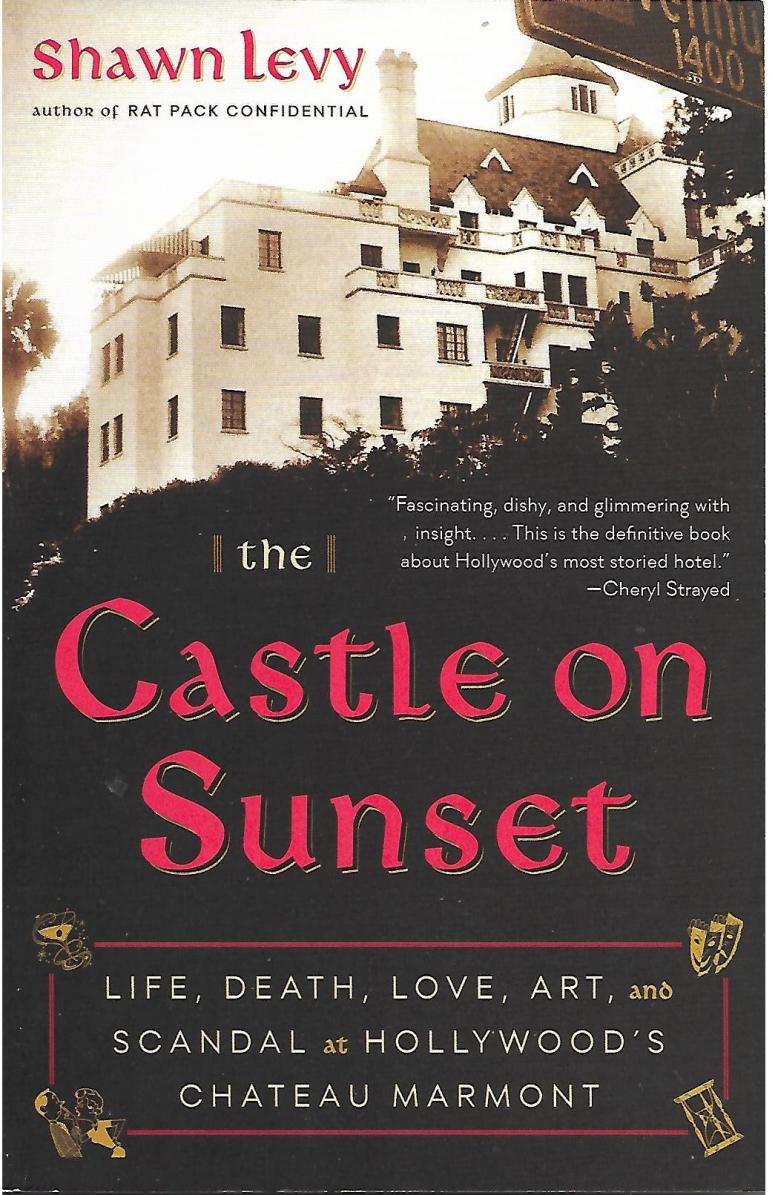
It overlooks the famous Sunset Strip in Hollywood. It stands seven stories tall and was built, in 1929, in imitation of a French chateau. It was an apartment building at first and was later turned into a residential hotel. It has long been a mecca for artists and creative people, in an out of the movie business. It is the Chateau Marmont.

Shawn Levy’s nonfiction book, The Castle on Sunset, is a detailed account of the life of the Chateau Marmont, a Hollywood landmark that has seen its fortunes rise and fall. It has had many different owners over the decades, some indifferent and uncaring, while others were scrupulously caring and attentive. The Chateau Marmont was a quiet, “un-Hollywood” retreat in the thirties through the fifties; a favorite of stage-trained, New York, Method actors in the fifties and sixties who came to Hollywood to make movies; in the seventies and eighties, it was a bohemian enclave, slightly seedy and run-down; in the twenty-first century, it became, with its upgrading and renovations, a trendy destination for hip, young Hollywood. Over the years it went from being a reasonably priced hotel to one that only the wealthy can afford. If you think you can go to Hollywood and stay in the Chateau Marmont, you won’t be able to get in unless you are a Hollywood A-lister. (Do you know anybody who is? Neither do I.)

I might not have learned much that I didn’t already know by reading The Castle on Sunset, but it’s intermittently interesting to read, depending on how interested you are in the person being discussed. If you are interested in the death of John Belushi, you will be riveted by the section on his drug overdose death that occurred in one of the hotel’s bungalows in 1982. You didn’t know that Anthony Perkins was gay? He was known for entertaining his male dates at the Chateau Marmont. Movie director Nicholas Ray conceived of his classic film, Rebel Without a Cause, while staying at the Chateau Marmont, while simultaneously having an affair with his sixteen-year-old leading lady, Natalie Wood. He was considerably older than she was.

If you are interested in Hollywood lore, gossip, and naughtiness, you are sure to find The Castle on Sunset a valuable addition to your reading list.

Copyright © 2022 by Allen Kopp

West Side Story ~ A Capsule Movie Review

West Side Story image 2
West Side Story
~ A Capsule Movie Review by Allen Kopp ~

A pattern has been established. Every sixty years, there is a new movie version of the classic American musical stage play, West Side Story. The 1961 movie version was a smash hit, winning eleven Oscars, and starring the late Natalie Wood as Maria. It remains a classic, landmark film sixty years later. The 2021 movie version of West Side Story uses all the modern-day film techniques that didn’t exist in 1961, while retaining the flavor and the spirit of the original stage play. The next version of West Side Story will be in 2081. We’ll be watching for it.

Almost every person in the world knows that West Side Story is a retelling of William Shakespeare’s famous tragedy, Romeo and Juliet. The star-crossed lovers here, though, are not named Romeo and Juliet, but Tony and Maria. Tony is a “white” boy of Polish descent and Maria a “brown” girl from Puerto Rico. (Right away we see there is going to be a problem.) Tony has been in prison for almost killing another boy in a fight. He works, and lives, in a drug store owned by a kind elderly woman named Valentina (played by Rita Moreno, who won a Supporting-Actress Oscar for the 1961 film version). Maria works as a cleaning woman in Gimbel’s department store. “I’m poor,” Maria tells Tony. “I’m poorer,” he says.

The story is set, of course, in New York City in 1957, giving the entire movie a retro look and feel. On the “West Side” of the city, where many Puerto Rican immigrants live, whole sections are being demolished to make way for new buildings. Most of the outdoor scenes are set against piles of rubble.

The young Puerto Rican men in the neighborhood have a gang called the Sharks. The young Anglo men have their own gang called the Jets. The Sharks and the Jets despise each other and are engaged in turf warfare. Each gang wants to be the dominant gang in the neighborhood. This is not going to end well.

Of the lovers Tony and Maria, Tony is a Jet. Maria, while not a member of the rival gang herself, is close to the gang because her intense brother, Bernardo, is the leader of the gang. Bernardo is appalled that Maria, his sister, is cavorting with a member of the Jets. It brings out his killer instinct. The rival gangs are planning a big “rumble” to resolve the issue. They have weapons and, more importantly, high levels of testosterone.

Tony, during one of his romantic interludes with Maria, tells her not to worry. As a member in good standing of the Jets, he can reason with his fellow gang members and persuade them not to fight the Sharks. The year he has spent in prison has made him into something of a pacifist. When the two gangs come face to face in the “salt shed” to fight it out, however, his efforts to bring about “peace” are ineffective. The inevitable consequence is tragedy.

There are many fine moments in West Side Story, some exuberant dance numbers and beautiful, though familiar, music. The whole thing is beautiful to look at. Ansel Elgort as Tony and Rachel Zegler as Maria are sincere and believable. There is lots to like in this remake of West Side Story. If you don’t see anything here to like, then it probably isn’t your kind of movie.

Copyright © 2022 by Allen Kopp

Nightmare Alley ~ A Capsule Movie Review

Nightmare Alley (2021)
Nightmare Alley
~ A Capsule Movie Review by Allen Kopp ~ 

If you are a grown-up movie fan and you are not interested in movies about comic book super heroes (or other youth-oriented claptrap), you might want to take a look at a 2021 movie called Nightmare Alley, directed by Guillermo del Toro and based on a novel by William Lindsay Gresham. It’s a movie that’s bursting with intelligence, cinematic artistry and vintage atmosphere. A feast for the eyes, the ears and the mind.

The story is about the rise and fall of a fake “mentalist” named Stanton Carlisle (played brilliantly by Bradley Cooper). He comes from out of the gutter and, purely by chance, begins working in a seedy traveling carnival. He falls in with a fortune teller/tarot reader named Zeena (Toni Collette), who, if you haven’t guessed, is a complete fake. Zeena has an old, booze-addled husband named Pete. The two of them (Zeena and Pete) teach Stanton their elaborate “code” for reading minds. The idea is to dazzle the audience and make them believe they are truly witnessing the miracle of mind-reading, while, in reality, it’s only a paper moon.

Molly (Rooney Mara) is a fresh-as-a-rosebud girl working in a sideshow in a skimpy outfit with electricity coursing through her body. She believes in Stanton Carlisle and comes to love him. (Can anybody truly love him?) Stanton tells Molly that the two of them can transcend the traveling carnival and graduate to the high-class big time.

A year or so later, Stanton and Molly have “made it.” They have perfected the mind-reading code and are performing before white-tie audiences in swanky nightclubs. (Stanton does the reading of minds while Molly feeds him the cues.) One night, a “consulting psychiatrist” named Lilith Ritter (Cate Blanchett) sees the show and is impressed when she tries to fool Stanton and he sidesteps with a clever dodge. She arranges to meet Stanton later, when she tells him how he can make some real dough with a “spook show” in which he convinces wealthy “marks” that they are reconnecting with long-lost loved ones. These heart-broken rich people, it seems, will pay any amount to believe they are communicating with their dearly departed.

In reptilian Dr. Ritter with her scary red lips, Stanton Carlisle has met his match. He tells her in one of their more intimate moments that she is no good; he knows this because he is no good, either. She tells him he is an “Okie with straight teeth.” We come to see by the end of the movie that she is actually worse than he is.

Stanton Carlisle does some horrible things throughout the two hours and thirty minutes of the movie, but we can’t help liking him (even just a little bit), so that makes him (in my book, at least) an anti-hero. He somehow manages to capture, and keep, the sympathy of the audience through to the end. What a movie! I loved it!

Copyright © 2022 by Allen Kopp

The Bridge of San Luis Rey ~ A Capsule Book Review

The Bridge of San Luis Rey first edition cover
The Bridge of San Luis Rey
~ A Capsule Book Review by Allen Kopp ~

American author Thornton Wilder lived from 1897 to 1975. He wrote his most famous novel, The Bridge of San Luis Rey, in 1927, when he was thirty years old. The novel is set in Peru in 1714. A certain primitive bridge that had been constructed by the Incas a hundred years earlier falls into the ravine below, killing the five people who happen to be on it at the time. The question the novel poses is this: Was the collapse of the bridge just a matter of “chance,” or was there some “design” to the deaths of the five victims?

Those who die in the bridge collapse are male and female, young and old:

  • The Marquesa de Montemayor is an aristocratic woman, all alone in the world except for a daughter who marries and moves to Spain. The mother and daughter do not get along well when they’re in the same location, so they communicate by letter, between Peru and Spain. Since it is the eighteenth century, a letter takes six months to reach its destination. She and her servant girl, Pepita, die in the bridge collapse.
  • Pepita is a girl from the convent whom the Marquesa de Montemayor takes as a companion.
  • Esteban has an identical twin named Manual. They have been educated in the convent and become scribes, writing letters for people for pay. Esteban and Manual are so close they develop a secret language between them. When Manuel falls in love with a famous actress in the theatre named Camila Perichole, the relationship of the twins is tested. Manuel meets a sad fate before Esteban dies in the bridge collapse.
  • Uncle Pio is an old man who works for Camila Perichole, as a kind of all-purpose servant and father figure. Camila Perichole isn’t very kind to Uncle Pio, but he persuades her to let him take her only son, Jaime, to Lima with him to educate him.
  • Jaime is with Uncle Pio on the bridge when it collapses. He is the fifth victim of the collapse.

After the bridge collapse, Brother Juniper spends years investigating the lives of the five victims to try to make sense of the collapse and to ascertain if there was any design in the accident or if it was all purely chance. Of course, in the end he realizes he has wasted his time and effort. It is a conundrum, a question without an answer.

The Bridge of San Luis Rey is one of the twentieth century masterpieces of American literature and ranks number 37 on The Modern Library List of the 100 Best Works of Fiction in English of the twentieth century.

Copyright © 2022 by Allen Kopp

A Short Life and a Merry One ~ A Short Story

A Short Life and a Merry One
~ A Short Story by Allen Kopp ~

I had my friend Calvin Pears. He was in my class at school. We were both twelve years old and had known each other since we were five. We spent a lot of time together. We were good friends because we were both shy and not popular in school.

Calvin and I always had a lot of things to talk about. We laughed a lot. We laughed about things that nobody else would have thought funny. We made fun of people behind their backs. Calvin was a good imitator. He imitated our teachers, whether they were male or female. He imitated the way they walked or talked or smoked. He wanted to have a show business career after he finished school.

It was a Friday evening in October. After being in school all week, it was time to get out of the house and have some fun. Calvin and I decided we’d rather go roller skating than see the western movie at the Bijou. I liked roller skating and could skate circles around Calvin. He usually said he was tired or his legs hurt and he wanted to call it a night.

We were a couple blocks from the roller rink when we saw two boys from high school standing on the street corner. I had seen them but didn’t know their names.

“Well, here’s a couple of little kids!” the taller of the two boys said when he saw us. “Does your mommy let you out after dark?”

“Hi, Lonnie!” Calvin said enthusiastically.

“How’s it going, little man?”

“I’m doing spectacularly well!” Calvin said.

“Well, glad to hear it! What’s your sister, Bimbo, up to these days?”

“Bimbo’s fine. She was rolling her hair up at the kitchen table when I left home.”

“She wasn’t going out on a date, was she?”

“No, I think she was just going to pop some popcorn and watch TV.”

“Well, you be sure and tell her old Lonnie said ‘hi’!”

“I will.”

Lonnie’s friend’s name was Brent. He had red hair and a sly look about him like a fox. When Calvin introduced me to Lonnie and Brent, they both shook my hand without irony. I was used to high school boys calling me names or making fun of me.

“Where you little hoodlums headed?” Lonnie asked.

“We’re going roller skating,” Calvin said.

“Well, that’s a kids’ thing, isn’t it?”

“I guess it is,” Calvin said. “It’s fun, though.”

“Yeah, I guess you would think it’s fun!”

“They are kids,” Brent said.

“Yeah, and we’re grown men, ain’t we?” Lonnie said. “Hah-hah-hah!”

“Let’s go!” Brent said. “I’m tired of just standin’ here!”

“Now, look here, you two little kids!” Lonnie said. “I’ve got my brother’s car parked over there. I don’t have my own car yet, but I will soon. We were just about to go for a little hell-raising adventure, if you two would care to join us.”

“What do we need them for?” Brent said.

“It’s just for a little while,” Lonnie said. “I need to find out some stuff about Bimbo.”

“Oh, you and your girls! You make me sick!”

“So, how about it?” Lonnie said. “Do you two little sixth graders want to go with us for a little ride?”

“Sure!” Calvin said.

“We’re not sixth graders,” I said. “We’re in the seventh.”

“Do you want to go?” Calvin asked me.

“I guess so. If you do.”

“Well, let’s get crackin’, then!” Lonnie said.

On the way to the car, Lonnie put his hand on Calvin’s shoulder and leaned down and talked in his ear. So, that’s what this is all about, I thought. Lonnie only pays any attention to Calvin and me at all because he’s interested in Calvin’s sister, Bimbo. I’d rather go roller skating.

Lonnie opened the door for Calvin and me to climb into the back seat. He and Brent got into the front seat and Lonnie started the engine and pulled away from the curb with a jerk.

“Where do you kids want to go?” Lonnie asked over his shoulder.

“Any place is fine with us,” Calvin said.

“Isn’t this fun?”

“I’ve never had so much fun in all my life!”

“Does Bimbo ever talk about me?” Lonnie asked. “I mean, like at the dinner table or anything?”

“I never pay any attention to anything Bimbo says,” Calvin said.

“Do you know if she’s seeing anybody right now?”

“Seeing anybody? I don’t know what that means.”

“Is she dating anybody regularly?”

“I don’t know. I don’t pay any attention.”

“Well, are there any guys that hang around?”

“I haven’t seen any. Except for the man who reads the gas meter.”

“If you see any, you be sure and let me know.”

“I will.”

We went through town, past the chemical plant, over the railroad tracks and the bridge, and in ten minutes we were out in the country. The road was dark, now, and hilly, with abrupt dips in the road and signs about watching for high water. There were sharp curves that couldn’t be seen until we were right up on them.

Lonnie angled around in the front seat so he could see Calvin’s face. “Does Bimbo go around much? With other girls, I mean?”

“Yeah, they have stupid slumber parties and they go to shows and things like that. They’re all hoping a talent scout from Hollywood will discover them and want to put them in the movies.”

“Yeah, I know what they’re like,” Lonnie said. “Completely unrealistic. I mean, how many people get discovered by talent scouts?”

“I never heard of anybody.”

“Watch this!” Lonnie said.

He got the speed up to sixty miles an hour (the limit was twenty-five) and then he turned off the headlights, and we found ourselves speeding blindly through absolute darkness. I held on to the door beside me and closed my eyes.

Oh, my god!” Calvin gasped.

“Isn’t that the wildest thing you’ve ever seen!” Lonnie said.

“That’s a stupid trick, man!” Brent said. “What are you trying to do? Get us all killed?”

“If you don’t like it, man, I can always let you out here!”

“No thanks, man! It’s a long walk back to town! Just slow down a little.”

“Now it’s time for the roller coaster!” Lonnie said. “Don’t you kids in the back seat just love roller coasters?”

“Sure!” Calvin said.

He took a series of small hills at a high rate of speed, engine roaring. At times we were flying, all four tires off the road at the same time. We could hear the bottom of the car scraping the road in the low places.

“I’m glad this is not my car!” Brent said.

“Oh, my brother does this all the time!” Lonnie said. “He’s the one that told me about it!”

There was a sharp curve in the road and then another one. Lonnie had to fight the wheel to keep the car on the road.

“This is so much fun!” Lonnie said. “I’m going to turn the headlights off again!”

“Don’t be a jerk, man!” Brent said.

He didn’t turn the headlights off, but he went faster. There was a curve on a hill and then another curve going down the hill. There was a straightaway, then another hill.

“Isn’t this living!” Lonnie said. “It feels just like flying!”

He didn’t see the next sharp curve until it was too late and the car left the road. He struggled to regain control, but it was too late. The car glanced off a tree and kept going to the next tree—down a gulley, up the other side, taking out fence posts and small trees as it went. Finally it came to rest on a huge flat rock ten feet below the level of the road, smashed flat like a stepped-on bug.

I was thrown from the car. I didn’t know where the others were. I knew I was dead, but I also knew that I was aware of what was happening and that the same thing had happened to me before at an earlier time. All this went through my head in the briefest of flashes.

I was present at my funeral, and I don’t mean just as a dead body in a closed-up box at the front of the church. I saw the whole thing from up near the ceiling. My mother sat on the front row, a stunned look on her face. My father, divorced from my mother since I was four, sat on the other side of the room. Everybody from my seventh-grade class was there, even the ones who didn’t like me.

My mother, sparing no expense, had me buried in the Methodist cemetery beside my great-grandfather, who died long before I was born. I was dead, now, and buried and the people who had known me would soon forget about me.

The one person who remembered me years later was my father, though I had hardly known him in my short life. Since I was the only child he ever had, he became sentimental about me in his old age. When he was over ninety and aware that he was nearing the end, he had my body (what was left of it) disinterred from the grave where it had lain in for fifty years, flown halfway across the country, and cremated.

When he died a short time later, he had my ashes, along with his own, interred in a niche in a columbaria. Both our names were inscribed on the niche, along with the dates we were born and the dates we died. He had a long life and I had a short one. Father and Son. Together Forever.

Copyright © 2022 by Allen Kopp

No Country for Old Men ~ A Capsule Book Review

No Country for Old Men book cover
No Country for Old Men
~ A Capsule Book Review by Allen Kopp ~

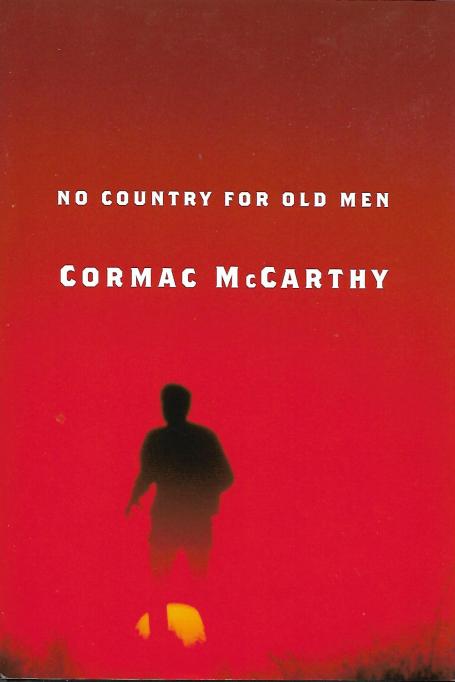
Cormac McCarthy’s 2005 novel, No Country for Old Men, is set in Texas around 1980.

There are three principal characters in No Country for Old Men:

  • Sheriff Ed Tom Bell, sheriff of Terrell County, Texas. He represents the old America where people said “sir” and “ma’am” and were polite to each other. He is approaching the end of his career as a lawman. He has little patience for, or understanding of, the modern world.
  • Anton Chigurh, a psychopathic killer with a philosophical bent. He kills, not so much because he enjoys killing, but because he believes it is what he is supposed to do. He has no sympathy or empathy for any of his victims. In reading the book, I eventually lost track of how much many people he kills.
  • Llewellyn Moss is the “everyman” character. He is thirty-six years old, a decent and ordinary fellow who works as a welder, lives in a trailer and has a pretty, nineteen-year-old wife named Carla Jean.

Out in an isolated spot in the Texas desert, Llewellyn Moss inadvertently stumbles across a scene of carnage: a drug deal gone wrong. There are several vehicles and eight dead bodies. It’s apparent there has been a shootout. After Llewellyn does a little snooping, he comes across a case containing over two million dollars. What does he do? Does he alert the police? No, he takes the case home with him. He may be unsophisticated, but he’s not stupid. He knows that somebody will be coming after him to get the money back and, even if they do get the money back, they will still kill him.

It’s up to traditional Texas lawman Ed Tom Bell to solve the drug-shootout crime in the desert, since it happened in his jurisdiction. Besides eight dead bodies and some shot-up vehicles, he doesn’t have much to go on. Llewellyn Moss knows that as long as he has the two million dollars in his possession, he is in deadly peril. He sends Carla Jean to her mama in Odessa and goes on the run. He comes to realize after a while that, in with the money, is a “transponder” sending a signal of his whereabouts to a receiver. This does not bode well for him.

It’s up to murderer Anton Chigurh to locate the money and get it back, inflicting pain, death, and mayhem with his every move. He might be thought of as the physical incarnation of Satan.

No Country for Old Men is a sort of modern-day western. It might just as easily have taken place in 1880 as 1980. There’s a crime committed and then the crime’s aftermath. There’s the hunter and the hunted. There are good men and bad. There are surprising twists and turns in the plot. There is much death, much violence. Cormac McCarthy turns it all on its ear.

Copyright © 2022 by Allen Kopp

Go and Sin No More ~ A Short Story

Go and Sin No More image 3
Go and Sin No More
~ A Short Story by Allen Kopp ~

They were acquaintances, though not quite friends. They lived the same kind of life, but they were a study in contrasts. Zelda Zane (a name she chose for herself) was in her late fifties but looked much older. She was an indiscriminate alcoholic, known to drink turpentine or paint thinner if it was all she had. A frequent user of drugs, she was always on the lookout for any new sensation, any kind of substance to ingest or pills to take. She would take anything, even pills intended for dogs. Sometimes pills she took made her feel good and other times they nearly killed her.

Her companion sitting beside her on the park bench in the mellow, late-October light was one Vicki-Vicki Vale. She was twenty-three and still wore the bloom of youth. Her hair was and clothes were not quite clean, but she made the effort every day to tidy herself up, the way a cat might do. She was a shoplifter, a sneak thief, a sometime prostitute (when she had no other choice), a dope fiend, a social drinker, a check forger, a con artist, a liar, a fourth for bridge, and just about anything else she needed to be when the occasion called for it. You name it and she had done it.

“Where did you sleep last night, princess?” Zelda asked.

“In the cemetery,” Vicki-Vicki replied.

“Anybody try to mess with you?”

“There was nobody around, except for a few ghosts. I went over to the oldest part, where the moss hangs down from the trees.”

“That’s where the cholera victims are. Their ghosts, I mean.”

“Yeah, but ghosts don’t bother me nearly as much as living men do.”

The grave’s a fine and private place, but none I think do there embrace,” Zelda said.

“Isn’t that the truth?”

“It got pretty cold last night,” Zelda Zane said.

“I would have been all right if I had just had a warm blanket to roll up in.”

“No blankets for bums.”

“I had to settle for leaves. I covered myself over with leaves, the way my brother and I used to do when we were little. I shivered my ass off for a while, but then I went to sleep. If anybody had come along, they wouldn’t have even known I was there unless they stepped on me.”

“Last night was a mild autumn night,” Zelda Zane said. “It’s nothing compared to what’s coming.”

“I know. Winter. I try not to think about it too much.”

“Winters are rough when you don’t have a roof over your head.”

“Winters are rough when you do have a roof over your head.”

“Why don’t you go back home before winter comes?” Zelda Zane said.

“I don’t have a home to go to.”

“You have family.”

“My mother said she’d kill me when she sees me again. She means it, too.”

“She couldn’t be that mad at you.”

“She is, though.”

“What did you do to her?”

“We got into a fight. A fist fight. We drew blood. It wasn’t pretty. She hit me, so I punched her in the face. Broke her nose.”

“Why don’t you give her a call? I bet she’d be glad to hear from you.”

“No, she wouldn’t. She’d tell me to go to hell.”

“She’s still your mother.”

“She’d like to kill me, honest and true.” Vicki-Vicki said. “I hope I never lay eyes on her again in my life.”

“More’s the pity. My own mother died when I was eight. I lived with my grandparents until I was married the first time.”

“How did that work out?”

“The results you see before you.”

“What about you? Where did you spend the mild autumn night last night?”

“I’ve stayed the last two nights at the mission shelter. I don’t like staying there, but sometimes you just have to get inside where there are four walls and a roof.”

“I stayed in the mission shelter one night,” Vicki-Vicki said. “I swore I’d never stay there again. I’d rather die. Some of the people there have diseases, coughing their lungs out. And some of them have got bugs crawling on them.”

“I know it’s not the best company, darling, but if you live on the streets long enough, you’ll have bugs crawling on you, too.”

“I haven’t quite reached that point yet.”

“Do you have a place to stay tonight?”

“Maybe. I don’t know.”

“Well, weep no more, my lady, because I hit the jackpot this morning!” Zelda Zane said.

“What do you mean?”

“When I left the shelter at eight o’clock this morning, I was cutting across the parking lot when I happened to notice, in a big black Cadillac sitting there, a lady’s purse inside the car, on the front seat, clearly visible through the window.”

“A lady’s purse? No kidding?”

“If there is a God, I thought, the door won’t be locked. And do you know what? It wasn’t!

“So, that means there’s a God?”

“Isn’t it obvious? I opened the door of the big black Cadillac and, as slick as a pig sliding down a chute, I grabbed the purse by its handle and ran away with it.”

“The dish ran away with the spoon! Did you remember to shut the door of the big black Cadillac?”

“Well, of course I shut the door! That just comes natural. You open a door and then you shut it.”

“Well, all right. Then what?”

“I went to the library across the street and went into the ladies’ room and closed myself up in one of the stalls and I opened the son of a bitch to see what was inside.”

“Well, what was inside?”

“A lot of junk that didn’t interest me, but what did interest me was a wallet with some money in it!”

“How much money?”

A hundred and seven dollars and sixty-three cents! I left the sixty-three cents and I took the rest and put it in my pocket.”

“Then what did you do?”

“I dumped the purse and the rest of the stuff in the trash and then I came over here to the park and I’ve been here ever since.”

“A hundred and seven dollars! What are you thinking of doing with all that money? Go on an epic toot?”

“No. I was thinking I might give it to somebody in need.”

“Yeah? Who’s that?”

“Well, I was thinking I might give it to you.”

Me! Why?”

“It’s enough for a bus ticket.”

Bus ticket? I don’t need a bus ticket. I’m not going anywhere!”

“I’d be happy to give you the whole kaboodle!”

“Why would you do that?”

“You need to get the hell out of the city and go home while you still can.”

“Haven’t you been listening to what I’ve been telling you? I don’t have a home to go to!”

“You don’t want to be stuck here when winter comes.”

“You don’t need to worry about me. I can worry about myself.”

“Just tryin’ to help a friend in need.”

“I could never take your money! It’s your money!”

“Not really my money. I stole it.”

“It is your money. You found it. You seized the opportunity and you took it.”

“It belongs to the woman I stole it from.”

“Then take it back to her!”

“You know I can’t do that! The only way for this money to do any good in the world is for you to take it and get yourself home with it!”

“I’d rather die first!”

“All right, then. I won’t say anything else about it.”

“Please don’t!”

“But if you should happen to change your mind, you know where I can be found.”

“I won’t.”

They parted then. Vicki-Vicki said she had an important appointment, but it was only an excuse to end the conversation with Zelda Zane.

After Vicki-Vicki left, Zelda Zane continued to sit on the bench in the park until the sun went down behind the trees and the air turned colder. She tried to cheer herself with the thought of the hundred and seven dollars she had in her pocket, but there wasn’t much pleasure in it for her.

She went directly to the liquor store and bought an ample supply of whiskey and wine. Carrying her bulky treasure to the Chichester Motel a few blocks away, she engaged a room for two nights and possibly three. Locked away from the world in her motel room, she began the epic drinking binge that would result in her stuporous death two nights later.

The winter to come was a harsh and cruel one. People were found frozen to death all over the city: in alleyways, in the park, in the cemetery. In December, Vicki-Vicki disappeared and was never heard from again. Nobody ever knew what really happened to her.

Copyright 2022 by Allen Kopp

The Road ~ A Capsule Book Review

The Road book cover 3
The Road
~ A Capsule Book Review by Allen Kopp ~

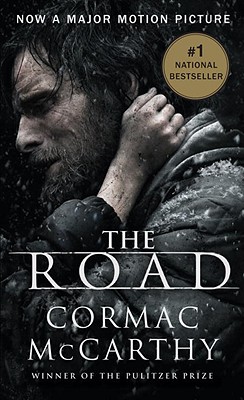
A cataclysmic event has occurred. Planet Earth is dying and can no longer support life. Plant life is dying. Trees are toppling over, no longer able to hold themselves upright by their roots. Cities are burned to the ground. There is perpetual ash in the air. The landscape is littered with dead bodies in various stages of decay. Earth has become a living vision of hell.

This didn’t just happen yesterday or last week; it has been going on for years. Most of the people in the world have already died. The people remaining have a horrible life, trying to find enough to eat to keep themselves alive. The “good guys” have to work awfully hard to keep from being killed and eaten by the “bad guys.” The good guys refuse to stoop to eating other people. They have maintained a semblance of humanity; they “carry the fire within them.”

There are two principal characters in The Road, both unnamed: a man and a young boy, his son, about nine years old. They are referred throughout the novel as “the man” and “the boy.” They have left their home and are headed for some unnamed destination south of them. They are seeking more than safety, shelter, or food. As important as those things are, they seek something more profound. The man is driven by the desire to save the boy, his son. He believes God has given him the special task of delivering the boy to another place.

The Road is not a “doomsday thriller,” nor is it another diatribe about saving the environment. It is a simple human story about survival and the hope that there might be something on the other side of death. It is eerie, haunting, profound and memorable. Some readers might see a “God-Christ” metaphor in the “man-boy.”

I’ve read The Road by Cormac McCarthy twice, years apart, and was tremendously impressed both times. It is one the rare novels you will read in your lifetime that advances the art of fiction, that takes the reader to a place he has never been before. It makes you happy that a book can be that good.

Copyright © 2022 by Allen Kopp

The Only Adult in the Room

The Only Adult in the Room image 5

The Only Adult in the Room
~ A Short Story by Allen Kopp ~

Prentiss Fitch stood and watched as her mother stuffed a black dress and a pair of pointy black shoes into an already-full suitcase. She was happy that her mother was going away for the weekend but not happy that she wasn’t going to have the house all to herself.

“Please, mother! I’m old enough!”

“No, you’re not! Fourteen is too young!”

“I’m almost fifteen.”

“You still act like a child. When I see you acting like an adult, I’ll start treating you like one.”

“Squeak is as much a child as I am!”

“She’s eighteen and a senior in high school. I trust her. I’m paying her to be the adult while I’m away.”

“She’s not eighteen! She’s seventeen! I’d rather go to the funeral than to stay here with Squeak for three days!”

“I thought you liked Squeak.”

“I like her well enough, but I don’t want to be with her every minute for three days.”

“As you get older, you’ll find yourself having to do many things that you don’t especially like doing.”

“Oh, mother, I think I’ll just kill myself!”

“All right. Just don’t make a mess.”

“A fat lot you’d care if I did kill myself!”

“Whenever you say things like that, I’m aware of what a child you still are.”

“Just give me the money that you’d pay to Squeak, and when you get back you’ll never know she wasn’t here.”

“I’m not sure I follow that line of reasoning.”

“What I’m saying is, you don’t have to pay Squeak. Just call her and tell her not to come. Then you can give me the money that you would have paid her.”

“Why would I do that?”

“Because I don’t need a sitter, that’s why!”

“Would you rather stay at the county jail?”

“What?”

“I can drop you off at the county jail and you can spend the weekend there, safely locked in a cell.”

“They wouldn’t let you do that!”

“Oh, yes, they would! The sheriff is my third cousin. He’d do anything I asked. So, what’s it going to be? Squeak or the county jail?”

“That is such bullshit!”

“I’ve asked you not to use that kind of language. I’m your mother, not one of your school friends.”

“Nobody ever does what I want!”

“That’s not true.”

“I’m hungry! What am I supposed to eat while you’re gone?”

“Stop your whining! You sound like you’re three years old. I just spent my entire paycheck on food. If you can’t find anything to eat, I guess you’ll just have to starve.”

“I want fish sticks and Tater Tots.”

“Squeak will be here soon. She’ll fix them for you.”

“Squeak can’t cook.”

“There’s nothing to fixing fish sticks and Tater Tots. All you have to do is preheat the oven and then put them in when the oven is hot enough. The only hard part is remembering to take them out before they burn.”

“I don’t want her to fix them. I want you to do it.”

After her mother left, Prentiss tripled-locked the front and back doors and turned on all the lights in the house. She didn’t want to admit it to her mother, of course, but she was afraid alone in the house after dark. Until Squeak arrived, she would be listening for any little sound outside that might indicate somebody was trying to break in.

She went into the kitchen to find something to eat. She would leave the fish sticks and Tater Tots for another time. It would take too long to preheat the oven, anyway. She fixed herself a baloney sandwich with lots of mayonnaise, put the sandwich on a plate and carried it into the living room. Her mother didn’t like her eating in the living room, but what did it matter? When one was alone, one might do as one pleased.

She turned on the TV and sat in her favorite spot on the couch, balancing the plate on her knee. On TV was a show with singing and dancing. She saw the dancers leaping in the air and heard the singing but she didn’t care for that kind of entertainment at the moment, so she didn’t pay much attention. Her attention was focused on the front door and to any sounds that might mean Squeak had arrived.

The singing-and-dancing show ended, and a comedy show with lots of laughter came on. She tried to focus her attention on what the actors were saying, but she was too nervous. It was after eight o’clock. It had been dark out for more than two hours and Squeak hadn’t come yet. She was going to kill Squeak when she saw her!

The comedy show ended and another one started. When the second comedy show was nearly over, she decided to call Squeak’s home and find out what happened. She let the phone ring and ring, at least twenty or thirty rings, but nobody answered. Squeak’s mother, at least, should have answered.

She began to scare herself with thoughts that Squeak and her mother had been murdered by a madman lunatic prison escapee, like in a horror movie. He would rape both of them, of course, and then slit their throats. He probably knew that Prentiss was waiting at her house for Squeak to arrive. He had her address and would be coming for her next.

At night o’clock, a police drama began. There were car chases, sirens and gunshots, but Prentiss paid only the scantest attention. She heard voices outside, people passing on the street. As long as people were out there, she was probably safe from anybody breaking in. If somebody wanted to kill her, they would probably wait until two or three in the morning.

She needed to go to the bathroom, not having gone since she came home from school, but she didn’t want to leave the relative safety of the couch and the voices on the TV. Finally, when the need became dire, she armed herself with a huge flashlight and a sharp pair of scissors and went down the dark hallway to the bathroom, turning on every light as she went.

When she returned to the couch, she felt a little better and was able to breathe a little easier. After all, she wasn’t a baby. She could do whatever she had to do. It was like standing up in English class and giving a speech with her knees knocking together. Just the thought of it made her ill, but when it was all over she realized it wasn’t so bad and she had been foolish to be so scared.

As long as the police drama was on, she felt it was still early enough that Squeak might show up before bedtime. The voices of the actors, even if she couldn’t make out all the words, were comforting.

The police drama ended at ten o’clock, though, and that’s when she began to be really scared. The ten o’clock news started. She hated the ten o’clock news. She wanted to turn to another channel, but she was afraid that somebody might be watching. If they knew she didn’t like the ten o’clock news, it might make them mad enough to kill her. She was better off, she decided, to just leave the TV where it was.

She stood up and went to the front door, pulling back the curtain just an inch or so and looking out into the darkness of the front yard. She saw movement out there, close to the house, as if somebody was sneaking around, trying not to be seen. No, on second thought, it was probably only the shrubberies blowing in the breeze.

The ten o’clock news ended with a cavalcade of commercials, and the ten-thirty movie began. It was a riding-and-shooting western, but at least there was nothing horrifying about it.  She wanted to concentrate on the movie, to help her forget that she was alone, but she began to feel sleepy and longed to go to bed. She wished her mother was there and she didn’t need to be scared. She wished Squeak was there, silly and annoying, the way only Squeak knew how to be.

At eleven o’clock, she decided to call Squeak’s home again. If Squeak’s mother was in bed, the phone would wake her up, but that didn’t matter. She was an old crab anyway, and if she wasn’t on her high horse about one thing, she would be about a dozen things.

She let the phone ring and ring, as before, but still Squeak didn’t answer and neither did her mother. She seriously considered calling the police then, but she couldn’t think she would say if she did. No matter what she said, she’d sound like a fool. When you call the police, they expect you have some kind of crime to report, at the very least.

She returned to the western movie and was on the point of getting herself calmed down preparatory to going to bed when the phone rang. It was the most welcome sound she had ever heard! If it wasn’t Squeak, it had to be her own mother calling to check on her. She would let the words pour out of her, trying to keep from crying.

It wasn’t Squeak calling, though, and it wasn’t her mother. It was nobody. Or, rather, it was nobody who chose to speak. There was a brief intake of air from the other end of the line and then the connection was severed.

It could only mean one thing. Somebody was calling to make sure she was at home before they broke into the house to kill her.

Now she was scared beyond all reason. She clamped her hands over her mouth to keep from screaming. She went from the front door to the back door and back again. She turned on all the lights in the house that she hadn’t turned on already. She turned the radio on in the kitchen to dance music, loud enough so that anybody outside could hear it. She increased the volume of the TV, so that it sounded like there were many people in the house having a party.

Another hour went by. It was now after midnight. The phone didn’t ring again. She was less scared now and more sleepy. She ate a whole bag of marshmallows and some hot dogs, cold right out of the refrigerator. She wanted to go to bed, but she didn’t dare go into her bedroom and lock herself in, the way she did every other night. She thought about making a bed on the couch, but that was too out in the open and would make her too vulnerable. If anybody broke in, they’d find her without even having to look for her.

When she walked into the dining room, an idea came to her. Why couldn’t she sleep on the floor underneath the dining room table, where she would be hidden from view but would still know if anybody came into the house?

She went into her bedroom and pulled all the covers off the bed and covered the dining room table with them, making a sort of cave. Nobody would ever know she was under the table. It was dark under there, with the covers hanging down to the floor, and was probably the only place in the house where she would feel safe enough to go to sleep. Believing she was hearing voices that very moment outside in the yard, she scrambled under the table with the flashlight, wrapped herself in the blankets the best she could and soon she went to sleep.

She woke at three in the morning and didn’t know where she was. She thought she had died and was in her grave. She crawled out from under the dining room table, went to the bathroom, and walked sleepily all through the house, checking the doors and windows to make sure they will still secure. The TV was still going strong in the living room with talking and laughing, and the radio in the kitchen was broadcasting a sermon for the insomniac worshiper. She was still scared, but not like before. She went back to her bed under the table and went right back to sleep.

In the morning she didn’t wake up until after nine o’clock. She heard the blat of the TV and didn’t know at first where it was coming from. Her first waking thought was that it was Saturday and her mother wouldn’t be home until Sunday night. That meant she had to get through Saturday night the same way she got through Friday night. Damn everybody to hell for going off and leaving her alone! She couldn’t kill her own mother, of course, but she would definitely kill Squeak when she got the chance.

After a breakfast of cereal and toast, she got dressed and sat on the couch and watched some Porky Pig cartoons. She would just sit there all day long if she had to, waiting for somebody to remember that she was alone. Eventually her mother would call long-distance to check on her. She would enjoy telling her that Squeak never showed up and she was scared out of her wits in the house all night by herself, but she made it through on her own and was all the better for it.

While she was contemplating the long, lonely day ahead of her, she remembered that her mother kept a sizeable amount of cash in her jewelry box in her dresser drawer. Money for emergencies that never seemed to happen.

She went into her mother’s bedroom and rifled through the dresser until she found the jewelry box that she remembered but hadn’t seen in quite a while. She undid the little latch and opened the lid. There was the lovely money, just as she envisioned it: a fifty-dollar bill, some twenties, a few tens and some ones. Leaving the one-dollar bills behind, she took all the rest.

She went into her bedroom and packed her overnight bag, just the things she would need for one night: pajamas, house slippers, bathrobe, clean underwear, socks, toothbrush, toothpaste, and a clean change of clothes for Sunday.

When she was ready to go, she called a taxi and went out on the front porch to wait, holding her overnight bag in front of her with both hands. The yard and the outside of the house, she was happy to note, were not as frightening in the daylight. The taxi came after ten minutes.

She told the driver to take her to the Sir Francis Drake Hotel downtown. She and her mother had stayed there for two days in the middle of winter one year when the furnace broke and couldn’t be fixed right away.

She asked for a room for one night and when the man behind the desk looked at her, he asked her if she was alone.

“Shouldn’t I be?” she asked.

“Children are usually accompanied by an adult.”

“Well, I’m not! My mother is gone until Sunday night and I don’t have any place else to go.”

“I don’t think…”

“I have the money to pay for the room, if that’s what’s bothering you.”

After a little wrangling with the manager, they decided to let her stay for the night as long as she paid for the room in advance and as long as she wrote down the name and address of her mother and father as “responsible parties.”

“I don’t have a father,” she said. “My mother will have to do.”

After she checked into her room, she took the elevator down to the lobby and enjoyed a lavish meal in the hotel dining room of fried chicken, french fried potatoes, and lemon meringue pie, sparing not a penny of her mother’s money. Then she locked herself in her room (three locks on the door), where she watched movies all evening long, until she became sleepy.

In the morning, after a restful night of untroubled sleep, she again tried to get Squeak on the phone. Still Squeak didn’t answer, and neither did her mother. Something terrible must have happened there, she thought. It better be good.

She returned home by taxi in the evening. Her mother had been back from her trip for three hours and was “frantic” that Prentiss was nowhere to be found. She was getting ready to call the police.

Nothing bad had happened to Squeak. She wasn’t dead. Her mother was in the hospital for an emergency gall bladder operation. Squeak took advantage of her mother’s unexpected absence to go joyriding across three states with her twenty-year-old boyfriend in his new car. When she came back, she told everybody she had been abducted by aliens in a flying saucer in her back yard, but nobody believed her, and after a while she was forced to divulge what really happened.

Copyright © 2022 by Allen Kopp