1956 Bel-Air V8 Hardtop


1956 Bel-Air V8 Hardtop
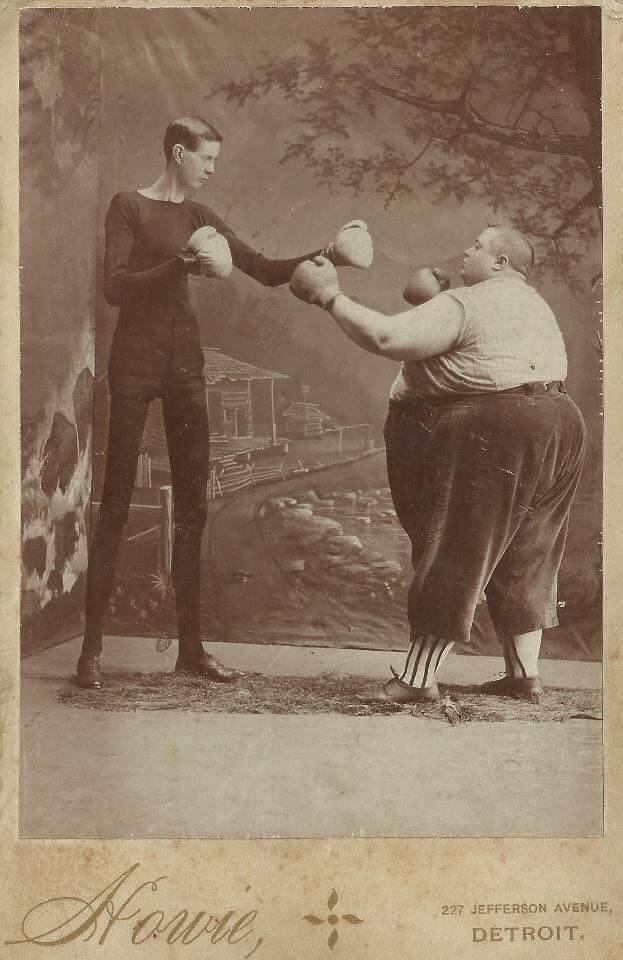
May the best man win.
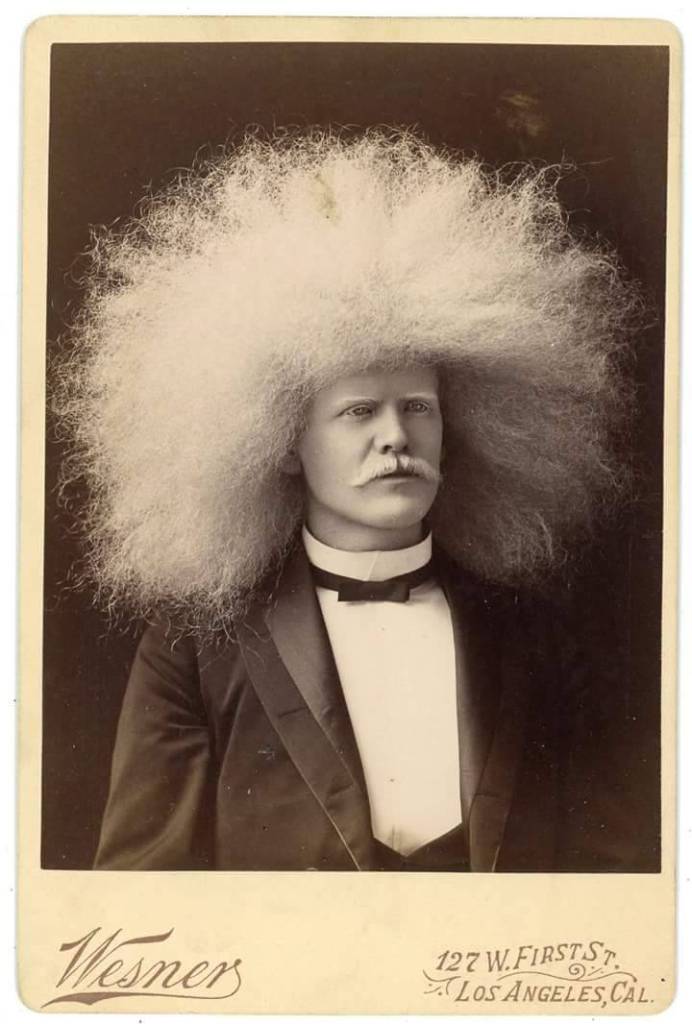
Nobody has hair like that.
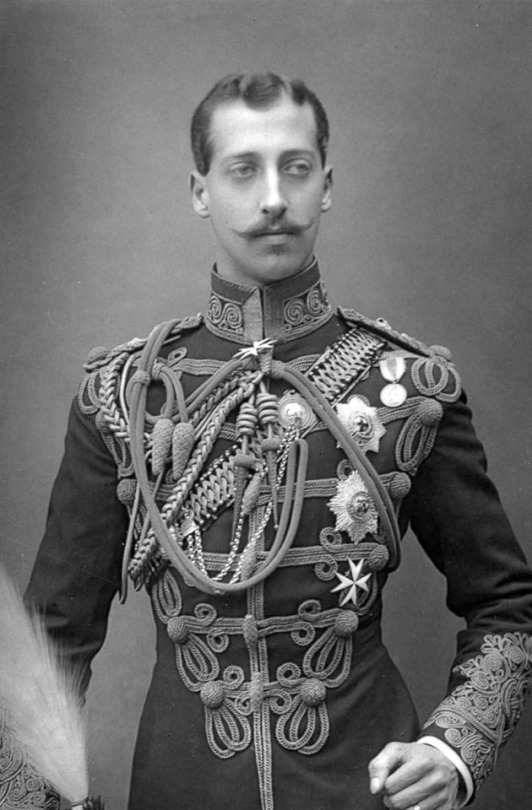
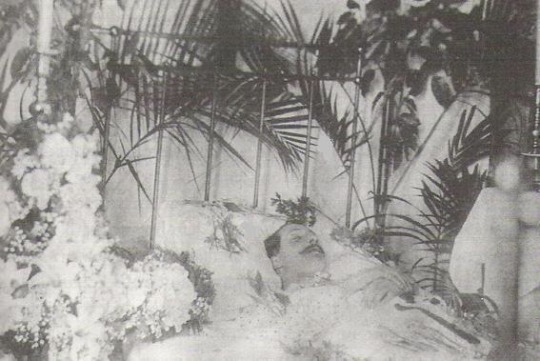
Prince Albert Victor (1864-1892), grandson of Queen Victoria and second in line of succession to the British throne, died at age 28 of influenza.
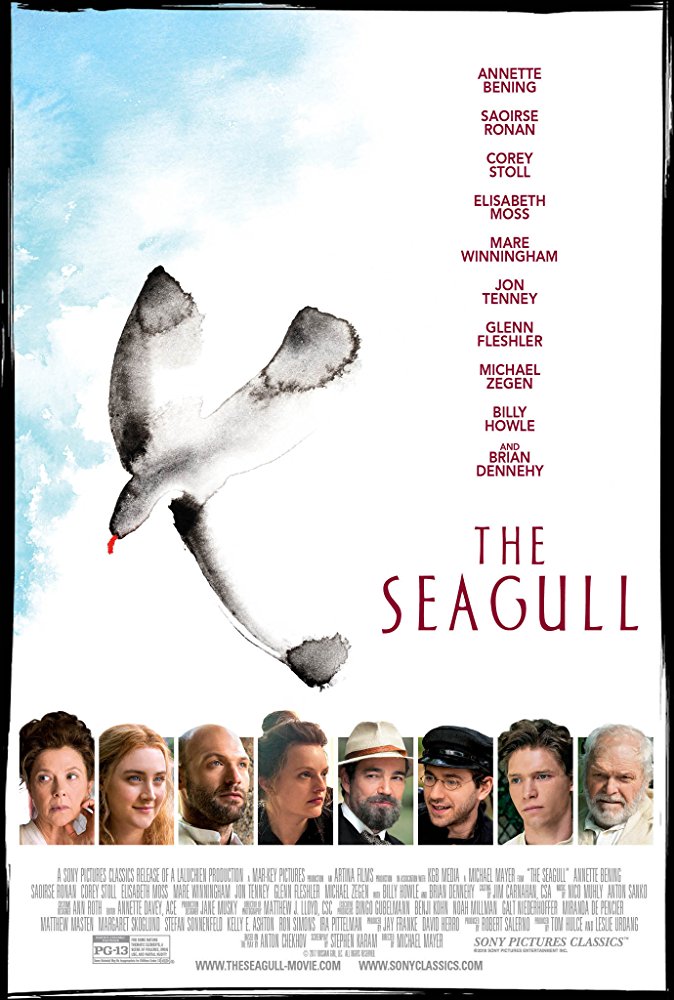
The Seagull ~ A Capsule Movie Review by Allen Kopp
The Seagull is based on the famous play by Anton Chekhov of the same name. It’s set in Russia in 1904, in summer, in a country house beside a lake. Irina (Annette Benning) is a Moscow stage actress in her mid-fifties come to visit her elderly brother (Brian Dennehy) and her son, Konstantin. She has her boyfriend, Boris Trigorin (Corey Stoll), with her. Boris is a famous and celebrated novelist, about fifteen years younger than Irina. He is drawn to Nina (Saoirse Ronan), an innocent country girl who wants to go on the stage. Nina is dazzled by Boris’s fame as a writer and imagines his life is much more romantic than it really is. Boris and Nina spend time away from the others, partly in a boat on the lake, much to Irina’s displeasure.
Then there is Masha (Elizabeth Moss), daughter of the housekeeper, Polina. Masha is one of the most interesting characters. She wears black all the time (“in mourning for my life”), takes snuff, drinks to excess, and looks older than her twenty-eight years. She is in love with Konstantin and, since she can’t have him, she marries the schoolteacher, Miguel, a sincere if unprepossessing fellow.
Like Boris Trigorin, Konstantin is also a writer, but an untested one. He’s jealous of Boris for his success, for the esteem with which his mother holds him, and, more importantly, for his attraction to Nina. Konstantin is in love (unhappily as we will see) with Nina. He shoots and kills a seagull and throws it at Nina’s feet for no reason other than that he feels sorry for himself. The destroyed seagull is a symbol for innocence lost.
In the final act, a kind of coda to the whole thing, we see what becomes of all these characters two years later. Nothing has really changed, as we will see. The more things change, the more they stay the same.
With the multiplex given over almost entirely to comic book movies and youth-oriented fare, it’s hard to find a movie like The Seagull. It’s a chance to see a film version of a world-famous Russian play, if that should interest you, as it does me. You may come away enriched for having had the experience and you won’t go home with a special effects headache.
Copyright © 2018 by Allen Kopp
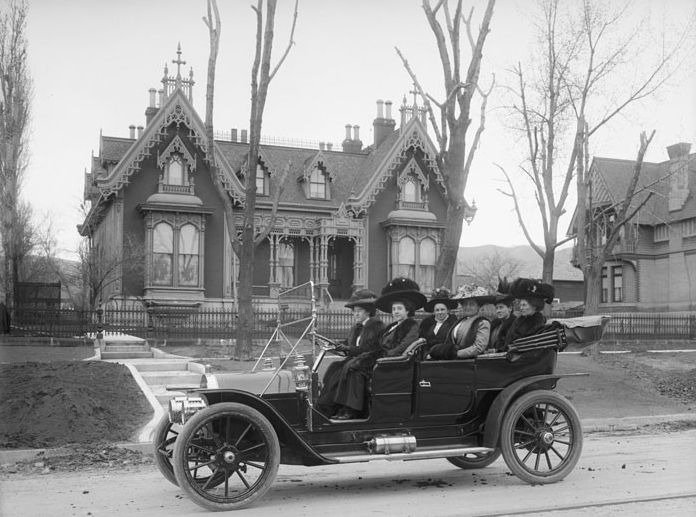
Six Formidable Females Wearing Intimidating Hats

The Truce ~ A Capsule Book Review by Allen Kopp
Mario Benedetti was a Uruguayan writer who lived from 1920 to 2009. Although not well known in the English-speaking world, he is considered one of the most important Latin American writers of the second half of the twentieth century. His novel, The Truce, was first published in 1960. The 2015 Penguin Classics edition was translated from Spanish to English by Harry Morales.
The subtitle of The Truce is The Diary of Martín Santomé. Martín Santomé is the common man protagonist of The Truce and, as such, he is subject to all the ills and foibles of being alive. He doesn’t have a lot of money and isn’t especially smart or well educated. He has spent his life toiling in a tedious accounting job (“…that sentence of being ensnared in something unimportant for eight hours, something which inflates the bank account of those useless people who sin by the mere fact of being alive…”). At forty-nine, he is a few months away from retirement, but, instead of looking forward to retirement, he doesn’t know how well he is going to take to it.
Martín’s private life is no more exemplary than his professional one. He has been a widower since age twenty-eight. (His wife, Isabel, was twenty-five when she died of complications of childbirth.) He has had perfunctory affairs with women, one-night stands, but nothing that lasts. His three grown children (Esteban, Blanca and Jaime) live with him but he is not good at understanding them or communicating with them. When his son Jaime confesses to him that he is gay, he writes: “My son is a queer. A queer…I would have preferred that he turn out to be a thief, a morphine addict or an imbecile. I would like to feel pity for him, but I can’t.”
There is a young woman half his age with whom he works in his office. Her first name is Laura, but he refers to her always by her last name, Avellaneda. He is drawn to her in a way that is new for him. When he discovers the attraction he feels for her is reciprocated, the two of them begin a tentative affair. It is this affair that forms the emotional core of the novel.
Avellaneda and Martín rent an apartment together, but their happiness seems as fragile as a helium balloon. He knows he is not the man he once was. The difference in their ages bothers him more than it does her. If they remain together for any length of time, will she end up dumping him for a younger man? Adding to his anxieties is the feeling that his own children, especially Esteban, disapprove of his seeing a woman other than their mother.
Instead of chapters, The Truce is divided into diary entries, making it very easy to read in Martín Santomé’s first-person voice. And, although set in the exotic (to us) locale of Montevideo, Uruguay, it could be anywhere. Its themes of loneliness, love and loss are universal.
Copyright © 2018 by Allen Kopp