Porch Light


Summer Evening by Edward Hopper

Porch Light  
~ A Short Story by Allen Kopp ~ 

(Note: This is a re-post. It has been published in Dew on the Kudzu, a Journal of Southern Writing.)

Nola was reading a book sitting beside an open window in the quiet house when she heard a soft knock on the door. It was eleven o’clock at night and she wasn’t wearing very much, but she went to the door and opened it anyway. She was feeling lonely, and a little blue, and was glad for the chance to talk to someone.

“Oh, hello,” she said, when she saw Roy standing there. She was neither happy nor unhappy to see him.

“Is she asleep?” he asked.

“For hours.”

“Why don’t you come out and talk to me. I’m not in any hurry to get home just yet.”

“Oh, all right. I suppose I could for a little while.”

She turned on the porch light and stepped out the door.

“What is that you’re wearing?” he asked. “Is that what you sleep in?”

“Of course not! After I took off my uniform, I put this on to try to keep cool. I wasn’t expecting any callers.”

“It looks like your brassiere and your step-ins. And pink, at that!”

“Well, you shouldn’t be looking. If your delicate sensibilities are offended, I’ll go put on a robe.”

“No, no, no, I don’t care what you have on. It’s your porch and you’re a grown-up person and it’s too hot to wear a robe.”

“It was over a hundred degrees today and will be again tomorrow.”

“It’s hotter here than the Sahara Desert in Africa. Did you know?”

“We’ve still got two more months of summer,” she said. “I don’t know if I’m going to last. I just wish it would rain.”

He looked up at the clear, star-laden sky and held out his hand. “Not a chance,” he said.  He sat on the porch railing and she leaned her backside against it beside him. A moth fluttered crazily around the light.

“Do you want a cigarette?” he asked.

“I’ll just take a puff or two off yours.”

He lit up and handed the burning cigarette to her.

“I might call Nellie in the morning,” she said, “and tell her I’m sick and can’t make it in. It won’t be too much of a lie.”

“I thought you were going to quit that job.”

“I can’t quit until I have another job lined up.”

“Let’s go to the park,” he said. “It’s too hot to go home. We can spend the night under the stars.”

“I can’t. I have to get up in about six hours and go to work.”

“I thought you were going to call in sick.”

“Well, I haven’t definitely made up my mind about that yet.”

“I’ll have you back in time to go to work.”

“I can’t stay awake all night and work all day.”

“You won’t sleep anyway in this heat.”

“I’m usually able to forget how hot it is and go to sleep about two o’clock.”

“And then you have to get up at five.”

“And the whole rotten routine starts over again. What a life.”

“Let’s run away together.”

She laughed and blew out a spluttering stream of smoke. “Where to?” she asked.

“I don’t know,” he said. “We could hop a freight train somewhere.”

“Oh, sure! That sounds worse than what I have now. As lousy as my life is, I at least have a bed to sleep in and food to eat.”

“If you ran away, you’d be free of everything here. You could start over somewhere else.”

“What would I do about my mother?”

“Send her a postcard.”

“You’re not being very practical.”

“That doesn’t get you anywhere.”

A police car drove past, slowed almost to a stop, sped away again.

“Must be looking for somebody,” she said.

“I didn’t do anything,” he said.

“Are you still looking for a job?”

“Off and on. I could maybe go to work for my uncle if I wanted to, but I don’t want to.”

“Doing what?”

“Moving furniture.”

“That doesn’t sound very promising.”

“I applied for a job as an usher at a movie theatre downtown, but I probably won’t get it.”

“Why not?”

“Don’t want it.”

She watched the fireflies in the yard and didn’t say anything for a while. “Can you see us going on this way for the next forty or fifty years?” she asked. “Until we die?”

“I don’t think about it much,” he said.

“I think there has to be more to life.”

“Maybe tomorrow will be better. That’s what you have to hope for.”

“I might get married to somebody someday,” she said, “but it’s going to have to be to somebody who can take me away from all this.”

“You wouldn’t marry me?” he asked. She knew he was joking.

“No,” she said. “You’re a bum like everybody else I know.”

“Well, that can always change. I haven’t completely given up on life.”

“Go to school and become a doctor or a lawyer,” she said. “Then I’ll consider marrying you.”

“I’m lacking some necessary ingredients for that,” he said. “Namely, money and ambition.”

“You can’t be a bum all your life.”

“Who says? My father has been a bum all his life and his father before him.”

“Maybe you’re better than that.”

“My mother wants me to join the army. She’s threatened to throw me out of the house if I don’t do something.”

“Maybe that’s what you need.”

“If she tosses me out, can I come and live with you?”

“No. You and my mother wouldn’t get along.”

“You see how it is? If it’s not my mother giving me grief, it’s somebody else’s.”

“What a life,” she said.

“Are you sure you won’t go to the park with me?”

“It’s late. I need to try to go to sleep so I can get up and go to work in the morning.”

“What a life,” he said. “My room is so hot I can’t stand to lie on the bed. I put a quilt on the floor underneath the window and sleep on it naked until the sun comes up.”

“I really should be going in now.”

“Will you go to the park with me tomorrow night?”

“Maybe.”

“Something good is going to happen tomorrow,” he said. “I just know it. Maybe a thunderstorm.”

“Good night,” she said.

“Good night.”

She knew he would leave whenever she told him to. He wouldn’t try to kiss her or touch her, the way some would. He never did that; he wasn’t that kind of a boy. She had known him so long. He was more like the brother she never had.

She went back inside and turned off the porch light, locked the door. She went to the door of her mother’s room to make sure she was still sleeping and then she walked through the dark house she knew so well and got into her bed. Far off in the distance she heard the low rumble of thunder that could only mean one thing. If she stayed awake long enough, she might see lightning and hear some rain on the roof.   

Copyright © 2021 by Allen Kopp 

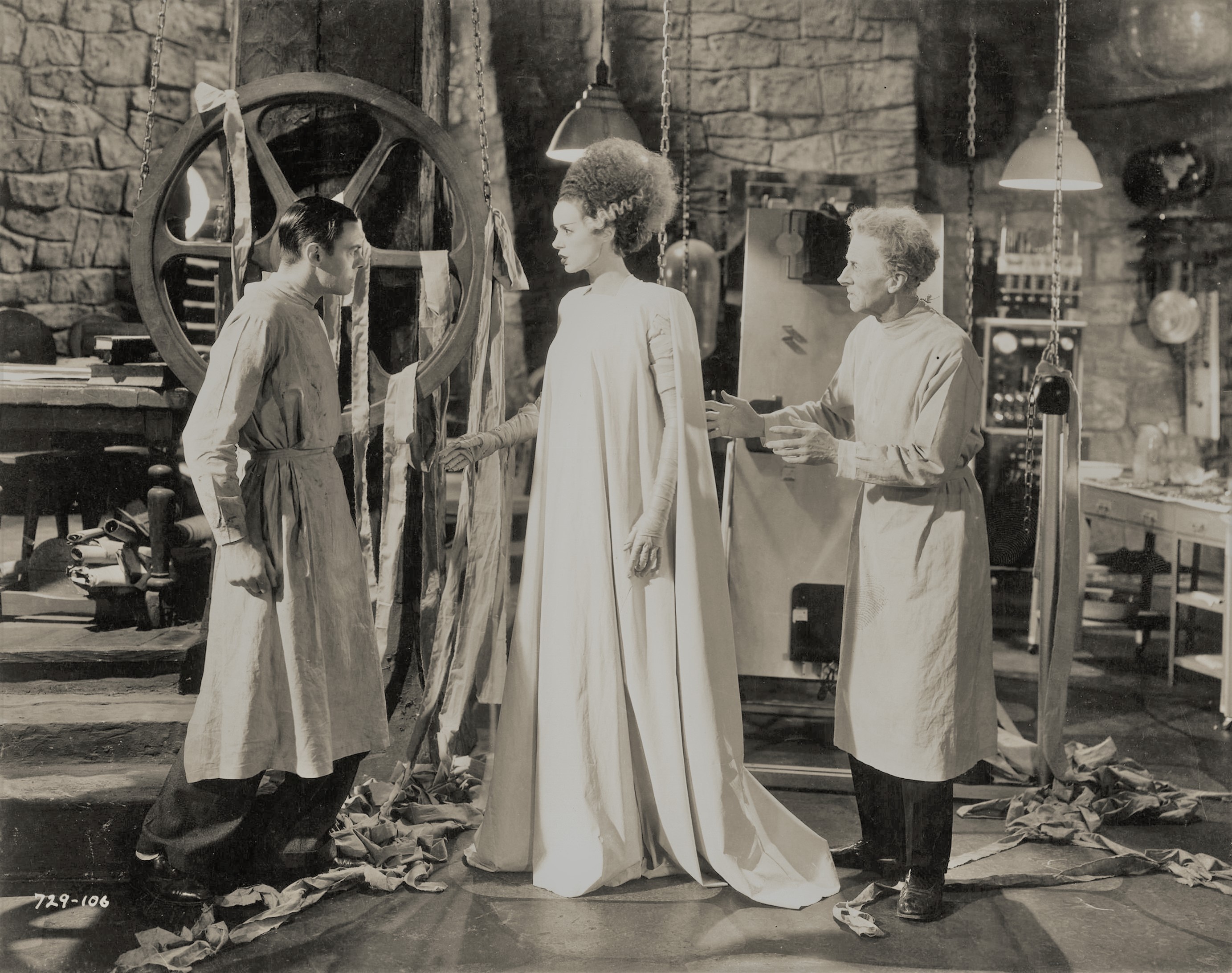
A Mate for the Monster

The mate for the monster.

A Mate for the Monster
~ A Short Story by Allen Kopp ~

(This is a re-post.)

The monster is seven and a half feet tall and as strong as ten men. He walks in a frightening, slow-gaited, halting manner. He has a bolt in his neck; his face is stitched onto his enormous head. He probably doesn’t know that he is made up of body parts from dead people (and if he did know he wouldn’t care). No matter where he goes or what he does, he scares people without even trying. That’s what makes him a monster.

He lives in a lonely castle on a mountaintop. He has no friends and his days are empty and pointless. His brain is not so addled that he can’t ask himself why he was ever created in the first place. He has recently taken to talking a bit and, when he’s not smoking cigars, drinking wine, or running around the countryside scaring people, he says things like, “Love dead—hate living.” This is not a good sign.

The mad scientist who made him, Dr. Victor Frankenstein, and his equally mad colleague, Dr. Pretorius, see that the monster is not happy. He is not fulfilled and is not living up to his full potential as a monster. After much thought and deliberation, the two mad scientists decide that the monster needs one thing above all others: a mate who will appreciate him for what he is and won’t be repulsed by the way he looks or by his crude manners. They toy with the idea of creating a male mate but that just doesn’t seem the thing, somehow, so they decide they will create for him a female mate.

Dr. Frankenstein sends his hunchback assistant, Fritz, out on a midnight graveyard run. From the graves of the newly dead, Fritz will gather the body parts needed to cobble together a female mate for the monster. He knows just the place, he says. Leave everything to him.

Now, Fritz has never been overly scrupulous about where he gets what he needs. He isn’t above going to the village and, seeing a lone woman standing on a corner singing a song, hitting her in the head to subdue her and then strangling her. When he makes sure she’s dead, he puts her in a burlap bag and throws it over his shoulder like a sack of potatoes and goes back to the castle. He knows Dr. Frankenstein will never ask questions as long as Fritz delivers the goods. The woman was just a nobody anyway. She’ll never be missed.

Dr. Frankenstein and Dr. Pretorius spend about two weeks creating what they think is a perfect mate for the monster. They take as much time as they need without rushing; they want to get every little detail just right. When the next violent thunderstorm occurs, they will be ready to harness the lightning.

They don’t have long to wait. All day long the next Saturday the sky is turbulent and dark. Finally, at night, a fearsome storm comes down the mountain, tearing at the castle walls. The wind howls and the rain falls as if a spigot has been opened in the sky. The lightning seems to be exactly on top of the castle, as if made to order. The two mad scientists place the as-yet lifeless body of the female mate on a table, connect the conductors that will attract the life-giving lightning, and hoist the table upwards through a hole in the ceiling.

The monster knows what is going on in the laboratory and paces his chamber nervously. Dr. Frankenstein has told him he must stay away until they are ready for him to see his mate. He combs his hair; he tries on several suits of clothes but nothing seems just exactly right. He fears that his mate will be afraid of him and will try to get away. He wonders if he will have to tie her up or club her in the head to be able to get a kiss from her. He lies on the bed and watches the storm out the window until there is a knock at the door; it’s the hunchback Fritz telling him that Dr. Frankenstein and Dr. Pretorius are ready for him to come to the laboratory.

When the monster sees his mate for the first time he is a little disappointed. She is standing between Dr. Frankenstein and Dr. Pretorius and she’s swaying from side to side as if she might fall over. Her hair is very high off her head and frizzy as if electrified; white strands on both sides resemble bolts of lightning. Dr. Pretorius has dressed her in a flowing white gown that goes all the way to the floor.

She tries to pull away when she sees the monster standing in the doorway, but Dr. Frankenstein and Dr. Pretorius hold her by the arms. As the monster walks across the room to her with a welcoming smile, she screams a piercing scream that rattles the castle to its very foundations. The monster is not put off by the scream but advances toward her. When he is face to face with her, Dr. Frankenstein and Dr. Pretorius let go of her arms and withdraw to the dark recesses of the room. She surprises the monster by hissing at him like a snake, which he finds very arousing. When she screams again, he puts his enormous hands around her throat to get her to shut up. And so begins a great romance.

Dr. Frankenstein proposes a toast and they all have a friendly glass of champagne. They break the champagne glasses in the fireplace for good luck and then Dr. Pretorius, who is also an ordained minister, marries the monster and his mate so there won’t be any question of immorality going on in the castle.

They all live happily for many years to come in Castle Frankenstein on their mountaintop. Eventually Dr. Frankenstein and Dr. Pretorius—even Fritz—all die because they are just ordinary men. The monster and his mate, however, live on and on. Through studying the writings of Dr. Frankenstein—and also Dr. Frankenstein’s father and grandfather—the monster has learned how to prolong his life and that of his mate for a very long time. The next thing he is working on is how to resurrect Dr. Frankenstein and Dr. Pretorius from the dead. If he is able to do that, there will be no stopping any of them.

Copyright © 2021 by Allen Kopp

Society Wedding

Society Wedding (2)

Society Wedding
~ A Short Story by Allen Kopp ~

(This is a re-post.)

On Saturday evening the sixth of August, marriage vows were solemnized between Ponselle de Fortenay von Hoople and Roger Melville Arcotte-Devaney III. The bride is the youngest daughter of Sebastian Fortescue de Fortenay von Hoople and Mitzi Upjohn de Fortenay von Hoople, both of whom are leading lights of café society and the yacht club set. The groom is a well-known champion polo player and scion of the Arcotte-Devaney manufacturing fortune.

The flower-laden ceremony was held in the lovely gardens of the palatial country estate of the bride’s parents, Forty Winks. The Right Reverend Everett Yawberry Lovell officiated, with a thousand invited guests in attendance, including the governor, Luther Addison Biggs, who is pleased to call himself friend of the family and business associate of the bride’s father. Also in attendance were the renowned novelist Miss Millicent Farquhar Meriwether (whose latest novel, Just Hurry Up and Die, is a huge success), and Broadway hoofer Miss Beulah Doakes.

The bride wore a lovely seventeenth century-inspired gown made entirely of Neapolitan lace that just about swallowed her up and made her look like the dress was walking down the aisle on its own. She chose as her maid of honor her lifelong friend and confidante, Miss Penelope “Pinky” Peebles, who, since she is a midget, was given a stool to stand on to make her as tall as everybody else. Those honored to be bridesmaids were Miss Vesta Cundiff (daughter of the well-known film actress Lola Lola), Miss Marguerite “Tiny” Cadwallader, Miss Fricka Wagstaff, Miss Beryl Belladonna-Stammers, Miss Veronica “Hambone” Turlock, and Miss Hildegard “Puffy” Mannering. In a unique twist for any wedding this season, and, in keeping with the outdoor setting, all the bridesmaids were dressed in costumes representing different birds, from the familiar robin to the sweet mourning dove.

The groom chose as his best man his brother, Mr. Bryce Errol Fennimore Arcotte-Devaney. Groomsmen were Mr. Antonio “Little Tony” Delessio, Mr. Justin Marburg Phipps IV, Mr. Franklin Lester Shumway, Mr. Percy Sherwood-Upjohn, Mr. Troy Biggerstaff, and Mr. Gideon Elijah Gottlieb. The men of the wedding party wore matching linen suits inspired by the planter of the pre-Civil War South, with broad-brimmed Panama hats and black patent-leather knee boots.

The bride’s mother, Mrs. Mitzi Upjohn de Fortenay von Hoople, was a standout among the ladies in her dress and hat made entirely of chicken feathers. She wasn’t able to speak with the beak she wore, but those who know her considered this a great advantage. The father of the bride, Mr. Sebastian Fortescue de Fortenay von Hoople, was the life of the party in his tuxedoed gorilla costume, complete with porkpie hat and cigar.

The mother of the groom, Mrs. Clara Tubbins Arcotte-Devaney, was dressed entirely in black in honor of her late husband, Mr. Roger Melville Arcotte-Devaney II, who died last fall when he fell into the ocean on his return trip to the United States from his travels abroad and was eaten by sharks.

The newly married couple departed on a honeymoon trip around the world on the luxury liner The Virgin Queen. When they return from their travels in about six months, they will reside in their renovated Fifth Avenue townhouse that reportedly cost twelve million dollars, a gift from the bride’s father. Part of the year they will reside in Palm Springs or in the chalet in Switzerland the groom inherited from his father.

This reporter had a chance to chat with the excited bride and groom before they ventured into the world on their own. The bride kissed this reporter on the cheek, leaving the imprint of her lips, and whispered in his ear, “I want a good write-up; no funny business, or my father will have you killed.” The groom gripped this reporter’s hand and, in his booming baritone voice, announced that he wanted him to come back in about ten years and see how many “little bluebloods” they have been able to “pop out” in that length of time. The bride squealed in mock outrage and punched her newly minted husband on the arm.

As the couple made their way to their waiting limousine, the assembled crowd shouted out their good wishes and threw handfuls of rice. The bride’s mother held a handkerchief to her beak and sniffled as the car drove down the winding drive and through the immense gates. She retired to her room in exhaustion as the guests began a drunken bacchanalia that would last until long after daybreak.

Copyright © 2021 by Allen Kopp

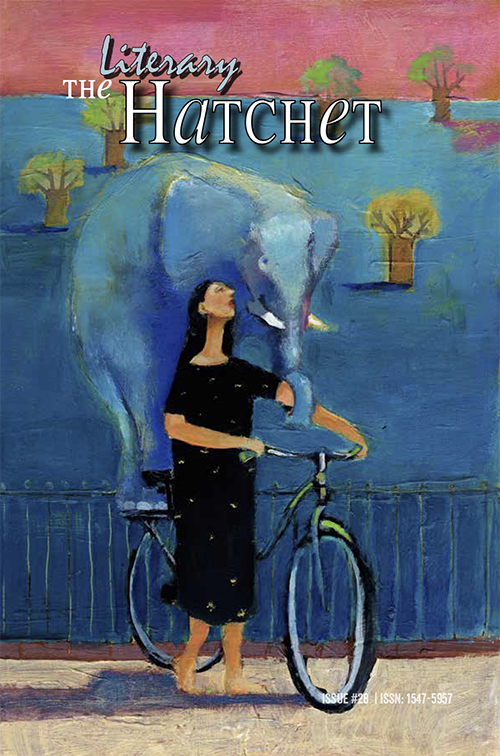
The Literary Hatchet, Issue 29

The Literary Hatchet, Issue #29

The Literary Hatchet is an independent international journal devoted to emerging and established voices crafting provocative short fiction and thoughtful poetry and prose. Published three times a year! (Stefani Koorey, editor; Eugene Hosey, editor; Michael Brimbau, editor.)

Contributing writers and artists for Issue 29 include Chelsea Arrington, Barbara Demarco-Barrett, Michael Brimbau, L B. Busser, Grim K. Deevil, Natascha Graham, Emiliano Gomez, George Kelly, Allen Kopp, Cadeem Lalor, Aurora Lewis, Christopher Locke, Juan Marquez, Fabiyas MV, Wayne Scheer, Carl Tait, Jim Windolf, Todd Zack, Lee Clark Zumpe, and Chani Zwibel.

*****

Available for purchase for $14 a copy at this link on Amazon:

Amazon.com

*****

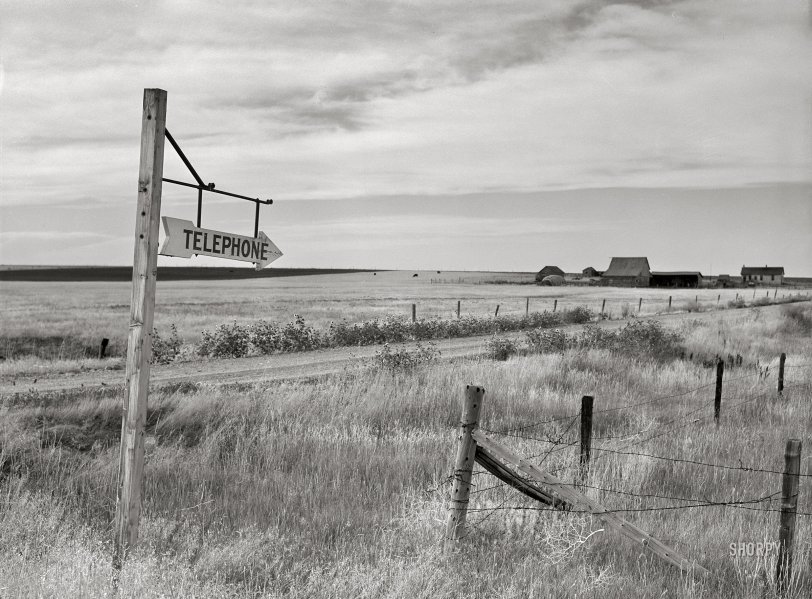
(A little note: I have six short stories in Issue 29 of The Literary Hatchet: “The Human Oddity,” “Alligator Bag,” “Each Dark Door,” “The Drinking Song,” “Little More Than Bones,” “Pay Phone.”)


Death and Dismemberment ~ A Short Story by Allen Kopp

Death and Dismemberment image 1

Death and Dismemberment ~ A Short Story by Allen Kopp

Selma Bellinger murdered her husband of twenty-two years, Lloyd Bellinger, at the breakfast table on a Wednesday morning in June. It was not quite as impulsive an act as it might have seemed at the time. She had wanted to murder him for a long time.

He was a swine and a philistine. He didn’t like Bing Crosby or I Love Lucy. He didn’t laugh when Milton Berle dressed up in women’s clothes. He didn’t read good books and, in fact, didn’t read any books at all. He didn’t like Ravel’s Bolero or Gershwin’s Rhapsody in Blue. He threw the wind chimes in the trash because the sound they made got on his nerves. He cut down all the rose bushes in the yard because he stuck a thorn in his fat thumb. He did whatever he wanted to do, without ever consulting Selma, believing he was lord and master and that his word was law. She had come to wonder whatever possessed her to marry him.

Selma had three cats—Fabian, Tiny and Adore—that she loved more than anything in the world. They were her children. They could do no wrong, even when they vomited on the living room carpet, sharpened their claws on arm of the couch or jumped up on a shelf and knocked a dish or a cup off and broke it.

Lloyd didn’t like Selma’s cats or any cats. He would tolerate them only if he didn’t have to see them, and that wasn’t tolerating them at all. Selma tried to keep them away from Lloyd, but it wasn’t always easy. Cats have a mind of their own. They go where they want to go.

On the June morning in question, Lloyd had just sat down at the breakfast table to eat his breakfast, consisting of eggs, bacon and toast. He was buttering his toast when one of Selma’s cats, the one named Fabian, jumped up on the table and helped himself to a slice of bacon. Fabian had the bacon in his mouth and was about to jump onto the floor with it, when Lloyd saw what he was doing and smacked him over the head with the newspaper as if he were a pesky fly.

Fabian wasn’t accustomed to being punished or reprimanded for anything he ever did. Startled and chagrined at being hit with the newspaper, he hissed at Lloyd (rightfully so) and ran out of the room. He was a sensitive soul. His feelings were hurt and he would probably keep himself hidden away all morning.

Well, Selma could take a lot, but one thing she could not and would not take was seeing any of her cats mistreated. In that moment she loathed Lloyd more than she ever had before, loathed him so much that she had to do something about it. She picked up the cast-iron skillet, approached Lloyd from behind where he sat at the table, and hit him in the head with it, wielding it like a baseball bat. For a small woman, she had surprising strength in her swing.

The teacup he was holding flew against the wall and smashed and he fell off the chair. He lay on the floor, looking up at Selma and making pitiful little wah-wah-wah sounds with his mouth. It seemed he was asking her why she had chosen that particular moment to smash his head in. When she saw he wasn’t dead yet, she hit him again with the skillet—again and again—and then once again for good measure. Nothing ever felt so good.  

Knowing that Lloyd was truly dead was the most exhilarating moment of Selma’s life. She wanted to scream for joy. She didn’t scream but instead sat down at the table and covered her face with her hands and cried the tears of happiness.   

The cats, sensing that something interesting had happened, came into the room and approached Lloyd’s body cautiously: sniff, sniff, sniff, tails straight out behind them. When they satisfied themselves that Lloyd was dead and wasn’t going to rise up against them, they danced around in unabashed delight. Fabian was particularly joyful. He meowed his growling meow and brushed against Selma’s legs until she picked him up and stroked him under the chin and apologized for Lloyd’s hitting him with the newspaper. My poor little baby! How much do I love thee?  

She stepped over Lloyd’s body for the rest of the day, but by nightfall she knew, realistically, she was going to have to move it or cover it or take it out and bury it or do something with it. She thought about driving out into the country and burying it, but that was too risky and she didn’t relish the thought of getting a dead body into the car, driving out of town with it, and then digging a grave all on her own.  

The basement seemed like a reasonable alternative to burial. It was quiet down there, dark and private. Nobody ever went down there.  

So, she dragged her dead husband by the ankles across the kitchen floor to the door that led to the basement, opened the door and let the body tumble down the basement steps of its own accord: thumpity, thump, thump, thump! What a satisfying sound! What a wonderful thing was gravity!

She couldn’t leave him down there like that, in a heap at the bottom of the basement steps. In no time he’d smell something awful and the nosy neighbors would notice the smell and call the police. No, she couldn’t have that.  

In the basement was a large, chest-like freezer. It was about half-full of meats and frozen foods at the moment. It seemed like the best place to keep a dead body until more permanent arrangements might be made.

She wasn’t sure if she could lift Lloyd’s body high enough to get it into the freezer on her own, but the way she saw it she didn’t have much choice. Supposing the gas man came and wanted to have a look at the gas meter, or the exterminators came for their yearly inspection? For obvious reasons, she couldn’t ask the next-door neighbors to come in and help her heave her husband’s dead body into the freezer. No, she had to do it on her own.

Lifting him was not a possibility, so she used a strong, light-weight rope. She tied the rope around the upper body and then, throwing the other end of the rope over a rafter, she elevated the body until the feet were barely grazing the floor. After securing the rope, she angled the body over the freezer and then cut the rope so that the body fell with a satisfying thunk on top of the steaks, lambchops, pizzas and frozen vegetables.

She closed the lid of the freezer and went back upstairs and had a well-earned rest.

She knew she wouldn’t be able to leave Lloyd in the freezer forever, but for the time being he was all right until she decided how to dispose of him. She would begin by telling people he had left her, for good this time, and she didn’t know where he went or when he’d be back. He always said he wanted to see the Volga River in Russia.  

At the grocery store, she bought whatever her heart desired without thinking of the cost: a fancy cake with strawberries and whipped cream, a bottle of champagne, chocolate-covered nuts, caviar, and the most expensive cat foods from the pet aisle.

The next day she went to the Pet Adoption Agency and adopted three more cats, two males and a female, to go with the three she already had. She named the two males Felix and Buckwheat and the female Ann Darrow, after the screaming girl in King Kong. She had six little ones now to keep her from being lonely, to wake her up before daylight, beg for food in the kitchen, chase the dustmop and run from the vacuum cleaner.

Always at the back of her mind, though, no matter what she was doing, was Lloyd lying stiff in the freezer in the basement: his rotten heart suspended in his frozen chest; his frozen, joyless intestines; his staring eyes in his frozen face. If only she could make him disappear! If only she could wish him away forever!

It came to her in the night when she was sleeping: she had a meat saw that she never used. She would cut Lloyd into sections like the not-so-prize pig that he was and conceal his various parts in the trash, one piece at a time. The trash was picked up once a week. One piece of Lloyd a week until there were no more pieces left. Auf Wiedersehen, Lloyd!

Selma had never cut up a body before and was a little nervous. Would there be a lot of blood? Would she become nauseated? Would she feel remorse?

Armed with the meat saw and a pair of heavy work gloves, she crept down the basement stairs and flung open the lid of the freezer. Yes, Lloyd was still there, exactly as she had left him, only now he was Ice Age man, recently discovered under a glacier in Siberia. With some effort she lifted his right arm and began sawing a few inches above the thumb. The bone was a little stubborn, but the hand came off easier than she expected.   

She wrapped the hand in old rags before it had a chance to thaw, tied it up with string, concealed it in the week’s trash inside a heavy black trash bag. The bag went into the trash can that she placed at the curb once a week. The trash truck would come along, the man would empty the can into the back of the truck without a thought, and she was well on her way to ridding the world of Lloyd Addison Bellinger!   

The next week it was the left hand and the week after that the right foot and the week after that the left foot, and so on, until Lloyd was armless and legless.

The head, when she cut it off, was heavier than she expected. She let it fall to the floor, ice-encrusted and solid as a cannonball. Crouching on her knees on the cold concrete floor, she cut the head into four neat sections, disposing of one-fourth each week for four weeks.  

The thick part of the body, where the stomach, intestines and other organs were, was more problematic. She wasn’t able to cut all the way through this part of the body with the saw, so she cut off small chunks each week. If she had known any cannibals, she would have been happy to donate the chunks to their stew pot.

Finally, after weeks she hadn’t bothered to count, the last vestiges of Lloyd were gone. The last piece of him went out in the trash. She spent a whole day cleaning up in and around the freezer. She bleached, scrubbed, mopped and disinfected until her hands were raw.

To celebrate the completion of her difficult and distasteful task, she had her hair done in the most flattering Doris Day style and bought new furniture for the living room, donating the old to charity.

She was happy at last, but she knew that one day somebody would come around looking for Lloyd with some unfinished business. It happened sooner than she expected.

On a Saturday evening in early October, there was an insistent knocking at the front door. When she went to the door and opened it, she saw a gray-haired, middle-aged man she had never seen before standing on her doorstep.  

“Yes?” she said.

“I’m looking for Lloyd Bellinger,” the man said.

“He’s not here.”

“Do you know when he’ll be back?”

“No.”

“Are you his wife?”

“I’m Mrs. Bellinger.”

“I really need to see Lloyd.”

“He isn’t here.”

“Do you know where he is?”

“No.”

“How long has he been gone?”

“You might tell me who you are and what you want with Lloyd before I answer any more questions,” she said.

“I’m Nelson, his brother.”

“He never mentioned he had a brother.”

“We were never close. Half-brothers, you know. Same father. Different mothers.”

“Funny he’s never mentioned you in all these years.”

“Would it be all right if I come inside?”

“Well…”

“I just walked all the way from the bus station. I was awake all night last night and I’m really tired.”

“Well, all right, but just for a little while. I’m expecting company.”

“That’s awfully good of you, ma’am,” he said, stepping through the door.

He hesitated in the doorway and then sat on the couch and smiled at her.

“What was it you wanted to see Lloyd about?” she asked.

“He has some property belonging to me. I came to get it.”

“What property would that be?”

“Some gold coins and a samurai sword.”

“I don’t think those things are here. Lloyd never mentioned them.”

“Look, do you think it would be all right if I lay down here on your couch and took a little rest? I’m not feeling very well.”

“I think it would be better if you just leave.”

“Just let me rest a while and I’ll feel better.”

He kicked off his shoes and lay back on the couch, positioning the sofa cushion under his head. He let out a breath, closed his eyes and went to sleep.

“You’ll have to go,” she said, but he didn’t hear her.

She went into the kitchen to call the police, but changed her mind after she picked up the phone. She let him come into the house. He hadn’t in any way threatened her. Suppose he really was Lloyd’s brother? She’d feel ridiculous if she called the police for nothing.

She waited patiently for two hours, thinking the whole time of what she would say to him to get him to leave. Finally he woke up, sat up on the couch and rubbed his eyes.

“What time is it?” he asked.

“It’s nearly eight. Don’t you have to catch your bus back to wherever you came from? I’m sorry you came all this way, but…”

“Gee, I’m hungry.”

“What?”

“I said I’m really hungry. That’s what woke me up.”

“I don’t have much food in the house.”

“Anything will do, ma’am. Don’t go to any trouble.”

She went into the kitchen and opened a can of vegetable soup and set it on the stove to heat. She opened a can of pears and poured them in a bowl and set the bowl in the middle of the table.

When the soup was hot enough, she went back into the living room to tell him to come into the kitchen and eat.

“Okay if I wash up first, ma’am?” he asked.

“At the end of the hall.”

Her patience was wearing thin.

He came into the kitchen, drying his hands on the front of his shirt. He smiled at her and she gestured for him to sit at the table.

He began slurping the soup. She took a box of crackers out of the cabinet and set it on the table.

“Thank you, ma’am. I wonder if I might trouble you for some coffee.”

“I don’t have any coffee, only iced tea.”

“Iced tea is my favorite.”

“After you eat, I’m going to have to ask you to leave. I have guests arriving any minute.”

She poured the tea into a glass and set it on the table in front of him.

“Sit down and let’s talk,” he said.

“There isn’t anything to…”

“Just sit.”

She pulled out the chair across from him and sat down.

“I think you do know where Lloyd is, don’t you?” he said.

“You’re not really his brother, are you?”  

“Half-brother.”

“I don’t think you’re any relation at all.”

“So, I think you’re lying and you think I’m lying. Now, what are we going to do about it?”

“I’m going to give you about two minutes to get out of my house.”

“Or you’ll do what?”

“Call the police.”

“I don’t think you’ll do that.”

“Why not?”

“You’re afraid of what I’ll tell them.”

She laughed or tried to laugh. “You can’t bluff me, Mr. Whoever-You-Are!  You’re just a bum who showed up at my door. Why should I believe anything you say?”

“You don’t need to insult me, ma’am,” he said.

He finished the soup and began eating the canned pears in the bowl.

“When you’re finished eating, I want you to leave.”

“You know, you have a beautiful house here? A big house! I’ll bet it’s worth a lot.”

“Thanks for stopping by today!” she said, standing up from the table. “I’ll tell Lloyd what a lovely visit we had.”

“Don’t think I’m going away empty-handed, dear! Lloyd owes me and, since he’s not here, I think you should be the one to pay up. Isn’t that the way it works? When the husband is gone, the little wifey is responsible for his debts?”

“I don’t know anything about gold coins or a samurai sword.”

“I believe you, so that’s why I think a cash settlement is in order.”

“Cash settlement? I don’t have any cash in the house.”

“Yes, but I’m sure you have it in the bank.”

“It’s Saturday night. The bank is closed.”

“That’s why I’m going to stay here for a few days and keep you company.”

“You can’t stay here! I have guests coming! I already told you!”

“That’s another lie. There aren’t any guests! I don’t know how you can lie so!”

“I’ll let you have two hundred dollars if you go away and leave me alone.”

“I think we can do a lot better than that,” he laughed. “I was thinking more in the neighborhood of ten thousand.”

“I’m not giving you ten thousand dollars! I don’t even know who you are!”

“You don’t believe I’m Lloyd’s brother?”

“No! Lloyd never had a brother!”

“Don’t you see the family resemblance?”

“There isn’t any! You’re just trying to extort money from me. That’s a crime!”

“So is murder.”

“I don’t know what you’re talking about.”

“Yes, you do. I know you murdered Lloyd and I know how you did it.”

“That’s ridiculous! I could never murder Lloyd! I could never murder anybody!”

“I was watching you the whole time.”

“That’s not possible! You don’t know anything about me!”

“I know enough.”

“You’re raving like a lunatic! I’m going to call the police!”

“And tell them what? That you murdered your husband?”

“I never murdered anybody!”

“I assume you’re willing to pay, then, to keep me quiet?”

She sat back down at the table, in a sort of a daze.

“You can stay until Monday,” she said. “I think we can come to some kind of an arrangement before then. You can sleep in the guestroom.”

“Don’t go to any trouble, ma’am. I can sleep on that couch in there.”

“You’re not really Lloyd’s brother, are you?”

“We’ll talk about that later. I’m going to be around for a while. And, who knows? You might come to like me in time. I’m not a bad fellow.”

“And what will you do if Lloyd comes back and finds you here?”

“We both know that’s not going to happen, don’t we?”

“I don’t know anything.”

“You know what? I’m still hungry! The Campbell’s vegetable soup and the canned pears were delicious, but they were as an appetizer to the main course. How about cooking me up something special like a good little wife? I’ll bet you’re a good cook.”

“What would you like?”

“Whatever you have on hand, ma’am. I don’t want to put you to any trouble.”

“I have some chicken thawing in the refrigerator, ready to fry.”

“Perfect! I love fried chicken!”

“Just sit right there, then. It won’t take long.”

“You bet I will!”

He was sitting in Lloyd’s chair at the table. She lifted the same cast-iron skillet above her head that she used in killing Lloyd. Wielding the skillet like a baseball bat, she hit him with all her might just above the ear. He bellowed like a bull and tried to stand up. She hit him again and then again, until he fell to the floor, flopping like a fish out of water. When he stopped struggling—stopped moving—she knew he was dead.

Sensing that something exciting had happened, the cats came into the room: first Adore and then Ann Darrow, followed by Buckwheat and Fabian, with Tiny and Felix bringing up the rear. They danced around the body on the floor, sniffing, waving their tails and mewing. They showed they were delighted. They showed they heartily approved.

Copyright © 2021 by Allen Kopp

Twilight Man ~ A Capsule Book Review

Twilight Man ~ A Capsule Book Review by Allen Kopp

Through no effort on his part, William Andrews Clark Jr. (1877-1934) was heir to a vast copper-mining fortune. He had two wives, both of whom died young. He had one son who also died young. With his money, he became a philanthropist and a well-known figure in and around Los Angeles in the 1920s and early ‘30s. He started the Clark Memorial Library, which specializes in rare and extremely valuable books. He founded the Los Angeles Philharmonic Orchestra and was instrumental in building the Hollywood Bowl.  

W. A. Clark Jr. also had a secret. He was a gay man at a time when men of stature were never gay, when being gay was, to most people, the worst thing a man could be. Men like him were not, could not, ever be a pervert! A deviant! A degenerate! With his vast wealth, he was able to keep his sexual orientation a closeted secret.

Around 1919, W. A. Clark Jr. met a young man working as a clerk in a store. The young man’s name was Albert Weis Harrison (later changed to Harrison Post). He was twenty years younger, darkly handsome, slightly Semitic-looking, with smoldering dark eyes. W. A. Clark Jr. was immediately taken with Harrison Post. With all his money, he might have anything—or anybody—he wanted.

From the moment of meeting W. A. Clark Jr., Harrison Post’s life was never the same. He didn’t come from a wealthy family. It was lower middle-class, at best. With his association with W. A. Clark Jr., Harrison found himself in a world of wealth and privilege, international travel and celebrities. He counted among his friends Greta Garbo, Marlene Dietrich, Bebe Daniels and other Hollywood luminaries. He became a celebrity himself, a millionaire clubman, a socialite. He was born to the role. Of course, W. A.  Clark Jr. and his inner circle went to great lengths to conceal the true nature of his relationship with Harrison Post. They called Harrison an employee and he collected a hefty salary, for which he did nothing. He was the “Twilight Man” of the book’s title.   

W. A. Clark Jr. and Harrison Post were together for fifteen years. When W. A. Clark Jr. died suddenly at age fifty-seven in 1934, he left his partner Harrison Post well-provided for, with two houses and a large bequest. Harrison Post was thirty-seven at the time. It seems that Harrison would have been able to live happily and comfortably for the rest of his days, but this was when his troubles really started.    

Harrison was in poor health. He had a stroke, along with other health problems. His greedy sister, Gladys (a phony countess), assumed control of Harrison’s money and had him declared incompetent. She and her unscrupulous husband, Charles Crooks, kept Harrison confined to the house, sedated and drugged. The idea was that they were taking care of him, but the truth was they were trying to gain control of his wealth for themselves. This sorry state of affairs went on for a number of years. Harrison was essentially helpless, under Gladys’ control.

In time, Harrison’s health improved enough that he was able to get away from Gladys and Charles. He went to Norway with a “companion,” a Norwegian masseur. He became trapped in Norway when the Nazis invaded and eventually ended up in a Nazi prison camp. This was certainly an unexpected twist in his strange life.

The war ended and he was able to leave Norway and return to America. He planned to go back to Norway, however, and buy a hotel after he reclaimed (through the courts) his rightful fortune that Gladys and Charles had stolen from him. Meanwhile, they (Gladys and Charles) had absconded to Mexico, where they kept themselves well-hidden, living in comfort and luxury. The rest of Harrison’s life was spent in a fruitless legal battle with his sister and her husband to reclaim the money and property they had taken from him when he was “incapacitated.”

Truth is stranger than fiction. Twilight Man by Liz Brown is an ironic, exhaustively researched, meticulously detailed account of an unlikely alliance between two vastly different men of different backgrounds and classes. It’s story of wealth, concealment, hypocrisy, loss, greed, and war. What else do you need to make an interesting (true) story? Truth is stranger than fiction.     

Copyright © 2021 by Allen Kopp