Train compartment in the 19th century.


Train compartment in the 19th century.
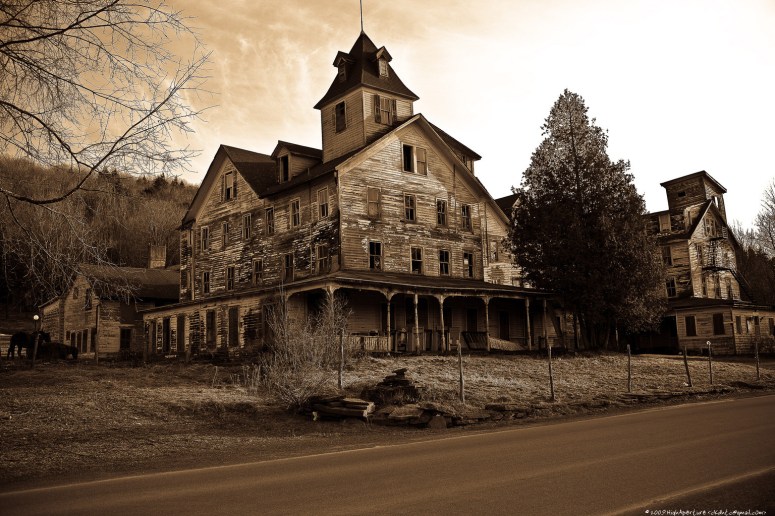
When you drive by, you don’t see any ghosts but you feel certain they are there.
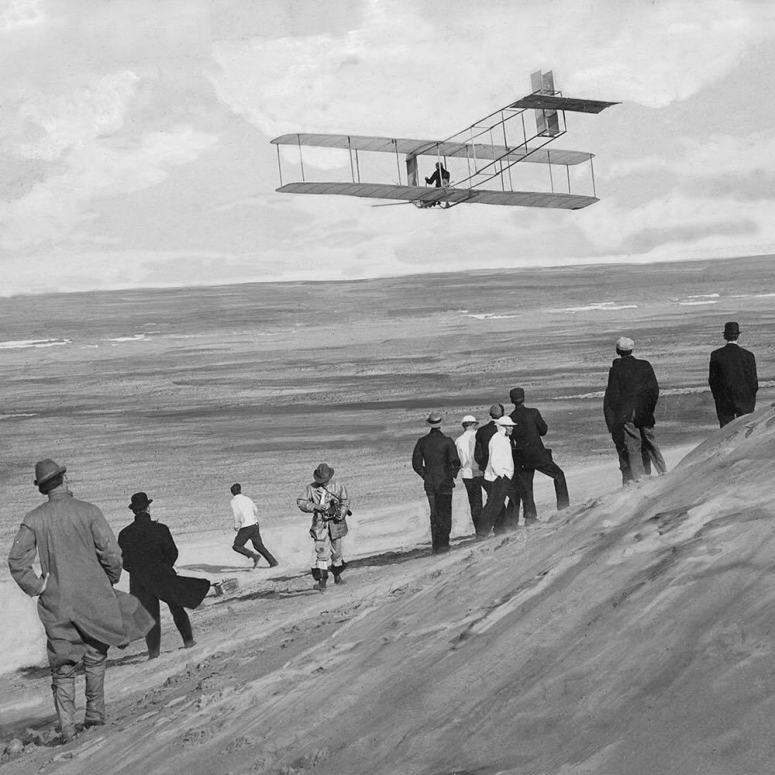
October 24, 1911, Orville Wright’s record flight at Kill Devil Hills, North Carolina.
1930 Cadillac 452 V16 2-Seat Coupé

1913 Daimler

Christopher Street, Greenwich Village (1934) by Beulah R. Bettersworth
Beulah R. Bettersworth (1894-1968) was an American artist and muralist, known for her street scenes and still lifes. Her 1934 painting, Christopher Street, Greenwich Village, was selected for the White House by Franklin D. Roosevelt and is now in the permanent collection of the Smithsonian American Art Museum.


The Shell Collector ~ A Capsule Book Review by Allen Kopp
A volume of short stories by Anthony Doerr:
“The Shell Collector”: (The title of the collection is taken from the first story.) A blind marine biologist who specializes in the study of shells lives a reclusive life on the coast of Africa with his seeing-eye dog in this long (40 pages) short story. When he discovers, by accident, that the potentially deadly sting of a cone shell cures a young woman of malaria and then cures a local nine-year-old girl of a disease from which she is about to die, he is hailed as a healer and his life is turned upside down by the unwanted attention he receives. There are lots of impressive technical details about shells in this story, if you are inclined to be interested in such a thing.
“The Hunter’s Wife”: A man who hunts and fishes for a living (a modern-day Daniel Boone) meets a strange hippy girl much younger than he is. (You know she’s going to be trouble.) He marries her and they live in a rustic cabin in the woods. He continues to pursue his profession, while the hippy wife discovers that she can touch a dead animal (or, later, a dead person) and see what the animal experienced in its life and at the moment of its death and after. She begins to study witchcraft (not surprising) and she eventually leaves the hunter and goes off to pursue her own interests. Twenty years later (the hunter hasn’t seen her in all this time), she is a celebrity of sorts who has written books on the subject of communing with dead things. She invites the hunter to attend one of her public appearances and, at the end, they are reunited in a boy-girl way. There’s lots of sickening imagery here of dead and dying animals. If you find this offensive, as I do, you shouldn’t read this story.
“So Many Chances”: A fourteen-year-old Hispanic girl named Dorotea moves with her parents to the coast of Maine. She meets a sixteen-year-old boy who intrigues her and takes up fly-fishing. Over the course of a summer, she discovers some unsettling truths about herself and her father. (Yawn.)
“For a Long Time This was Griselda’s Story”: An odd, very large, volleyball-playing girl named Griselda Drown goes to a carnival and falls in love with a freak, an older, silent man who eats metal. She goes away with him on very short acquaintance, becoming the object of gossip in her hometown and making life difficult for her mother and her strange, fat sister, Rosemary, who marries a local butcher named Duck. Griselda’s mother dies of shame and frustration at the loss of her daughter. Griselda is not entirely lost, however. Years later, she returns to her hometown as assistant to the metal eater in his one-man, metal-eating freak show that draws crowds at twenty-five dollars a head.
“July Fourth”: No, this story has nothing to do with the holiday. It’s about a group of American men (we never know any of their names) who engage in a fishing competition with a group of British men that takes them all over the world, always looking for the best place to catch the best fish. They will undergo any hardship or deprivation for the sake of fishing. The thing is, the Americans aren’t very good at fishing (or at anything else, it seems) and are always outmaneuvered by their British rivals. When they end up fishing a strange river in Lithuania, they begin to discover the truth about themselves.
“The Caretaker”: At 45 pages the longest story in the collection. (Technically, a 45-page short story is a novella instead of a short story.) Joseph Saleeby is a Liberian who loses everything (family, job, home) in his war-ravaged African country and eventually ends up in Oregon, where he is hired as caretaker for a rich family, the Twymans. Joseph’s job is to tend the family’s estate while they are away, but he neglects his duties and the house and grounds suffer from lack of supervision. He is fired, of course, and his inner life is revealed. He is racked by guilt because of past deeds. While still in his home country, he stole, killed a man, and let his mother do heavy work while he slept. After Joseph is fired from the job of caretaker, the Twymans believe he has left, but he is really hiding out in the woods above the estate. He buries some enormous whale hearts from whales that have become stranded on the beach, and on that site he grows a garden from some seeds he stole. Eventually he meets the Twymans’ unhappy, deaf, fifteen-year-old daughter. She is trying to kill herself by drowning in the ocean and Joseph rescues her. They become friends and Joseph learns some sign language so he can communicate with her. Soon the Twymans discover that Joseph is hiding in the woods near their home and, after verbally abusing him, arrange to have him deported back to Africa.
“A Tangle on the Rapid River”: Mulligan is going fishing (fishing again!) in the wee hours of the morning. He stops by the post office in town where he rents a secret post office box so he can get letters from his paramour. He’s married, don’t you know, and is having an extramarital affair. There is a letter from the she with whom he is cheating on his wife and she’s making demands; she doesn’t like it when he spends too much time with his wife. He reads the letter and then sticks it in the newspaper he has with him. Hours later, after sunup, he is resting underneath a tree when two other fishermen come along. It’s a man and woman and Mulligan knows them. The mannish woman “hunts, fishes, and tracks” and is a niece of his wife. This woman wants to see his newspaper for a moment so she can check the racing results. Mulligan wants to get rid of them, so he tells her to go ahead and take the newspaper. He remembers, AFTER it is too late, that the letter from his mistress is folded up in the newspaper! Oh, my gosh! The niece of his wife is going to find it and read it. What is this philandering son of a bitch going to do now?
“Mkondo”: A man named Ward Beach who works for a museum in Ohio is sent to Africa to find a rare fossil of a prehistoric bird and bring it back with him. While in Africa, he becomes enamored of a local woman, Naima, and ends up spending a lot longer away from home than he intended. Naima’s thing is running. She runs all the time and Ward Beach can’t seem to catch her. (Symbolic. Get it?) He proposes to her and she accepts. (Mistake!) He brings her back to Ohio, where she experiences chronic and severe culture shock. She’s not used to the sky being gray all the time in the winter. It’s very difficult for her to abandon her African ways in the midst of American culture, and Ward Beach changes toward her because she’s not the same as she was in Africa. Wait a minute, though, we’re not finished. Naima discovers photography and it returns her to a love of the world. (If you are paying any attention at all, you will know halfway through this 35-page story how it is going to end.)
The short stories in The Shell Collector are beautifully written, first-rate every step of the way. Anthony Doerr displays an impressive array of knowledge on such subjects as marine biology, wildlife, fishing, African terrain and photography. Whether or not you like the stories and find them engaging, though, is another matter. A person finding himself/herself through fishing or killing animals is completely removed from my realm of experience, as Ernest Hemingway’s stories about bullfighting are. To me the stories in The Shell Collector are kind of sterile. Technically perfect though they might be, they lack feeling. I wasn’t moved by any of them.
Copyright © 2018 by Allen Kopp
This beautiful house in New Orleans sells for $4.5 million. I’ll take it!