One Hundred Years of Solitude ~ A Capsule Book Review

One Hundred Years of Solitude cover

One Hundred Years of Solitude ~ A Capsule Book Review by Allen Kopp 

The novel One Hundred Years of Solitude was written by Colombian author Gabriel García Márquez (1927-2014), first published in 1967, and translated to English in 1970. It tells the story of seven generations of the Buendía family, whose patriarch, José Arcadio Buendía, founds the town of Macondo (the city of mirrors that will reflect the world around it) in search of a better life. Ursula, José Arcadio Buendía’s wife (and first cousin), lives for 130 years and is a dominant character in the life of the family. (Incest is a recurring theme throughout the novel.)

One Hundred Years of Solitude can be read and enjoyed as merely a chronological sequence of events in the lives of the Buendia family, but it helps to know something of the underlying meaning. Gabriel García Márquez uses a fantastic fictional story as an expression of reality, with myth and history overlapping. Myth serves as a vehicle to transmit history to the reader. For example, the characters in the novel experience the Liberal political reformation of their colonial way of life, the arrival of the railway, the Thousand Days’ War (1899-1902), the corporate hegemony of the “banana company,” the cinema, the automobile, and the massacre of striking workers.

The inevitable and inescapable repetition of history is a dominant theme in One Hundred Years of Solitude. Márquez reiterates the metaphor of history as a circular phenomenon through the repetition of names and characteristics belonging to the Buendía family. The characters are controlled by their pasts and the complexity of time. Throughout the novel the characters are visited by ghosts that are symbols of the past and the haunting nature that the past has over their lives.

Another major theme is solitude. Macondo is in the remote jungles of the Colombian rain forest. The solitude of the town is representative of the colonial period in Latin American history, where outposts and colonies were, for the most part, not interconnected. The Buendías, isolated from the rest of the world, grow increasingly solitary and selfish. With every member of the family living only for himself or herself, they become representative of the aristocratic land-owning elite of that period in Latin American history.

Whether you’re interested in the political and historical implications or not, One Hundred Years of Solitude is still a multi-layered and entertaining story with many interesting characters. (Sometimes the names of the characters are difficult for the reader to keep straight because of the repetition of names.) José Arcadio Buendía and his wife Ursula are parents of José Arcadio, Colonel Aureliano Buendía, and Amaranta. Colonel Aureliano Buendía is a warrior and revolutionary leader. He starts thirty-two unsuccessful wars and fathers seventeen sons by seventeen different women. All of the sons have the name Aureliano with their mothers’ last names. He marries Remedios Moscote while she is still a child; she dies soon after the marriage during her first pregnancy.

Rebeca is the orphaned daughter of Ursula’s cousin who comes to live with the Buendías. She carries the bones of her parents in a bag and eats earth and whitewash off the walls. She eventually marries her adoptive brother José Arcadio and lives a life of seclusion after his death.

Arcadio is José Arcadio’s illegitimate son, a schoolteacher who assumes leadership of Macondo after Colonel Aureliano Buendía leaves. When Liberal forces in Macondo fall, he is shot by a Conservative firing squad.

Aureliano José is the illegitimate son of Colonel Aureliano Buendía. He joins his father in several wars but deserts to return home to Macondo because he believes he is in love with his aunt Amaranta. He is eventually shot to death by a Conservative captain midway through the wars.

Santa Sofía de la Piedad is a beautiful virgin girl who marries Arcadia Buendía. After her husband is executed, the Buendías take her in, along with her children.

Remedios the Beauty is Arcadio and Santa Sofía’s first child. She is so beautiful that several men die of love (or lust) for her. She is so naïve that she is perceived as being mentally retarded. Too beautiful and perhaps too wise for the world, she ascends into the sky one afternoon while folding a white sheet.

José Arcadio Segundo and Aureliano Segundo are twins born to Arcadio and Santa Sofía. José Arcadio Segundo plays a major role in the banana workers’ strike and is the only survivor when the striking workers are massacred. After the massacre, he spends the rest of his days studying the parchments of Melquiades (a history of the family written in Sanskrit, which is mentioned repeatedly throughout the novel) and tutoring the younger Aureliano. (The two twins die at the exact same time.) The twin brother, Aureliano Segundo, marries the beautiful and bitter Fernanda del Carpio and takes as his mistress Petra Cotes. After the long rains (four years, eleven months and two days), his fortune dies up. He begins searching for buried treasure, a pursuit that nearly drives him to insanity. He dies of throat cancer.

Renata Remedios, who is called Meme, is the second child and first daughter of Fernanda and Aureliano Segundo. To placate her mother, she learns to play the clavichord as well as a professional performer. When Meme falls in love with a mechanic named Mauricio Babilonia, her mother has him shot as a chicken thief and sends Meme off to a convent, where, a few months later, she gives birth to Mauricio Babilonia’s child. Her mother, Fernanda, takes the baby (Aureliano) and claims he was a foundling who came delivered in a basket to cover up her daughter’s promiscuity.

José Arcadio II (the only possibly gay character in the novel) is raised by Ursula, who wants him to enter the priesthood and become pope. He studies in Rome but doesn’t become pope. He eventually returns to Macondo and discovers buried treasure, which he wastes on lavish parties and escapades with adolescent boys. He plans to set up his nephew, Aureliano Babilonia, in business but is murdered in his bath by the adolescent boys, who ransack his house and steal his gold.

Amaranta Ursula is the third child of Fernanda and Aureliano. She never knows that the Aureliano Babilonia, the child sent to the Buendía home, is her nephew, the illegitimate child of Meme. Amaranta Ursula and Aureliano Babilonia become best friends in childhood and enter into a passionate affair when they are older, in spite of Amaranta Ursula having a husband, Gaston. Amaranta Ursula has a baby by Aureliano, which is born with a pig’s tail, as was prophesied. This baby, which is eaten by ants (also according to the prophesy), is the last of the Buendía line. As the line dies out, the town of Macondo is destroyed in a hurricane.

One Hundred Years of Solitude has become a classic of world literature and is the most famous work by Nobel Prize-winner Gabriel García Márquez, who died in April 2014 at the age of 87.

Copyright © 2014 by Allen Kopp
Catch-22 ~ A Capsule Book Review

Catch-22 cover

Catch-22 by Joseph Heller ~ A Capsule Book Review by Allen Kopp 

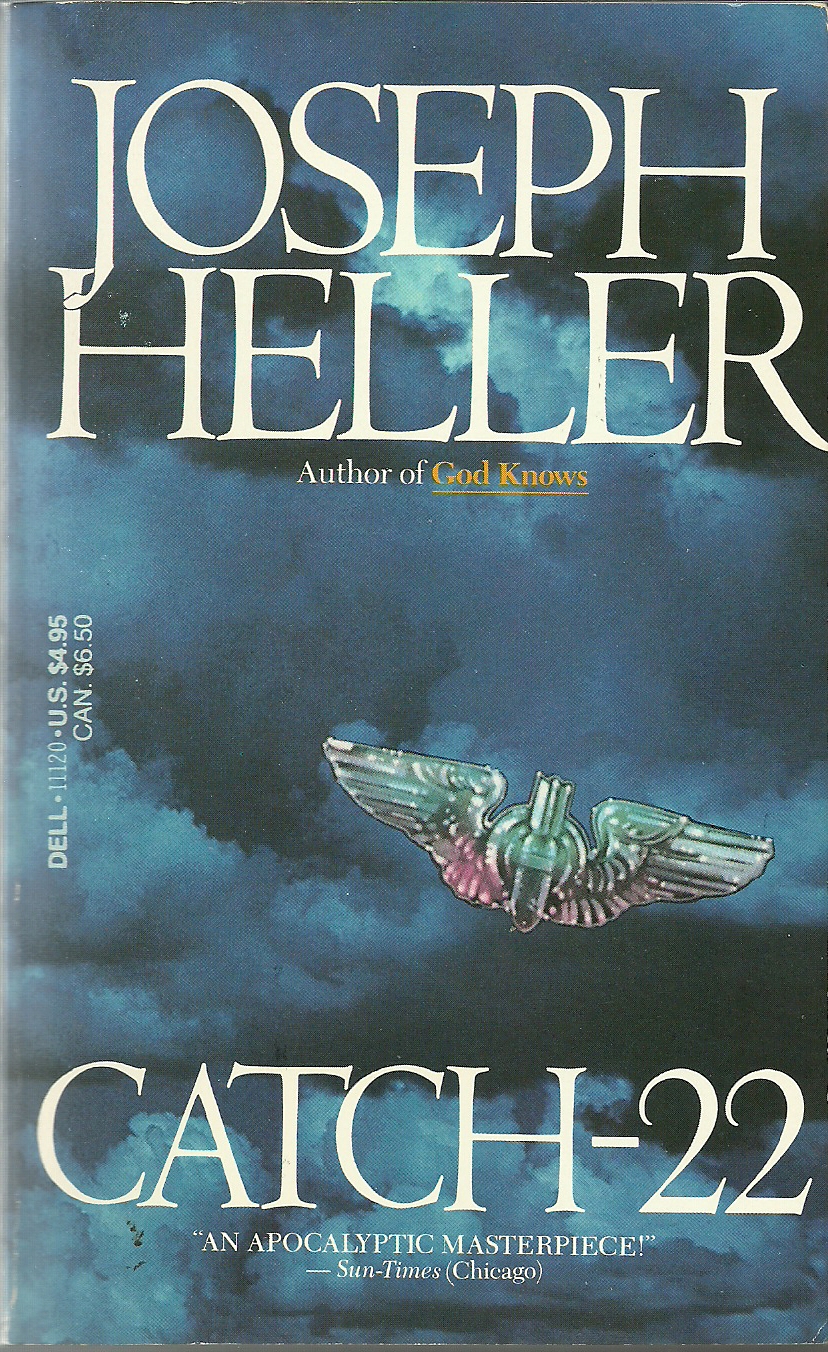
Catch-22 by Joseph Heller was first published in 1961 and is one of the landmark American novels of the twentieth century, ranking number seven on the Modern Library’s list of the hundred best books in the English language of the twentieth century. It is an irreverent account of one man’s experiences in World War II on the fictional island of Pianosa in the Mediterranean Sea off the coast of Italy.

John Yossarian is a twenty-eight-year-old American bombardier of Assyrian descent who isn’t a hero or a patriot, but is more of an antihero. He seems not to care much about the war or who wins it. He has flown a certain number of bombing missions over Italy to fight the Germans and he believes he has flown enough. He wants nothing more than to survive the war and to be sent home while he is still alive. Anytime he completes the requisite number of missions, an ass of a superior officer raises the number of missions in an effort to bring glory to himself and to impress his superior officers (possibly have an article about himself in the Saturday Evening Post). Yossarian is told he might be relieved of flying more missions if he makes such a request to a senior officer, but the only trouble is that only crazy people can be relieved of flying more missions and anybody who asks to be relieved isn’t really crazy and so can’t be relieved. This is the “catch-22” in the situation. There are many catch-22s throughout the novel.

The army in Catch-22 resembles more a lunatic asylum than a disciplined fighting force. The officers in charge are vain, pompous, petty, self-serving, insecure, vindictive and jealous. (Just like in the real world, these people exist everywhere.) With such as this in charge, how can you go right?

Catch-22 is filled with satire, irony, paradox and dark humor. Besides the maddeningly memorable officers, there are whores (one of whom tries to kill Yossarian because she believes he is responsible for the death of her boyfriend), an insecure chaplain, a young man who is cut to ribbons by the propeller of a plane when he attempts to touch the bottom in a playful gesture (his severed legs lie on the beach and nobody wants to go near them), a mess officer who corners every market including Egyptian cotton, a patient in the hospital who is so encased in bandages that nobody can be sure if there’s anybody inside or not, and a seductive nurse with whom Yossarian has an affair until she decides he’s not the kind of fellow she should be associating with. A memorable cast of characters that you might meet in your bad dreams. If war is hellish idiocy, the people who conduct the war are worse.

Copyright © 2014 by Allen Kopp

Jude the Obscure ~ A Capsule Book Review

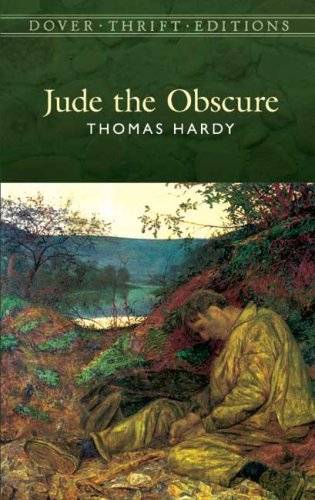
Jude the Obscure image 1

Jude the Obscure by Thomas Hardy ~ A Capsule Book Review by Allen Kopp 

English writer Thomas Hardy (1840-1928) is known for a handful of novels including Tess of the D’Urbervilles, The Return of the Native, Far from the Madding Crowd, and the Mayor of Casterbridge. His novel Jude the Obscure was released in book form in 1895 after appearing in serialized form in a magazine.

Jude the Obscure is a fascinating study of class distinction, conscience, and morality in the Victorian era. Young Jude Fawley is a country lad without family or connections, raised by an elderly aunt who cares little for him. He longs to become an educated man, or even a minister, but, because of who he is and where he lives, he has little chance of ever being more than a stonemason, a trade he has chosen to provide enough money to support himself. He views the college town of Christminster (Oxford), twenty miles away, as a center of learning and all that is fine in life. Jude’s old schoolmaster, Richard Philottson, whom he admires and looks up to, has gone to Christminster. (Mr. Philottson will play a significant role in Jude’s future life, and not in a good way, either.)

While Jude is saving his money to eventually go to Christminster and enroll in school, his way is made more difficult by one Arabella Donn, an unrefined country girl who, because she is has nothing else to do, “sets her cap” for Jude. (He would have been better off if he had never met her.) After he is “intimate” with her, she tells him she is going to have his baby, so he marries her, to discover sometime later that there is no baby; the pregnancy was just a ruse to trap him into marriage.

The marriage is an unhappy one, so Jude and Arabella eventually go their separate ways, although they remain married. When Arabella immigrates to Australia with her family, Jude believes (wrongly, as it turns out) that he has seen the last of her. He eventually makes his way to Christminster, several years later than he intended, and finds that the doors to higher learning are mostly closed to him. He is advised to stick to his trade and not try to rise above his station. (Thanks for the encouragement!)

While in Christminster, Jude finds his old schoolmaster, Mr. Philottson (who doesn’t remember him from all the boys he taught), but, more importantly, he finds his cousin Sue Bridehead and is instantly drawn to her in a way he knows he shouldn’t be. Sue is attractive but, we discover later, emotionally unstable and volatile, with an overly developed sense of right and wrong in the world.

Jude falls in love with Sue Bridehead, in spite of his better judgment. Sue also loves Jude in her strange, on-again, off-again way. Mr. Philottson aids Sue in finding a teaching position and becomes romantically interested in her himself, even though he is eighteen years older than she is. Jude and Mr. Philottson, in effect, become rivals for Sue.

Jude wants to marry Sue (even though they are first cousins) but can’t because he is still married to Arabella, who he believes he will never see again because she has gone to Australia. Sue would marry Jude, but, when he tells her in a moment of candor that he is already married, her sense of morality is outraged and she agrees to marry Mr. Philottson instead, even though she finds him physically repugnant.

As expected, Sue and Mr. Philottson’s marriage is not a happy one. Mr. Philottson knows that Sue really loves Jude, so he agrees to magnanimously “release” her from her marriage vows and grants her a divorce. This act will essentially ruin his teaching career and his standing in the community.

In the meantime, Arabella has turned up again unexpectedly in England. She seeks Jude out and asks him for a divorce because there is someone else she wants to marry. Jude will finally be free, he believes, to marry his one true love, Sue Bridehead.

But, wait a minute! There’s something else. In the final stages of her marriage to Jude, Arabella became pregnant, which she didn’t know about until she had left for Australia. She brings the child back to England and expects Jude to take him off her hands because, she says, he is the boy’s father.

Jude takes the boy (who is called Father Time because he seems old beyond his years), believing that he and Sue will get married and raise the boy as their own. This would have been a happy conclusion to the novel, but, of course, it wasn’t meant to be.

Jude and Sue are both free of their original marriages and are free to marry again, but Sue prevents it. She views marriage as a trap and believes that marriage between her and Jude will spoil their love. They live together as man and wife, giving the outward appearance they are married when in fact they are not. (We know this kind of arrangement will not go over well in Victorian England.) When they are discovered to be “living in sin,” Jude has trouble finding work or a place for them to stay.

They eventually have two children (with a third on the way) that are “bastards” in the eyes of the world. When tragedy strikes the children, Sue believes that she and Jude are “cursed” because of the way they chose to live. She believes the only way she will ever be redeemed in the eyes of God and society is for her to return to her original husband, Richard Philottson (even though her heart tells her otherwise), and for Jude to return to his first wife, Arabella.

Jude Fawley is a flawed, tragic character in that he is never able to find true happiness or fulfillment of his dreams. He is undone, not by one woman, but by two. He is a victim of his own weakness and humanness. He dies believing he should never have been born in the first place.

Sue Bridehead is too flighty and “moral” for this world. She seems uncertain of what she wants out of life. She prates on and on about doing one thing and another, only to end doing nothing. (She doesn’t seem to know how to help herself or anyone around her.) She wants to be Jude’s wife and then she decides against it. She wants to marry Richard Philottson and then she wants out of the marriage, only to return to him in the end. She’s a dizzy dame that any man with any sense should stay away from. (She says toward the end of the book that her attractiveness to men has been her undoing in life.)

The only character who seems to find happiness is the amoral Arabella, who uses people to suit her purposes. She’s the only person who seems unscathed by the tragic events that take place. At the end of the novel, she’s flirting with a doctor. We get the impression that she will be all right no matter what and will not be bothered too much by anything that happens.

Jude the Obscure is highly readable classic of English literature, a nearly perfect novel with plenty of heartbreak. At 320 pages, it moves along at a fairly fast clip. Of course, it contains some language and syntax that seem archaic to us today, but that’s to be expected for the time in which it was written. Reading it does not require a tremendous expenditure of time and effort. A lot of writers of Thomas Hardy’s time said a lot less in a lot more pages.

Copyright 2014 by Allen Kopp 

The Goldfinch ~ A Capsule Book Review

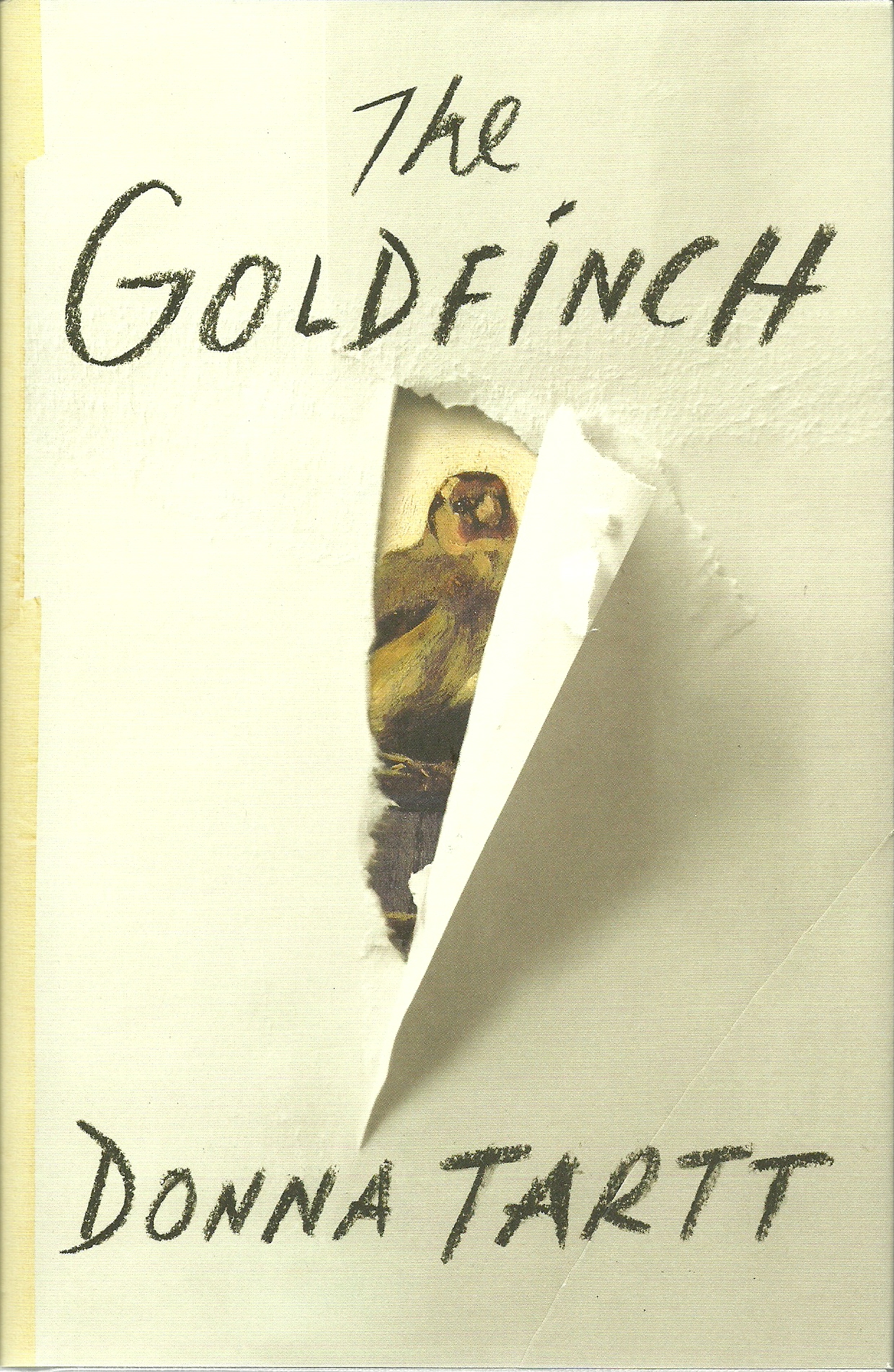
The Goldfinch cover

The Goldfinch ~ A Capsule Book Review by Allen Kopp 

The Goldfinch by Donna Tartt won the Pulitzer Prize for best fiction book this year. It’s a contemporary American story with a Dutch painting from the seventeenth century at its core and a central character, one Theodore Decker, for whom chance or fate or luck—whatever you choose to call it—plays a significant role.

Theodore, or “Theo” as he is called, is twelve years old when the story begins. He is with his mother at a New York City art museum (his parents are divorced and his father has long since departed) when a terrorist’s bomb kills his mother and several other people and destroys a large part of the museum. Theo, through circumstance (chance?), narrowly escapes being killed himself.

Right before the blast, Theo’s mother goes off alone to look at something in another part of the museum. Theo is compelled to stay behind because he is intrigued by a young girl with red hair with an old man, possibly her grandfather. (When the blast occurs, Theo doesn’t know right away that his mother is killed but thinks she will have gotten out safely and will wait for him at home.) Theo goes to the aid of the old man and the girl with red hair (the man dies but not before giving Theo a ring he is wearing; the girl is badly injured). This chance meeting (chance again) significantly alters Theo’s future.

In the after-explosion confusion, Theo finds his way out of the wrecked museum alone and is largely ignored by the rescue people. Before he leaves, however, he sees a small, priceless painting, The Goldfinch (that he and his mother had been looking at a short time before), hanging out of its frame. He slips the painting into the school bag he is carrying, in effect stealing it. He doesn’t know why he takes the painting or what he plans to do with it. (Chance makes the thief.)

The Goldfinch is an actual painting by gifted Dutch painter Carel Fabritius, who was a student of Rembrandt’s. Fabritius was killed at age 32 in 1654 when a gunpowder storehouse exploded in Delft, destroying one-quarter of that city. All but a dozen or so of the paintings of Fabritius were destroyed. (These two violent explosions, one real and the other fictional, bookend the painting.)

Finding himself without family or anyone to care for him, Theo remembers a school friend, one Andy Barbour, that he at one time felt close to. The Barbours are a snooty, upper-crust Park Avenue family, but they (rather reluctantly) take Theo in—for the time being, anyway—because he has no place else to go. He shares a room with his old friend Andy Barbour and tries to resume his life the best he can, living without his mother with a strange family. While he is living with the Barbours, he allows the ring that the old man at the museum gave to him to lead him to the home, in another part of the city, of one James Hobart (or “Hobie,” as he is known). Hobie is the partner in the antiques business of the old man killed in the museum blast. He is kind to Theo and begins to introduce him to the antiques business, specifically furniture restoration.

Through Hobie, Theo becomes acquainted with the red-haired girl who made such an impression on him the day of the museum bombing. Her name is Pippa and, when Theo discovers her, she is recovering from her injuries, as is he (his more emotional than physical). Over the years, his obsession for Pippa grows, even though their lives take divergent paths.

When Theo’s good-for-nothing father, Larry, reappears to assume his parental duties, he has a creepy girlfriend in tow named Xandra. (It seems that Larry is interested, above all, in how he might benefit from his late wife’s estate.) Larry and Xandra take Theo out of the Barbours’ home to live with them in Las Vegas.

Theo’s life takes a decided turn for the worse in Las Vegas. His father is volatile and unreliable; Xandra a self-obsessed bitch who is in no way a mother figure. Theo befriends a Russian boy his own age, Boris, who is, at best, a terrible influence on him. Boris leads Theo down a path of illegal drug use, shoplifting, binge drinking, and other disgusting activities that teenagers without parental authority are sometimes left to engage in.

Theo’s father eventually meets his sad end (we saw it coming), causing Theo to take the wrapped-like-a-mummy The Goldfinch (which he has kept hidden in his room all this time) and take a bus to New York City, with Xandra’s tiny dog, Popper.(It seems that Xandra isn’t even responsible enough to care for a small dog.) He ends up at the home/business of Hobie, who was so kind to him when he was younger. Not having anyplace else to go, he lives in a room at Hobie’s house and learns the front end of the antiques business, while Hobie works with the behind-the-scenes restoration.

In a short time, Theo turns the antiques business into a success but not without some shady business dealings on his part that Hobie doesn’t know about. Outwardly he shows all the signs of success (expensive suits, hobnobbing with wealthy antiques patrons), but inwardly he is never really happy (his philosophy of life being that it’s better never to have been born). He begins using drugs heavily and becomes engaged to a frosty society bitch named Kitsey Barbour (even though he secretly pines for Pippa), who just happens to be the daughter of the family who took him in after his mother died.

During these years of growing into young adulthood, Theo believes he has The Goldfinch with him, although he never takes it out anymore and looks at it. He puts the painting, or what he believes is the painting, in a storage locker for the safekeeping of art objects. Hearing of other cases where art thieves receive stiff prison sentences, he is naturally afraid of what will happen to him if it is discovered he has the lost painting. He isn’t even able to explain why he took it in the first place. He would never be able to sell it or own it in the usual sense.

When Theo’s friend Boris from his Las Vegas days shows up in New York (he hadn’t heard from Boris since he left), Boris tells him, much to his surprise, that he (Boris) “stole” the painting from him when they were still high school students in Las Vegas. The wrapped-up article that Theo believes is the painting is, in reality, an old civics book. (“I thought you knew,” says Boris.) It seems that gangsters and high-level drug dealers use stolen art as “collateral” to get financial backing for their enterprises. In trying to recover the painting, Theo is drawn into the shadowy world of art theft.

The problem with the painting (what to do with it, how to turn it in to authorities without winding up in jail, etc.) is eventually resolved for Theo, after many twists and turns and a near-suicidal trip to Amsterdam at Christmas. Boris is such bad news for Theo most of the time but more often than not turns out to be his salvation. He (Boris) is a kind of tarnished, bad angel, who goes recklessly through life in his own way, ignoring all the rules that “good” people follow.

The Goldfinch is an interesting—if overly long—reading experience. It is so long, in fact (771 pages), and reading it requires so much time and effort that the less dedicated reader might give up before he/she begins. That’s not to say that it’s a boring book or that it’s not written in an easy, readable style. It is compulsively readable most of the time and only in the last couple of hundred pages did my interest begin to flag. (The eighty or so pages in Amsterdam seem to be overly drawn out.) When I was wanting the book to finally end, it seemed to me to go on and on and on. It’s a book, though, that if you do undertake to read it, you will feel at the end that you are better and smarter for having done so.

Copyright © 2014 by Allen Kopp  

The Fires of Vesuvius ~ A Capsule Book Review

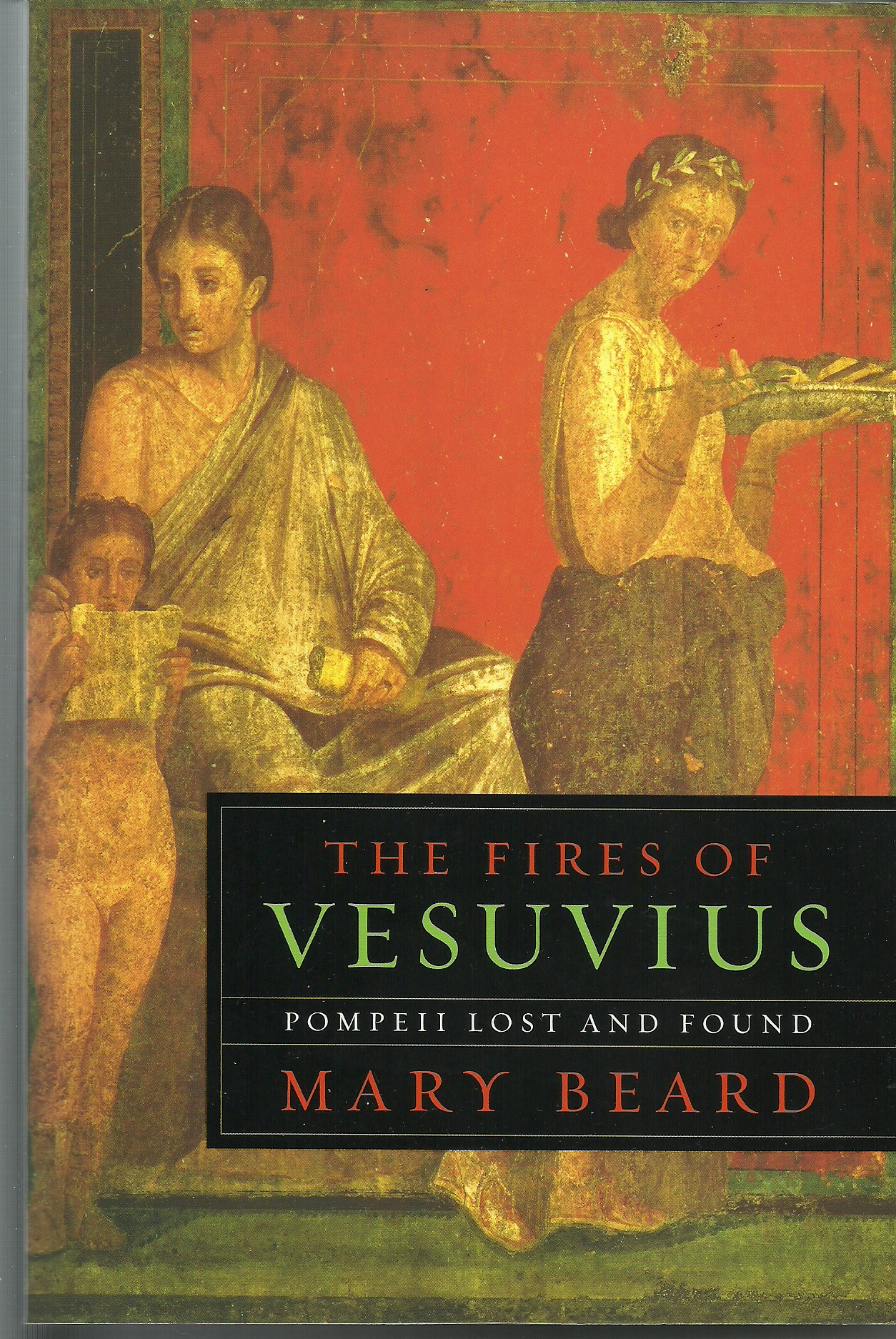
The Fires of Vesuvius cover

The Fires of Vesuvius ~ A Capsule Book Review by Allen Kopp 

During the early Christian era and for hundreds of years before, Pompeii was a thriving seaside town of 20,000 people or so, about 150 miles southeast of Rome. In the year 79 AD (or BCE), the volcanic mount Vesuvius erupted and literally buried the town alive under layers of pumice and volcanic debris. Scholars had known of the existence of Pompeii from written records, but the town itself wasn’t “rediscovered” until the 1700s, at which time archaeologists began the painstaking job of digging it out bit by bit. (Excavation continues to this day, 250 years later.) Since the town hadn’t been touched for all those centuries, its streets, temples, houses, paintings, etc., were remarkably well preserved. It gave the world a chance to know a lot more about a long-lost period in history than had been previously been known.

The Fires of Vesuvius by Mary Beard is an exhaustively detailed account of what the ruins and artifacts teach about what life was actually like in the Pompeii of two thousand years ago: how people lived (bad teeth, no toothbrushes), what their dwellings were like (those made of wood mostly don’t remain except for nails and fittings), how they navigated about town (one-way streets), how they got water into their homes (a fairly sophisticated system of “running” water that not everybody could get), how and what they ate (a fairly healthy diet of fruits and vegetables; cooking utensils and ovens for baking bread remain), how they made a living (farmers in the immediate vicinity around the town; shopkeepers, fullers and small-business owners in the town), what they did for entertainment (plays and gladiatorial games), how and who they worshipped (many gods to choose from; few or no signs of Christianity at the time of the eruption), what their political structure was like (only the rich could stand for office because they were expected to use their money to benefit the public in some way), what they wore (not so many togas), what artwork they admired (phallic symbols carved everywhere, meaning prosperity and good fortune), how they buried their dead (on the roads outside of town, elaborate memorials for the cremated remains of the rich; barely a hole in the ground for the poor), where they went to take a bath (elaborate public baths with little or no sanitation; sometimes turds floating in the water), and in some cases, their private thoughts expressed in “graffiti” that is everywhere in the town. The people of Pompeii were apparently a fairly literate bunch, and they took advantage of the quaint custom of writing their thoughts and feelings on walls or wherever they happened to be, much of which survives. Thankfully this custom has mostly died out. I, for one, don’t want to have to look at scribbled writing on every surface, which, I’m sure, would be unbelievably ugly.

Readers who have more than just a passing interest in Pompeii, or those who plan to go there, will find plenty in The Fires of Vesuvius to recommend it. The casual reader will probably be put off by the dense text (although it isn’t that difficult to absorb) and the wealth of minute detail, more than the average person reading for pleasure is going to want to know. If, however, you are a student of archaeology or are writing a research paper, this book will prove to be a valuable storehouse of information.

A tiny footnote that I found interesting that I hadn’t known before: During World War II, the Allies, in bombing Italy to subdue Il Duce, destroyed parts of the ruins of Pompeii. Whether this was deliberate or accidental isn’t stated. The irony is that some of the ruins had to be reconstructed to make them look the way they did before the bombing.

Copyright © 2014 by Allen Kopp

Restoration ~ A Capsule Book Review

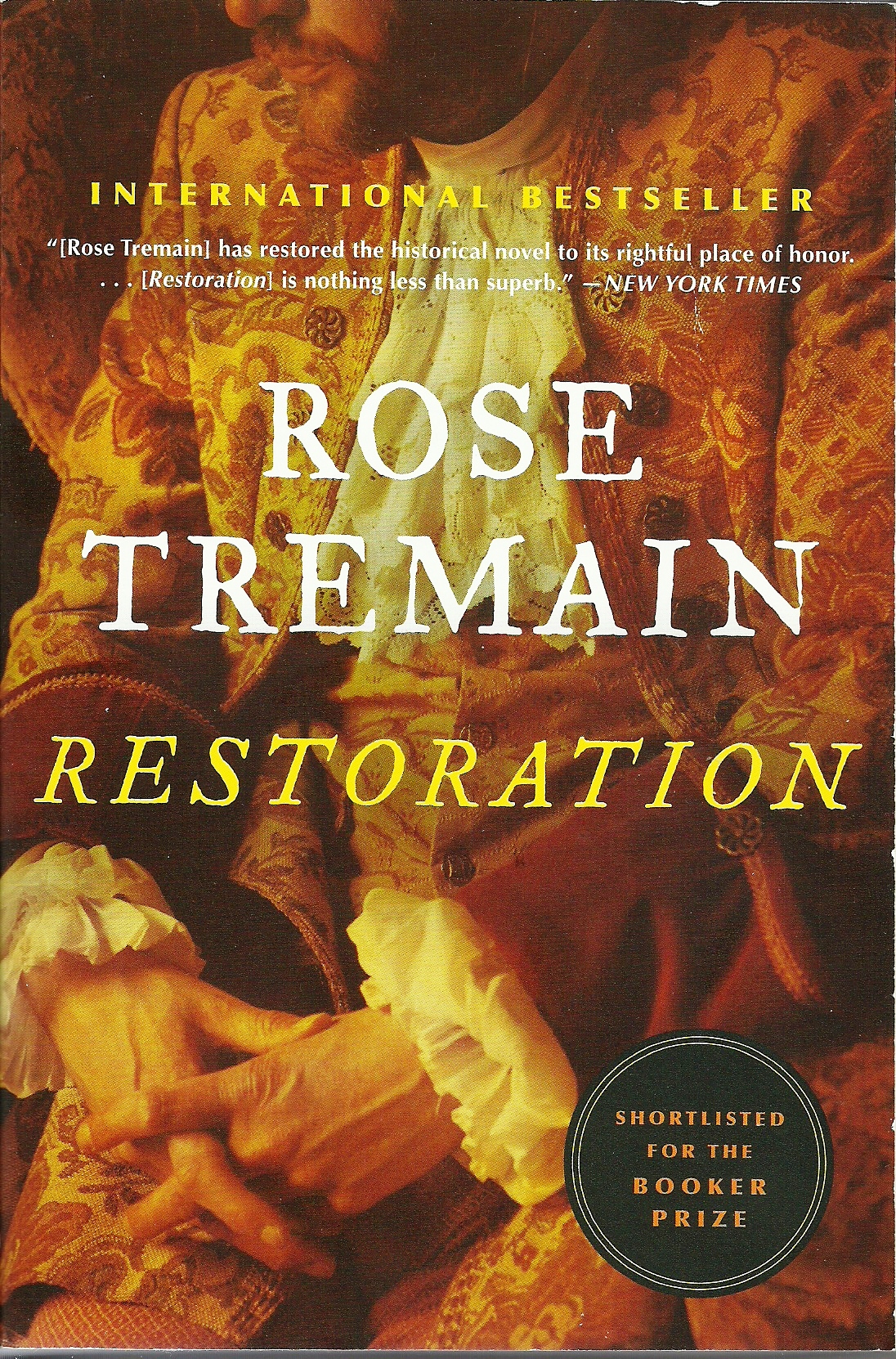
Restoration cover

Restoration ~ A Capsule Book Review by Allen Kopp

From 1649 to 1658 was the period in English history known as the English Interregnum or the English Commonwealth. The country during this period was a de facto republic with Oliver Cromwell as virtual dictator. A political crisis resulting from Cromwell’s death in 1658 led to the restoration of the monarchy with Charles II as king. The period that followed is known as the “Restoration.” It was a time of fashion (plumes, powdered wigs, knee britches with stockings, high-heeled shoes with polished buckles—all for the men), relaxed moral values, hedonism, excesses of every kind, greed and materialism. The historical novel Restoration by Rose Tremain is about this period in English history and about one man in particular, the fictional Sir Robert Merivel.

Merivel is very much a man of his times. He comes from humble beginnings, begins studying to be a doctor as a young man, and is soon caught up in the pursuit of fulfillment of his appetites. He abandons his study of medicine, becomes a sort of courtier in the court of King Charles and, for a brief period, is a favorite of the king. The king, however, is known for his mercurial personality and for his whims, for taking up one person one day and throwing him down the next. Merivel makes the king laugh but the king finds for him another purpose: the king will marry Merivel to the king’s mistress, Lady Celia, a marriage in name only. In return for this marriage, the king sets Merivel up in a magnificent country estate called Bidnold, which has everything an English country gentleman could ask for: lots of servants, a park filled with abundant wildlife, and lots of room to pursue a life of idleness and pleasure. (Merivel takes up painting and playing the oboe but finds he has little talent for either pursuit.) Like Adam and Eve in Paradise, however, Merivel does the one thing he is absolutely not supposed to do: he falls in love with Lady Celia. When the king finds out, he dispossesses Merivel, telling him he needs to go find himself, to “restore” himself to the kind of man he was always meant to be. Suddenly without money or a home, Merivel must embark on a quest to find out who he really is and to fulfill his purpose in life. Fate takes him to a mental hospital run by Quakers in a rural part of England (where he inadvertently finds himself a father) and back to London again where he deals with a plague epidemic and the Great Fire of 1666.

Restoration is not the potboiler one might expect it to be. It elevates the “historical fiction” genre into the realm of “good literature.” It’s beautifully written and contains not a dull or extraneous word. It illuminates a fascinating period in English history without ever being academic or seeming like a history lesson. It brings a remote period of history alive and makes it somehow relevant.

Copyright © 2014 by Allen Kopp 

My Antonia ~ A Capsule Book Review

My Antonia cover

My Antonia ~ A Capsule Book Review by Allen Kopp

I first read My Antonia (pronounced An-to-NEE-ah) in my youth and recently read it again. It is the venerable American classic novel by Willa Cather, first published in 1918, about life on the prairie in Nebraska in rough pioneering days. It is set in the late 1800s, when all the farm work had to be done by hand, there was no electricity yet to speak of, and cars were still mostly only a figment of the imagination. The story is told in the voice of Jim Burden, a young boy from Virginia who goes to live with his grandparents in Nebraska after his parents die. His grandparents have been farming for a long time and are fairly prosperous and comfortable for the time and place.

Jim Burden befriends a girl a few years older than he is named Antonia Shimerda, whose family has emigrated from Bohemia. They live in a mud hut in the side of a hill and don’t seem to be able to adapt to farming life on the prairie. Antonia’s father, seeing he has made a mistake to bring his family to such a hard life, commits suicide, leaving Antonia, her mother, sister and two brothers to manage on their own. Antonia has no other choice but to do the work of a man to keep her family going. She endures many hardships but survives her youth and grows into adulthood.

Eventually Jim’s grandparents give up farming and move into the Nebraska town of Black Hawk. Jim and Antonia remain friends, as she becomes a sort of servant girl in town to Jim’s neighbors, the Harlings. There is never any sort of “romance” between Jim and Antonia; they are more like brother and sister. Soon Antonia disappoints those who know her by taking up with the wrong kind of man. After she runs off with him and he abandons her, she finds herself with an illegitimate child. She bears this burden as she has all the others in her life. In later years, after Jim Burden has been away to school and becomes a lawyer, he returns to find Antonia married to a not-very-successful but kind man named Cuzak, with a large brood of children. They are happy, although still struggling.

My Antonia is steeped in time and place (isn’t that better than steeped in vulgarity?) and is about a way of life that no longer exists. Its themes are friendship, growing up, overcoming adversity, and holding onto memoires long after one has moved on. It’s one of the most readable classic American novels, for younger and older readers. There’s a reason it has endured for almost a hundred years while a lot of other books have fallen into obscurity.

Copyright © 2014 by Allen Kopp

New York Mosaic ~ A Capsule Book Review

New York Mosaic cover

New York Mosaic ~ A Capsule Book Review by Allen Kopp 

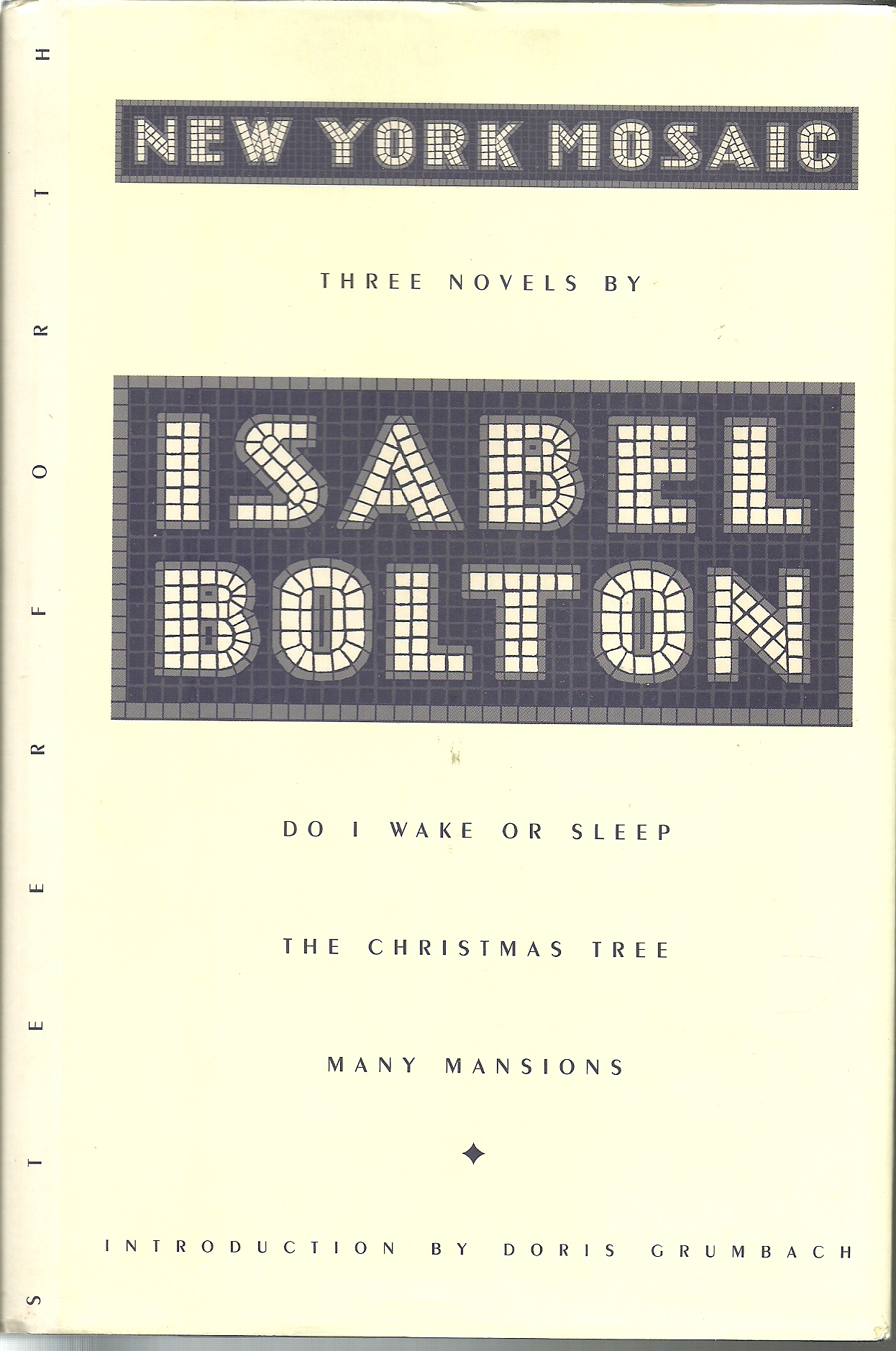
Her name was Mary Britton Miller but she wrote under the name Isabel Bolton, a little-known American writer who lived from 1883 to 1975. She wrote children’s poetry and stories and a handful of novels. Three of her short novels (Do I Wake or Sleep, The Christmas Tree, and Many Mansions) have been collected into one 400-page volume under the title New York Mosaic.

Not much happens in Do I Wake or Sleep (first published in 1946), the first of the three short novels in New York Mosaic. The story (or what there is of one) centers around an “older” woman named Millicent. She has come from humble beginnings but has somehow managed to live in a luxurious New York apartment amid the skyscrapers. She and all her friends are angst-ridden because World War II is in progress and they are all worried about the fate of the world. Millicent’s friend Bridget has a retarded daughter living in Vienna (“my little cretin”) who might be in danger because she’s living with Jewish relatives, and the Nazis…well, you know what the Nazis were doing. In spite the danger that Bridget’s daughter might be facing, Bridget is “gay” all the time, attending parties in her fancy clothes and running around with the smart set. Bridget tells her friends that being a society girl is the only way she can deal with the problems of the world. Then there’s Percy Jones, a novelist of some renown and a drunkard. He is fascinated with Bridget and everything about her, but he is so much older than she is and knows he doesn’t have a chance with her. Millicent is concerned about Percy and is thinking about marrying him herself to get him to “settle down” and stop fussing over Bridget. There is an altercation at a cocktail party that comes about as the result of a misunderstanding. Percy is injured when he is knocked to the floor. That is the big dramatic moment in the novel.

The Christmas Tree (first published in 1949) is my favorite of the three novels. It has much more “bite” than the other two. Hildegard Danforth, another New York matron, has a young grandson named Henry and, since it’s Christmas, she wants to give him a beautiful Christmas tree. Larry, Henry’s father and Hildegard’s son, is gay. Anne, Henry’s mother and Larry’s ex-wife, sends Larry a telegram telling him that she has just married a flyer and they are on the way to his mother’s apartment in New York to spend Christmas. (The reason for the telegram isn’t clear, unless it’s to taunt him.) For some unexplainable reason, Larry also heads for New York for Christmas. He has just left his gay lover, Gerald Styles, and doesn’t seem to know where to go or what to do. Gerald follows Larry to New York without Larry knowing. All the characters converge on Hildegard’s apartment on Christmas Eve. When Henry sees Larry, his father, he wants nothing to do with him and tells him he hates him. Larry is crushed while the stepfather seems very smug. The tragedy that occurs on the terrace, sixteen flights up, is probably not what you would expect for a novel from the 1940s.

In Many Mansions (first published in 1952), an eighty-year-old woman, Margaret Sylvester, is re-reading a novel she wrote about her life when she was younger and is reflecting on all the things that happened to her in her life. She is born into a wealthy New York family where everybody has plenty of money and plenty of leisure to do as they please. When she is a young woman, she has a summertime romance with an uncle by marriage and finds herself pregnant. Her family is forgiving, but they whisk her off to Europe for a year or so, where she gives birth to the baby without anybody knowing. The baby is put up for adoption and it is as if the entire episode never happened. (The baby’s father, her uncle, never knows.) Her life after the baby takes a different course than what is expected of a girl of her class. She has plenty of money to live on, but she takes up with some radicals and union organizers and becomes politically active with the intention of ending war, improving conditions for workers, and making the world a better place. Her family doesn’t approve. During this time, she has “very close” relationships with other woman (read into that what you will). Years later, after she has moved on from political activism, she buys a large old house, which she renovates to her own use. She rents her basement apartment to a young man, who promptly, against Miss Sylvester’s wishes, moves his pregnant girlfriend in with him. By a quirk of fate, she discovers that the young man was the baby she gave up for adoption all those years ago. He never knows that she is his mother, but she settles a large sum of money, apparently anonymously, on his child, her grandchild.

Isabel Bolton’s writing is dense, wordy, old-fashioned by today’s standards, and not easy to read or digest. She loves the compound-complex sentence with many clauses. With a lot of her sentences, you have to go back and break down the various clauses to figure out what she is saying. For the serious reader, New York Mosaic is engaging enough to recommend it, but the casual reader will probably find it not worth the effort.

Copyright © 2013 by Allen Kopp

The Maid’s Version ~ A Capsule Book Review

The Maid's Version cover

The Maid’s Version ~ A Capsule Book Review by Allen Kopp 

Daniel Woodrell is one of the best current American writers. He is from Missouri and his characters are country people, poor white trash and small-town people. His novels are darkly realistic, spare (averaging about 200 pages), and are so much fun to read because they are so good and so different from a lot of current fiction that is bloated and pretentious. My favorite books by Daniel Woodrell are Tomato Red and The Death of Sweet Mister. I went to one of his book signing events in St. Louis and came away with signed copies of both those books. Daniel Woodrell in person is about what you would expect him to be from his writing. There’s nothing flashy or pretentious about him. You wouldn’t know by looking at him that he’s a celebrated writer.

Daniel Woodrell’s latest book is The Maid’s Version. It is the fascinating story, set in the fictional Missouri Ozarks town of West Table, of an illicit love affair that leads to tragic consequences. The maid of the title is one Alma Degeer Dunahew, an uneducated woman who is employed as a domestic in the home of one of the leading citizens of the town, Arthur Glencross. Arthur lives in a fine house with his wispy wife and two children and is president of the bank.

Alma has a difficult life. She lives in what is described as a shack. Her husband, named Buster, is a drunk and isn’t very reliable. She has to take care of three boys (one of whom, Sidney, is sick) out of her meager earnings. She also has a younger sister named Ruby, a vivacious girl who is popular with the men and who doesn’t much care whether they’re married or not. Ruby’s unlikely love affair with Arthur Glencross forms the emotional core of the novel. Arthur claims to be in love with Ruby but is terribly afraid that people will find out he is carrying on with her. Their meetings are furtive and passionate. Ruby is also in love with Arthur, so the secrecy is fine with her.

We learn at the beginning that Ruby, along with thirty-nine other people, dies tragically in a fire and explosion at a dance at the Arbor Dance Hall in 1929. (The unidentifiable victims, including Ruby, are buried in a mass grave in the town cemetery, marked by a black angel.) For decades people speculate about what, or who, caused the fire. There’s plenty of blame to go around, but nobody seems to know for sure. Was it a hellfire-and-brimstone preacher who wanted to teach people a lesson about the wrath of God, or was it St. Louis gangsters? Any theories that people have are all unproveable.

The Maid’s Version isn’t told in linear style. It moves back and forth in time and from one character to another, making it seem a little disjointed and more challenging to read that it might otherwise have been. (Some of the brief sections throughout the novel are glimpses at the lives of people who died in the fire and of how they came to be at the dance.) All the pieces come together at the end, though, and we learn, finally, the truth of how the fire got started and what made it so much worse than in might otherwise have been. The explanation is ironic but completely plausible.

Copyright © 2013 by Allen Kopp

Brave New World ~ A Capsule Book Review

First Edition Cover
First Edition Cover

Brave New World ~ A Capsule Book Review by Allen Kopp 

Brave New World was written by British writer Aldous Huxley in 1931. It is the influential and highly regarded novel (number five on the Modern Library’s list of the 100 best books of the twentieth century) about a utopian earth hundreds of years in the future where all people are created in a laboratory. Viviparous birth (where the mother carries the child and delivers it alive) is passé and vulgar. People are divided into castes: alpha, beta, epsilon, etc. The lower castes are created to be inferior mentally and physically so they will be well suited to performing menial jobs. There is no family and no marriage. Neither are there any moral restrictions on sexual activity—the motto is: “Everybody belongs to everybody else.” The state relies heavily on conditioning and “hypnopaedic” learning (homilies and truisms are delivered to the brain of the learner while he/she is asleep) to make sure everybody is conforming in the way they are supposed to. Those who express subversive thinking or engage in subversive activity are exiled to “an island,” in some cases Iceland. What happens to them on the island can only be imagined because we are never told.

Most diseases have been eradicated, as has any unhappiness or discontent. Nobody is allowed to be alone because solitude breeds unhappiness. If there is ever the slightest trace of depression or sadness in a person, it is made to vanish with the application of a drug called “soma.” There is no God and no religion; old copies of the Bible or religious books are considered pornographic. Henry Ford is the one man who is looked to as a sort of god. The current state of things finds its germination in his methods of mass production and conformity.

One character named Bernard Marx stands out from the others. It is believed that a mistake was made when he was created in the test tube that made him different from the others. (Being different is the one unforgiveable sin in this world.) When he goes on a vacation to New Mexico with his “girlfriend” Lenina (if you’ve seen the Diane Keaton character in Woody Allen’s Sleeper, you know what Lenina is like), he meets a strange young, blond-haired man named John, who lives on an Indian reservation with his alcoholic, bloated mother, Linda. (Linda had been impregnated by a government official and abandoned on the reservation; the result of her impregnation was John.)

Bernard becomes enamored of John (if it’s a sexual attraction, it’s never explored) and takes him and Linda back to London with him. John, who apparently is quite good-looking, is drawn to Lenina, as she is to him. When she makes herself freely available to him sexually, he is shocked and repelled.

John, who is referred to as “the Savage,” finds himself completely at odds in the strange new world in which he finds himself. His “humanness,” his moral code, is bound to get him into trouble. While he was not accepted on the reservation because he wasn’t like the Indians, he finds himself even more ostracized in the civilized world. After a while, he seeks to get away from it all. He is famous by now, though, and people won’t leave him in peace. It does not end well for him, or for his mother.

Brave New World is a highly accessible, not-very-long, twentieth century English classic. It is a “classic” in the truest sense of the word, meaning that it’s the “best of its class.” Its influence can be seen in countless other books and movies. People will still be reading this book for a long time to come.

Copyright © 2013 by Allen Kopp