The Plague ~ A Capsule Book Review

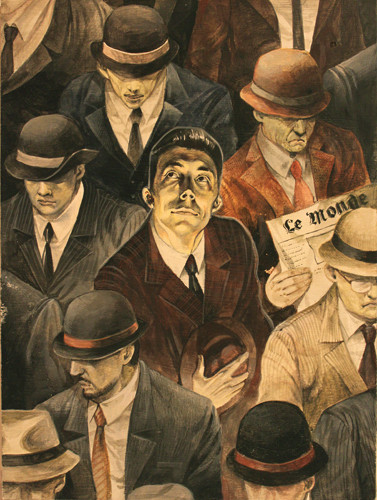
The Plague book cover 2
The Plague
~ A Capsule Book Review by Allen Kopp ~

Oran is a large French port on the Algerian coast (Northern Africa) with a population of 200,000. The Plague by French writer Albert Camus is a novel (a fictional account) of a plague that inexplicably strikes Oran in the 1940s. It begins with an influx of dead and dying rats into the city that nobody understands. The rats are found everywhere, in the streets, on the stairs in buildings, in private homes.  

Rats, of course, have fleas, and the fleas bite people and spread disease. The plague (pneumonic or bubonic) is an especially nasty disease that usually leads to agonizing death. As the death toll mounts every day, Oran has no choice but to close itself off from the rest of the world. Nobody can leave the town and nobody can enter. (How this is accomplished is not explained.)

The town is understandably thrown into a panic. How does a town quarantine the sick from the well? How can the sick be cared for with a limited number of people to help? How does the town keep people who might be infected from escaping the town? How can people in the town communicate with the outside world since letters might be infected with the disease? How long will the plague last? Is there any reason to hope the plague will go away as unexpectedly as it arrived? How much help can the town expect from the outside world? How can the people of the town be expected to carry on in the face of such awfulness?

Dr. Bernard Rieux is the main character in The Plague and the narrator of the story. His life every day is a living hell. He stands by helplessly as his friends and neighbors die of the disease. People look to him for answers he doesn’t have. He’s an unassuming man not given to heroics. His wife is ill (with something other than the plague) and in a sanitorium in another location.   

The people of the town behave the way people usually do in a crisis. There are acts of bravery and sacrifice, while many people in the town try to enjoy themselves any way they can, because who knows who will be the next to go? One man plots his escape from the town to return to his lost love. Another man is happy, somehow, for the plague and thrives during the epidemic. Others go the fatalistic, religious route, believing the plague is a judgment from heaven. Some of the very good people die from the disease, while some of the bad people go unscathed. Isn’t that always the way?  

The Plague, first published in 1947, is one of the most celebrated novels of the twentieth century. It’s a timeless and relevant story that might be set in any country in any time. It’s not always easy to read. Not for the faint of heart. After you’ve read it, you’ll feel like you’ve been to hell and back.

Copyright © 2022 by Allen Kopp


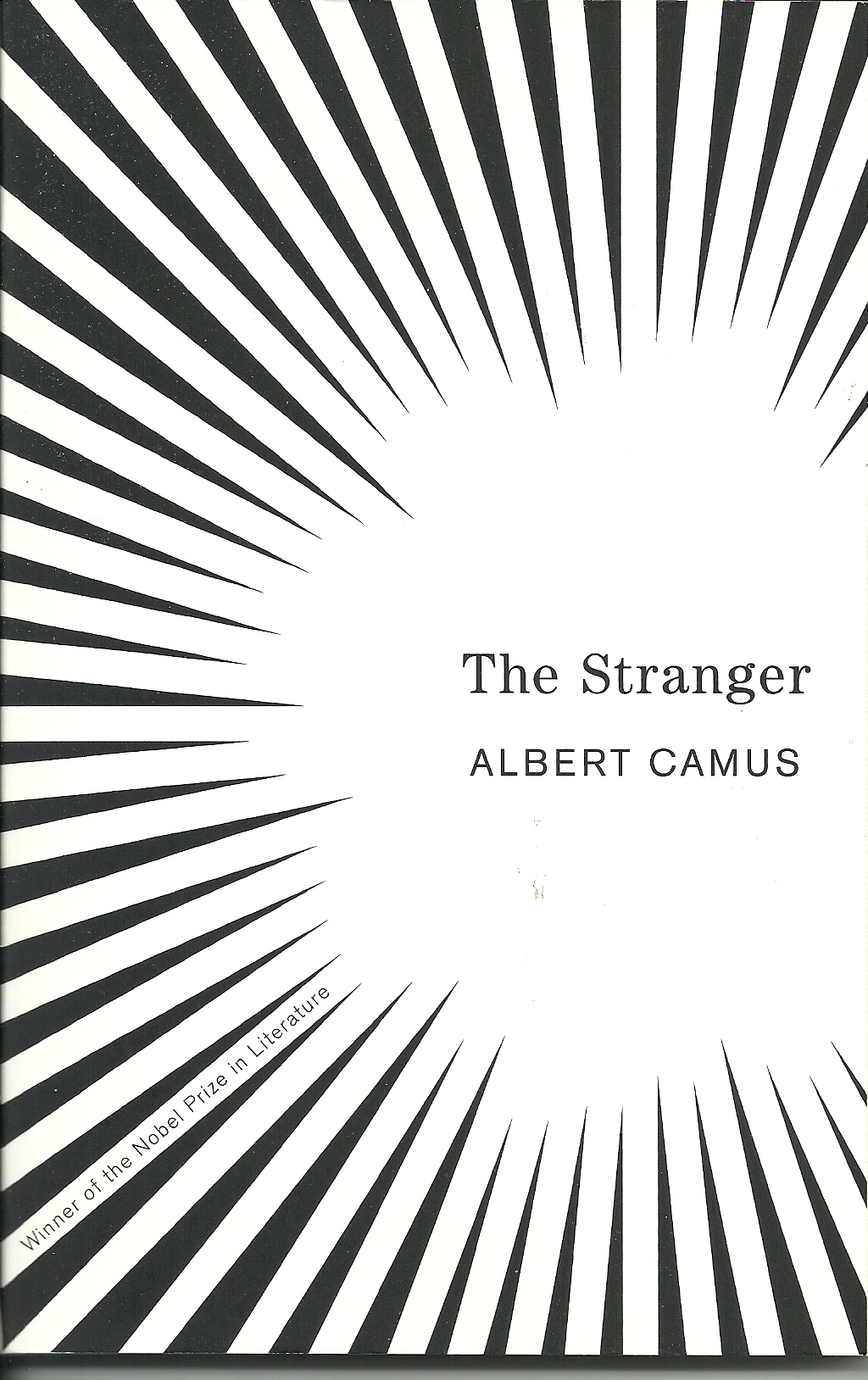
The Stranger ~ A Capsule Book Review

The Stranger

The Stranger ~ A Capsule Book Review by Allen Kopp

French writer Albert Camus was born in Algiers in 1913 and died in an automobile accident in 1960 at the age of 47. His novel The Stranger was published in 1942 and first appeared in English in 1946. It’s the simple story of an ordinary French Algerian, named Meursault, and the act of senseless violence that changed his life.

When the story begins, Meursault’s mother has died in the rest home where he put her because he couldn’t take care of her properly at home. When he travels to her funeral it is a very hot day. He loved his mother in his own way but is not able to cry over her death. In the ordeal of sitting up with her body overnight and the funeral the next day, he shows no emotion. He stands before her coffin, drinking coffee and smoking cigarettes, observing the other mourners. His lack of emotion is noted by those in attendance and plays a significant part in what is to come.

Meursault has a friend named Raymond Sintès. When Raymond has a dispute with an Arab girlfriend, Meursault helps Raymond by writing her a letter. This leads to an altercation between Raymond and the girl, which leads to Raymond hitting her. A few days later when Meursault and Raymond go to the beach with some friends, the girl’s brother is waiting for them. There is a fight, during which Raymond is slightly injured. Meursault takes Raymond’s gun from him to keep him from doing anything rash. Later in the day, after they have all calmed down, Meursault returns to the beach with the gun and shoots the Arab five times and kills him. Meursault can’t explain why he killed the man, except to say that it was very hot.

Meursault is put in prison to await trail. He is detached about prison as he is about everything else. He is appointed a lawyer, who assures him that he will be acquitted. When the trail begins, it doesn’t go well for Meursault. The prosecution brings in all the people from Meursault’s mother’s funeral who testify that Meursault didn’t cry. The prosecutor in his eloquence portrays Meursault is a cold, calculating murderer and an unfeeling monster. The jury finds him guilty and he is sentenced to die by the guillotine. While awaiting death he allows himself to imagine some miracle occurring by which he is acquitted, but he knows it isn’t going to happen.

Meursault confides to a prison chaplain that he believes in nothing, that life is meaningless and random. There is no plan, no design that gives life a larger meaning. Meursault believes he understands the indifference of the universe toward man, and this allows him to come to terms with his own death. “…I opened myself to the gentle indifference of the world,” he says. “Finding it so much like myself—so like a brother, really—I felt that I had been happy and was happy again. For everything to be consummated, for me to feel less alone, I had only to wish that there be a large crowd of spectators the day of my execution and that they greet me with cries of hate.”

The Stranger is divided into two parts, before the murder and after. It’s a first-person narrative, told in Meursault’s own voice. We’re being told Meursault’s version of what happened. This makes the story seem immediate and relevant. While Meursault is detached in all things, his story is not detached and the reader doesn’t feel detached either. It’s a very readable classic, never dull or ponderous. In tenth grade when we were given a list of books to read to write a report on, I chose Pride and Prejudice. If I had known then how good The Stranger is, I would have chosen it instead. The Bennett sisters are chloroform in print.

Copyright © 2015 by Allen Kopp