

Author: allen0997
Not a Cough in a Carload ~ A Short Story
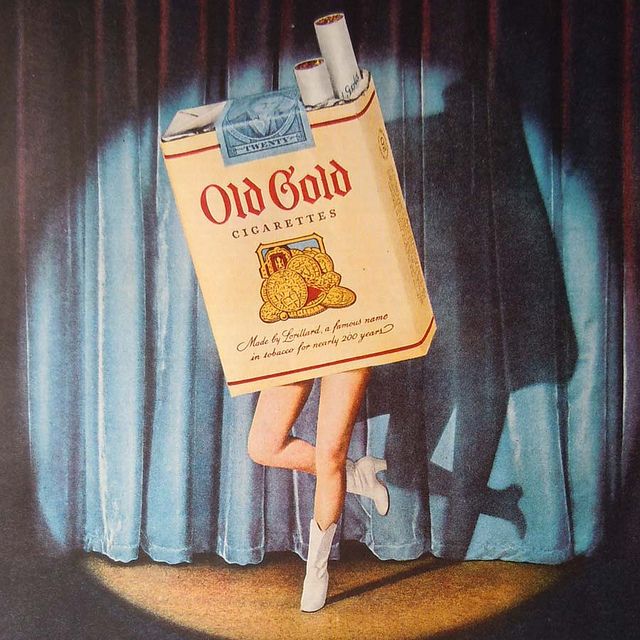
Not a Cough in a Carload
~ A Short Story by Allen Kopp ~
(This short story has been published in The Literary Hatchet.)
Berna Taffin worked at Peek-a-Boo Laundry. All day long she put dirty sheets, towels and diapers into one machine to wash, and took them out again and into another machine to dry. Endless stretching, lifting and bending to make the world clean for democracy. The white overalls she wore, like a man’s, were stained and dirty at the end of her nine-hour shift.
She moved through her daily duties like an automaton, without thought and without feeling. To her co-workers, she was sexless and devoid of personality. If spoken to, she answered curtly and briefly. Nobody tried to make her their friend. People avoided being near her.
Did she have a husband? Children? She had to have a family somewhere. People don’t spring from rocks. Possibly she came from outer space. The people at the laundry wondered about her, as people will, and, when the answers were not forthcoming, they forgot about her.
The truth was Berna Taffin did have a home and a family. Her family consisted of an elderly father and mother, Roman and Arletta. They were superannuated and confined to their reclining easy chairs in the long, darkened living room of their sixteen-room house in the oldest part of the city that nobody cared about any more. Children in the neighborhood said the house was haunted. They hooted and moaned and ran past in the dark.
At the end of her shift, Berna put on her long man’s coat and man’s hat and left Peak-a-Boo for the day without a word to anybody. She walked down the street and caught the bus. In fifteen minutes she got off the bus and walked the rest of the way home, often stopping in at the neighborhood market to buy cigarettes and whatever else was needed.
She bought four cartons of cigarettes a couple times a week. The manager of the store was always happy to see her and greeted her with a smile. None of his other customers bought so many cigarettes. If they did, he’d be the Cigarette King.
Besides the cigarettes, she bought four cans of Campbell’s vegetable soup, a bar of Palmolive soap, a four-pack of toilet paper, four cans of sardines, six cans of Vienna sausages, four cans of peaches in heavy syrup, and a large box of vanilla wafers. At the cash register, she stood down while the manager tallied her purchases. He would have made small talk if she had seemed less forbidding.
He put all her purchases into a heavy-duty bag and folded down the top to make it easier for her to carry. As she turned to go, he went around in front of her quickly and opened the door.
“It’s pretty heavy!” he said. “Are you sure you don’t need no help?”
She ignored him and breezed past out the door into the chilly darkness.
She let herself in at the back door with her key. Right away she heard the yammer of the TV and smelled the ever-present cigarette smoke. She took the four cartons of cigarettes out of the bag and took them into the cloud of smoke that was the living room. She put two cartons on the chair-side table by Roman’s chair and the other two cartons on Arletta’s table. They didn’t look away from the TV, didn’t acknowledge Berna’s presence unless she got between their eyes and the TV screen. She knew they knew she was there. Nothing made them as happy as their cigarettes. Cigarettes were their gold.
They each smoked a carton a day, sometimes more. Each time they opened a new pack, they threw the empty pack on the floor. They had lighters for lighting up, but most of the time they chain-smoked, meaning they lit a new cigarette from the old one they were about to finish. When they had a butt to dispose of, they threw it into a large glass bowl for that purpose kept within easy reach. The glass bowl smoked continuously like a dormant volcano.
The TV played around the clock, twenty-four hours a day, seven days a week. It was never silent. Whether it was a western, a comedy, a drama, singing and dancing, news, sports, movies, puppet shows for the under-five set, or just talking for the sake of talking, it was all the same. Every show, commercial break, or burst of artificial laughter was the cue to take another one out of the pack and light up.
They watched twenty hours a day. What little sleeping they did, they did in their chairs a few feet in front of the never-silent TV. Walking was difficult for them. They could make it to the toilet and back two or three times a day, but these excursions into another part of the house usually elicited cries of pain and distress.
Berna returned to the kitchen and took her purchases out of the bag. She opened one of the cans of Vienna sausages and emptied it onto a plate. She did the same with a can of the sardines, emptying it onto another plate. She carried the plates into the living room and presented the plate of sardines to Roman and the plate with the Vienna sausages to Arletta. Neither of them required a fork; they always ate with their fingers. After Berna went back into the kitchen, she could hear them smacking as they ate and sucking on their fingers.
One Friday at Peek-a-Boo when Berna was near the end of her shift and getting ready to go home, the boss came out and broke the news to the workers. Peek-a-Boo was going out of business. The land Peek-a-Boo sat on, and indeed the entire block, had been sold to make way for an apartment building.
Berna had worked at Peek-a-Boo for twenty-seven years. Some of the other people had been there longer than that. They wailed and worried about what they would do. Berna left quietly without a word to anyone and caught her bus home.
The next week Berna received her final paycheck from Peek-a-Boo in the mail. She took it to the bank to cash it, and withdrew, in cash, all the money she had in her account, a little in excess of two-hundred thousand dollars. She had worked all those years and never spent as much as she earned.
The bank teller, after trying to talk Berna out of withdrawing all her money, put the money into a canvas bag and handed the bag over the counter, with a warning that carrying that much money on her person, on the street, might be dangerous.
Berna carried the canvas bag under her coat and when she got home she took it upstairs to her bedroom and threw it on the floor of her closet.
She planned on putting Roman and Arletta into an old-folks’ home and taking her money and going away somewhere by herself, maybe to Peru or Iceland.
But when she asked herself the hard questions, she didn’t have any satisfactory answers. What would she do when she got to Peru or Iceland? Look for a job in a laundry? What if there were no jobs in laundries? What then? And how would she manage, alone in a foreign country, if she didn’t know the language? What language did they speak in Peru or Iceland, anyway?
And when it came to Roman and Arletta, wouldn’t she miss them quite a lot if she never saw them again, even though she got awfully sick of them sometimes?
She would defer the questions to a later date. She didn’t have to be in any hurry. She had the money to be independent. She could do whatever she wanted to do, at the time of her own choosing.
But the truth was she didn’t go anywhere or do anything. She installed herself on the sofa in the long, low-ceilinged living room along with Roman and Arletta. She began sleeping on the sofa instead of going upstairs to her bed. The sound of the TV became so incessant, so familiar to her, that she couldn’t do without it. It became as necessary to her as her own heartbeat.
And she didn’t even have to leave the house anymore if she didn’t want to. When the cartons of cigarettes needed to be replenished, or when there was no more toilet paper or not enough Vienna sausages, sardines, Campbell’s vegetable soup or vanilla wafers, she put in a call to the neighborhood market. They delivered whatever was wanted and sent a bill at the first of the month.
Months went by and then years. Berna put Peek-a-Boo out of her mind and stopped thinking, when she woke up in the morning, that it was time to go to work. Those days were over. She had been released from her jail.
Roman was the first to succumb to lung disease. Berna noticed at the end of an episode of I Love Lucy that no smoke was coming from his quarter; he hadn’t lit up for at least a couple of hours. When she got up from the couch and looked closely at his face, she knew he was dead.
She covered him over with a sheet of heavy plastic and sprinkled him with fragrant bath salts. They would go on the same as always. Arletta was unaware that he was dead and Berna thought it best that way.
After three days, Berna realized the cigarette smoke in the room was one-half what it had been. She began smoking herself, for the first time in her life. In a short time she was chain smoking up to a carton or more a day. She began buying the large quantities of cigarettes for herself that used to be for Roman.
She and Arletta kept the room filled with smoke, exactly as it had been when Roman was alive. The TV played on. Bonanza was followed by Hazel; Petticoat Junction by Please Don’t Eat the Daisies; The Beverly Hillbillies by Hollywood Palace; Lassie by Laramie; The Munsters by… On and on without end.
During an episode of Alfred Hitchcock Presents, Arletta made a choking sound in her throat and, not surprisingly, she too was dead from lung disease. Berna covered her over with a large sheet of plastic and sprinkled her with fragrant bath salts, after which she went into the kitchen and emptied a can of Vienna sausages onto a plate and carried the plate back into the living room and ate the little sausages with her fingers, making smacking sounds and licking her fingers. Between bites, she lit a cigarette and blew as much smoke out into the room as she could manage in one breath. And the TV played on. The Red Skelton Show was just beginning. If ever she needed a good laugh.
Copyright © 2023 by Allen Kopp

Mrs. Biederhof ~ A Short Story
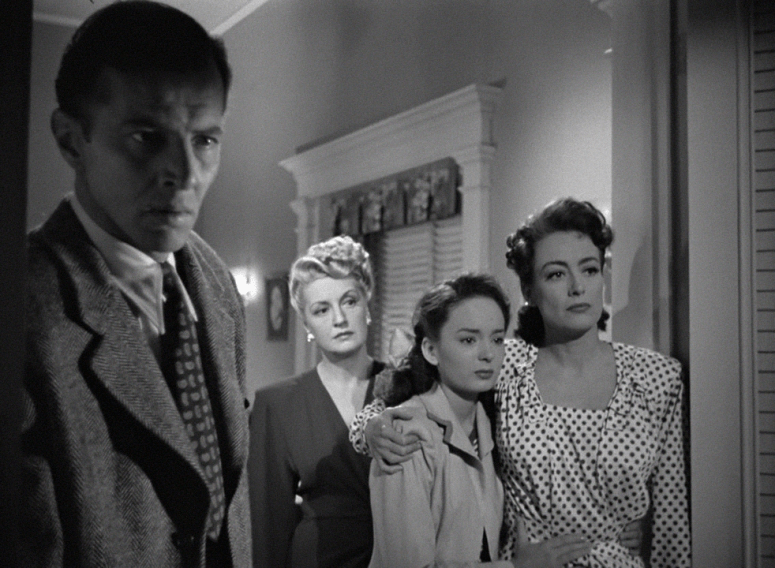
Mrs. Biederhof
~ A Short Story by Allen Kopp ~
(This short story has been published in The Literary Hatchet.)
In 1945, my friend Maggie Biederhof didn’t mind going around with a married man as long as his marriage was in the trash heap anyway. It was all pretty innocent with Burt, although to the casual observer it might not seem that way. He came over in the evening, she’d fix him a sandwich or a salad, and they’d have a few drinks and a few laughs and maybe play some gin rummy, but mostly they talked. He talked about his wife, whose name was Mildred, his job as a real estate agent (things weren’t going so great at the time), and his two daughters, Veda and Kay.
The way Burt talked about Veda, she sounded like the real debutante type. She was pretty and she knew it and, already, at the age of sixteen, was a real snob. Veda saw her father as a failure because he wasn’t rich and she knew he’d never be rich and could never give her the things she thought she deserved, like a limousine and servants. She wanted to be a rich girl but the sad truth was her family had to struggle to live from day to day, from week to week. With the real estate market in the shape it was in, Burt barely brought in enough money to make a living for four people. His wife, brave struggling soul that she was, baked pies and cakes in her own little kitchen and sold them to the neighbors for a dollar here and a dollar there. She made enough extra money to buy Veda an occasional new dress and to pay for Kay to have piano lessons with an old woman down the street. Kay didn’t really care for the piano—she’d rather be playing baseball with the boys in the neighborhood—but Mildred wanted both her daughters to have some culture, which was something she’d missed out on entirely.
Mrs. Biederhof was fond of Burt. She liked entertaining him in her home and liked spending time with him. He was a few years younger than she was, but what did that matter? When he moved out on his wife, she told him he could move in with her. She knew the neighbors would talk, but they had talked before and she didn’t care. Because of his daughters, though, because of Veda and Kay, he didn’t think it was a good idea for him to live in the same house with a woman he wasn’t married to, even if it was all perfectly innocent. That was one of the things Mrs. Biederhof liked about Burt. He was a good man and she hadn’t known many of those in her life. She hoped to marry him after his divorce with Mildred went through, although neither one of them ever talked about it.
She knew Burt’s wife, Mildred, or at least knew of her. She recognized her when she saw her. She was a straitlaced, noble thing, long-suffering, a martyr for the cause. Just what the cause was, nobody quite knew. She was pretty enough but didn’t seem to care so much about herself. She lived for the two daughters, Veda and Kay. She wanted them to have all she things she missed out in when she was growing up in Kansas City. Her mother scrubbed floors and her father, well, he was a drunk and spent most of his time in jail and was of no use to anybody, himself included. Mildred left Kansas City as fast as she could and moved West, where she took a job as a salesgirl and met Burt. He was modestly good-looking, moderately ambitious, and she saw right away he would make a decent husband. They’d never be rich, but there are a lot of people like that. They married six months after they met and a year after they were married, the little bundle known as Veda arrived.
Right away Veda was the spoiled child. Mildred doted on her. Burt was only human, though, meaning he was a little jealous of Veda. Mildred lavished so much love and attention on Veda that there wasn’t much left over for him. All day long, from sun-up to sleepy-bye time, there was nothing but Veda, Veda, Veda. Burt knew a little about child psychology and he knew that Veda was one day going to be an uncontrollable monster. When the second child, Kay, came along, he thought it would be a good thing for Veda to have a little competition and for Mildred to have another person besides Veda to think about.
Mildred spoiled Kay, too, but nothing like Veda. With two children to take care of and still baking her cakes and pies to bring in some money, she was busy all the time, but Veda was still uppermost in her thoughts. Mildred would never admit it, of course, but she preferred Veda over Kay. Kay just wasn’t as pretty and feminine as Veda. When she started to grow up and be something other than a baby, she showed a tomboyish side that Mildred didn’t care for. She liked rough-and-tumble games, the kind of games that boys played, and she didn’t care much for dolls and frilly dresses. It’s not that Mildred neglected Kay, but Veda was always the apple of her eye.
Mrs. Biederhof happened to meet Veda on a Saturday morning in spring, and not under very happy circumstances. She had been out with some friends the night before celebrating somebody’s birthday and she was nursing a hangover. It was about eleven in the morning and she hadn’t found the will to get all the way out of bed yet. When she heard someone knocking, she thought it might be Burt, but when she went to the door and opened it she saw a pretty, dark-haired, girl standing there with a petulant smirk on her face. She had never seen the girl before but she knew who it was before she even opened her mouth.
“Yes?” Mrs. Biederhof said. “Whatever you’re selling, I don’t want any.”
Veda didn’t speak for a minute. She seemed to be taking in the sight of slightly overweight, middle-aged, bleach-blonde Maggie Biederhof, slightly the worse for wear and in her none-too-clean dressing gown.
“I just wanted to see what you look like up close,” Veda said.
“Who the hell are you?”
“Not that it could possibly mean anything to you, but I’m Veda Pierce, Burt Pierce’s daughter.”
“Oh, yes. I’ve heard all about you, Veda. Would you like to come in?”
“It won’t be necessary. I just wanted to inform you that my mother and I know all about you.”
“I’m so happy for you,” Mrs. Biederhof said, putting her hand on the door to close it.
“You’ve been seeing my father, I believe, for quite a long time.”
“I don’t think it’s any secret that Burt and I have become friends. We’re both adults.”
“Yes, but he’s still married to my mother.”
“Only because the divorce hasn’t gone through, yet.”
“Don’t think for one minute that he’s ever going to marry you.”
“I don’t think that’s any of your business, Veda. Now, if you’ll excuse me, I have something on the stove.”
“He would never marry a cheap, common woman like you.”
“Excuse me?”
“How many times have you been married, Mrs. Biederhof?”
“Now, wait a minute!”
“Oh, yes. We know all about you. My mother is a lady and I’m sure that’s something you would know nothing about.”
“Now, look here, you! I’ll give you about five seconds to get away from my door. I keep a gun in the house and I don’t mind using it.”
“I also have a gun,” Veda said. “It’s right here in my bag. Would you like to see it?”
“So, you came here to threaten me? You want to kill me?”
“No, I don’t think that will be necessary. I’m just telling you I don’t mind killing you if it comes to that. Some people can kill and others can’t. I’m one who can.”
“Well, thank you for that insight into your character, Veda, but I don’t know how it could possibly interest me.”
“You’ve had your cheap, tawdry, little love affair with my father and I think it’s time for you to drop out of the picture and leave him alone.”
Mrs. Biederhof laughed in spite of herself. “You make it sound as if I’ve been pursuing him the whole time. He comes over here of his accord. We laugh and talk and have a good time. We have become very dear companions.”
“If all he needs is a drinking companion and cheap sex,” Veda said, “I’m sure he could do much better than you.”
“Now I wish you had come in,” Mrs. Biederhof said, “so I could have the pleasure of throwing you out!”
She slammed the door in Veda’s face, locked it, and, for good measure, closed the curtains and blinds. She was so angry she wanted to kill someone and the someone she wanted to kill was Veda. The nerve of that little tootsie, she thought, coming here and talking to me that way. I’d like to wipe up the floor with her pretty little debutante face.
By the time Burt came over that evening after work, she had calmed down and decided not to tell him about Veda’s little visit. Somebody had to be the grownup and it would be her if it had to be. She cooked him a steak and after they ate she turned on some music and they just sat on the couch and smoked and talked. He put his head in her lap and before long he went to sleep. Poor dear, she thought, he’s exhausted from his miserable life at home. We could be so happy together if it wasn’t for Mildred and that little witch Veda!
A few days later there was some good news about Mildred. She opened a restaurant and it was certain to be a big success, pulling in the customers day and night. Not only that, but she had a new boyfriend, a man named Monte Beragon. He was plenty good-looking and from a rich family, Burt said. He didn’t do much of anything except go yachting, swimming, riding and to dances at the country club. A real society boy. He seemed better suited to Veda than to Mildred, but Mrs. Biederhof pretended to be happy for Mildred.
She was thinking, of course, of Mildred marrying Monte Beragon and leaving Burt entirely free to marry her.
It wasn’t long, though, before disaster struck and life took one of its ugly little turns. Mildred was spending the weekend with Monte Beragon at his beach house, and Veda and Kay were staying with Burt in his new bachelor apartment. He was going to take them to the lake for an overnight camping trip, but Kay complained of a sore throat and pains all through her body. As the day progressed, she became more and more sick. Not being used to taking care of kids on his own, Burt panicked and, not knowing what else to do, took her to Mrs. Biederhof’s house.
Right away Mrs. Biederhof saw that Kay was plenty sick and put her to bed in her spare bedroom. She wanted to get her to the hospital, but Burt said the hospital would only scare her and make her worse, so he called a doctor friend of his. The doctor came over with a private nurse and began ministering to the sick child.
When Burt saw how sick Kay was, he put in an emergency call to Mildred at Monte Beragon’s beach house and arranged to meet her and take her to Mrs. Biederhof’s. Mildred ran to Kay’s side, but the doctor made her stay back. Veda was also there with Mildred. When Mrs. Biederhof looked at Veda, she didn’t look back. Nobody would ever know that just a week earlier they had been on the verge of a gun battle at Mrs. Biederhof’s front door.
Kay died within a couple of hours. The doctor said it was meningitis and it was contagious. Mildred, Veda and Burt were all terribly broken up about it. Mrs. Biederhof remained in the background, offering help where it was needed, feeling utterly helpless. When it came time for the funeral, she thought she should go, but Burt told her it wasn’t a good idea. She sent an arrangement of snapdragons instead.
To heal her broken heart, Mildred threw herself into her business. Her restaurant had done well so she opened a second one and was considering a third. Now that she and Burt were successfully un-married, she married Monte Beragon in a small church ceremony with three hundred guests (mostly Monte’s friends and family) in attendance. Burt bought a new suit and went to the wedding alone.
The marriage was written up in all the society columns, Monte being a bonafide member of the social register. It was his fifth marriage and Mildred’s second. After a week-long honeymoon in Acapulco, they took up residence in Monte’s family’s estate, which was badly in need of renovation. Monte let Mildred take charge of all the repairs and remodeling, seeing as she would be paying all the bills.
Veda, of course, lived with Mildred and Monte and she was flying high. Finally she had all she had ever dreamed of: A beautiful, palatial home; servants to satisfy her every whim; plenty of money to spend on clothes and trips; endless country club dances, weekend parties, swimming and riding. Mildred bought her an expensive convertible and wondered how long it would be before she smashed it up.
All principal parties were happy and satisfied for a few months, but then the inevitable happened. Veda fell in love with her stepfather, Monte Beragon, or thought she did. She always wanted the thing she couldn’t have and would do anything to get it. Monte played along, flattered as he was by the adoration of a pretty young girl half his age. He didn’t see—or didn’t want to see—how serious Veda was and how dangerous she could be if didn’t get the thing she wanted. Mildred also refused to see it until she was confronted firsthand with the proof: she walked in on Monte and Veda when they were naked together in bed. (This scene was relayed to Mrs. Biederhof by way of Burt by way of Mildred.)
“I’m glad you know,” Veda said, getting out of the bed and putting on a dressing gown. “Finally the truth comes out!”
“Veda, how could you!” Mildred said. “He’s your stepfather!”
“I think that makes him even more desirable, don’t you?”
“Veda, you’re a very sick person and I don’t know what ever made you the way you are!”
“Well, we could stand here all day and all night and analyze the situation, but the truth is that Monte and I love each other. He wants you to divorce him so he can marry me!”
“What’s this?” Monte said, pulling on his pants. “I never at any time said I’d marry you, Veda!”
“What?”
“Your mother is a perfect wife for me. She’s a fount of ready cash and she always looks the other way and doesn’t ask any questions.”
“I can’t look the other way this time, Monte!” Mildred said. “If a divorce is what you want, I’ll accommodate you!”
“What do you mean you don’t want to marry me?” Veda shrieked.
“Very simple,” Monte said. “I’d rather be dead than married to a spoiled, selfish little brat like you! You’re a dime a dozen, kid!”
Monte continued to get dressed. He put on his shirt and put his necktie around his neck before tying it, trying to avoid Mildred’s gaze. Feeling faint, Mildred sat down on the edge of the bed and put her head forward.
Unnoticed by either Mildred or Monte, Veda went to the dresser and opened the drawer and took out a small object. When Mildred saw the object was a gun, she stood up from the bed and was about to speak when Veda pointed the gun at Monte and fired, once in the chest and two times in the abdomen. He pitched forward and before he fell to the floor, he spoke one word: “Mildred.”
“Veda!” Mildred screamed.
Veda looked coolly from Monte to Mildred and back to Monte and when she seemed to suddenly be aware that she was holding a gun, she threw it on the floor.
“You’ve killed him!” Mildred said.
“I don’t think I meant to kill him, mother!” Veda said.
Mildred went to the phone and picked up the receiver.
“Mother, what are you going to do?” Veda said.
“I’m calling the police.”
“Oh, no! You can’t do that!”
“You’ve killed a man! You can’t just walk away and pretend it didn’t happen!”
“Mother, we need to talk about this first. You don’t have to tell them I killed Monte. Tell them the gun just went off. Or tell them you killed him. Accidentally, I mean.”
“Veda, you have to be an adult for once and take responsibility for your actions.”
“They’ll put me in jail!”
“We’ll get the best lawyer we can find.”
“Oh, no, no, no, I can’t let you call the police. You’ve got to give me all the cash you have in the house and let me get away. I’ll go to Mexico and you’ll never see me again. I promise!”
“I can’t get you out of this, Veda.”
The police came and took Veda away and later that night she made a complete confession. There would be no sensational trial. Her lawyer promised to try to get her off with a manslaughter charge. If she was lucky, she’d spend ten years behind bars.
The murder was all over the front pages: Society Girl Kills Stepfather. The public ate it up: Sex, money, infidelity, a love triangle involving an older man and a younger woman, and the fact that she was his stepdaughter made it even spicier.
Mildred went into hiding to keep reporters from hounding her, making herself available only to the police. Veda was in the county jail and would be transferred to women’s state prison after sentencing. She called Mildred every chance she got and berated her and blamed her for Monte’s death. “You’re the one that should be in jail!” she said. “Not me!”
Mrs. Biederhof didn’t hear from Burt for five days and when he came over again, looking tired and grim, he told her that he was going back to Mildred. He still loved her and believed she loved him and, with both Kay and Veda gone, he was all she had left in the world. The two of them would spend every dime they had to get Veda’s sentence reduced.
Mrs. Biederhof had been in California for twenty-five years. She was sure she had had enough sunshine to last her a lifetime. She had a sister living back East and planned to go stay with her for a while, maybe for the rest of her life. She sold her house, put her furniture in storage, packed her bags and got on the train for the long trip that would take her to the other end of the continent. She didn’t even bother to tell Burt goodbye. In time she would forget him, as she had all the others.
Copyright © 2023 by Allen Kopp
Blanche Barrow ~ A Short Story
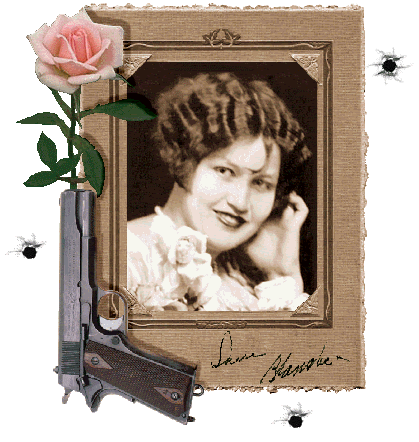
Blanche Barrow
~ A Short Story by Allen Kopp ~
(This short story has been published in The Literary Hatchet.)
They had two side-by-side rooms around in back at the Arimosa Auto Court, away from the road, underneath the tall trees. The rooms were small but clean and the walls like paper. Everything that went on in one room could be heard through the wall. Blanche resisted when her husband, Buck, reached for her after lights-out because she knew the others in the next room would be able to hear the slightest intake of breath and she didn’t like the thought of putting on a show for them. She didn’t mind rebuffing Buck from time to time, whenever his appetite needed curbing. We’re not animals, she would say, slapping at his hand. Besides, it’s my time of the month.
Buck and Blanche hadn’t been married long and were still on their honeymoon. They were both well past the first bloom of youth but still felt young and amorous. Buck had been married twice before and Blanche once. Now that they had found each other, they wanted to forget their previous marriages and not ever talk about them—start out afresh, as the saying goes.
They met at a bingo game in the basement of a church in Kansas City. When he flirted with her, she thought he was crude and low-class, but he persisted and eventually she succumbed to his charms. Two weeks after they met, they were married in a civil ceremony at the courthouse. As Buck liked to say, it was the face powder that caught him and the baking powder that would keep him at home.
They set out on a grand honeymoon. They drove around from place to place in Buck’s sturdy old Ford, seeing the sights, laughing a lot, reveling in their freedom. They spent a few days in a fancy hotel in St. Louis where they saw some shows, ate in fine restaurants and shopped in the big stores.
From St. Louis they drove down to the Missouri-Arkansas border, where they stayed nearly a week in a kozy kabin with a kitchenette at a lakeside resort. It was at the resort that Buck heard through a family friend that his brother Clyde was staying nearby. Clyde wanted Buck and his new wife to come and meet him. He had plans for a moneymaking venture that he believed Buck would be interested in.
Blanche was peeved with Buck for making her leave the lakeside resort before she was ready. She didn’t especially want to meet brother Clyde and wondered why it was such an urgent matter. She was carsick on the way and Buck asked her if she might be going to have a little baby in a few months. He laughed then and tried to pinch her, but she slapped his hand away and moved over as far away from him as she could get.
Clyde had summoned them to an out-of-the-way country town (Far Corner, population 113) where he was staying at a rundown motel, and it ended up taking half a day to get there. Buck got lost on unfamiliar roads and had to stop and get a map at a gas station. Blanche fumed the whole time and refused to help him read the map.
Finally Buck found the place. It was a place so far off the main road it was almost impossible to find, but find it he did, and the brothers were reunited. They whooped and hollered and acted like a couple of backwoods boys in their pleasure at seeing each other again. They embraced and jumped up and down and took affectionate punches at each other.
When they settled down enough, Buck said, “Hey, brother! I want you to meet my missus!”
Blanche was still in the car, forgotten for the moment. Buck motioned her to come out and even took hold of her hand to pull her if need be. She decided she wasn’t going to be mad at him anymore. She dredged up a polite smile.
“This is my wife Blanche!” Buck said.
“Hello,” Blanche said to Clyde, shyly shaking him by the hand.
“Congratulations, Mrs. Barrow!” Clyde said, showing his prodigious teeth.
She wondered why he was congratulating her and then realized it was because she and Buck were newly married.
“Hey!” Clyde said. “I got somebody I want you to meet!”
A blond-haired woman came out from behind Clyde’s back. Clyde took hold of her shoulders as if she was an animal he had caught that might get away.
“Well, who is this little lady?” Buck gushed. She was as thin as a pencil and sallow as if she didn’t get outdoors very much.
“Bonnie, honey, I want you to meet my older brother, Buck Barrow. And this here is his wife, Mrs. Blanche Barrow.”
“H’lo,” Blanche said with her same polite smile.
“Pleased to meet you,” Bonnie said.
“Wife?” Buck asked Clyde.
“No.”
“Sweetheart?”
“Yeah.”
“You old dog, you! You always did have an eye for the prettiest gals!”
“And rounding out our little entourage,” Clyde said, “is Mr. C.W. Moss. He’s my driver and all-round factotum.”
C.W. shook their hands profusely. “I sure am glad to meet all of you!” he said. “Clyde’s told me all about his family! It sure is a pleasure! How do, ma’am!”
Buck and Clyde laughed because C.W. was wearing only his union suit and seemed to not know he wasn’t wearing any pants. Blanche had seen men in their union suits before but was embarrassed anyway. She blushed like a schoolgirl and turned her head away.
C.W. spied a movie magazine on the seat of Buck’s car with a picture of Myrna Loy on the cover.
“I see you got the latest issue of Motion Picture World!” he said. “Would it be all right if I borrow it from you, Miz Barrow? Myrna Loy is my favorite movin’ picture actress!”
Without waiting for an answer, C.W. snatched the magazine off the car seat and held it to his bosom. He couldn’t wait to get off by himself and read the latest news from filmdom.
With introductions out of the way, they had a picnic lunch in Clyde’s motel room. Spirits were high. Buck was the life of the party. He told jokes he heard on the radio and did impressions of Rudy Vallee and Bing Crosby. Blanche laughed so hard she wet her pants.
“She’s got a weak bladder! “Buck said, setting the men off on another outburst of laughing while the women looked bewildered.
After lunch, Buck and Clyde went off by themselves to talk business. Blanche still wasn’t feeling well, so she lay down on the broken-down sofa in Clyde’s room, turned her face away and went to sleep. C.W. looked at all the pictures and read all the gossip about his favorite motion picture stars in Motion Picture World and then went to sleep in a hammock under the shade trees. Bonnie sat on the front steps smoking cigarettes and after a while went inside and washed her hair.
Buck and Clyde didn’t come back for three hours. Blanche was anxious to leave and wasn’t happy when Buck told her they were staying.
“Stayin’ here with them?” she said. “What for?”
“We can manage for one night. Tomorrow we’ll move on to a bigger place.”
“You mean all of us?”
“Yeah.”
“Move on where?”
“We haven’t decided yet.”
“What were you and Clyde talkin’ about so long?”
“A little job he’s got planned.”
“What kind of a job?”
“I’ll tell you about it after we’ve worked out all the details.”
“It’s nothin’ illegal, is it?”
“Now, honey! You don’t have a thing in this world to worry about!”
The little job Clyde had planned—and worked out to the smallest detail—was robbing the bank in the town of Morganville. He needed help, though. He needed his older brother, Buck. The two of them together would be unstoppable.
At first Buck didn’t think that robbing a bank anywhere on God’s green earth was a good idea. He was a newly married man, he said, with a wife to think of, and he didn’t want to get mixed up in any old bank robbery.
“It’ll be so easy,” Clyde said, “you won’t believe your eyes.”
“How do you figure?”
“Shit! A bunch of farm hicks and small-town rubes! They’ll be so scared when you flash a gun in their face they’ll piss their pants.”
“I don’t know,” Buck said. “It seems kind of mean to me.”
“We don’t have to actually kill anybody, if that’s what you’re worried about! We’ll just pretend we’re going to kill them if they don’t do what we want!”
“And what is it we want?”
“To put all the cash in a bag and not try to keep us from leaving!”
“Well, that sounds easy enough.”
“See, you’re talking about the element of surprise! They’ll be so surprised when we burst in on them that they won’t be able to think until after it’s all over.”
“When do we do this little thing?” Buck said.
A week after talking it over, the Barrow brothers, along with Bonnie and C.W. Moss, robbed their first bank in the town of Morganville. They took a little over three hundred dollars without a shot being fired. Even Blanche was impressed. She had never seen that much cash before. She was able to bury her religious scruples for the time being.
Other banks followed. Clyde and Buck saw it as a sure-fire way to get large sums of money without having to work for it. The only trouble was they became wanted across five states and people were on the alert for them. Banks hired extra guards and armed them well. Small-town police departments took on extra deputies.
And then the expected happened. One bank put up more resistance than the robbers were accustomed to. Bank guards fired their weapons and Clyde had no other choice but to fire back. A zealous fellow who was determined to stop the robbers from getting away with the bank’s money jumped on the running board of the car. Clyde shot him in the face and killed him. Now they were something more than robbers. They were desperate killers to be feared by the public at large.
At first it was fun: robbing banks, outsmarting the laws, being always on the move. Then, when Clyde had to kill a man and the laws began to take them seriously, it wasn’t quite so much fun anymore. Their pictures were everywhere: in newspapers, post offices and government offices. Their story blasted on the airwaves. They could no longer go into a restaurant and order a meal, for fear of being recognized.
They found the Arimosa Auto Court by accident. It was so far removed from the known world that they felt safe there. They could rest for a few days and plan their next move. They got two rooms around in back, away from the road, underneath the tall trees. It was a peaceful place, where the birds sang and the soft breezes blew. The place was run by two old men and they didn’t ask any questions.
They got on each other’s nerves, though, being cooped up in two small rooms, especially Blanche and Bonnie. More than once, they had been about to come to blows over little things, until Clyde and Buck had to separate them. The sound of Blanche’s whining voice made Bonnie want to tear her hair out by the roots. Blanche complained of Bonnie’s “rotten disposition.” Buck and Clyde didn’t know how much longer they could keep them from killing each other.
It was a Sunday afternoon. The men were hungry. Blanche was the only one whose face wasn’t known to the public, so they sent her into town to get some food. C.W. drove her in Buck’s car.
As soon as Blanche and C.W. were alone in the car, Blanche began crying.
“What’s the matter, Miz Barrow?” C.W. asked.
“I’m just a nervous wreck!” she said. “I don’t know how much more of this I can take.”
“Of what?”
“Just waitin’ around. Just waitin’ for the laws to come and shoot us to ribbons, one by one.”
“They won’t find us way out here,” C.W. said. “Clyde made sure of that.”
“Oh, Clyde! May the devil take Clyde! He doesn’t know anything! He’s the reason we’re in all this mess!”
“What do you mean?”
“My papa would just die if he knew the kind of life I’m livin’. With a bunch of thieves and bank robbers! It just don’t make sense!”
“What don’t make sense, ma’am?”
“Even if they do get away with lots of money, you know people are not going to stand for that! It don’t take a genius to figure it out!”
“Figure what out, ma’am?”
“When you’re livin’ this kind of a life, it’s only a matter of time before they catch up with you. And when they do, they’ll either shoot you on the spot or lock you up in jail for the rest of your natural life. Those who live by the gun die by the gun. It says so in the Bible.”
“You just have to take it as it comes, I guess,” C.W. said.
“You’re not afraid of dyin’ or goin’ to jail?”
“I don’t think about it much.”
At the restaurant in town, C.W. waited in the car while Blanche went inside and ordered the food. Five chicken dinners to go and twelve bottles of beer. While she waited for the food, she sat at the counter drinking a Coca-Cola and smoking a cigarette. She didn’t look directly at anybody for fear they’d know who she was.
Most of the other people in the place didn’t even look at her, but a couple of older men over to the left were giving her the eye, whispering back and forth. When she realized they might be a couple of lawmen and they might know who she was, she felt a chill go up her spine.
When the food was ready, she lugged it out to the car, along with the twelve bottles of beer. C.W. got out and helped her put the stuff in the back.
“Did you see a couple of men go in that place who might have been laws?” she asked C.W.
“I didn’t see nobody,” he said.
“They were givin’ me the eye while I was waitin’.”
“Why would they do that?”
“I think they know who I am.”
“How could they know that?”
“I don’t know how they know. They just know.”
A couple miles down the road, she asked C.W. if they were being followed.
“I don’t see nobody,” he said. “Just relax.”
Blanche couldn’t eat her chicken at the thought that those two men were laws. If they knew who she was, they couldn’t just let it go. They would follow her and she would lead them to the Clyde and Bonnie and Buck and that would be the end of that. Shoot now and ask questions later.
Blanche had never participated with them in any of the robberies, had never fired a shot, but she’d be just as guilty as they were, just by being with them. She’d be just as guilty of shooting that man in the face as Clyde was. It’s called guilt by association.
She loved Buck, or believed she did, but she wasn’t going to die for him or go to jail for him. If he and the others were too stupid to see the writing on the wall, she saw it plainly. The laws weren’t stupid. The laws would find them and make them pay the price for their crimes and it was going to be sooner than any of them imagined.
She hardly slept at all that night. She got out of bed before daylight and dressed quietly in the dark, making sure not to wake Buck. Carrying her suitcase, she left the Arimosa Auto Count for the last time and went out and started Buck’s car as quietly as she could. She drove the seven miles to the nearest town, the same town where they had bought the chicken dinners, and stopped at the bus station. She left the car in a place where Buck would be sure to find it when he came looking for her.
Everybody would expect her to go back home, where she came from, but she wasn’t going there; it was the first place Buck would look. She bought a ticket to Chicago. She had only seen Chicago once before in her life, and she knew it was big.
A day and a half later her bus rolled into Chicago. She spent the night in a cheap hotel beside some railroad tracks and the next day she fixed herself up, had her hair bleached and went out looking for a job, using the name Ruby Weems.
She was just one of thousands of dames in the big city, scratching out a living. She didn’t expect to have an easy time of it, but in three days she landed a job as a hostess in a nightclub.
“Go home and put on your best dress and some face powder and lip rouge,” the nightclub manager told her. “You’ll work from eight o’clock in the evening until closing time at three a.m., five nights a week. You’ll dance with the customers, flirt with them, make them feel good and get them to spend money on drinks. If you encounter any ruffians or cavemen, all you have to do is call the bouncer and the guy will be bounced. If you think you’re not up to the job, let me know now. We’ve got plenty of girls that want to work here.”
“No, it’ll be all right,” she said. “I can do it.”
At first she hated the job and wanted to quit, but after a couple of weeks she learned to handle the customers. Most of them were shy and lonely and wanted only to talk. The more motherly she was toward them and the more she patted them and smiled, the bigger the tips they left her. She danced with some of them, but they were mostly bad dancers and stepped on her toes. She liked the ones best who just wanted to sit with her in a booth and drink and talk. If any of them became overly aggressive, help was always at hand.
One night the expected happened. She was sitting at the bar smoking a cigarette, talking to one of the other hostesses, when she saw Buck come into the place. She went to him and took him to a booth.
“How did you find me, Buck?”
“Does it matter?”
“How did you find me?”
“The old gal you bought the bus ticket from told me it was for Chicago. After I got here, I showed your picture around. You’d be surprised how a sawbuck loosens people’s tongues.”
“I figured you’d be glad I was gone.”
“You’re my wife. Did you think I’d let you go that easy?”
“I’ll bet your brother Clyde and Miss Bonnie Parker are glad I’m gone. Even Mr. C.W. Moss.”
“Nobody’s glad you’re gone.”
“Oh, Buck! I’m just no good at robbin’ banks and keepin’ one step ahead of the laws!”
“I’m takin’ you home with me, honey,” he said, reaching across the table and taking her hand in his.
“And where is home, Buck? Another auto court?”
“They’re waitin’ for us down in Joplin, Missouri.”
“I’ll bet Clyde’s got the next big job all planned, don’t he?”
“You don’t have to do anything you don’t want to do, honey. All I want you to do is be my wife and be sweet to me.”
“When they come after us, they’ll kill me same as you, even if I haven’t done anything.”
“You don’t belong in a place like this, honey. This place ain’t you.”
“A person can used to just about anything, Buck.”
“Go get your things packed, Blanche. We’re goin’ home tonight.”
“I’m not goin’ anywhere with you, Buck.”
“Why not?”
“Livin’ the life of a bank robber ain’t for me.”
“Nobody said it is.”
“I don’t want to go to jail. I don’t want to die. And when I die, I don’t want to go to hell.”
He laughed. “That’s just silly, honey. Nobody’s goin’ to hell.”
“It’s the way I was brought up. You’re forgettin’ I’m a preacher’s daughter.”
“No, I ain’t forgettin’ that.”
“I’m not goin’ back with you, Buck.”
“What are you gonna do?”
“I’m gonna stay here for now. I’m makin’ my own livin’ and makin’ my own way. I don’t depend on any man for my dinner.”
“You’re still my wife, Blanche. I can make you go back if I want to.”
“I don’t think so, Buck.”
“So it’s goodbye then?”
“I guess so, Buck.”
“I got six hundred dollars in my pocket, Blanche.”
“That don’t make any difference. I’m not goin’ back.”
“I want to give you half of it.”
“I don’t want any of your stolen money, Buck. You can gain the whole world, Buck, but what does it profit you if you lose your immortal soul?”
“I guess I’ll just leave then. Go on back down to Missouri and get out of this stinkin’ city.”
“I think that’d be the for the best, Buck.”
He stood up and put on his hat and looked down at her. “Could I have just one final kiss before I go?” he asked.
“No, I don’t think we should kiss goodbye, Buck. The big boss is over there givin’ me the evil eye. I’m supposed to be workin’.”
He gave her one last look and turned around and left the place. At the door, he didn’t hesitate, but seemed in a hurry to get away.
“Who was that fella you were talking to for so long?” the boss asked her.
“It was nobody,” she said. “Just an old boy I used to know back home.”
“I ain’t paying you to sit and visit with home folks, dear.”
“He won’t ever be back. You can be sure of that.”
Copyright © 2023 by Allen Kopp
Never Mix, Never Worry (I Was Dancing and I was Ridiculous) ~ A Short Story

Never Mix, Never Worry (I Was Dancing and I Was Ridiculous)
~ A Short Story by Allen Kopp ~
They were out all night and didn’t get home until after dawn. Honey was sick from too much to drink and went right to bed. Nick slept on the couch in the living room, slept the morning away, and didn’t wake up until the middle of the afternoon. When he awoke, he had a terrible headache that he hadn’t been aware of while he slept. He wasn’t sure if his body was going to allow him to get up, but after a while he pulled himself to a standing position, head reeling, and went into the kitchen.
Honey was sitting at the table reading a book. She had a cup of tea beside her; she always said tea with lemon settled her stomach. When Nick came into the room, she didn’t look at him but concentrated on her book.
“Hello, Honey,” Nick said, going up behind her and affectionately putting his hands on her shoulders close to her neck. She flinched and leaned forward; he took his hands away as from a hot stove.
“What a night!” he said with a little laugh. “Whew! I feel like eating something but when I think about what I might eat I think I’m going to puke.”
She marked her place in the book, closed it, and laid it aside. “Want me to fix you scrambled eggs?” she asked.
Nick groaned. “I can’t stand the thought of eggs.” He went to the refrigerator and opened the door. “Don’t we have any bacon?”
“I haven’t been to the market yet. I was planning on going today but I don’t think I’m up to it.”
He poured himself a glass of orange juice and sat down at the table across from her. “Can somebody please tell me what happened last night?” he said.
“You haven’t asked me how I feel,” she said.
“How do you feel?”
“Lousy. I feel lousy.”
“Were you able to stop the vomiting?” he asked, pulling downward on his face with both hands as if trying to pull it into shape.
“Yes, a person can only vomit so much. I’ve stopped for now, but I don’t dare eat anything. I think it’s going to take several days for me to feel right again.”
“Do you want me to fix you some toast? Do we even have any bread?”
“No, if I eat anything, I’ll vomit again.”
“All right.”
“We need to talk about last night,” she said.
“Not now, Honey,” he said. “I don’t really feel like a serious discussion at the moment. And, really, I think it’s better if we don’t talk about last night at all. Don’t you agree?”
“Better for you, you mean,” she said.
“I’m going to take a shower,” he said, standing up. “If you feel better later, we’ll go out and get some chicken or something.”
“Maybe I need to talk now!” she said in an insistent voice that made him stop in his tracks.
“Talk about what, Honey?”
“I humiliated myself last night.”
“You didn’t! You didn’t do anything the rest of us didn’t do.”
“I was dancing and I was ridiculous.”
“We were all dancing. It was all in good fun.”
“Then why do I feel so humiliated today?”
“You’re tired and you’re overly sensitive.”
“Don’t talk down to me!”
“I don’t mean to…”
“I’m humiliated. I drank bourbon and scotch. Not together, but one after the other.”
“That isn’t anything to be humiliated about. We were all drinking. It was a drinking party. We’re all grownups. Grownups get to drink as much as they want. That’s what it means to be a grownup.”
“Yes, but you know my one steadfast rule: Never mix, never worry. Well, I mixed and I’m paying the price.”
“Honey, nobody’s perfect,” he said. “We all have little lapses.”
“Stop treating me as if I were a child!”
“Why don’t you go back to bed? You can stay there all day and I’ll wait on you. How will that be? If there’s anything you’d like to have to eat, I’ll go and buy it.”
“The faculty party was bad enough, but after that was over we couldn’t just go home and go to bed and quit while we were ahead the way any two normal people would. No, we had to go to an after-party party.”
“Yeah, I admit it was a mistake,” he said. “I wish we had never gone.”
“Then why did we?”
“She’s the daughter of the president of the college and he’s a senior professor in the English department.”
“The history department.”
“It never hurts to cozy up to the entrenched people. They’ve both been around a long time. They’re part of the landscape. She’s daughter of the president of the college, for Christ’s sake!”
“You’re thinking of your career, of course.”
“Well, one does what one can to get ahead.”
“Just once I wish you would give the same consideration to me that you give your career.”
“Honey, that’s absurd,” he said. “There’s no comparison.”
“Well, I’m glad you admit it!”
“That isn’t what I meant!”
“A night like last night causes me to question my entire existence.”
“What do you mean?”
“Are we going to spend our lives hobnobbing with disgusting people just so you can get ahead in your career?”
“No!”
“Because I’m telling you, Nick, I don’t want to live that way.”
“It was just one party.”
“You can find out a lot from one party.”
“I don’t know what you mean.”
“If those people, that George and his wife Martha, are representative of the life in this college, then I don’t want any part of it. The way they tear each other apart is indecent. And when they’re finished attacking each other they go after whoever happens to be present at the moment. Just being in their presence makes you feel degraded.”
“You’ve been reading too many books.”
“Did you know he called me ‘angel boobs’?”
He laughed. “Yeah, I think I heard that,” he said.
“And ‘monkey nipples’.”
“He really called you ‘monkey nipples’? I didn’t hear that. When did he call you that?”
“When you were doing your provocative dance with that horrible woman.”
“He was making a joke! You ought to be able to take a joke! You’re not a child!”
“How can you stand by and do nothing when a strange man calls your wife filthy names?”
She began to cry. He sat down next to her and put his arm around her shoulder. “You take things too seriously, Honey.”
“How would you like it if he called you those names?”
“I think I might have punched him in the nose!”
“But it’s all right when it’s me?”
“That’s not what I meant!”
“I can never face those two again,” she said. “I vomited all over their bathroom. It was as if they saw me without my clothes.”
“You were just being human, Honey. It happens to the best of us.”
“How can we live here and you teach here when I feel so uncomfortable?”
“It’s just something you’re going to have to get over.”
“I don’t think I can. I want you to start looking for another position right away. If not today, then tomorrow.”
“But, Honey, we just got here! Do you know how hard it was for me to get this job?”
“I don’t care! If you have as much regard for me as you do for your career, we’ll leave right away!”
“Honey, that’s so unreasonable! You can’t be serious!”
“I have never been more serious in my life.”
“We’re not going anywhere,” he said. “We’re here and we’re going to stay.” He picked her book up off the table and threw it hard against the far wall, not because he was so angry but because he wanted to make a point.
“I can always leave on my own,” she said. “I don’t necessarily need you.”
“Fine. Go home to your mother. Tell her what a mistake it was to marry me.”
“I want to know what happened between you and that woman, that Martha, while I was passed out.”
“Nothing happened! What do you mean?”
“I’m not as stupid as you obviously think I am. I heard them talking about it afterwards.”
“Heard who talking?”
“George and Martha. They thought I was still passed out, but I was just lying there, fully awake, with my eyes closed. I heard the words stud and houseboy. They were talking about you! Were you a stud or were you a houseboy?”
“I didn’t hear any such thing, so I don’t know what you mean.”
“How are you going to face them again?”
“I don’t think I’ll see them again until the next faculty party and that probably won’t be for several months. Everything that happened last night will be forgotten by then.”
“Well, I can tell you right now I’m not going to any more faculty parties.”
“What do I say when people ask me where my wife is? She’s too squeamish for university life? She throws up a lot and can’t stand to be teased a little bit?”
“I don’t care what you tell people. It’s your career, not mine.”
“What are you saying?”
“I’m going away tonight.”
“Where are you going?”
“I don’t know yet. I’ll think of something.”
She stood up from the table and went upstairs.
“I’m hungry,” he said to the empty chair where Honey had sat. “I’m going to see what I can find to eat.”
A little bit of humoring would bring Honey around. She would never leave him. She was too dependent on him. He’d finesse her, just the way he finessed everybody. He’d cajole her, buy her a new coat or a piece of jewelry and everything would be fine. She needed to get out more and meet more people. If she happened to meet a young fellow, a handsome athletic type, who wouldn’t mind romancing her, so much the better. Nick would encourage it. Casual infidelity was all part of the game. The sooner she realized it, the better off she’d be.
And as for Martha, she wasn’t half-bad. A little bit gone to seed, but obviously with a few good years left in her. If she really liked Nick—and he would give her every reason to like him—she could help him in ways he hadn’t yet imagined. Of all the pertinent wives he might plow to further his career, the daughter of the university president had to be the most pertinent. And what could he do for her? He could make her feel good, make her feel young again. Remind her, if she had been inclined to forget, what it’s like to be with a real man.
He started to make himself a sandwich but then stopped what he was doing and went to the phone and picked up the receiver. He looked over his shoulder to make sure Honey wasn’t in earshot and then he dialed Martha’s number, which he had committed to memory. He let it ring twelve times and was about to hang up when she answered.
“Hello,” she said.
“Martha?” he said.
“Yeah, who is this?”
“It’s Nick.”
“Nick? I don’t know any Nick.”
“Nick from last night?
“Oh, yeah! You woke me up, you bastard!”
“Well, I’m sorry.”
“Yeah, I’m sure you are! Tell that little slim-hipped wife of yours she vomited all over my downstairs bathroom last night. Nobody can stand to go in there today. I ought to make the little twit get her ass over here and get down on her hands and knees and clean it all up.”
“She’s not feeling very well today.”
“Got a hangover, huh?”
“Something like that.”
“Well, what can I do for you, lover boy? It’s Sunday, you know.”
“Is your husband at home?”
“No, he’s at school. Even on Sunday the old bastard goes to the old salt mines, just to get away from little old me.”
“I was wondering if we might get together today. You know, just the two of us.”
“My goodness! You are an eager beaver, aren’t you?”
“I had a really nice time last night.”
“So did I, lover boy. What did you say your name is again?”
“Nick. The stud. Remember.”
“Sure, baby, I remember! Who could forget?”
“So what time can I come over?”
“Make it about an hour.”
“Perfect!”
“And when you get here, you can clean up the vomit in the downstairs bathroom.”
“What about my wife?”
“You can drop her down a well as far as I’m concerned.”
After he hung up the phone, he had the distinct impression that Honey had been listening in on the upstairs extension. He was sure she took down every word in her secretarial shorthand. She would use it in a court of law during the divorce proceeding.
He crept to the bottom of the stairs and looked up. Not a sound came from Honey’s bedroom. He went halfway up the stairs and stopped, as if afraid to go the rest of the way.
“Honey!” he called. “I just remembered some work I have to get done today in my office at school! I’m going to be gone for a couple of hours. When I come home, I’ll bring you a cheeseburger and a milkshake. How does that sound? Okay, then, dear! Bye-bye!”
Copyright © 2023 by Allen Kopp
Mein Fuehrer is Sleeping ~ A Short Story

Mein Fuehrer is Sleeping
~ A Short Story by Allen Kopp ~
(This story has been published in The Literary Hatchet.)
Albrecht Fennerman was, in every literal and figurative sense, a ghoul. He was over a hundred-and-thirty years old and should have been dead long ago, by any reasonable reckoning. If you were to meet him, the first thing you would note about him was that his skin was the color of ivory. Instead of blood coursing through his veins, he had a secret, powerful, life-giving, milkfish fluid invented by the brilliant Dr. Mengele.
Herr Fennerman’s eyes were as yellow agates, his teeth and fingernails honed and at the ready for tearing flesh. Although his body was elongated and his leather-like skin stretched almost to the breaking point over his skeletal frame, he was always elegantly dressed in the finest evening attire made (decades earlier) by the best tailors in Berlin, completed and complemented by top hat, monocle, elegant walking stick and distinguished service cross presented to him by the Fuehrer.
He resided with what remained of his family in his remote castle on an undisclosed mountaintop. He had been, at one time, married to a bloodless witch named Rafaela who was torn to shreds by a rival witch in a violent disagreement. From Herr Fennerman’s unholy union with Rafaela had been born two daughters, Regina and Theodosia.
These daughters were, of course, half-witch and half-ghoul, but neither camp claimed them, so they were always at odds with the world, never fitting in, filled with rancor, bitterness and jealousy. Through their many decades of childhood, they resided with their papa in his castle and looked upon him to protect them from harm and to lock them away in the dungeon belowstairs when such an action was warranted, as when Theodosia got it into her head that she was fervently in love with God and wanted to join a religious order or when Regina wanted to become a tango dancer and brought in an Italian gigolo with patent-leather hair to teach her the steps. (The gigolo unwisely laughed at her clumsiness on the ballroom floor and she ripped his head off and drank his blood in front of dozens of guests.)
In appearance, Regina and Theodosia were quite different. Regina possessed hulking enormity. She kept her face whitened with bone dust and her lips and talon-like fingernails painted a blood-red. She always wore black to accentuate the whiteness of her skin. She was easily frightened, though she herself was frightening to look upon; whenever she felt particularly vulnerable and felt like retreating, she spoke French if she spoke at all and covered her face with a heavy black veil, which gave her the feeling of being in the room but not in the room at the same time. She was, by all accounts, an odd person. When people met her, they were rarely able to forget the singular experience. That which has been seen cannot be unseen.
Her younger sister Theodosia was diminutive but none the less deadly. She walked hunched over, indicating fragility and old age, but this was a ruse to trick anyone foolish enough to challenge her into believing she was weak and vulnerable and could be easily foiled. When an adversary least expected it, she would rise up and strike with deadly force that was all the more effective because it was unexpected.
Regina and Theodosia were both known for their unabashed cruelty and love of spiteful tricks. If an itinerate wanderer happened to stumble on the grounds of the castle, they would lock him in the dungeon and then spend several days torturing him with the mediaeval torture devices at their disposal. They would feed him a pig’s-knuckle sandwich and give him a drink of water and revive him to the point of consciousness and then begin the torture all over again when his only crime was to be where he should not have been.
On a lovely spring day Theodosia blindfolded her lady’s maid and booted her off a cliff for the sole pleasure of seeing her dashed on the rocks below. Afterwards she told her papa the lady’s maid had run off with the baker and every time she said it her sister Regina screamed with laughter. (Afterward the phrase “run off with the baker” became code for “booted off the cliff.”) When a crow deposited a finger bone on the windowsill, Theodosia claimed it belonged to the lady’s maid and believed it was a sign of great things to come, particularly a great love.
Both Theodosia and Regina had been disappointed in love many times. In the game of romance, they didn’t seem to be able to get a decent hand. Men generally fled from them in fright. And then there were the misguided men who were only interested in them for their money. These they dealt with in their own special way, that is, to play with them the way a cat would play with a mouse. They had spells at their disposal and might, depending on the whim of the moment, turn a man into a statue, an ugly woman or a permanent carrier of the plague. Others they just killed outright in one way or another, as we have already seen with Theodosia and her Italian gigolo.
When one of the sisters became interested in a man, the other sister usually set her sights on the same man. When this happened, the two of them became deadly rivals. They would fight each other to the death for the sake of the man they believed they loved; exhaust themselves with fighting until the man in question would escape (if they hadn’t thought to lock him up in the dungeon), and when they came to a cessation in the warfare and looked around them, they’d forget about him and why they loved him in the first place.
One summer Herr Fennerman went away and was gone for months. He was gone so long, in fact, that Theodosia and Regina began to think he had been killed by one of his rivals and might never come back. Then, in the midst of a blinding mountain snowstorm, he pulled up in what appeared to be an absolutely new touring car.
Theodosia and Regina were watching from an upstairs window as Herr Fennerman stepped out of the stunning car and went around to the other side and opened the door for another person, who turned out to be a regal lady. Laughing, Herr Fennerman and the regal lady entered the castle, and Theodosia and Regina turned to each other in bafflement.
Herr Fennerman was showing the regal lady around the castle when Theodosia and Regina went timidly down the stairs.
“Who is this?” Theodosia asked, forcing Herr Fennerman to turn and look at her.
“Ah, my darling girls!” he said, kissing both on the cheek. “I want to you to come and meet someone very special!”
The regal lady he introduced as Maria Antonia Josepha Johanna.
“Enchanté,” she said, lifting the veil of her plumed hat.
“Enchanté,” Regina said with a simper, bending a knee to give a small curtsey.
“How long are you planning on staying with us?” Theodosia asked with a smile that was more a grimace.
At this question, Herr Fennerman and the regal lady looked at each other and laughed.
“This is going to be her home from now on,” Herr Fennerman said. “We were married in Switzerland five days ago. She is to be your new mama.”
“I hope we shall all be great friends,” the regal lady said as if holding court.
“You might call her mama if you wish,” Herr Fennerman said.
“Or just call me Maria,” the regal lady said. “We don’t need to choke ourselves with formality here. Hah!”
With the introductions out of the way, Maria went upstairs to freshen up and rest for a while before dinner, while Theodosia and Regina descended on Herr Fennerman.
“What’s the idea of bringing her here?” Theodosia asked.
Herr Fennerman smiled his wry smile as he placed a cigarette in a holder and lit it. “I didn’t think it necessary to ask your permission,” he said.
“I don’t like her!” Theodosia said.
“Nonsense!” Herr Fennerman said. “You don’t even know her.”
“Oh, dear!” Regina whimpered. “Mon Dieu!”
“You’ve got a lot of nerve marrying her without consulting us first,” Theodosia said.
“I don’t have to consult with you about anything,” Herr Fennerman said. “You are to me as nothing.”
“Well, that’s a fine thing to say, I must say!”
“And I want to warn both of you. If you think you’re going to indulge in any of your nasty tricks to try to get rid of her, I will dispense with you so fast you won’t even see it coming. And please believe me when I tell you I can do it with one wave of my little finger.”
“Oh, you are despicable!”
“Why, thank you, my dear!”
The dinner gong was rung and the four of them seated themselves around the large table in the dining room. Herr Fennerman and Maria laughed and made eyes at each other, as they partook of the pigs’ brains smothered in blood sauce and dinosaur eggs, a rare and enormously expensive delicacy. Regina was feeling vulnerable and so covered her face with her black veil and lifted little bits of food up underneath the veil and fed them into her mouth. Theodosia glared at Herr Fennerman and stabbed with a knife and fork at her food as though she were murdering it.
“I wish you girls could have seen our bridal suite at the hotel in Switzerland,” Herr Fennerman said. “It was quite the loveliest of love nests. There were little cupids everywhere. The bed was heart-shaped with a red canopy over it.”
“It was so sweet!” Maria gushed. “A little slice of heaven!”
“Why didn’t you stay longer?” Theodosia asked archly.
“I told darling Maria about our glorious secret waiting back here at the castle and we couldn’t wait to get back.”
“You told her about the Fuehrer?” Theodosia asked, aghast.
“Why, yes, why wouldn’t I? She’s my wife now, my consort. Every possession I have in the world also belongs to her.”
“I thought it was to be our secret, always!”
“It is our secret!” Herr Fennerman said emphatically. “The only difference now is that the our includes Maria.”
“I was so excited to hear of your plans regarding the Fuehrer,” Maria said, “And I pray that they come to fruition!”
“Who do you pray to, Maria! King Satan? Isn’t he the one you would bow down to?”
“That’s enough, Theodosia!” Herr Fennerman said. “How do you dare to speak to your step-mama in that fashion on her first day home!”
“It’s all right, dearest,” Maria said. “I understand that she is feeling a little jealous now. A little threatened.”
“Oh, oh, oh, oh!” Regina said from underneath her veil.
“Let me ask you one question, Maria,” Theodosia said. “Why do you wear that ruff around your neck?”
“I have a painful scar that I try to keep hidden. You can forgive a woman her vanity, I’m sure.”
“I think it’s more than vanity,” Theodosia said. “I think at one time in your glorious past your head was severed from your body.”
“Theodosia, that’s quite enough!” Herr Fennerman. “I’m just on the point of banishing you from the castle!”
“Weren’t you at one time married to a man named Louie?” Theodosia asked.
“Why, yes!” Maria said. “How did you know? Dear Louie died in a rather grisly fashion.”
“Your husband was King Louie the Sixteenth of France, wasn’t he? And you were his infamous and despised Queen, the one they called Marie Antoinette?”
Herr Fennerman stood up and threw his napkin down on the table. He was just on the point of striking Theodosia in the face if his arm had been long enough to reach across the table.
“That will do!” Herr Fennerman shrieked. “One more word out of you and I shall call down all the fires of heaven upon your head!”
Maria took hold of his arm and pulled him back to a sitting position. “It’s all right, dearest!” she said. “Your little daughter has guessed my secret. There is no point in denying the truth now that the secret is out.”
“How did you know?” Herr Fennerman asked Theodosia, all his fire dissipated.
“I recognized her picture from the picture books.”
“It’s not something I want everybody to know,” Maria said, “so I do hope you will respect my right to keep the matter quite private.”
“Tell us how it happened,” Theodosia said with a satisfied smile.
“My husband, the king, had already been executed and his body thrown to the wolves. My children had been taken from me and I didn’t know whether they were alive or dead. I was kept prisoner in a filthy cell, awaiting my fate. Finally the day arrived when I was thrown into the back of a horse cart and taken, before tens of thousands of screaming Parisians, to a public square to be executed. I was so frightened I could hardly stand on my feet, but they made me get out of the cart I was riding in and mount the steps to the guillotine. I don’t remember anything after that until I was waking up, not knowing where I was.”
“Oh, oh, oh!” Regina whimpered from underneath her veil. “Quelle horreur!”
“There has to be more to it than that,” Theodosia said.
“As much as people hated me,” Maria continued, “there were those few loyal friends who wanted me to live to wreak vengeance on those who had wronged me and my family. Those dear souls collected my body and my head when nobody was looking and took me to the secluded mountain laboratory of a pair of doctors—mad scientists, really—who were known for their unlawful work in restoring the dead to life.”
“And the rest, as they say, is history,” Herr Fennerman said.
“When your dear papa told me of his secret, your secret, here at the castle, I saw it as my chance to vindicate myself, redeem my reputation, and restore myself to the queendom that was so cruelly taken from me.”
“What are you saying?” Theodosia asked.
Herr Fennerman giggled like a schoolboy and covered his mouth with his napkin.
“I don’t follow your line of reasoning,” Theodosia said.
Herr Fennerman reached over and took Maria’s hand in his own. “Maria is to be Queen of the Fourth Reich, the royal consort of the resurrected Fuehrer, Adolf Hitler. Think of the amazement around the world as, not only the Fuehrer is resurrected and returned to his rightful place of power, but at his side will be one of the most infamous women in history, the lovely Marie Antoinette, Queen of the French.”
“Except that now I’ll be Queen of the Germans,” Maria said.
“And eventually Queen of the Entire World if our plans for the Fuehrer come about the way we expect them to!” Herr Fennerman said.
“I can hardly believe what I’m hearing!” Theodosia said.
“Maybe you need a hearing aid,” Herr Fennerman said.
“Do you think I’m going to stand by and do nothing while you make this interloper, this usurper, this whore, the Fuehrer’s Queen?”
“What are you raving about now?” Herr Fennerman asked.
“I thought we agreed that I would be first in line to be the Fuehrer’s Queen and that Regina would be second.”
“Qui!” Regina said. “Je devais être le deuxième!”
“You aren’t a Queen!” Maria said. “I am a true Queen! You are a nothing! You are half-ghoul and half-witch, which makes you half-nothing!”
“Now, now!” Herr Fennerman. “We can’t accomplish anything as long as we are each other’s throats. We must all take a deep breath and calm ourselves and try to be friends.”
“He’s right!” Maria said. “We will not engage in petty quarrels. We are as nothing to the destiny that awaits us!”
“Hear, hear!” Herr Fennerman said. “Long live the Fuehrer!”
“He lies in a peaceful slumber within these very walls,” Maria said. “All we have to do is return him to life and he will rise up and become Emperor of all the World!”
“Comme c’est excitant!” Regina said.
“Have you decided on a date yet to bring the old boy back to life?” Theodosia asked.
“The glorious day will be October thirty-first, All Hallow’s Eve. It will come as the finale to our annual Ghouls’ Ball.”
“We thought that most appropriate!” Maria said. “It will be the date that will forever be remembered and celebrated!”
Theodosia could stand no more. She picked up a sharp knife used for cutting meat and hurled it at Maria’s head. When the knife missed and clattered harmlessly to the floor, Theodosia catapulted her body across the table and grabbed Maria by the throat with both hands.
“What in the world do you think you’re doing?” Herr Fennerman shouted.
“I will kill her!” Theodosia said.
Theodosia wasn’t able to get a good hold on Maria’s throat. She fell to the floor as one being struck out of the air by an invisible enemy. Maria had done it with only a small movement of her index finger.
“I still remember a little trick or two!” she said with a laugh to show she wasn’t hurt.
“Oh, my dear, my dear!” Herr Fennerman said. “I can’t tell you how sorry I am that you should be treated in this way on your first day home.”
“Don’t be sorry for me,” Maria said. “Be sorry for this daughter of yours, the one who cannot control herself and who must act out her jealousy and frustration in the ugliest of ways.”
Theodosia stood up from the floor, as though coming out of a daze. When she saw everyone looking at her, she sprang again for Maria, talon-like fingers extended like the claws of a vengeful bird.
Maria stood back, raised both arms over her head, made a motion with her arms and turned Theodosia into a blackbird.
“Mon Dieu!” Regina said. “Qu’avez-vous fait?”
Theodosia hopped around among the dishes on the table and looked in amazement at the others.
“How appropriate!” Maria said. “The half-witch is now all crow!
“No less than she deserves!” Herr Fennerman said.
“I’m not sure if I remember how to change her back, though.”
“Not to worry. Let her remain a crow for a while and see how she likes it. Maybe she will learn a lesson in humility.”
“What do we do with her in the meantime?” Maria asked. “We can’t just let her fly around from room to room. She’ll need to be fed.”
“Quite right,” Herr Fennerman said. “We’ll let Regina take care of her until we change her back or until she dies of a crow disease.”
“I don’t want to take care of her!” Regina said, managing a simple declarative sentence in English for once.
“You can make yourself useful for a change. In the cellar is a large birdcage. Go down there and get it and bring it upstairs and keep her in that for the time being.”
“I can’t go to the cellar by myself,” Regina whimpered. “J’ai peur!”
“Oh, for God’s sake!” Herr Fennerman raged. “Be a grownup person for once and take care of your sister!”
“I don’t want to, and you can’t make me!”
“Do you want me to turn you into a toad or something even worse? How about a spider? You know that crows eat spiders, don’t you?”
“She would do it for you, darling,” Maria said with a sympathetic smile.
“And feed her some corn or dead bugs or whatever crows eat,” Herr Fennerman said. “We can’t just let her starve inside that cage. She might be useful later.”
“I have nothing to feed a bird!” Regina whimpered. “Que devrais-je faire?”
“You’ll think of something, I’m sure,” Herr Fennerman said.
“I think she would enjoy some dead flesh,” Maria said as she sat back down at the table and resumed her interrupted dinner.
The evening of the Ghouls’ Ball on the last day of October arrived with much fanfare and anticipation. Herr Fennerman invited over a hundred of his best friends and confidantes, some of the most ghoulish fiends the world has ever known.
As official hostess, the lovely Marie Antoinette made everyone feel welcome. Herr Fennerman, as host, never left her side. Regina lurked somewhere in the shadows, afraid for anyone to see her. Her constant companion now was a large birdcage with a lonely black bird inside. She guarded the birdcage with her life.
Champagne flowed freely. The guests danced, ate and drank. Talking and laughter were loud and raucous, the air abuzz with excitement. The Fuehrer’s name was on everyone’s lips. It was no less than a miracle, after so many believed him lost to them forever, that he would soon be in the room with them again, that the world would once again belong to him and his devoted followers who always knew in their hearts that National Socialism was not dead but would flourish on every continent, in every country, and every corner of the globe. The mistakes of the past would not be repeated. It was the time of new beginnings.
The dancing ended. The musicians finished playing and put away their instruments. Food and drink were cleared away. Everyone held their breath with anticipation.
At the end of a ballroom was a stage with a black curtain, illuminated by dim lights rising up from the floor. Everybody in the room knew what was going on behind that curtain. The actual Fuehrer himself was being readied to step forth and re-assume the mantle of leadership that had been torn asunder by the enemy.
Everyone stood looking at the curtain. Talking and laughter had subsided. People were attentive to the point of reverence.
The curtain opened. A small man stepped forward, but the stage was very dark, so no one knew yet if it was really the Fuehrer or some other man. He came to the middle of the stage and stopped, an attendant on either side of him. A spotlight came on above his head, illuminating him for all to see.
Everybody in the room gasped. It was a revelation to once again look upon the mustachioed face of the Fuehrer. There were tears of joy. Many held their breath with delight and astonishment.
The Fuehrer looked out over the heads of the assembled, as though seeing something that nobody else could see. He raised his right hand in the Nazi salute and let it fall. When he opened his mouth to speak, everybody was ready for a rousing, roaring speech, given as only he could give it.
But these were the disappointing words that came out of his mouth: “Where is my Bondi?”
There was a slight murmur. People looked around to see if anybody else had understood the words and knew what they meant.
When nobody answered his question, the Fuehrer took a couple of hesitant steps forward, cast his blank eyes left and right and then up and down, and when he didn’t see what he was looking for he turned and exited stage right.
After a few moments of stunned silence, the ghouls and their ladies, the musicians, the servants and waiters, Herr Fennerman, Marie Antoinette, and everybody else in the place, erupted into the most enthusiastic applause and cheers of adulation that might have brought down the house if it hadn’t been so firmly in place.
Lurking in the shadows where she couldn’t be seen—that is, performing her trick of being in the room while at the same time being not in the room—was Regina. She let the veil fall from her face and looked down at the blackbird in the cage and stuck the tip of her finger in between the bars and stroked the bird’s head. The bird looked at her knowingly and spit out a bloody gob of the Fuehrer’s brain matter that had been lodged in its throat.
Copyright © 2023 by Allen Kopp
You May Know Him as a Ghoul ~ A Short Story

You May Know Him as a Ghoul
~ A Short Story by Allen Kopp ~
(This story has been published in The Literary Hatchet.)
Blaise DeBeulah awoke to the rising of the sun and switched on the radio beside his bed. Dark Eyes by the Vincent Lopez Orchestra was playing. The beautiful melody brought a smile to his face, making him forget for the moment that had to get out of bed, get dressed, and face another distasteful day. He was just drifting off to a warm, intoxicating dreamland awash in saxophones and violins, when Bertha DeBeulah came bursting into the room.
“Get out of that bed, you lazy slug!” she commanded. “Do you think the world owes you a life of comfort and ease?”
“No, mother. The world doesn’t owe me anything. I’m getting up now.”
“Your brothers and sisters are hungry! They want fresh meat! Now!”
“I’m doing the best I can, mother. I’m not feeling very well.”
“Well, isn’t that just too bad?
“I was out last night until dawn. Fresh meat isn’t so easy to come by anymore.”
“I don’t want to hear any of your feeble excuses! And when I say fresh meat, I mean fresh! The longer a body has been buried, the worse it tastes! After a body has been dead three or four days, the embalming fluid ruins the taste! The ones you’ve been dragging home have been anything but fresh!”
“I know mother. I’m doing the best I can. I hang around the cemetery all day long, waiting for a funeral, but they have been few and far between.”
“I told you I don’t want to hear any lame excuses! If there haven’t been any funerals, you have to do the killing yourself! How about some nice, juicy, muscular gravediggers?”
“Would those be for you to eat, or for the brothers and sisters, mother?”
“Don’t you get fresh with me! I’ll tell your papa, Benedictus DeBeulah, you smarted out to me and he’ll knock your block off!”
“Yes, I know, mother. I know. He has knocked my block off so many times that my head no longer sits straight on my shoulders.”
“Well, it serves you right! And if you don’t bring home some fresh meat—and I mean fresh—I’ll let the brothers and sisters eat you!”
“I’m not exactly fresh, mother. I’m two hundred and thirty-seven years old.”
“You don’t have to tell me how old you are, Mr. Smarty Britches! I brought you into this world and I can take you out of it any time I choose!”
“Yes, mother, I know. You’d be doing me a blessing.”
“What was that?”
“I said I’ll be on my way as soon as I find my shoes.”
Though he was two hundred and thirty-seven years old, Blaise DeBeulah could pass for nineteen whenever he wanted to. He wrapped himself in a long trench coat and a scarf that, thanks to the icy wind, allowed him to cover the lower part of his face. He topped off the invisible man look with a broad-brimmed hat worn low over the eyes. Dressed in this way, he could pass for anybody, anywhere, without attracting any particular kind of attention.
To get to the cemetery, he had to pass through downtown. Since it was a college town, there were always lots of interesting people around his own age (not two hundred and thirty-seven, but nineteen), and he enjoyed seeing them and walking among them. He might even pass for one of them: a tall, well-dressed, rather stately young man, dignified and poised, aloof and intriguing.
He liked to linger outside a malt shop where people his age gathered. It had a red-and-white awning and exuded attractive smells such as cinnamon, chocolate and peppermint. The thing that attracted him most, though, was the music that was piped out to the sidewalk: the romantic dance bands and orchestras, the velvet-voiced crooners, the bouncy girl singers, the snappy dance numbers. It was like nothing he had heard before in his two hundred and thirty-seven years of a ghoul’s life.
He longed to go inside the malt shop, to sit at the counter and order a drink, maybe strike up a conversation with someone and end up slow-dancing on the dance floor with everyone watching. It was not going to happen, though. He had a ghoul’s hands and a ghoul’s legs. When people saw his face, they would know it was a ghoul’s face and they would run screaming from the place in terror. He would be more embarrassed than he could possibly imagine. Somebody would call the police and they would come and take him away and lock him up. He couldn’t let that happen.
With a lump of regret in his throat, he passed on to the cemetery, the music sounding in his head long after he could still hear it.
One small, poor-looking funeral was in progress on a hillside. A dozen or so black-garbed mourners gathered around an open grave. A priest said a prayer and when he was finished the mourners dispersed and a man standing by with a shovel began filling in the grave.
Blaise moved on. He wasn’t going to dig in the dirt with his hands just to get a freshly buried body. It would taste like embalming fluid, anyway, he was sure, and the brothers and sisters would gag. They could always tell a body that had been embalmed from one that hadn’t. He’d have to look elsewhere.
He knew that if he didn’t find a really fresh corpse he’d have to kill a man or a woman, or maybe a child, on his own. He hated the killing; he didn’t even like killing animals. He’d almost rather die himself.
He came to another funeral, a much larger one this time. A prominent man, a person of some fame, had died. There were maybe two hundred mourners on their feet around a dark-wood casket that gleamed in the sun. Some of the mourners cried and some smiled and laughed as if they were at a cocktail party. A holy man gestured over the casket with his arms and when the service was finished the people let out a gasp of relief like children released from school. They moved away quickly, some of them lighting cigarettes, toward cars dispersed along a scenic hillside.
Blaise stood behind a tree and watched. After a few minutes, all the mourners were gone and the casket was left unattended in the sun. The gravediggers hadn’t appeared yet to finish their job. The funeral director was nowhere to be seen; he was off someplace, probably having a cigarette or a nip from a bottle.
Without thinking what he was doing, Blaise approached the casket and lifted the lid. The deceased was an old man with a mottled face and a bald head. He appeared to have been ninety years old or older.
He scooped the old man up in his arms and, balancing the body against his right shoulder, managed to reclose the lid with his left hand. If all went well, the gravediggers would come and bury the empty casket, never suspecting that the body inside had been purloined.
He couldn’t exactly walk back through the streets of the town carrying a dead body, so he took it to the designated hiding place, a scooped-out trench along the north wall, hidden behind some bushes. He covered the body with dead leaves as an extra precaution and when he was finished he left the cemetery.
From a payphone downtown he called Daedalus, Bertha DeBeulah’s factotum, with his usual message in code: Some lovely peaches are to be had at the north wall. Daedalus would go and collect the body as soon as it was safe, take it back to the house and drop it down the meat chute in the kitchen wall, to the brothers and sisters who dwelt below.
Blaise walked the rest of the way home, then, relieved that he had delivered a body without having to kill it on his own and relieved, also, that he wouldn’t have another confrontation with Bertha DeBeulah at least for a day or two. Maybe something cataclysmic would happen in the meantime, such as a meteor colliding with earth.
He spent the rest of the day locked in his room, catching up on his sleep and dreaming about what his life might have been like if he had been born into a real family instead of a family of ghouls. He might have been one of those sleek college boys popping up soda pop rickeys to his heart’s delight. He might have driven a car and carried books under his arm.
About nine o’clock that night, he was listening to music on the radio when he heard a terrible commotion downstairs. He went to the top of the banister and looked down. Bertha DeBeulah and Benedictus DeBeulah were fighting, yelling at each other, throwing objects across the room. It was nothing new. He went back to his room and shut the door.
The fighting was not to be ignored, though. Bertha DeBeulah and Benedictus DeBeulah were engaged in all-out war, causing the old house to quake on its foundations. Blaise went downstairs, thinking to separate them and get them to stop fighting, but he could see it was no use. They were mad with rage. When he tried to get between them to pull them apart, Benedictus DeBeulah pushed him so hard against the wall that he went through to the next room.
“Stop it!” Blaise cried. “If you don’t stop it, I’m going to call the people from the insane asylum to come and get you and lock you up, where you belong! Then where would the brothers and sisters be?”
“I’m sick and tired of her!” Benedictus DeBeulah roared. “I’m going to kill the evil old bitch once and for all! Satan will be happy when she finally arrives in hell!”
“Kill me?” Bertha DeBeulah screeched. “I don’t think so! Not if I kill you first!”
Blaise could see they meant to do each other seriously bodily harm. He was going to run to the neighbors for help, but then he remembered they lived in a swamp and there weren’t any neighbors for miles.
Bertha DeBeulah and Benedictus DeBeulah had each other around the neck. There is nothing on earth like two old ghouls fighting to the death. They may destroy the earth, but one of them will live and the other one die.
Benedictus DeBeulah’s strength proved superior in the end, however. He pried Bertha DeBeulah’s fingers from around his neck and reared back and knocked her block off with so much force that her head flew off her shoulders and hit the wall like a bloody cabbage.
Bertha DeBeulah wasn’t finished yet, though. Her headless body rose up from the floor and produced from the air a ball of flame, a gift from her beloved Satan. She directed the ball squarely at the midsection of Benedictus DeBeulah and he became the ball of flame. He ran through the house, arms flailing, but he wasn’t able to extinguish the flames that engulfed him. He grabbed the dining room curtains and pulled them down on top of him. The curtains helped to extinguish the flames and keep the rest of the house from catching on fire, but they were of no use to Benedictus DeBeulah. He was not only clearly dead, but really most sincerely dead.
When it was all over, Blaise gathered up the charred remains of Benedictus DeBeulah and the headless remains of Bertha DeBeulah and dragged them into the kitchen and threw them down the meat chute. The brothers and sisters wouldn’t know that they were eating their own mother and father, but if they did know they wouldn’t care. Fresh meat is fresh meat.
After Blaise rested and had a cooling drink of water and some onions and herbs (he was trying to take up a vegetarian diet), he became fully aware of his good fortune. For the first time in his life, he was free of family exigencies, free to do as he pleased rather than as he was told.
He would buy a phonograph and all the latest recordings. He would buy a car and learn to drive and find the best tailor in town and have some stylish suits made to order. He would get to know some of those young college students and invite them to parties. He would tell them of his experiences in some of the bloodiest battles of the Civil War. They would love him. They would find him fascinating.
Just as he was contemplating his life to be, he heard the brothers and sisters howling below-stairs like the wild animals they were. They were well-fed, so what was wrong with them now? He would just ignore them and tomorrow, or maybe the next day, he would have a special treat for them.
Copyright © 2023 by Allen Kopp
It’s Not My Fault She Wasn’t Dead ~ A Short Story

It’s Not My Fault She Wasn’t Dead
~ A Short Story by Allen Kopp ~
(This short story has been published in The Literary Hatchet.)
It was eleven o’clock Saturday night. I had spent a strenuous day doing next to nothing, laying around my apartment reading Dostoevsky, and was ready to go to sleep, when the telephone rang. I was going to let it ring, but I figured it had to be Mr. Ludwig. Nobody else would call at that hour.
“Got a little job for you,” the voice on the telephone said.
“Mr. Ludwig!” I said. “How happy I am to hear from you!”
“You alone?”
“Yes, I am. I was about to go to bed, though.”
“I can always get somebody else if you’re indisposed.”
“Just kidding! I would never pass up the chance to do you a service!”
“A doctor had somebody die in his office. A woman. He wants her removed before morning.”
“What did he do to her?”
“Never mind. The doctor has a problem and is paying us plenty to remove it for him.”
“I’ll wear my Boris Karloff disguise.”
“I don’t care what you wear. Just get the job done.”
He gave me the address and I wrote it down on the inside of a match book.
“There’s a dead-end alley that runs behind the doctor’s building,” he said. “Pull in there. The doctor will be waiting for you.”
“Sounds like a cakewalk.”
“Put the deceased in your car and bring her to me.”
“I won’t exactly be taking her out for a night on the town.”
“And make sure nobody sees you!”
I found the address easily enough. As expected, the doctor was waiting. Dressed all in white, he looked like a ghost.
“You the man Ludwig sent?” he asked.
“Yeah.”
“Turn off those headlights!”
“No need to be so jittery,” I said.
“Did anybody see you?”
“There’s nobody around this time of night.”
“Nobody but the police,” he said.
He pulled the door back and pointed down. He had the woman in a body bag right inside the door.
“You sure she’s dead?” I asked.
“I strangled her.”
“Charming.”
She was so light I thought she must only be a child. I was glad I didn’t have to see her face. I put her in the trunk and turned to bid the doctor farewell.
“You have a wonderful evening, now,” I said.
“You were never here!” he said, slamming the door.
Mr. Ludwig lived twelve miles outside of town in a hundred-year-old house. He probably built it himself, he was so old. He was a doctor but I didn’t know what kind. I didn’t ask questions.
The road to Mr. Ludwig’s house was hilly, curvy, and dark with that special kind of lonely darkness that exists only in the country. I hardly ever met any other cars out there and if I did I figured they were driven by lost souls who couldn’t find their way.
I made sure I didn’t exceed the speed limit—I couldn’t afford to be stopped with a corpse in my trunk—and I got to Mr. Ludwig’s place a little before one o’clock. The big iron gate opened for me as if by magic and I drove through, up to the big house and around to the back.
I stopped the car and got out. I stood there beside the car, looking up at the silent hulk of the house and listening to the crickets. In a couple of minutes Mr. Ludwig came out the door with one of his goons, a muscle boy named Kurt.
“Any problems?” Mr. Ludwig asked.
“No,” I said.
“Nobody saw you turn in here?”
“Only a couple of owls.”
“Well, bring her on inside then.”
I opened the trunk and Kurt lifted the bundle like a sack of feathers and carried it inside. Mr. Ludwig motioned for me to follow him so we could sit down in his study and complete the transaction and, I hoped, call it a night.
“Would you like a drink?” he asked as I sat down on his expensive leather sofa.
“No, thanks,” I said. “It’s late and I just want my money.”
“Stay and have a drink with me,” he said. “I hardly ever have a chance for intelligent conversation.”
“What makes you think you’ll get it from me?”
“I know you. How long have you been working for me now?”
“About a year, I guess.”
“Just have one little drink to be friendly,” he said.
“All right. Just one.”
He poured some scotch, which I hated, into a glass and handed it to me. He was a tall man, slightly stooped in the shoulders, wearing an expensive-looking robe of some soft material like cashmere. It made him look like an enormous brown bear.
“How has the world been treating you?” he asked.
I sighed, in no mood for small talk. “I can’t complain,” I said.
“You like working for me, don’t you?”
“Sure.”
“You like working at night.”
“I guess so.”
“Everything is more interesting at night, don’t you agree?”
I would have agreed to anything that would bring the conversation to an end. “Yes, sir,” I said.
“There are infinite possibilities lurking in the dark.”
“If you say so.”
“Of course, the kind of work we do has to be done at night.”
“Uh-huh.”
“I thought I’d give you a little extra this time for your trouble, since it was a spur-of-the-moment thing. Say six-fifty instead of the usual five hundred.”
“Thanks,” I said. “I appreciate that.”
“Don’t thank me. Thank Dr. Broyles. He’ll be picking up the tab.”
“I don’t want to know his name.”
“You met him when you picked up the girl?”
“Yeah,” I said. “He was a very charming fellow.”
“Did he say she bled to death, or what?”
“He said he strangled her.”
Mr. Ludwig laughed so that his jowls quivered like jelly. “That’s a good one!” he said. “An odd choice of words but, then, he’s an odd character.”
“He a friend of yours?” I asked.
“I’ve known him all of thirty years.”
I looked over at the clock and cleared my throat. I was tired and had a headache. “Well, Mr. Ludwig,” I said. “If you don’t mind, sir, I’d like to get my money and go home now.”
Kurt came into the room and Mr. Ludwig and I both turned and looked at him.
“What is it now?” Mr. Ludwig asked.
“I think you need to see this,” Kurt said.
“What is it?”
“It’s the girl in the bag.”
Mr. Ludwig left with Kurt and in a couple of minutes he came back into the room. His jovial manner had vanished. The corners of his mouth turned down as if his face was made of dough.
“Anything the matter?” I asked.
“She’s not dead,” Mr. Ludwig said.
“What?”
“I said she isn’t dead.”
“What are you going to do now?” I asked.
“You’ll have to kill her.”
“What? I’ll have to kill her?”
“Do you want her identifying you to the police?”
“She hasn’t seen me.”
He took a gun out of his desk and pushed it toward me.
“I’m not going to kill her,” I said. “Get Kurt to do it. I think he’d enjoy killing a woman.”
“Kurt’s no killer.”
“Neither am I.”
“I thought you were courageous.”
“Up to a point I am, but nobody said anything about killing a dame.”
“You were hired to bring a dead body to me,” he said. “You brought me a live one. It’s not quite the same thing, is it? Your job isn’t finished until you give me what I’m paying you for.”
“Why should I do it? You’re a doctor. Can’t you just chloroform her or something?”
He smiled as if we were talking about pulling a kite out of a tree. “All you have to do is take the gun, point it at her head and pull the trigger. It’s all so simple.”
“I’ve never killed anybody before!” I said, and I hoped the logic of that statement would carry me through.
“Once you’ve done it, you’ll see how easy it is.”
“How about if I take her back to town and drop her off at the nearest hospital? An anonymous drop-off. No questions asked and none answered. She hasn’t seen you or Kurt. She hasn’t seen me. She hasn’t seen any of us. She doesn’t know where she is. She was in my trunk inside a bag all the way out here.”
“When they see the state she’s in, they’ll call the police and the first thing she’ll do is put the finger on Dr. Broyles. I must do what I can to protect my old friend.”
“Maybe I can talk to her and make her promise not to say a word to anybody.”
“My goodness, you are naïve, aren’t you?” he laughed.
“Killing is not in my line,” I said. “I’ll bet you have half a dozen others on your payroll who specialize in that sort of thing.”
“None of them are here, though. You are.”
He stood up, walked around the desk and placed the gun in my hand.
“I don’t want to shoot her,” I said. “Maybe I’ll hold a pillow over face until she stops breathing.”
He took a three-foot length of rope out of his desk and tossed it to me. “Use whatever method you prefer. Just do it.”
“And what will you do with her after I kill her?” I asked.
“You don’t have to worry about that. I know how to make dead bodies disappear.”
“Sounds delightful.”
“You’re a doer, not a thinker. Just do it and don’t think so much about it.”
“Yeah, I’m a doer,” I said.
He held the door for me to go into the room where the girl was who was supposed to be dead but wasn’t and closed the door behind me. There was just enough light in the room for me to see the light switch. I couldn’t kill anybody that I couldn’t see, so I turned on the light.
The empty body bag was on the table but the girl was gone.
I opened the door again and said to Mr. Ludwig, sitting at his desk, “What’s the gag? There’s nobody here.”
Mr. Ludwig came rushing into the room and when he saw the girl wasn’t there he yelled for Kurt, who immediately appeared from another part of the house.
“She’s gone, you idiot!” Mr. Ludwig said. “Why didn’t you watch her?”
“She was here just a minute ago!” Kurt said.
“Find her!”
The two of them seemed to forget about me while they looked behind the curtains, in the closet, in the bathroom—any place a person might hide.
“Maybe she went upstairs,” I said, pointing up the dark staircase with the gun.
“Go check and see if she’s upstairs!” Mr. Ludwig said to Kurt.
Mr. Ludwig was red in the face. I thought he might pop a blood vessel right before my eyes.
While Mr. Ludwig and Kurt were searching frantically for the girl, upstairs and down, I thought of the simple expedient of checking the back door.
The door was partly open and a rug in front of the door was kicked up, so I figured the girl had run out into the night. There was no place for her to run to out there, but at least she could get away.
I sat down on the sofa and took a deep breath, listening to the sounds of Mr. Ludwig and Kurt scrambling around upstairs. When Mr. Ludwig came down again, I smiled.
“She flew the coop!” I said.
“She what?”
“She ran out the back door.”
“Don’t just sit there, you idiot! Go find her!”
“It’s not my job to find her,” I said, “and I’d be careful who you’re calling an idiot, if I were you.”
He went straight to the phone and called “some people” to come out from town and comb the woods and the grounds surrounding the house to try to find her.
When he hung up the phone, he rubbed his forehead as if he was kneading bread. “They’ll be here as quick as they can,” he said, “but in the meantime, I want you and Kurt to go outside and see if you can find her.”
I was on the point of refusing when he handed me a flashlight and another one to Kurt and hustled us out of the house.
“You’d better not let her get away again!” he said threateningly as he slammed the door.
Kurt and I stood there in the dark at the back of the house, listening to the crickets. He was smoking a cigarette and didn’t seem in any hurry.
“He’s crazy, you know,” he said.
“I suspected it,” I said. “Why do you work for him?”
“He likes to have a well-built young man around.”
“Are you saying Mr. Ludwig is queer?”
He shrugged. “Call it whatever you want.”
“What do you get out of it?”
“He pays me plenty.”
I looked up at the moonless sky. “It’s too dark tonight to see anything.”
“Yeah, I know, but we can go through the motions, can’t we?”
“You look on that side of the house and I’ll look on this side,” I said.
There were twelve acres surrounding the house. The carefully tended lawn ended where the woods began. I figured the girl, if she had any sense at all, would hide herself in the woods until morning and then try to find somebody to help her.
I spent an hour or more going over the lawn with the flashlight. I saw a possum and a couple raccoons but that’s all. I was about to go back inside and tell Mr. Ludwig it was hopeless, when I heard a snap over to my left beyond the boundary of the lawn.
I shone my light where the sound came from. All I saw were trees and brush, but then a person materialized out of the dark.
“Don’t shoot me!” a female voice said.
“Who’s there?” I said.
She stood up then out of the brush, her hands in the air. She wasn’t more than twenty years old. “Please don’t shoot me!” she said.
“I’m not going to shoot you!” I said.
“What is this place?” she asked.
“It’s the home of a mad scientist, twelve miles from town on a very lonely road.”
“How did I get here?”
“Never mind that now. If you value your life, you’d better get away from this place as quick as you can. There are people coming out to look for you and they mean business.”
“Can you help me?”
“No. I’m supposed to find you and take you to him.”
“Take me to who?”
“It wouldn’t help you if I told you his name.”
“I’m so scared!” she said, starting to cry. “I don’t remember anything that happened.”
“Do you remember a doctor? Being in his office?”
“Oh, yeah. Him.”
“He thought he strangled you. He thought you were dead.”
“Oh, yeah.” She touched her throat and winced.
“Parked behind the house is a black car,” I said. “That’s my car. After Kurt and I go back inside the house, go around to the side of the car away from the house and get in on the floor in the back seat. Close the door as quietly as you can. There’s an old army blanket on the floor in the back that you can use to cover up with. I’ll be going back to town as soon as I can get away from here and I’ll drop you off and then I’m finished with this whole thing.”
“Who’s Kurt?”
“You don’t want to know. If you want to go on living, just do as I say. And if they find you in my car, I had nothing to do with it.”
“Okay.”
I circled around the front and met up with Kurt on the other side of the house.
“Any luck?” I asked.
“No. I didn’t see anything.”
“Me either.”
“The boss is not going to like it,” he said.
“Maybe his people will find her.”
When we went back inside, Mr. Ludwig had settled himself down with a bottle of whiskey. He smiled when he saw us.
“Did you find her?” he asked.
“No,” Kurt said. “She’s nowhere around the house.”
“Did you look everywhere?”
“As well as we could in the dark.”
“She probably went out to the road and flagged down a car,” I said. “Somebody to give her a ride to town.”
“She’d better keep her big trap shut,” Mr. Ludwig said, “or she won’t live long.”
“If she has any sense at all, she’ll know that,” I said.
“With people like that, you can never be sure of anything.”
“People like what?” I asked.
“She’s a doper. A heroin addict. So is the doctor. He was giving her what she needed. Something went wrong, I imagine, and then he had to strangle her.”
“Maybe she refused to pay him,” Kurt said helpfully. “Drug dealers get awfully touchy about that.”
“Shut up, Kurt!” Mr. Ludwig said. “Go on and go to bed now!”
After Kurt was gone and I was left alone with Mr. Ludwig, I asked him again for the money he owed me.
He looked at me sadly and shook his head. “I don’t pay for sloppy work,” he said.
I couldn’t keep from laughing. “It’s not my fault she wasn’t dead. If there’s any blame to be allocated, I think it belongs to the doctor.”
“He won’t see it that way. When he finds out she wasn’t dead, he won’t pay me and I can’t pay you. That’s the way the world of business works.”
“I have no appreciation for the world of business,” I said.
“You can go now,” Mr. Ludwig said. “You’ll be hearing from me soon. Good night.”
“It’s almost four o’clock. It’s good morning now instead of good night.”
When I went out to get into my car to go home, Mr. Ludwig’s people were out in full force looking for the girl. I was sure some of them weren’t happy at being yanked out of bed in the middle of the night, but I knew they were being well paid for their efforts.
The girl didn’t make a sound all the way back to town. I dropped her off at the hospital but wouldn’t let her get out of the car until I gave her some advice.
“You don’t know anything,” I said. “You don’t know how you got here. You don’t know where you’ve been. You’ve been with some bad people, that’s all. If you’re thinking of getting revenge on that doctor, he’ll kill you. If he doesn’t, somebody else will.”
“Uh-huh,” she said.
“I’m not fooling, now. This is serious business. Do not say a word about anything that happened if you want to go on living.”
“I got it.”
She got out of the car and began walking across the parking lot toward the emergency-room door. Before going inside, she turned and gave me a little wave.
The sun was just starting to come up when I got home, but for me the day was ending instead of beginning. I had a hot shower, closed the curtains and fell into bed. Before I went to sleep, though, I took the phone off the hook. I figured I deserved that, at least.
Copyright © 2023 by Allen Kopp
 Literary Fictions