
Author: allen0997

For Sentimental Reasons ~ A Short Story

For Sentimental Reasons
~ A Short Story by Allen Kopp ~
(This short story has been published in The Literary Hatchet.)
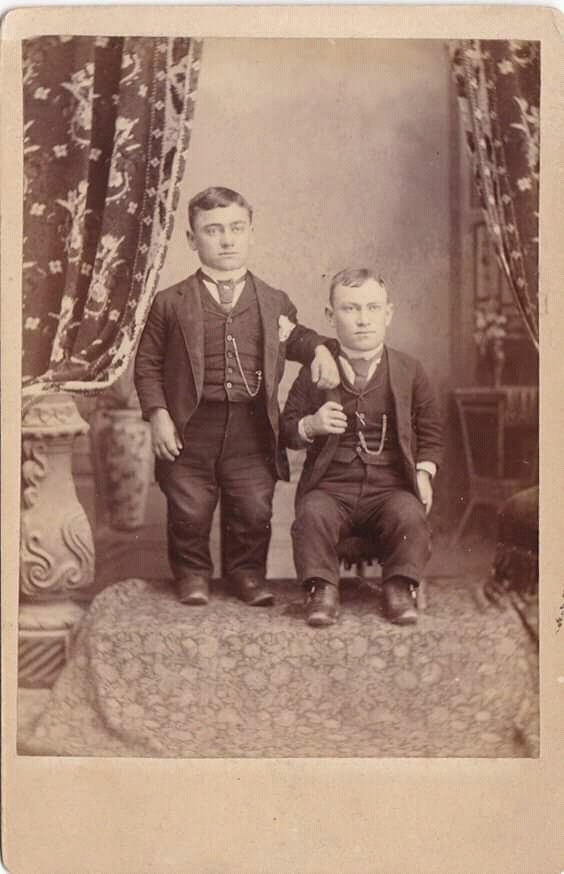
Hearing Russell’s footsteps on the stairs, Vee set a glass of orange juice on the table and cracked two eggs into the skillet. When he came into the sunny kitchen, she smiled and wished him a good morning and asked him if he’d like bacon with his eggs. Not waiting for an answer, she took four slices out of the refrigerator and laid them carefully in the skillet beside the eggs.
He helped himself to some coffee and sat down at the table. He looked across the table at Vee’s husband, Milt, but Milt didn’t look back. He was absorbed in the morning newspaper. He loved reading about crime in the city. It seemed to somehow make him happy.
“You’re such a sharp dresser!” Vee said to Russell from her place at the stove, pointing to his natty black pants and red-plaid shirt. “A lot of college students go around looking like bums all the time.”
Russell smiled modestly and downed his orange juice.
“Did you say something?” Milt asked, looking around the edge of the newspaper.
“I was just saying to Russell here how he always looks so dapper, even early in the morning.”
“Oh, Russell!” Milt said, putting down the paper. “I almost forgot about Russell! He is a quiet boy!”
“He’s hardly a boy!” Vee said, setting Russell’s plate down in front of him. “He’s a fully grown man! Just look at those arms!”
“I work out when I have the time,” Russell said.
“Whatever makes you happy,” Milt said. “Say, I was just reading in the paper where a family of six was murdered in their own beds. No sign of forced entry. Police don’t have a clue who did it. Can you beat it? What is the world coming to? And over on Polk Avenue, in those old apartment buildings near the post office, a woman stabbed her common-law husband in the neck and went off to work and left him on the floor to bleed to death.”
“Can’t we talk about something more cheerful?” Vee asked. “It’s a beautiful morning!”
“I heard yesterday about an old woman who lived alone. Somebody broke into her house and after they stole her money and jewels, they killed her. Slit her throat. She had two big dogs. They didn’t have any food for a long time so they ate her body, right down to the bones! Did you ever hear of anything so awful?”
“Russell doesn’t want to hear that gruesome talk!” Vee said. “He’s young and full of life!”
“It’s all right,” Russell said. “I don’t want you to do anything different on my account.”
“How do you like your room?” Milt asked.
“I like it fine, sir.”
“You don’t have to call me ‘sir’. This isn’t the army.”
“No, sir. I know it’s not the army.”
“How old are you?”
“Twenty-four in October, sir.”
“It’s probably hard for you to believe right now,” Milt said, “but I was twenty-four not so long ago.”
“Russell’s a graduate student,” Vee said. “Isn’t that wonderful?”
“A what?”
“He’s earned his undergraduate degree. Now he’s in graduate school.”
“Oh, right! I guess you can’t have too many degrees.”
“I should be able to get my master’s degree in two more semesters,” Russell said.
“So you’ll only need the room for two semesters,” Vee said.
“As far as I know.”
“Oh, I hope you’ll stay longer than that! You’re the best boarder we’ve ever had!”
“I don’t think you’ll have any trouble renting the room to somebody else,” Russell said. “It’s a comfortable room, conveniently located, and you are an exceptional cook.”
Vee smiled with pleasure and set down her cup. “It’s sweet of you to say so,” she said. “Most people don’t usually have anything good to say.”
“We don’t want any beatnik types with their bongo drums,” Milt said.
Vee laughed. “You’re behind the times, dear!” she said. “There aren’t any beatniks anymore!”
“You know what I mean!” Milt said. “We only want the decent-living, clean-cut types. The ones who don’t make a sound at night because they’ve got their noses buried in books all the time.”
“I think he’s saying he approves of you, Russell!” Vee said.
“We don’t need to overdo it,” Milt said.
Russell finished his breakfast and stood up. He offered to carry his plate to the sink, but Vee told him she’d take care of it.
“I won’t be here for dinner,” he said, as he left. “I’m going to be working late at the library.”
“It’s all right, darling!” Vee called. “Have a wonderful day!”
“Darling?” Milt said.
Milt left to go to work. The day was long and dull for Vee. She washed the breakfast dishes and when she was finished she lay down on her unmade bed and read an article in a magazine about a woman who was spontaneously turning into a man, and when she was finished reading she dozed for a while until a big truck passing on the street in front of the house woke her up.
She carried her broom and dustpan up the stairs and let herself into Russell’s room with her spare key. It was her duty as landlady to tidy up, empty the trash, sweep the floor, put clean towels in the bathroom and clean sheets on the bed.
Not only was Russell neat in his dress, but also in the way he lived. The covers on his bed were pulled up over the pillows. There were stacks of books and papers on the desk, but, other than that, no clutter anywhere; no dirt and no piles of dirty clothes. In the bathroom, the towels hung neatly; there were no splashes on the mirror; the bathtub gleamed, as if it had just been scrubbed.
Before going back downstairs, she lingered for a while over Russell’s belongings. She ran her fingertips over his alarm clock and his jade elephant that she admired every time she was in his room. She picked up a couple of the books and opened them, read a few words, and set them back down exactly where they had been. She opened the closet door and marveled at the perfect order: coats, jackets, shirts, pants. On the floor were four pairs of shoes aligned with precision. On the inside of the closet door was a rack of belts and ties, the ties arranged according to color.
One thing she expected to see in Russell’s room but didn’t: a picture of a lovely young woman. Of course such a handsome, intelligent, smartly turned-out young man would have a girlfriend, a real homecoming queen type, who would be waiting for him to come home and marry her when the time was right. Beauty is always rewarded with beauty, isn’t it? Isn’t that the way the world works?
In the afternoon she took a long bubble bath and washed her hair and set it. When she was finished, she dressed in fresh clothes. There was no reason for her to look slouchy all the time. She wasn’t an old woman, not yet, and she didn’t want to get old before her time. Of course, it didn’t help being married to an old stick like Milt, but she wasn’t going to let him drag her down even more than he already had.
At dinnertime she set three places at the table, even though she knew Russell wouldn’t be there. Milt didn’t notice the extra plate or that she had fixed herself up and looked better than usual. He came into the kitchen and sat down at the table at six-thirty, the time they always ate. She served up the food and they sat in silence; she stared absently out the window into the back yard or at the empty plate and unused silverware across from her. Milt didn’t talk about his day; they were all the same and had been for twenty-five years or more.
When dinner was over she washed the dishes and Milt, bone-tired as usual, retired to his spot on the couch in front of the TV. He would watch one mindless show after the other, all evening long, until it was time for the ten o’clock news and then he’d turn off the TV and get into bed, literally asleep before his head hit the pillow.
Vee went to her room at eleven o’clock and closed the door. She lay for a long time without sleeping, listening to the sounds outside: the wind in the trees, distant traffic on the highway, the faraway barking of a lonely dog.
At one o’clock, she had been dozing lightly but awoke when she heard the floor creak upstairs over her head. It meant Russell was home. She imagined him taking off his clothes and getting into bed. He’d be tired out from his long day, a day well-spent, and would go to sleep quickly.
An hour later she was still awake. She got out of bed and, without turning on a light, put on her bathrobe and stepped into her slippers. She crept slowly out of her room, careful not to make a sound, feeling her way along the wall, and up the stairs to the door of Russell’s room.
The door wasn’t locked. She turned the knob and stepped into the room. There was just enough light coming in at the window that she could see him sleeping in the bed, lying on his back. The blanket was pulled up to his waist. He wore an undershirt.
She stood for a minute beside the bed, watching him sleep. He had his right arm over his head with his left arm resting at his side. She was reaching out her hand to touch him when he opened his eyes.
He reached over and turned on the lamp beside the bed and looked at her with alarm. “What’s the matter?” he asked. “Is anything wrong?”
“No, nothing’s wrong. I…”
“There’s not a fire, is there?”
“No, there’s no fire.”
“Why are you coming into my room late at night without knocking?”
“Please don’t be mad at me! I missed you at dinner and I just wanted to make sure you made it in all right.”
“Of course I made it all right!” he said. “Why wouldn’t I? You don’t have to watch out for me.”
“I know. I wouldn’t blame you for being terribly angry, but…I just couldn’t seem to help myself.”
“Why not?”
“You’re special to me.”
“What are you talking about? You woke me up to tell me that?”
“I can’t stop thinking about you. I like looking into your beautiful dark eyes and talking to you and being in the same room with you.”
“What? What are you talking about?”
“I just like being near you.”
“Oh, I think I get it now! I’m not going to have sexual intercourse with you. Now or at any other time.”
“No, it’s not that!” she said. “That’s not what I want!”
“What do you want?”
“I want you to turn off the light. I want you to close your eyes and pretend I’m somebody else. I want to touch your face and your hair. I want to feel your arms and your chest, your legs and your feet. I want to feel you all over.”
“That’s a very odd request. Do you always do that with your boarders?”
“Oh, no! This is the first time!”
“Does Milt know about it?”
“Milt doesn’t know a thing.”
He threw back the blanket that covered his lower body and stood up from the bed. He pulled his undershirt off over his head and stepped out his pajama bottoms and turned off the light.
“All right,” he said in a whisper, lying back on the bed as though waiting for a medical examination. “Please make it quick, though. I’m cold and I feel kind of funny about this.”
“I promise you, nobody will ever know,” Vee said.
In the morning Vee was in the kitchen cooking breakfast when Milt came in, yawning, and took his place at the table.
“Did you hear anything unusual last night?” he asked, rubbing his eyes.
“I heard a dog barking but it didn’t keep me awake,” she said.
“With all the crime in the city, you have to be constantly aware of what’s going on in the neighborhood. You can’t be too careful these days.”
She handed him the morning paper to get him to stop talking it and he opened it and began reading a story on the front page about a triple homicide.
“One of the people killed was a niece of the mayor’s wife! Can you beat it?”
“Eat your eggs while they’re hot,” she said.
He was halfway finished with breakfast when he noticed someone was missing from the breakfast table.
“Hey, where’s what’s-his-name?”
“Who?”
“Our little boarder.”
“Do you mean Russell?”
“Yeah, Russell. Where is he?”
“He’s gone.”
“He had an early class or something?”
“No, he left. He moved out.”
“Moved out? What are you talking about? He just said yesterday he liked it here and wanted to stay. Did something happen?”
“No. I don’t know.”
“Did he skip out on the rent?”
“He was paid up until the first of the month.”
“What is wrong with these people? He’s the third boarder we’ve lost in less than a year! They’re here and everything is fine, and then the next day they’re just gone without so much as a wave goodbye! It must have something to do with all this crime!”
“I’ll place the ad in the paper again,” she said, “but I don’t think we’ll get anybody as sweet as Russell ever again. Not in a million years.”
She turned her head away and went out of the room so Milt wouldn’t see her tears. She stayed in her bedroom until he left for work and then she went into the kitchen and began gathering up the dirty dishes to wash them. She hoped that Russell might come by later in the morning so they could have a private talk, just the two of them, without Milt, and she could apologize for what happened and set things right. Oh, how she hoped!
Copyright © 2023 by Allen Kopp
A Cross-Eyed Woman ~ A Short Story
A Cross-Eyed Woman
~ A Short Story by Allen Kopp ~
“Did I tell you I’ve got a new girlfriend, grandpa?”
“Is that so? What’s her name?”
“Lucille Meisenbach.”
“How much does she weigh?”
“A hundred and thirty.”
“How old is she?”
“She’s a year younger than me, grandpa.”
“Don’t be in no hurry to marry a person with a name like Lucille Meisenbach.”
“I’m not. I only just met her.”
“Make sure you know everything about her before you marry her. Her people, too.”
“I’m not going to marry her.”
“What’s wrong with her?”
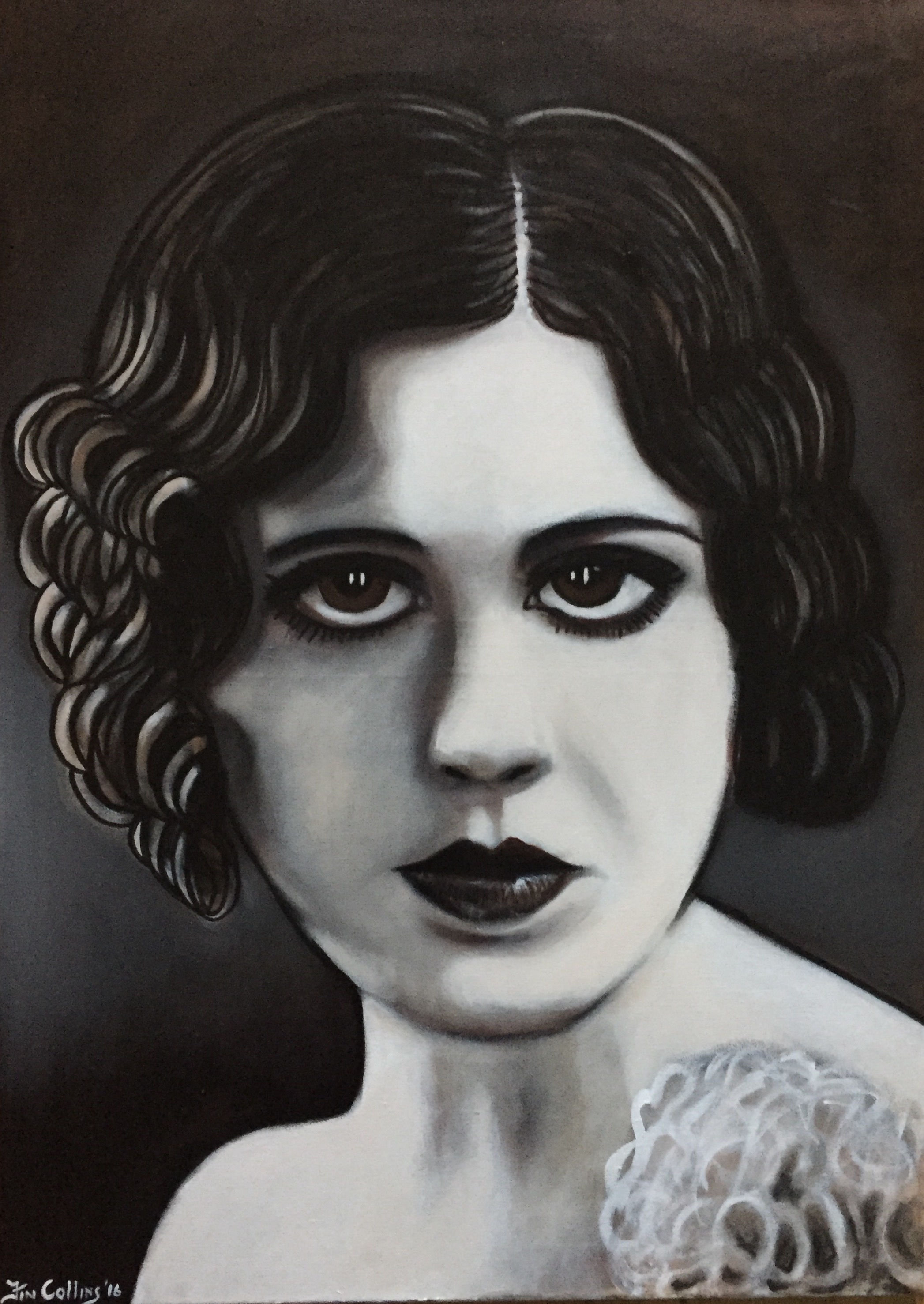
“Nothing, except that she’s cross-eyed.”
“You don’t want to marry no cross-eyed woman.”
“Okay, I won’t.”
“Cross-eyed woman is a sign of trouble.”
“How do you know, grandpa?”
“I’m seventy-three years old. I’ve seen everything and what I haven’t seen I’ve heard about.”
“I wouldn’t want to marry her, anyway.”
“Why not?”
“She’s got six toes on one foot.”
“How many on the other?”
“Just five.”
“Eleven toes is bad luck. It’s a mark of the devil.”
“If you say so, grandpa.”
“You don’t think you’d want to marry her after you’ve known her for a while?”
“No, sir.”
“You say that now, but if she gets it into her head to marry you, she’ll find a way to ensnare you against your will.”
“I don’t think that’s going to happen, grandpa.”
“Why not?”
“She’s not very smart.”
“You don’t have to be smart to be evil.”
“I wouldn’t exactly say she’s evil, grandpa.”
“You probably just don’t know her well enough to see her evil side.”
“If I start to see it, I’ll dump her.”
“Maybe she won’t let you dump her.”
“If I want to dump her, she can’t stop me.”
“I see you know very little about women.”
“I know enough.”
“Just make sure you find out everything there is to know before you marry her. If she’s got them two flaws, she’s bound to have others.
“I haven’t seen any others.”
“Well, she’ll be setting her trap to catch you.”
“I don’t think so, grandpa.”
“Well, don’t say I didn’t warn you.”
“I went over to her house for dinner on Sunday. We had fried chicken. Her mother’s name is Vera Meisenbach.”
“How old is she?”
“Forty-three.”
“How much does she weigh?”
“Two hundred.”
“A big woman.”
“Yes, sir. Big and tall. Broad shoulders. A wild look in her eye. Kind of scary.”
“And that’s not all, is it?”
“No, sir. She’s got a hump on her back.”
“Uh-oh! A big woman with a hump on her back has a cross-eyed daughter with eleven toes. Freakishness runs in the family. That’s not good.”
“I can’t claim to be perfect myself.”
“You’ve got the right number of toes, you’re not cross-eyed and there’s no hump on your back.”
“That’s true.”
“Count your blessings.”
“Yes, sir. I also met Lucille’s daddy. He’s a little bitty man like a midget.”
“A pattern has been established.”
“Lucille told me he’s got a metal plate in his head that lets him pick up radio transmissions. I tried to keep from laughing.”
“How much does he weigh?”
“Ninety-four pounds.”
“His wife weighs more than twice what he weighs?”
“Yes, sir.”
“Not pleasant to contemplate. How old is he?”
“He’s forty-nine years old.”
“And his name?”
“Luther Meisenbach.”
“Any other progeny besides Lucille?”
“A brother named Norland Meisenbach. He’s sixteen.”
“Is he cross-eyed?”
“Not that I noticed, but I didn’t pay that much attention.”
“How much does he weigh?”
“A hundred and ten.”
“That’s small for sixteen, isn’t it?”
“I guess so.”
“Anything freakish about him?”
“He’s got a turned-in foot and he doesn’t talk much because he’s got a stutter.”
“So there’s something wrong with every one of the Meisenbachs.”
“Yes, sir. I guess you could say that.”
“If you take my advice, sonny, you’ll get as far away from that bunch as you can. They’re not wholesome to be around.”
“Yes, sir. I don’t really care that much for Lucille, anyway. When she looks at me, it looks like she’s looking over my shoulder.”
“She’s probably looking to her satanic master for direction.”
“You sure have opened my eyes, grandpa. I’m glad we had this little talk.”
“Not at all, sonny. That’s what grandpas are for. And be sure and bring her around some time so we can all get a good look at her.”
“I was thinking about Sunday dinner, grandpa.”
Copyright © 2023 by Allen Kopp

Head in a Bottle ~ A Short Story
Head in a Bottle
~ A Short Story by Allen Kopp ~
A girl named Oubliette lived with her grandmother in a remote mountain area in the wildest part of a wild state. The house they lived in was older than anybody could remember and had a hundred or more rooms. Oubliette loved the house, as it was the only home she had ever known. She felt safe and happy there, knowing she never had to venture out into the world. Grandmother had taught her that the world is an ugly and evil place, with myriad dangers waiting to snare the unsuspecting, and those who live apart from it are the luckiest people alive.
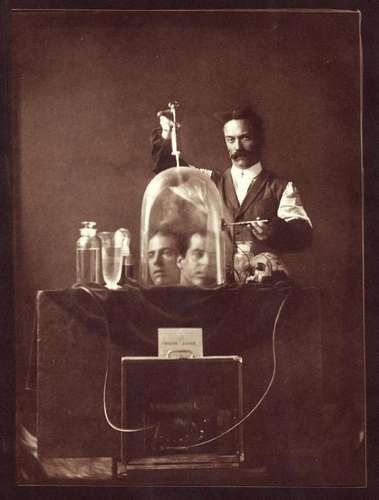
Oubliette didn’t miss going to school the way other children do because she always had plenty to do to keep her body and mind occupied. The house was filled with many interesting things. One enormous room on the top floor was filled with specimens floating in formaldehyde in large bottles. One bottle held a pair of smiling Siamese twins that appeared to be hugging. Oubliette liked to think of them as living in the bottle. She was sure they were as happy in their snug little world as she was in hers. Another bottle that she was always drawn to held the head of a man with his hair floating out from his head like seaweed. His eyes were open wide and his lips were parted as if he had been trying to speak at the moment his head was severed from his body. What exactly had he been going to say? Oubliette liked to put her ear against the cold glass next to his mouth in the hope that she would hear him speak but she never did. It was a tantalizing mystery, though.
Other bottles held a heart, a liver, a brain, eyes, and a set of lungs, not to mention a dodo bird that had been extinct for hundreds of years, an octopus, a python snake, side-by-side scorpion and tarantula, a dinosaur egg that was millions of years old, a coelacanth, baby shark and alligator, and on and on. Not in jars but in opposite corners of the room as if they were keeping watch were two complete human skeletons suspended from hooks. The room and everything in it was as familiar and beloved to Oubliette as her own hand.
Another part of the house was filled with departed family members who had walked the earth long before Oubliette was born. One of Grandmother’s sons, the one she didn’t like to talk about very much, had been a taxidermist. His name was Sheridan and he was Oubliette’s great uncle. He had left home many years ago and nobody knew anymore if he was even still alive. Instead of stuffing animals as most taxidermists do, Uncle Sheridan stuffed deceased family members. It had become a sort of tradition in the family that when one died one would be stuffed and mounted instead of being buried in the ground the way most dead people are. And Sheridan prided himself on the lifelike appearance of his subjects: Uncle Julius, for example, was dressed in evening dress, cape and top hat and was just stepping from a carriage as he did so often in life. Baby Margaret sat up in her perambulator, eyes shining and mouth opened slightly in baby laughter, showing tiny, pearl-like teeth. Grandfather Beauchamp sat in his favorite armchair beside a stock ticker, carefully studying the narrow stream of paper issuing from it. Cousin Grace was dressed in a shimmering gown as Juliet, a part she had triumphed in on the stage. Uncle Cowan, a gifted musician in life (killed by a lightning bolt at age 19), was playing the violin with a look of intense concentration. His sister, Marigold, was sitting at a vanity table brushing her golden hair. Aunt Clytemnestra, Grandmother’s sister, sat at a writing table with pen poised over paper. (She had been a celebrated writer of serials for women.) Eccentric cousin Ludlow, a member of a circus in life, was dressed as a clown with white face paint, a round red nose and a huge grinning mouth. Cousin Melba on Grandfather’s side of the family was on her knees with her hands folded in front of her in an attitude of prayer, asking for forgiveness because she had taken her own life. Melba’s husband, Gustave, having been a doctor, was dressed in a medical gown, with a stethoscope around his neck and a raven on his shoulder (why a raven, nobody could say). Grandmother’s daughter, Meredith (she died on her sixteenth birthday of a brain hemorrhage), was sitting in a rocker beside a birdcage with a book in her hand, looking exactly as she had looked on the day before she died.
Oubliette loved every one of them as if they were alive. She had come to understand at an early age that “dead” is a relative term. Just because you are “dead” in one place doesn’t mean you are “dead” in all places. There are the unseen worlds that living people aren’t supposed to know about. Her only sorrow was that Uncle Sheridan wouldn’t be there to stuff her and Grandmother when their time came. She supposed they would just have to go into the ground the way ordinary dead people do.
She worried sometimes about Grandmother. Nobody knew exactly how old she was, but she had to be over a hundred. Recently she had stopped doing many of the things she loved to do and had taken, about every other day, to staying in bed all day. That wasn’t like her at all. She probably needed a doctor but didn’t like doctors and wouldn’t allow one in the house. She said the only doctor worth anything was nature. When it was her time to go to the other world, she would go, without having any quack doctors fussing around her and expecting to be paid for it.
Oubliette refused to think about Grandmother leaving her. She knew that everybody leaves the corporeal world for the ethereal one, but she somehow believed it wouldn’t happen to Grandmother as long as Oubliette needed her to be there with her. Grandmother was, after all, her only loved one and the only person she had ever spoken to in all her life. They were like two separate parts of the same body. As much as she loved the specimens in the bottles, the skeletons, and the stuffed family members, they were really nothing without Grandmother. She had come to be of the opinion that when Grandmother left the corporeal world, she was going to leave it too.
Grandmother had been thinking along the same lines. One day at tea time she asked Oubliette to come into her bedroom and have tea with her because she had something she wanted to talk to her about.
“I taught you the story of Adam and Eve,” Grandmother said, propped up with a mountain of pillows on her bed.
“Yes,” Oubliette said.
“We all die because of them.”
“Yes.”
“Do you know how old I am?”
“No.”
“The clock is winding down for me, as it does for all of us. The moment we are born, we begin to die.”
“I suppose that’s true,” Oubliette said.
“I’ve given you a good life, haven’t I?”
“Of course.”
“Have you thought about what your life will be after I’m gone?”
“No.”
“Because you are so young, the do-gooders will come and get you.”
“And do what with me?”
“They’ll make you a ward of the state. They’ll put you in a home for children without families where you will have to associate with riff-raff the likes of which you cannot even imagine.”
“Can you explain ‘riff-raff’ to me?”
“Girls with bugs and diseases. Filthy-minded boys who want to take away your innocence.”
“That’s not going to happen.”
“No, indeed, it will not, if I have anything to say about it.”
“You’re not going to die,” Oubliette said. “You’ll still be here twenty years from now when I’m a grown-up person.”
“We both know that’s not true,” Grandmother said. “I’ve already lived longer than any person has a right to live.”
“What can I do about it?”
“In the corner of your medicine cabinet in your bathroom you will find a tiny bottle.”
“What’s in it?”
“Some white powder to be mixed with water and ingested. I’ve been told it is instantaneous and absolutely painless.”
“Oh.”
“It is, of course, completely up to you whether or not you use it. I know you’re a smart girl and will make the right decision.”
“Do you want me to try to contact Uncle Sheridan to come home and do for you what he did for the others?”
“Sheridan’s dead,” Grandmother said. “I saw it in a dream.”
Grandmother lived for a few more months but finally, one day in the spring, she departed this life, in her own bed, with Oubliette beside her holding her hand.
After a period of mourning lasting one day, Oubliette wrapped Grandmother carefully in a pink blanket like a mummy, using large safety pins, and pulled her off the bed onto the wheelchair. She rolled her into the specimen room and dumped her into a large vat of formaldehyde that she had made ready and sealed it shut as fast as she could.
She wasn’t ready to accept that Uncle Sheridan was dead, anymore than she was ready to accept that Grandmother was going into the ground and she would never see her face again. She would find him and make him come home. Since the two of them shared the same blood, she believed that a bond must exist between them, no matter how slight. She would contact him any way she could.
She called every newspaper in the telephone book (five of them) and placed an ad in the “personals” section of each one: Uncle Sheridan, please come home. Grandmother needs you. Signed, Oubliette.
Of the private investigators in the book, she called the one with the nicest-sounding name, Byron Montague, and asked him to conduct an investigation to find Uncle Sheridan, who might be anyplace in the world, if not dead. Byron Montague asked her many questions, most of which she couldn’t answer, but he agreed to explore every avenue and to send her a bill with the results of the investigation as soon as it was completed.
But that wasn’t all. Being a firm believer in the power of the occult, she conducted a séance. She had only a vague idea of what a séance should be, but she did the best she could with what she had. At midnight in the room with the stuffed family members, she sat before a mirror with a lighted candle between her and the mirror. She stared into the flame until it was the only thing that existed for her in the world. Putting both hands to her temples, she willed (a kind of praying) with all her might to enlist the aid of the departed.
“If Uncle Sheridan is there,” she said, “give me a sign. If he’s not there and is still among the living, let him know in any way you can that he’s needed at home.”
The candle went out at that moment in a room that was absolutely airtight, but she didn’t know what it meant. Was it the sign she asked for that Uncle Sheridan dwelt in the land of the dead, or was it an acknowledgment that she was getting through? The results were inconclusive and unsatisfying.
The next night she climbed all the steps in the house with a hundred rooms to the little flat place on the roof that in olden times had served as a lookout. When she was younger, she loved the lookout because it was so secret and private a place and was impossibly high off the ground. She used to spend hours there in agreeable weather reading a book, surrounded by her dolls and stuffed animals, or looking off into the distance, wondering vaguely what the world out there was really like. Whenever Grandmother couldn’t find her, she always looked for her on the lookout.
A light rain was falling but she didn’t mind. She had always liked the rain and, since it had been an especially warm day, it felt cooling on her skin. She looked into the sky and spoke a prayer to God (if God was anywhere, he had to be there) to send Uncle Sheridan home to her. He could stuff Grandmother the way she deserved to be stuffed and he could keep the do-gooders from taking Oubliette to an orphanage with all the riff-raff. It didn’t seem like a lot to ask.
She caught a terrible cold after that, but she didn’t mind very much. She stayed in bed for three days, napping and reading and wishing that Grandmother was there to keep a watch on her temperature and fix her tempting things to eat.
Weeks went by. She recovered from the cold and kept herself busy in the big, silent house, but she missed Grandmother terribly. She had never understood loneliness before. Now nothing was the same. She took to sleeping on a pallet on the floor of the specimen room next to the vat that held Grandmother, with the smiling Siamese twins at her head and the octopus at her feet.
Summer went by slowly and then it was autumn again. Oubliette was as low as she had ever been in her brief life. She couldn’t stand the thought of a winter alone in the house with its howling wind over the mountain and its dark, abbreviated days.
The day came when she didn’t even bother to get out of bed at all. She slept through the day, dreaming pleasant dreams about Grandmother and the way it used to be, and woke up in the early evening to the dark reality of her life. She knew she had reached the end of her tether and it was time to take the powder.
She cleaned herself up, combed her hair and washed her face, and put on her best nightgown that Grandmother made for her and gave her as a Christmas present the Christmas before she died. She filled a glass with water and took the little bottle of powder out of the medicine cabinet and emptied it into the water. She waited for the powder to dissolve and then drank it down.
She didn’t know how long she had so she hurried and got back into bed and pulled the covers up to her chest. Soon she began to feel a pleasant drowsiness and she knew the powder was taking effect. Her last thought before she passed over into that other realm was that it would be years before anybody found her body and when they did she would be a skeleton in the bed, with mice running in and out of her eye sockets. Maybe her ghost would haunt the house and people would be afraid to come anywhere near it, a prospect she found thoroughly enchanting.
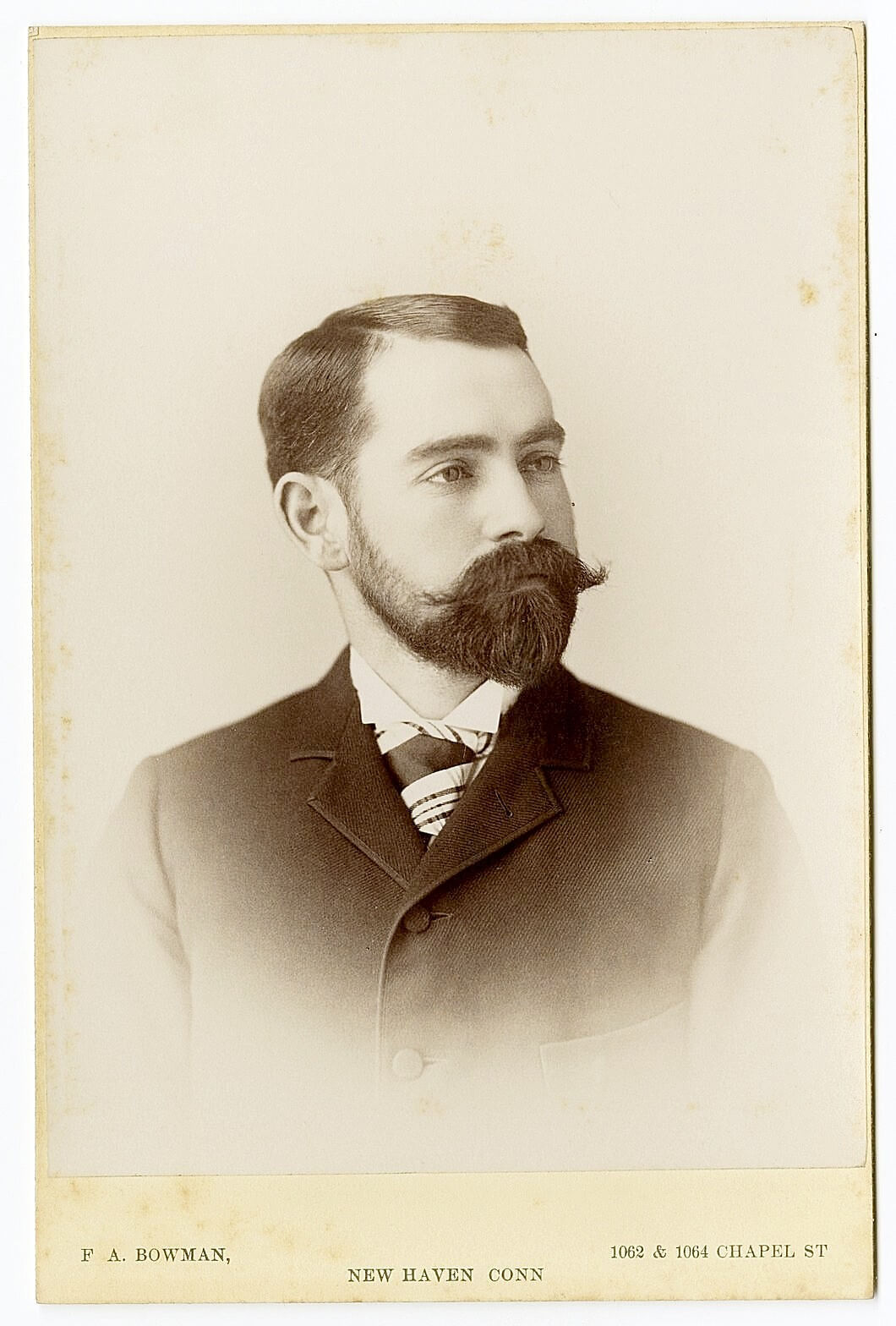
She fell into the oblivion of sleep. Hours later (or was it minutes?) when she awoke she knew that something in the room had fundamentally changed but she didn’t know what it was. She sat up in bed and, turning on the light, saw a man standing at the foot of the bed looking at her. He had a black moustache and green eyes, the same color eyes as Uncle Cowan’s. She took that as a very good sign.
“Uncle Sheridan?” she said.
The man took his derby hat off and held it in his hand. “No,” he said.
“Am I dead or am I dreaming?” she asked.
“Any one of us could ask that very same question,” he said.
She pushed back the covers and swung her legs over the side of the bed, caring nothing about modesty. “If you’re not Uncle Sheridan,” she said, “who are you?”
“Does the name Byron Montague mean anything to you?”
“The private investigator?”
“One and the same.”
“Did you find Uncle Sheridan?”
“No, I didn’t. I’m sorry.”
“How did you know where to find me?”
“You gave me your address to send you my bill, remember?”
“You deliver your bill in person?”
“This is the first time.”
“My next question might be to ask why you are in my room in the middle of the night and if you are really here or if I am only imagining it.”
“It’s difficult to explain.”
“Do the best you can.”
“After I spoke to you on the phone, I started thinking a lot about your situation. It wasn’t what you told me that concerned me but what you didn’t tell me. I knew that you needed help and it came to me that I was the one to help. When I tried to put it out of my mind, it always came back to me, as if I was being impelled in some way, but who or what impelled me, I couldn’t say.”
“How did you even get through the front door? It’s always locked.”
“I knocked repeatedly and when nobody came I was about to leave when the thought occurred to me that a key might be hidden somewhere. People very often do that, you know. I started looking around and found a key high up in a tiny niche—more a crack, really—to the right of the door. I had come this far, so I just had to come inside and look around, although I might have been taken for a burglar and shot.”
“You’re not a taxidermist are you?” she asked. “In addition to being a private investigator?”
“Yes, I am,” he said. “How did you know?”
“Have you ever stuffed dead people instead of animals?”
“Well, once or twice,” he said, “but I think as a practice it’s generally looked down upon.”
“I have something I want to show you,” she said.
She put on her dressing gown and took him into the room with the stuffed family members. At first he thought he was looking at wax figures until he put his face up against their faces and sniffed them like a dog.
“This is very good work,” he said. “Quality craftsmanship.”
“I’ll bet you’ve never seen anything like it before.”
“No, indeed, I have not. Who did it?”
“Uncle Sheridan.”
“I get a chill when I look at them. They’re dead yet still they live. They ought to be in a museum.”
“We would never agree to display them in a museum, Grandmother and me.”
“Is she here now?”
“She’s waiting just down the hall. If you come with me, I’ll take you to her.”
Copyright © 2023 by Allen Kopp
Marrying Quintus Cavender ~ A Short Story
Marrying Quintus Cavender
~ A Short Story by Allen Kopp ~
(This short story was published in The Literary Hatchet.)
Hulga Colley was afraid in the house alone at night. She heard voices and believed someone was trying to break in, even though she double-checked all the windows and doors before going to bed. And it wasn’t just the doors and windows; she was certain someone was hiding in the attic and would come down into her bedroom through the ceiling to get to her. They would spy on her and rob and rape her; they would tie her up and torture and impregnate her and then they would help themselves to whatever food was in the kitchen before leaving. As irrational as these fears seemed during the daylight hours, she seemed powerless to control them at night.
Part of the problem was the old house Hulga lived in. It was a ramshackle, tumbledown pile, to be sure, not conducive to happiness or cheer. There was a ghost or two still hanging on, she was certain. Sometimes she heard them laughing or taunting her. They liked to hide her glasses or the butter or the toilet paper. One day they would kill her in a horrible and unexpected way and her dead body would not be discovered for a long time.
Hulga’s best friend was Irene Peebles. Hulga and Irene had known each other since high school. Irene was a widow who lived in a roomy, two-story house with her brother, a bachelor named Quintus Cavender. Quintus used to work as a foreman in a factory but had to stop working because of ill health and go on government disability. Irene kept house for him, washed his clothes and cooked his food. He was her only family, as she was his.
Irene was always ready to help a friend in need. When she heard that the furnace in Hulga’s house stopped working and needed expensive repairs, she invited Hulga to spend a few days in her guest room, until the furnace could be repaired. Hulga was all too happy to pack her suitcases and fire up the old Rambler and drive on over to Irene’s house in low gear.
Hulga loved the guest room. It was luxurious compared to what she was used to. It had its own bathroom, just like in a fine hotel. The flusher on the toilet always worked and the water came out of the faucets in a lusty gush rather than a brown trickle. The walls were all plumb and the doors hung precisely in their frames. There was no peeling paint, no shredded wallpaper and no furtive sounds coming from inside the walls. It was a little slice of heaven.
Best of all, she stopped hearing the voices that scared her so badly in the night. She stopped imagining that someone was trying to get to her to do bad things. She slept soundly all night long, from the time she went to bed until the twittering birds woke her up in the morning. Who would imagine that a change of scenery could make so much difference?
Every rose has its thorns, though, every bottle of wine its sediment in the bottom.
“I don’t think your brother likes having me here,” Hulga said to Irene one evening when they were washing the dishes after dinner.
“He’s an old crab sometimes, but he doesn’t mean anything by it,” Irene said. “He loves having you here. He said so.”
After a week, Hulga showed no signs of going home. At the dinner table, the only time the three of them were together in the same room, Quintus questioned Hulga bluntly about her plans.
“How much longer do you plan on being here?” he asked.
“I don’t know,” she said, brightly innocent.
“How is the furnace repair coming along?”
“Not so good,” Hulga said. “The man says I need to buy a new furnace. I told him I don’t have the money for that, so he’s sending away to Germany for the spare parts to fix the old one.”
“How long is that going to take?”
“He doesn’t know. He’ll get the parts as quick as he can.”
“You can’t rush these things,” Irene said.
“Do you know the Parklane Hotel over by the park?” he asked.
“No, I don’t believe I do,” Hulga said.
“I’d be happy to run you over there.”
“What are you saying?” Irene said. “Of course, I won’t have my dear friend staying in a hotel when she can stay here! Don’t be ridiculous!”
Alone in the guest room late at night after everybody had gone to bed, Hulga schemed. Irene—but especially Quintus—was expecting her to go back home soon. The truth was, though, that she didn’t want to go back home. She wanted to stay. For good. She didn’t want to leave the wonderful guest room with its luxurious bed, pristine walls, stain-free ceiling and movie-star bathroom. They were hers now (to her way of thinking) and woe to anybody who tried to make her part with them!
So, the question now was this: How might she sell her old house for what little it was worth and live permanently in Irene and Quintus’s house? She might get Irene and Quintus to sign the house over to her and then kill them, but that didn’t seem like a very practical plan; she had never killed anybody and she would be sure to get caught. No, the right way and the legal way to make it her house too was to marry Quintus! Of course, it was so obvious right from the beginning. She and Quintus would become husband and wife and then, according to the Napoleonic code of the state they resided in, the house would belong to her as much as to Quintus and Irene! So easy and so simple!
The key to the success of the plan was Irene. Once Irene saw the good sense and the practicality of it, the two of them could put the idea over to Quintus. He might take some convincing, but he was sure to come around in time.
When Hulga told Irene of her plan over a cup of tea and a slice of apple cake, Irene looked at her in astonishment.
“Are you making a joke?” she asked.
“No,” Hulga said. “Why would I joke about such a thing?”
“Quintus is a bachelor. He was born a bachelor. He will always be a bachelor. He will die a bachelor.”
“He’s not gay, is he?”
“If he is, he’s never told me.”
“Don’t you think you’d know it?”
“I don’t want to know it. It’s his own private business.”
“I see. So, you don’t think he’d marry me?”
“I don’t think he’d marry June Allyson.
“I could make him want to marry me.”
“How?”
“I could cook for him and give him back rubs. When he’s tired, he can put his feet in my lap and I’ll rub them for him. I’ll always encourage him and listen to his stories about his childhood and let him talk about himself endlessly without interrupting him. Men love to talk about themselves.”
“I don’t think even that would do it.”
“Well, I don’t have any money, but if I did I’d give it all to him.”
“Money won’t do it, either.”
“You’re not being very encouraging.”
“I’m just being realistic. I know him.”
“The three of us could live together in this beautiful house in happiness and contentment for as long as we live. We could take care of each other. We’d always be together and we’d never be lonely again.”
“I don’t think Quintus is lonely.”
“But you’re his sister. How could you know?”
“He’s always been a solitary person.”
“That’s because he doesn’t know any other kind of life. I could change all that.”
“So, you’re planning on not only marrying him, but also changing him?”
“Well, what’s wrong with that?”
“I don’t think men like women trying to change them.”
“You’ll see! I’m a very good cook and housekeeper. He’ll have no complaints on that score. And when it comes to sexual relations, I’ll be willing to do whatever makes him happy.”
“You’re able to think of him in a sexual way?”
“Of course! He’s an attractive man.”
“Quintus? Attractive?”
“I have to admit I’ve always had a little crush on him.”
“A crush? You have a crush on Quintus?”
“I know it’s difficult for you to believe, but it’s true. If he and I were together, I know I could make him happier than he’s ever been before in his life.”
“Why don’t you just ask him to marry you, then?”
“I’ve thought of that, but I don’t want to frighten him to death. I don’t want to overwhelm him. He needs time to think about it. I want you to smooth the way for me first. Give him a chance to get used to the idea.”
The next day Hulga was gone all afternoon. She drove downtown and had a long lunch at Woolworth’s lunch counter and then she did some shopping, which mostly amounted to looking at merchandise she couldn’t afford. When she was tired of shopping, it was too early to go back—she wanted to give Irene ample time to talk to Quintus—so she went to a matinee movie. It was a war movie that she didn’t like very much, but she cried at the end when everybody got killed.
Driving back in afternoon traffic, which always scared her a little, she felt a thrill in her abdominal muscles, radiating out to her arms and legs, because she was sure that Quintus had been thinking all along what she had been thinking and that, yes, he would love to marry her! He had been searching all his life for somebody like her and now the search was over! They were going to be so happy!
When she got back home (not her home, but Quintus and Irene’s), Quintus’s car wasn’t in the driveway or in the garage. She expected him to be there to greet her with open arms. Irene was in the house alone, playing Solitaire at the kitchen table.
“You’ve been gone all day,” Irene said.
“I did some shopping and saw a war movie,” Hulga said.
“Sit down and have a cup of tea.”
“I don’t want any tea. I want to know if you have any news for me.”
She pulled out the chair and sat across the table from Irene.
Irene said, “You should have known, deep down, that Quintus would never want to get married.”
“No? The answer is no?”
“I’m sorry, dear.”
Hulga turned away and started to cry. “I was hopeful,” she said. “I was so hopeful.”
“It just wasn’t a good idea from the beginning.”
“I thought it would be just the right thing for all of us.”
“I know, dear, but we don’t all think the same way.”
“Can I talk to him? Is he here?”
“He left. He won’t be back until next week.”
“Where did he go?”
“He went on a fishing trip.”
“When he comes back, if I could just talk to him myself…”
“It wouldn’t do any good, I’m afraid. His mind is made up.”
“I could at least apologize for being so silly and presumptuous.”
“I think we should just leave it as it is,” Irene said. She took a piece of paper out of the pocket of her sweater and pushed it across the table toward Hulga.
“What is this?” Hulga asked.
“It’s a check.”
“What is it for?”
“He wants you to have a new furnace. He’s going to pay for it.”
Hulga unfolded the check and dried her eyes. “Why, it’s a check for fifteen thousand dollars!”
“He wants you to have a new furnace.”
“Why, I can’t take this!”
“Of course, you can!”
“How could I ever repay him?”
“You don’t have to repay him. It’s a gift.”
Hulga was happy and sad at the same time. “Oh, I get it!” she said. “This money is to get me to go home! You don’t have to drop a ton of bricks on me! I know when I’m being asked to leave!”
Before Irene had a chance to say anything else, Hulga stood up from the table and went upstairs to the guest room. She had her bags by the front door and was ready to leave by four o’clock.
“You don’t have to go now,” Irene said. “Stay and have dinner.”
“I’m not hungry!”
Irene opened the door and Hulga squeezed through with her suitcases.
“I can help you carry those to the car,” Irene said.
“Don’t bother! I’m not helpless, you know.”
Hulga slammed the bags into the back seat of the car and drove off in a cloud of exhaust.
Back in her own cold, dark house, she cried for a couple of hours that her plan to marry Quintus didn’t work out the way she had hoped. After she cried herself out, she heated a can of pork and beans and ate them in front of her erratic television, whose picture came and went according to which way the wind was blowing.
At ten o’clock, she wanted to take a hot bath, but she knew she would just about freeze to death if she immersed herself in water, so she took two sleeping pills and got into bed and listened to the wind outside the window and the strange creaking sounds the house generated on its own.
She slept soundly for three or four hours and then awoke with a start, imagining someone calling her name. She got out of bed and walked around the bedroom in the dark, half-asleep, looking for something without knowing what it was. The cold drove her back to bed and soon she was lost in sleep again; that’s when the ghosts came out of the attic and the walls to do bad things to her. They tried to kiss her obscenely, their tongues hanging out of their mouths, but she fought them off valiantly and refused to let them have their lascivious way with her. One of them, she was sure, had the face of Quintus Cavender.
In running through the house from room to room trying to find an ax (or was it the phone she was looking for?), she fell twelve feet through the rotting floor into the basement. The fall broke both legs and her back and she died in several hours in hellish pain. Her decaying corpse provided a feast for mice, silverfish, slugs, centipedes, roaches, spiders and a hungry rat or two, over many days to come.
Finally, somebody in the neighborhood asked the question that needed to be asked: Has anybody seen the crazy old woman that lives in that old house?
Copyright © 2023 by Allen Kopp
A Good Part of the Afternoon ~ A Short Story
A Good Part of the Afternoon
~ A Short Story by Allen Kopp ~
She called herself Penelope but that wasn’t really her name. She lived in a small but comfortable third-floor apartment in a large building. She paid her rent on time and never caused anybody any trouble. She rarely went out and knew none of the other people in her building except to pass them in the hallway.
Most of her days were the same but she didn’t mind. She was happy with her life, as narrow as it was. If contentment was happiness and happiness contentment, then she had both.
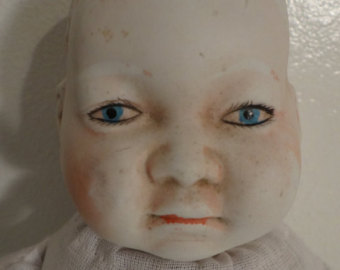
Her baby, whom she called Alexander, lay in his crib in the bedroom. He was such a good baby. Never caused any trouble at all. And she attended to him assiduously. When she was in the kitchen washing the dishes, she thought she heard him whimper, but when she went in to check on him he was still asleep. A perfect little angel.
Feeling a little bit lonely, she picked Alexander up in her arms and carried him into the living room and sat down with him in the rocking chair. She cooed at him, laughed, and sang him a little song that she made up. She felt him looking at her with his wide eyes, his bow-shaped lips drawn back over his perfect teeth in a sweet smile. He was such a handsome boy. So much like his father.
She held him, rocked him, and sang to him for a good part of the afternoon, thanking the Lord above all the while for giving him to her. Then when she heard the clock chime three o’clock, she knew it was time to start dinner. She took Alexander back into the bedroom and placed him carefully in the crib.
She went into the kitchen and put on her apron. She would fix a casserole with some leftovers from the refrigerator. It would be ready about the time that Alexander’s father arrived home.
While the dinner was baking, she set the little table for two and then fixed herself up some, washed her face, combed her hair and put on some lipstick.
When she knew he would be arriving any second, she felt the blood quicken in her veins. She went into the bedroom and picked Alexander up and carried him to the front door. She looked out the little peephole in the door and, just like clockwork, she heard his footsteps in the hallway. He was dressed in a dark suit, carrying his briefcase just like always.
She saw him through the peephole as he opened the door across the hall and went inside. She held Alexander up to the peephole to get a glimpse of him before it was too late. It didn’t matter that Alexander was made out of plastic, had plastic eyes, and the man across the hall didn’t know her. The day for her was complete. She was as fulfilled as any woman could be.
Copyright © 2023 by Allen Kopp

 Literary Fictions