Anna Karenina ~ A Capsule Movie Review

Anna Karenina

Anna Karenina ~ A Capsule Movie Review by Allen Kopp 

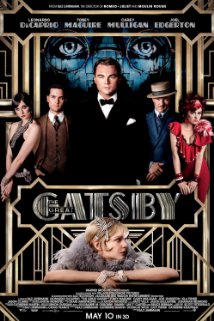
There have been many film versions of Leo Tolstoy’s novel Anne Karenina, most notably the 1935 (Greta Garbo) and 1948 (Vivien Leigh) versions. There was also a big-screen 1997 version and several adaptations for TV, including the memorable twelve-part Masterpiece Theatre adaptation in the 1970s. It’s an accessible story with fascinating characters that lends itself well to filmic adaptation. In 1870s Imperial Russia, aristocratic Anna is married to stodgy government official Karenin. Karenin is a “good” man who follows the rules; he believes a wife is a wife for life. Anna meets young cavalry officer Count Vronsky and the earth moves for her and for him. She engages in an adulterous affair with him, has his child, leaves her husband, and in the course of all this shocks St. Petersburg society. The story is simple and almost operatic in its themes of love, duty, honor, obsession.

The latest 2012 film version is true to Tolstoy’s original story but is different from every other film version that has gone before. It has all the traditional elements of a big-budget costume drama (elaborate sets and costumes, stirring music, beautiful photography), but it has something more: it takes a deliberately “stagey” approach to the story. It is, at times, as if we’re watching a play. At the end of a scene, the actors will walk from one set to another or walk backstage to get to where they need to be for their next piece of business. We see stagehands changing the scenery and, at times, it’s as if we’re observing the action taking place on a stage from the audience. Since Anna Karenina is a novel and not a play, this is a highly stylized approach and it works beautifully. It must be seen to be appreciated.

Copyright © 2012 by Allen Kopp

Sanctuary ~ A Capsule Book Review

Faulkner - Sanctuary

Sanctuary ~ A Capsule Book Review by Allen Kopp

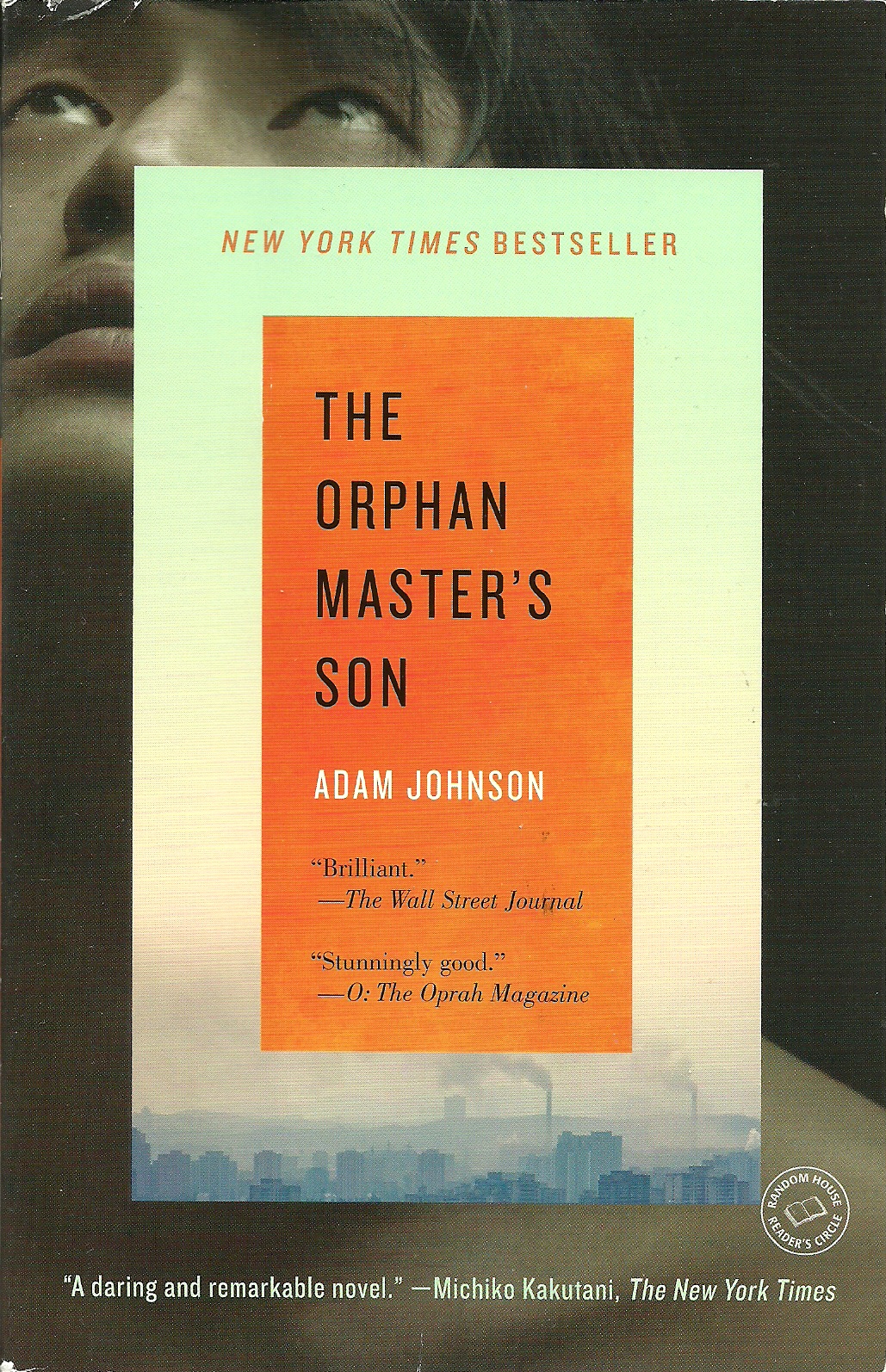
Many readers find William Faulkner’s work difficult to navigate. His style is very dense at times and we don’t always know at first what he is saying. Whereas many writers walk the reader step by step through what is going on, Faulkner leaves the reader to make certain connections that aren’t always easy to make. For example, in his 1931 novel, Sanctuary, the character Horace Benbow mentions Little Belle, his stepdaughter, on numerous occasions. Little Belle seems to be extremely important to Benbow but we never really known why. Is he in love with her? Does he lust after her? Why has he run away from his wife, Little Belle’s mother? Why does the subject of Little Belle come up with him so much? Why does Benbow have such a contentious relationship with his sister, Narcissa? Is Narcissa his conscience?

These small things aside, Sanctuary is (along with As I Lay Dying) one of Faulkner’s most accessible works, at 250 pages. I first read it many years ago and, after seeing the sanitized 1935 film version, called The Story of Temple Drake, I dug the book out of a box in my basement and read it again. It’s a sordid story about bootleggers (it takes place, after all, during Prohibition), prostitutes, and a fallen woman. Over everything looms the presence of a character named Popeye (we never know him by any other name). Popeye is a sociopath with a misshapen body (he was sickly as a child and never developed properly).

Bootlegger Lee Goodwin operates out of the shattered shell of an antebellum mansion. He has a woman with him (apparently they are not married) and a baby that’s sick all the time. Several nefarious types, including Popeye, hang around Lee Goodwin’s place. His “woman” cooks for them, complains all the time, and takes care of the baby.

Pretty college girl Temple Drake goes to Lee Goodwin’s with a male friend to buy some illegal booze. When the male friend becomes permanently drunk and can’t be relied upon to remove Temple from this awful place, she finds she is in for an extended stay, whether she likes it or not. She tries to get somebody to take her back to town, but it seems that isn’t going to happen anytime soon. She captures the attention of the low men who inhabit the place, including Popeye.

In the course of sexually assaulting Temple, Popeye shoots and kills Tommy, a halfwit who has taken it upon himself to protect Temple. Popeye then leaves with Temple and installs her in a Memphis whorehouse. Lee Goodwin, the bootlegger, is assumed to have killed Tommy and jailed to await trial, although he is innocent of the charge.

At the whorehouse where Popeye has taken Temple, she becomes mentally unhinged. She seems to have given up on being able to return to her old life. Is she willing to let Popeye do whatever he wants with her, or is she only pretending? We learn later that Popeye is not able to perform sexually. (In his initial assault of her, he used a corncob.) At one point he uses a man named Red to engage sexually with Temple while he watches and then shoots Red in the head and kills him.

The whorehouse gives Faulkner the chance to add some humor to the story, especially in the person of Miss Reba, who runs the house. She has two little yapping dogs named Reba and Mr. Binford. (Mr. Binford is a long-dead sweetheart of hers.) In one of the chapters that provides a comic interlude, Reba and two lady friends have just come from the funeral of Red and are getting drunk. One of the ladies has a small boy with her whom they call Uncle Bud who has an unusual (for a child) fondness for beer.

Horace Benbow defends Lee Goodwin in his trial for killing Tommy, but it is a miscarriage of justice. Lee knows that Popeye killed Tommy but won’t say so. When they bring in Temple Drake, she testifies that she saw Lee Goodwin kill Tommy. She is afraid of what Popeye will do to her if she tells the truth. Her testimony seals Lee Goodwin’s fate.

Popeye leaves town but, we learn, his past catches up with him when he is apprehended someplace else for an earlier murder he committed. Temple is free of Popeye but apparently her life is ruined. She is beyond redemption.

Copyright © 2012 by Allen Kopp 

Lincoln ~ A Capsule Movie Review

Lincoln ~ A Capsule Movie Review by Allen Kopp

Lincoln, the new movie directed by Steven Spielberg, is a talky, though engaging, account of the last few months of Abraham Lincoln’s life. When the movie begins, Lincoln has just been re-elected to a second term as president. The Civil War has been raging for four years and politicians in Washington are wondering how it can be brought to an end. Can there be a negotiated peace with the South? Will the South surrender? It seems the biggest problem is what to do about the four million slaves who will suddenly be free citizens when the war ends. How can they be assimilated into society?

Lincoln desperately wants Congress to pass the anti-slavery Thirteenth Amendment to the Constitution, which, he believes, will settle the question of slavery once and for all. Pushing the amendment through Congress is politically risky. The Southern states that seceded want to be readmitted to the Union when the war is over, but they will do whatever they can to prevent passage of the Amendment. Lincoln’s Republican Party controls the House of Representatives (it seems the bill has already passed the Senate), but the Amendment needs a two-thirds majority to pass, so it needs support from the opposition party. Much of the action of the movie is taken up with the political wrangling that goes on behind the scenes to coerce recalcitrant members of Congress to vote for the Amendment. Some of them lack the courage to support it when they know their constituents back home are opposed. They’re damned if they do and damned if they don’t.

Daniel Day-Lewis plays Lincoln with a folksy charm and humility, and he is by far the best thing about the movie. Despite holding an office that is “clothed in immense power,” there is nothing grandiose or swell about him. He has a “common” touch and the people, both black and white, love him for it. It seems he always has time for everybody, no matter how insignificant. He loves telling stories and is not above using ungrammatical English, which is altogether in keeping with his character.

The war takes a tremendous personal toll on Lincoln. (In a scene that takes place toward the end of the war, Ulysses S. Grant tells Lincoln that in the last year he has seen him age ten years.) In addition to dealing with the immense problems the country faces, he has family problems that he must contend with. His oldest son, Robert, wants to enlist (against both parents’ wishes), even though the war is about over. His unhappy wife (played by Sally Field) is still grieving the loss of a son, Willie, three years earlier, and is certain that Robert will be killed if he becomes a soldier. She has terrible headaches and she never lets Abe forget how she much she despises being the wife of the president and living in “this awful house.”

Lincoln is rich in period detail, a vivid recreation of a fascinating chapter in American history when the country was at a crossroads. One unwise or miscalculated decision could have meant the end of the Union. The country was fortunate to have a true leader at the helm, one who was up to the task. He brought the country through the war, intact, though it cost him his life.

Copyright © 2012 by Allen Kopp

Seventy Years Ago ~ The Coconut Grove Fire

Seventy Years Ago ~ The Coconut Grove Fire 

This week marks the seventieth anniversary of the worst nightclub fire in American history, the Coconut Grove fire in Boston, in which 492 people were killed and dozens of others injured.

On the night of Saturday, November 28, 1942, Thanksgiving weekend, the popular Coconut Grove nightclub was jam-packed with about a thousand people, more than twice as many as the building was supposed to accommodate. When a fire broke out on one of the lower levels of the sprawling complex (supposedly accidentally started by a busboy striking a match to see), it spread quickly among the flammable palm trees, draperies, and other frippery that was supposed to add “atmosphere” to the place.

When people realized what was happening, panic became general. (In Fire in the Grove, a fascinating account of the fire and its aftermath, author John Esposito explains the “group psychology” of people in a panic situation.) Among the narrow hallways and staircases of the various “lounges” of the club complex, many people were simply not able to find their way to safety. Many who died were trampled to death or died from the poisonous gases that the fire released into the air. Others died from breathing the super-heated air. To make the situation worse, there was a revolving door at the main entrance to the club that became jammed and inoperable with people trying to escape. Many of the victims were found in and around the revolving door.

Most of the victims of the Coconut Grove fire were young, in their twenties and thirties. The youngest victim was fifteen. Servicemen on leave from the war were among the victims. A cowboy movie actor named Buck Jones also died. A young couple who perished had been married earlier in the day. Their wedding day became the day of their deaths.

The Coconut Grove fire did for fire safety laws what the Titanic sinking had done for maritime safety laws thirty years earlier. It focused attention on things that were wrong that needed to be fixed. When Titanic sank and 1500 people lost their lives, never again would a boat be able to set sail without having adequate life boats for everybody on board. The Coconut Grove fire assured that owners of nightclubs and other public venues would never be allowed to put patrons in danger by violating common-sense fire safety codes.

Copyright © 2012 by Allen Kopp 

The Same Chair at the Same Table

The Same Chair at the Same Table ~ A Short Story by Allen Kopp 

He was losing another job, the third in five years. The job didn’t matter so much—in fact he hated it—but it meant he would have to start looking again and money would be tight for a while. He was going to have to tell his mother but would wait for the right time; ill-timed bad news could keep her from sleeping.

He was dozing in the recliner in front of the TV when he heard her voice from the kitchen.

“Frank,” she said, “supper is on the table.”

He went to the table without bothering to put on his shoes, rubbing his eyes.

“Aren’t you getting enough sleep?” she asked.

“I don’t know.”

“If you were getting enough sleep at night, you wouldn’t need to sleep during the day.”

He looked at the plate of food she set in front of him, another one of her recipes cut out of the newspaper: a brown-and-greenish mass swimming in watery gravy. She used to be a good cook but now hardly made the effort.

He picked up the fork and began eating, looking across the table at her. She had just passed the threshold of sixty and he could see her creeping toward old age. She had put on a lot of weight and she didn’t seem to care. Pockets of flesh hung from her jawbones like a bulldog. When he was in high school, all those many years ago, she used to be pretty.

“Lon called me today,” she said, “and we had a long talk.”

“What about?”

“He wants me to lend him five thousand dollars. Of course, with him, ‘lend’ means ‘give’.”

“What for?”

“Mary Ann needs some expensive dental work, the car needs repairs, and now they have a leaky roof they have to get fixed. I told him not to have more than two kids, but do you think he ever listens to his mother?”

“Did you tell him you’d give it to him?

“I told him I’d think about it.”

It seemed the perfect time to tell her she should hang on to her money because he no longer had a job, but he kept silent. He rarely ventured an opinion. He was the grown-up child safely delivered to adulthood and, since he didn’t have a family of his own and had never ventured into the world on his own, nobody cared what he thought. He seemed to exist only on the margins of other people’s lives.

“Do you know what Sunday is?” she asked.

He looked at the calendar on the wall. “It’s the twenty-third,” he said.

“It’s your father’s birthday. I want to go visit his grave and I want you to drive me and Aunt Louise out there. I told him not to buy cemetery plots way out there because it was too far for me to go, but he never paid any attention to what I wanted. Being buried in a country cemetery was some whim of his, as if it mattered.”

“What time on Sunday?”

“We’ll go about two o’clock and stop someplace and eat on the way back so I won’t have to fix any supper.”

“All right. If I’m here.”

“What do you mean ‘if you’re here’? Are you planning on being someplace else?”

“One never knows.”

“What kind of way is that to talk? ‘One never knows’.”

“I was just making a little joke.”

“I hope they’ve done a better job of keeping the grass trimmed around his headstone than the last time I was there. Honestly, as much money as it takes to be buried there, you’d think they could at least keep the grass neat.”

He had been sitting in the same chair at the same table in the same kitchen his entire life, listening to his mother talk. What she was saying today sounded exactly the same as what she was saying when he was a little boy in grade school. It was a record he had heard so many times it was indelibly etched into his psyche.

“I spoke to Mabel Groat today in the grocery store,” she was saying. “She doesn’t look anything like she used to look. She’s so thin and pale. She had heart surgery about six months ago and never quite got over it. And she has to go into the hospital next week for more tests. She said she had just been to the funeral home and bought one of those pre-paid funeral plans for herself. I suppose I should do that, too. I don’t want my children to have to be bothered with planning for my funeral. I hate to think what the bunch of you together would pick out. To save a few greenbacks, you’d have me stuffed into one of those cheap caskets that’s made out of pressed paper. I cringe to think of the state I’d be in after I’d been buried in one of those things for a while. Yes, I’d rather do it all myself while there’s still time. At least my final resting place is assured. That’s a blessing.

“Did I tell you that Bernice Pullman had a stroke? And she’s only a few years older than me. She’s completely paralyzed and they say she’s just like a vegetable. They had to put her in a nursing home. I suppose I should get out there to see her before she dies, but they say she doesn’t know anybody. If she doesn’t know who I am, what’s the point in going? They’re having to sell her house and car and all her belongings to help pay the bills. If I ever get in that state, I would just rather die right now and get it over with than to be helpless and run through a fortune in medical expenses when there really isn’t anything that can be done. I don’t know why life has to be so cruel sometimes.

“You remember Podge Halliday, don’t you? I grew up with him and he was a distant cousin of your father’s. He was just the sweetest guy in the world and so handsome! All the girls were just crazy about him. He had a heart attack last year on Christmas Day and has never regained consciousness. I don’t know why they don’t just pull the plug on him and let him die with dignity so people can remember him as he used to be and not as some lifeless vegetable in a hospital bed. They say his wife just sits beside his bed all day long and cries. I think she needs to buck up and tell Podge goodbye and get on with what’s left of her life.

“Podge’s daughter from his first marriage goes to our church. She’s about thirty and has a sweet face but she’s as big as a boxcar. She’s got two kids that she dresses up like little dolls. People say she never bothered to get married and that each of her kids is by a separate father. It was such a mistake to allow young girls to start thinking it was all right for them to have children on their own without getting married. In my day, having a baby out of wedlock was the worst thing a girl could do. She was marked for life and so was the child.”

“I don’t know any of those people you’re talking about,” he said.

“That’s because you never pay any attention to me when I’m talking.”

“What’s for dessert?”

“There’s some canned peaches in the cabinet. All you have to do is get up off your butt and get them and open them and, voila!, there’s dessert.”

“Isn’t there any chocolate cake?”

“We need to watch our figures.”

After he finished eating he went upstairs to his bedroom and locked himself in. He turned on the light, opened the dresser drawer and took out a small handgun that he kept concealed underneath some pajamas he never wore. Looking at himself in the mirror, he held the gun to his temple in his right hand, pulled back the hammer and released the trigger; he found the click it made an altogether satisfying sound. When the time was right, he would get some bullets and, together with the gun, they would make beautiful music.

When he went back downstairs, his mother was lying on the couch in a semi-comatose state, watching TV. He went out the back door quietly and began walking down the street.

He walked for more than a mile until he came to the bridge that led over into another part of town, the part where the taverns, cheap hotels, and whore houses were. It was where one might get a tattoo or purchase some illegal substance or other; where one might just as easily get knocked in the head from behind and wake up with a terrible headache and empty pockets. He came to a place called Uncle Willie’s beside a shuttered theatre and went inside. (He could not have known that Uncle Willie was a woman.)

He sat at the bar and had a drink and then another and another. He liked the darkness, the anonymity, the seedy quality of the place. He found solace in the quiet company of the people there; he believed they were his kind and would understand him if only given the chance.

When he finally decided to go home, he was drunker than he had ever been in his life and it had started to rain. Suddenly he longed for his bed and the safety of his home, for the reassuring presence of his mother. He wasn’t sure if he remembered the way back in the dark.

At the bridge that he had crossed earlier in the evening he became sick and disoriented. He stopped for a moment and looked all around, not sure if it was the same bridge. The light that illuminated the far end seemed to have gone out. Nothing looked as it had looked earlier. He couldn’t see his feet.

He miscalculated distance, believed he was at the end of the bridge when he was in the middle. He didn’t know why the rail was in his way and scaled it. He fell thirty feet to the water and drowned. His body was carried away on the current and wasn’t recovered until two days later.

Such were the facts of his death, but he perceived them in a different way. From the moment he stepped off the bridge he lost consciousness. He was on the other side and there was no rain. It was daylight again. The blue of the sky was inexpressibly beautiful. The trees in the distance glowed in golden light like edifices made of emeralds.

A bus came down the road with barely a sound and stopped. He turned toward it and the door opened. He looked up at the driver but couldn’t see the face of the driver because there was a blinding light there. Without words, he knew he was being given a choice to get on the bus—that he didn’t have to do it if he didn’t want to. He hesitated for only a moment and then climbed the four little steps, shielding his eyes from the light. He heard the door close behind him and felt the bus accelerate under his feet as he settled comfortably into a seat beside the window. He had never felt so happy in his life.

Copyright © 2012 by Allen Kopp

Happy Thanksgiving!

Thanksgiving ~ A Classic American Poem by Ella Wheeler Wilcox (1850-1919)

We walk on starry fields of white
And do not see the daisies,
For blessings common in our sight
We rarely offer praises.
We sigh for some supreme delight
To crown our lives with splendour,
And quite ignore our daily store
Of pleasures sweet and tender.

Our cares are bold and push their way
Upon our thought and feeling;
They hang about us all the day,
Our time from pleasure stealing.
So unobtrusive many a joy
We pass by and forget it,
But worry strives to own our lives,
And conquers if we let it.

There’s not a day in all the year
But holds some hidden pleasure,
And, looking back, joys oft appear
To brim the past’s wide measure.
But blessings are like friends, I hold,
Who love and labour near us.
We ought to raise our notes of praise
While living hearts can hear us.

Full many a blessing wears the guise
Of worry or of trouble;
Far-seeing is the soul, and wise,
Who knows the mask is double.
But he who has the faith and strength
To thank his God for sorrow
Has found a joy without alloy
To gladden every morrow.

We ought to make the moments notes
Of happy, glad Thanksgiving;
The hours and days a silent phrase
Of music we are living.
And so the theme should swell and grow
As weeks and months pass o’er us,
And rise sublime at this good time,
A grand Thanksgiving chorus.

~~~~~~~~~~~~~~~~~~~~~~~~~~~~~~~~~~~~~~~~~~~~~~~~~~~~~~~

Psalm 95:1-6

O come, let us sing unto the LORD: let us make a joyful noise to the rock of our salvation. Let us come before his presence with thanksgiving, and make a joyful noise unto him with psalms. For the LORD is a great God, and a great King above all gods. In his hand are the deep places of the earth: the strength of the hills is his also. The sea is his, and he made it: and his hands formed the dry land. O come, let us worship and bow down: let us kneel before the LORD our maker.

Psalm 100

Make a joyful noise unto the LORD, all ye lands. Serve the LORD with gladness: come before his presence with singing. Know ye that the LORD he is God: it is he that hath made us, and not we ourselves; we are his people, and the sheep of his pasture. Enter into his gates with thanksgiving, and into his courts with praise: be thankful unto him, and bless his name. For the LORD is good; his mercy is everlasting; and his truth endureth to all generations.

The Seeing-Eye Mouse


The Seeing-Eye Mouse ~ A Short Story by Allen Kopp 

Bandy was the only blind squirrel in the neighborhood. He had been blind since his youth when he was attacked by a dog and thrown against a large rock for dead. Since that time he had had an unnatural fear of dogs and the men who brought them into the woods to hunt and kill.

Blind though he was, Bandy had learned to get along quite well, mostly with the help of his seeing-eye mouse, whose name was Marcel. The two of them lived together in Bandy’s snug little nest in the fork of a tree high off the ground, where they were safe and happy. Marcel helped Bandy collect the food he needed and Bandy gave Marcel a home and kept him from being alone, as his entire family had been swept away in a flood when he was still just a mouseling.

Winter was over and spring just commencing. Bandy and Marcel had been down to the river, where they had sat beside the water all morning long breathing in the smells. Bandy snoozed in the sun while Marcel sat beside him and knitted a sweater and kept an eye out for danger. They were on their way back home and were almost to their tree when they came upon a lady squirrel, a stranger to the neighborhood. She wore a traveling hat with feathers and carried a bundle. She was looking all around as though trying to decide which direction to take.

“You lost, lady?” Marcel asked.

The lady squirrel gave Marcel a big smile showing all her teeth. It took him a moment to realize she wasn’t smiling at him but at Bandy.

“Bandy, darling!” she said, taking Bandy’s paw in hers and ignoring Marcel.

“Who’s there?” Bandy asked. He titled his head back as if he could
recognize her by her smell.

“It’s Sally Cato,” she said. “From long, long ago.”

“Sally Cato,” he said. “Sally Cato from the home place?”

“That’s right!” Her eyes glistened with tears.

“Well, my good Lord!” he said. “What brings you here?”

“Why, I came to see you, of course!”

“Well, I’m must say! I’m almost speechless. I never expected to see you or anybody from the home place ever again.”

“You’re not really seeing me?” she asked, turning her head to the side to show her skepticism. “Are you?”

“I want you to meet my companion and my best friend,” Bandy said. “His name is Marcel. He’s a mouse.”

“Charmed, I’m sure,” Sally Cato said, looking down her nose at Marcel.

“Likewise,” Marcel said. He could barely keep from snarling.

“You must come up and have a drink,” Bandy said. “I hope you can stay for supper.”

“I hope I can stay for more than that!” she said with a tinkling little laugh.

When the three of them were in the nest, Sally Cato looked around with an appraising eye. She went from room to room, opening doors and drawers. “My,” she said, clasping her paws together, “you do have a snug little home here!”

“I couldn’t wish for better,” Bandy said.

“This is such a tall, sturdy tree! You’re so high up you don’t ever have to be bothered by those frightening creatures that roam through the woods trying to kill us.”

“They’re called humans,” Marcel said.

“That’s why we chose this spot,” Bandy said. “Marcel and I built the nest together. We’ve lived here ever since. How long ago has that been, Marcel?”

“A long time,” Marcel said. “I don’t remember anything before.”

“Happy, so happy!” Sally Cato said, dabbing at her eyes with a handkerchief.

Marcel made a pitcher of martinis and after he had served them Sally Cato launched into the story of her life since she and Bandy had last seen each other at the home place.

“My mother died when I was still in high school and my father remarried,” she said tearfully. “I never got along very well with my stepmother. After she tried to kill me three or four times, I ran away from home. I stayed with friends whenever they would have me, drifting from place to place, never having a nest of my own. I was lonely and unhappy.”

“Poor kid!” Bandy said.

“I met this guy at a party and we hit it off right away. His name was Frank. I didn’t know anything about him but I agreed to marry him as soon as he asked me. Well, that was a huge mistake, let me tell you! He had already been married two times and he had a bunch of kids that he expected me to take care of as if they was my own. And if that wasn’t bad enough, his mother lived with him and, let me tell you, that old lady was a nasty piece of business! She treated me like I was some kind of a hired girl or something. She never stopped yapping at me all day long—do this, now do that!—while Frank was away working. I couldn’t take a nap or listen to the radio or do my nails or nothing. I had to restrain myself to keep from strangling her.”

“I think I see a pattern her,” Marcel said.

“I was all set to leave Frank and that’s when I met Dwayne. He was as dull as dishwater, nothing at all like Frank, but he didn’t have a mother, thank goodness, and I felt safe with him. I divorced Frank and married Dwayne as soon as the law allowed. We moved into a lovely little nest and in that first year I gave birth to a litter of six babies. Dwayne was so happy he wet all over himself.”

“Are you sure it was happiness?” Marcel asked.

“Everything went along well for a while and then Dwayne was killed by a hunter one day just without any warning at all. One minute I had a husband and six kids and the next minute I just had the six kids. I wasn’t equipped to support and raise them on my own. I left them with a cousin of mine—temporarily, of course—and came west. I told them I’d send for them just as soon as I found work and settled in a nest.”

“Gosh,” Marcel said, “everything except the hounds snapping at her rear end.”

Sally Cato dried her eyes and downed a martini before continuing. “I went down to the home place but everybody there had either died or moved on. I heard about your accident.”

“It wasn’t an accident,” Bandy said. “I was attacked.”

“He’s lucky to be alive,” Marcel said.

“We all have our troubles, ain’t we?” she said.

She finally dried her eyes and they had a pleasant dinner, during which Bandy asked her where she was planning on going next.

“Wherever the wind takes me,” she said.

“Would you like to stay here with me and Marcel for a few days until you decide your next move?” Bandy asked. “You can sleep in the spare room and we have plenty of food.”

“Oh, I wouldn’t want to put you out none,” she said.

“We would love to have you. Wouldn’t we, Marcel?”

Marcel spit a glob of food into his napkin and had to get up from the table to go to the bathroom.

In two days Sally Cato had made the nest her own. She rearranged all the furniture, hung some frilly curtains, and, with a kerchief tied around her head, cleaned the place from top to bottom. She told Marcel she wanted to break him of some of his bad habits, such as picking his teeth and grooming himself at the table. She absolutely forbade him from entering the nest without making sure his shoes were clean. All these things Bandy accepted with his usual good humor.

Soon Sally Cato decided that she and Bandy should get married. She hadn’t had very good luck with her two previous husbands and, truth be told, she liked the idea of having a blind husband, one she could control at all times. She had known Bandy almost her whole life and had always liked him in a way. He wasn’t terribly exciting but, then, there’s always a tradeoff. Maybe she had already had enough excitement in her life and was ready to settle down to a quiet life of domesticity. She might even have more kids if it was in the cards.

She began to try to get Bandy used to the idea that they didn’t need Marcel. When they were married, she would do all the things for Bandy that Marcel had always done.

“And, anyway, I don’t like mice,” she said. “It gives me the creeps having one in the nest. You and he are different species. It just isn’t right that the two of you should be living together, sleeping in the same room. There’s already talk, whispered insinuations.”

“What kind of talk?” Bandy asked, shocked at the suggestion.

“Figure it out, big boy!”

“I’ve never cared what others think. Marcel and I have always been very happy living together. We’re very compatible. If others don’t like it, that’s their problem.”

“Nevertheless, I think the little fellow has to go.”

“Where will he go? This is his home. It’s always been his home.”

“That isn’t my problem, is it? It doesn’t need to be your problem, either. Just tell him he has to go.”

Bandy refused to put Marcel out of his home. He would concede to Sally Cato on almost every point, but not on that one. Sally Cato was not to be deterred, however. She decided to have a talk with Marcel herself and tell him he just wasn’t wanted or needed anymore. Wouldn’t he rather be with his own kind? In a place where he was wanted? Without a word, Marcel produced the deed to the nest stating that he and Bandy were equal owners on into perpetuity. She would have grabbed the deed and torn it up if Marcel hadn’t been a little quicker than she was.

She seemed to have resigned herself, at last, to the reality that Marcel wasn’t leaving. It was going to be Bandy, her, and Marcel living in the nest forever. She toned down her carping, at least until after she and Bandy were married, and seemed to be making a genuine effort to get along with Marcel. She started calling him “dear” and smiling at him whenever she caught his eye. Nothing she did would ever make him like her, though.

One evening after supper, when it was just getting dark out, Sally Cato said she was having a terrible pain in her stomach. She didn’t know what was wrong, but it must have been something she ate. She went to bed and covered up and moaned as if she was dying. Bandy was concerned. Marcel was delighted.

She said she had had such attacks before and all she needed was a certain kind of medicine from the drug store. She wrote down the name and sent Marcel out to get it. He didn’t like going out at night all alone—there were many dangers in the forest—but he didn’t know how he could refuse. He put on his coat and hat and set out.

He had gone only a short distance when he heard a slight rustling sound. He looked up just in time to see an enormous owl dropping out of the tree toward him. He had just enough time before the owl landed on him to remove himself and run inside a fortunately placed hollow log. The owl lighted on the log and picked at it with its claws for a while but, realizing there was no way to extract the tantalizing fat mouse without a major expenditure of time and effort, flew away. Marcel waited a half-hour or so to make sure he wasn’t being tricked and then ran home as fast as he could.

He hoped to find Sally Cato dead, but she was much improved. She was sitting on Bandy’s lap giggling like a young girl. There was no sign that she had been terribly ill just a few minutes earlier. When Marcel opened the door and walked in, she nearly choked on her laughter and stood up, pulling her skirt down over her knees as if she had been caught in a naughty act.

“How much did you pay the owl?” Marcel asked quietly.

“What?”

“I said ‘how much did you pay the owl’?”

“Why, whatever do you mean?”

“You sent me out on a false errand and you arranged for an owl to get me. How much did you have to pay the owl?”

“Is this true?” Bandy asked.

“Of course, it isn’t true,” she said. “Why, the very idea!”

“One of us has got to go, bitch,” Marcel said, “and it’s not going to be me.”

“Bandy, are you going to let that little son of a bitch speak to me that way?” she said, hands on her hips.

The next morning at the breakfast table there was a strained silence. Sally Cato refused to look at Marcel or acknowledge his presence. Bandy’s brow was furrowed as if he was thinking or had a terrible headache. Marcel chewed his food with gusto and slurped his tea extra loud because he knew Sally Cato didn’t like it.

“Read me the headlines,” Bandy said to Marcel, handing him the newspaper.

Marcel took the paper, swallowed his toast, and was just about to commence reading when there was a loud knock on the door. Sally Cato, mistress of the manner, went to the door with a little sashay and opened it to reveal two squirrels in trench coats and fedoras. They flashed their badges at Sally Cato and introduced themselves as police detectives.

“What is this about?” she said with a huff of impatience. “Are you selling tickets or something?”

“Are you Miss Sally Cato?” one of the detectives asked.

“Yes.”

“I’m afraid you’ll have to come along with us, ma’am. We’ve got a warrant for your arrest.”

“That’s ridiculous,” she said. “I haven’t done anything.”

“Then you have nothing to worry about,” the other detective said as he stepped forward and clapped the handcuffs on her.

She could be heard screaming and swearing all over the neighborhood as the police detectives took her away.

Bandy turned to Marcel at the table. “Are you behind this?” he asked.

“I swear I’m not,” Marcel said. “I don’t know any more than you do.”

“Well, good show anyway,” Bandy said.

Even though it was still only breakfast time, they got out the bottle of brandy and made a celebratory toast.

“Ding-dong, the witch is dead,” Marcel said.

“You’re terrible,” Bandy said, but he couldn’t keep from laughing and being glad.

Copyright © 2012 by Allen Kopp

My Hundred Years


My Hundred Years ~ A Short Story by Allen Kopp 

The Home for the Elderly was an old-fashioned four-story brick building, not unlike the building in which Billie St. John went to school. She had never been inside but had seen it many times, passing it in the car when she was riding with her mother. She stood on the sidewalk in front of the building, looking up at the windows on the top floor which were just then reflecting the afternoon sun. She took a deep breath and went inside.

Across the lobby from the front door was the reception desk. She went up to it and stood there politely. “Ahem,” she said when the woman sitting there didn’t look at her.

“Yes?” the woman said, barely looking at her. “If you’re selling something, we don’t allow it here.”

“I’m not selling anything,” Billie said. “I’m here to interview a centenarian for a human interest story for my school paper.”

“Name?”

“Billie St. John.”

“We don’t have anybody here by that name.”

“I thought you meant my name.”

“What is the name of the centenarian to whom you wish to speak?”

“I don’t have a name. Just anybody over one hundred years old will do.”

“We have three residents over a hundred. Mrs. Milligan is a hundred and three, Mrs. Oglethorpe is a hundred and one, and Mr. Wellington just turned one hundred.”

“Any of those will do.”

“Mrs. Milligan doesn’t speak, she only babbles. Mrs. Oglethorpe is so blind and deaf she wouldn’t even know you were there. That leaves Mr. Wellington.”

“He’ll do.”

“Go up one flight of stairs and take the hallway to your right and go all the way to the end. Mr. Wellington’s room is 210. You’ll see it.”

“What if he doesn’t want to see me?”

“Just tap lightly on the door. If he wants you to come in, he’ll say so. If he doesn’t invite you in, you’ll know he’s indisposed and you can try again another day.”

She found the room easily enough but suddenly she was afraid. One hundred was terribly old. She had never even seen a person that old before, let alone expect something from them. She wanted to turn around and leave and forget the whole thing, but it would cause her no end of trouble if she did. She would hate having to explain to everybody that she lost her nerve and wasn’t able to go through with it.

The door was partway opened. Through the crack she could see into the room, the corner of a bed and a picture on the wall. She knocked lightly, not wanting to wake up anybody who might be sleeping.

“Yes?” came a voice from behind the door, a voice from which she was able to read nothing.

She gathered her courage, pushed the door open and entered. She saw a withered old man sitting on a chair in front of the window. He was hardly bigger than a twelve-year-old.

“Are you Mr. Wellington?” she asked.

“Who are you?” he asked. “I didn’t send for anybody.”

“I’m Billie St. John. The lady downstairs said you might talk to me.”

“About what?”

“I’m writing a human interest piece for my school paper about a centenarian.”

“About a what?”

“About a person a hundred years old or more.”

“Who said I’m a hundred?”

“Aren’t you?”

“Yes, I am, but that’s no reason for everybody in the world to know my private business.”

“Do you want me to go away?”

“No, no, no. If I want you to go away, I’ll say so.”

“Is it all right if I sit down.”

“Oh, by all means! Mi casa es su casa.”

She thought it too familiar somehow to sit on the bed, so she pulled out the chair to the writing desk and sat on it. She cleared her throat and fumbled with her pad and pencil, pulled her skirt down over her knees and looked levelly at Mr. Wellington.

To be so old, he had hardly any wrinkles at all. His skin, which was the color of old paper, was shiny and seemed pulled too tight over the bones of his face and head, as if made of rubber. His head was small and round and reminded Billie of a cat’s head.

“Now, let me see,” she said, looking at her notes. “To what do you attribute your long life?”

“Never getting shot in the head.”

“What has been your greatest satisfaction in life?”

“Outlasting my enemies.”

“Do you have any regrets?”

“Yes. Allowing you to ask me these inane questions.”

“What does it feel like to be a hundred years old?”

“Wait about eighty-five years and you’ll know.”

She looked at him and smiled, thinking that maybe it wasn’t going to be so bad. “But what if I wanted to know now?” she asked. “If you were going to tell me what it feels like to be a hundred, what would you say?”

“Think about a small boat on the ocean,” he said. “It goes the vast distance from point A to point B so slowly that you can’t even tell it’s moving. When it reaches point B, finally, that’s when you are where you are supposed to be. That’s when you’re home.”

She didn’t know what he was talking about it but she wrote it all down anyway.

“Now let me ask you a question,” he said.

“What?”

“What does it feel like to be you?”

When she realized she couldn’t answer, she squirmed and blushed. “I don’t know,” she said.

“Not so easy to answer, is it? Not so easy to put into words. You have a stomach ache or a headache. You can say you have those aches but you can’t really put them into words, can you?”

“Yes, I suppose it’s a silly question that doesn’t have an answer,” she said.

“Like so many other questions. Questions that don’t have answers.” His attention drifted to a spot on the floor and for a moment he seemed to forget she was there.

“Ahem,” she said. “Did you have brothers and sisters and do you remember much about your childhood?”

“I had three sisters and two brothers and they’re all dead now. I’m the only one left. I don’t know why.”

“Where did you live?”

“We lived on a farm until I was ten years old. My father gave up farming and we moved to town. He worked in a furniture factory. One of my brothers was killed in a car accident when he was eighteen and one of my sisters gassed herself at twenty-four. The man she wanted to marry was already married to somebody else. Am I going too fast for you?”

“No, just give me a minute to catch up. I never took shorthand.”

“After I finished high school I needed to learn a trade of some kind so I could make a living, so I went to mortuary school to become a mortician. Do you know what a mortician is?”

“An undertaker?”

“I didn’t especially want to be a mortician, but I couldn’t think of anything else. In nearly forty years as a mortician I saw the ugliest side of life. I saw wives killing husbands, husbands killing wives, children killed in every conceivable way including at the hands of their parents, men torn to shreds in factory and farming accidents, drowning victims, shooting victims, knifing victims, suicides by poison, suicides by hanging and just about every other way you can imagine. And in all that time I learned one thing: there has to be a God or all the terrible things that people go through are without meaning. I bet you won’t print that in the school paper, will you?”

“After you stopped being a mortician, what did you do then?”

“I don’t remember. I traveled some, read a lot of books, took a lot of naps.”

“How long have you lived here in the home?”

“Longer than I can remember. The squirrels and birds I watch out this window are several generations removed from the first ones I watched. One day soon they’re going to carry me out of here feet first and some other poor old man will take my place in this chair, but I don’t mind.”

“Do you get many visitors?”

“None. That’s the bad thing about living for a hundred years. Everybody you ever knew in your life is dead.”

“Don’t you have any family?”

“I’ve had four wives. You wouldn’t know it to look at me, would you? Not one of them left me or divorced me. They all died on me. I had two sons but they’re dead too. Even my grandchildren are dead. Now why does that happen? Why does everybody die and leave you behind?”

“That’s another one of those questions,” Billie said, stopping her writing and looking at him. “Would you like me to come and visit you sometime?”

He smiled, showing his jagged teeth. “I’m sure you have much better things to do with your time.”

“I could read to you from the newspaper.”

“That’s okay. Visitors are one thing I can do without. I have my squirrels and my birds and a hundred years of stuff going on in my head. And I haven’t forgotten a thing. It’s all right here.” He tapped the side of his head with his fingertip. “My life is nothing now but I don’t mind. I’m tired of the world and of people and I’m looking forward to what comes next. I know you don’t know what I’m talking about but you will someday if you live long enough.”

She closed her pad and stood up and put her coat back on. “Well, I believe that was all I wanted to ask you. I thank you for allowing me to talk to you.”

“Can you use any of that stuff?” he asked.

“Oh, yes,” she said. “I think it’s more than adequate.”

“Will I be able to read the piece that you write for your school paper?”

“Yes, I’ll come by one day and bring you a copy of the paper.”

“That’ll be fine.”

“It’s been awfully interesting talking to you,” she said. “I hope we may meet again.”

She left the room quickly, suddenly embarrassed, before the old man had a chance to say anything else.

As she was passing the receptionist’s desk to leave, the woman called to her.

“Did you get what you wanted from Mr. Wellington, dear?” she asked.

“Yes.”

“I hope he didn’t give you a bad time.”

“No, it went fine.”

“They pretend to be annoyed, but they love talking about themselves. They don’t get much attention, you see.”

She went outside and paused on the top step of the Home for the Elderly. She would have something to tell her mother at dinnertime, and together they would write her piece for the school paper. She was certain they would come up with a story so good it would keep her from failing English class.

With the sun going down, the air seemed much colder than before. She pulled her scarf around her neck, put on her gloves, and headed for home in the gathering winter twilight. She didn’t know it, but Mr. Wellington was watching her from his window on the second floor.

Copyright © 2012 by Allen Kopp

During the Storm


During the Storm ~
A Short Story by Allen Kopp 

Aunt Glam didn’t have a television set, but she had other things almost as good: an enormous back yard wherein grew a cherry tree, poppies, peonies, roses, irises, bougainvillea, honeysuckle and other growing things that Dermott didn’t know the names of; a screened-in porch on the second floor at the back of the house (more about that later) where you could sit in private and watch the fireflies and listen to the crickets and the tree frogs in the evening and feel the breeze on your face that carried with it the smell of grass and damp earth; an attic snuggled up under the timbers of the roof containing a lifetime of books, clothes, cast-off furniture, trunks, boxes, barrels and objet d’art. (Aunt Glam didn’t believe in throwing anything away.)

Dermott was allowed to roam freely in the attic, to spend as much time as he wanted, as long as he promised not to break anything or light any matches. He loved the smells, the feeling of solitude, the interesting junk (three dress forms of different sizes that looked like headless women standing against the far wall). After supper he liked to go sit by himself among the orderly chaos until it was nearly dark and he felt compelled to go back downstairs because he could feel the dead people—remote ancestors—whose pictures adorned the walls looking at him. He was able to shrug off the haunted feeling during the day but after dark he preferred being somewhere else, although usually not in the same room with his mother.

She was doing a lot of crying these days. A week earlier, after telling him to pack a bag for an extended vacation, she dragged him along with her to the bus station in a taxi cab. They boarded a bus and spent four hours traveling to Aunt Glam’s house, just outside of St. Louis, Missouri. Dermott didn’t remember much of the bus ride because his mother had given him a double dose of Dramamine to keep him from being carsick and Dramamine always put him to sleep. Aunt Glam was there to meet them at the bus station in St. Louis, all smiles and good cheer.

The first two or three days at Aunt Glam’s were all right but after that he started to want to go home. He missed his room and his bed, his books and toys, but most of all he missed Gabby, his dog. He hoped that Gabby was all right without him and hadn’t wandered into the street where drivers drove too fast without paying any attention to the speed limit. He also hoped that his father was remembering to put food in Gabby’s bowl and give him fresh water so he wouldn’t get too thirsty in the hot weather.

While Dermott was occupying himself in another part of the house or in the yard, his mother and Aunt Glam spent endless hours at the kitchen table, talking, drinking coffee and smoking cigarettes. Dermott’s mother poured out all her marital troubles to Aunt Glam, who seemed more than willing to listen and give advice where she could. If Dermott’s mother started out dry-eyed, she usually ended up bawling and sobbing, which Dermott found embarrassing and somehow beneath her dignity. Whenever he happened to walk into the kitchen during these conversations, his mother and Aunt Glam usually stopped talking or one of them changed the subject. If he asked his mother why she was crying, she would either say that it was her time of the month or she just had the blues a little bit but that it would soon pass.

He didn’t want to talk about going home in front of Aunt Glam, so he waited until he was alone with his mother; she came into his room after he had gone to bed but before he went to sleep. She was wearing a chiffon housecoat the color of a school bus.

“How long are we going to have to stay here?” he asked.

She sighed loudly and turned her head away. He could smell her cigarette breath.

“I don’t know,” she said.

“I’m worried about Gabby. I’m afraid daddy isn’t watching out for him.”

“I’m sure Gabby’s all right.”

“Can I call daddy?”

“Not just yet. I don’t want him to know where we are. He might come here and make a scene.”

“I don’t have to tell him where I am.”

“I can’t afford for you to make any long-distance calls.”

“Aunt Glam won’t mind.”

“No unnecessary expenses right now.”

“Everything is always about money, isn’t it?”

“That’s the way the world is, I’m afraid.”

“I want to go home.” He thought he was going to cry and he didn’t care if he did.

“I’ve applied for a couple of jobs downtown. If I get either one of them, we’ll get a small apartment and move here. We can’t stay with Aunt Glam forever.”

“Do you mean I’ll have to change schools?”

“Well, of course! You can’t live here and go to school somewhere else.”

“If I can’t go to school where I always have, then I’m not going at all!”

“You’ll like it here. There’s lots to do. Always something going on.”

He turned away from her and covered up his head, signaling an end to the conversation.

The next day he wouldn’t look at her and spoke to her only when he had no other choice. He was concocting a plot in his head where he would leave without telling anybody and hitchhike home. Taking the bus was out of the question because he didn’t have and couldn’t get the price of a ticket. He could picture Gabby waiting for him on the front steps. If he could just see Gabby, everything would be all right again.

Two days later nothing much had changed. Dermott was still moping about the house, spending a lot of time in the attic reading or doing little jobs for Aunt Glam such as emptying the ashtrays or scouring the sink. His mother was still crying and still undecided about how she was going to spend the rest of her life. She was drinking highballs and taking pills that sometimes made her slur her words. Dermott was seeing a side of her he had never seen before. For the first time in his life he was feeling a coldness toward her that a short time earlier he would not have believed possible.

One morning she got up early and put on high heels and a good dress that she wore for special occasions and left the house. She didn’t say where she was going but Dermott figured she was going to see about a secretarial job or a job in a department store.

When she came back seven hours later, she was carrying her shoes and she seemed unable to walk in a straight line. Her clothes looked as if she had been wearing them for a week. The glazed look in her eye was something Dermott had never seen before.

“Well, where have you been?” Aunt Glam asked. “We were getting worried.”

“I went to see a divorce lawyer,” she said as she began removing her clothes in the front room. “I put the wheels in motion.”

“What wheels?” Dermott asked.

“The wheels of justice, silly,” she said. “What do you think? All I have to do is give him a call and he’ll file the papers.”

Dermott didn’t know what she was talking about.

“Did the divorce lawyer serve drinks?” Aunt Glam asked.

Dermott’s mother laughed. “Oh, that!” she said. “I met an old friend and we had a couple of cocktails.” Without another word, she went upstairs to her room and slammed the door.

Aunt Glam grilled a huge steak and fried some potatoes for dinner, filling the house with wonderful smells, but Dermott’s mother wouldn’t come downstairs when the food was ready. When Aunt Glam went to check on her, she said she wasn’t hungry and only wanted to go to bed.

The next day Aunt Glam said they were all being too gloomy and spending too much time in the house. They needed to get out and get their minds on something other than their own problems. She pulled her ancient Cadillac out of the garage and took Dermott and his mother to the zoo to see the elephants and the lions. Afterwards they ate lunch in a Chinese restaurant with genuine Chinese food and waiters in silk lounging pajamas. Then it was off to a matinee to see a movie about a woman whose husband was driving her crazy so he could get her money and marry her sister.

After Dermott and his mother had been at Aunt Glam’s for two weeks, the weather turned stiflingly hot, with the nights just as hot as the days. Aunt Glam made up the daybed on the sleeping porch for Dermott to sleep in. At first he didn’t like the idea but he said he would give it a try. He could always come back inside anytime he wanted to.

He found that he loved sleeping on the porch. It was almost like camping out but with none of the discomforts. He felt up high, almost like being in a tree house, and as safe as if he had been in the house. He didn’t need to feel afraid of any hobos or anybody sneaking up on him around the side of the house in the dark.

In his second night on the porch, a thunderstorm woke him up. The wind blew furiously and the rain pelted down. He got out of bed and stood at the screen, feeling the tiny droplets of water on his face and arms. As a flash of lightning like a million flashbulbs illuminated the tree next to the house, he jumped back and started to run inside, but then he thought he saw something, there beside the tree, that caused him to stop and take a closer look.

Someone was standing about halfway between the house and the tree, looking up at him. His first thought was to go wake his mother and Aunt Glam and tell them there was a prowler in the yard who might be going to try to break in. He wasn’t really sure there was anybody there, though, until another flash of lightning revealed, unmistakably, the dark form of a man. He was going to duck out of sight and run into the house, until a flashlight was shone in his direction and he heard someone speak his name in a soft, though insistent, voice. He cupped his hands around his eyes against the screen.

“Who’s out there?” he said in a steady voice, knowing he had the advantage of being up high where he could get away quickly if he needed to. “Is anybody there?”

“It’s me,” his father said. “Get dressed and come down to the corner where the mailbox is. I’ll be waiting for you in the car.”

He went back inside quietly and slipped into his clothes and shoes without turning on the light. He was glad his father had come. He wasn’t able to remember a time when he had ever been glad to see him before. At last, he could find out about Gabby and home. He felt a tremendous sense of relief.

He ran the half-block to the corner where his father’s car was parked. The rain was still pelting down, but he didn’t care how wet he got. He was going home.

As he opened the door and slid onto the front seat, his father threw his cigarette out the window and straightened up in the seat. The radio was playing softly.

“Seems like you’ve been gone a year,” his father said, patting him on the leg. “How are you?”

“How did you know I’d be sleeping on the porch tonight?” Dermott asked.

“I didn’t. I was just walking around the house to see if there were any lights on when I saw you at the screen.”

“If Aunt Glam had seen you, she would have called the police.”

“I know.” He started the car, turned on the headlights, and drove slowly down the deserted street. “Did you know it’s two in the morning?” he said. “I’ve been driving all night to get here.”

“Is Gabby okay?”

“He’s not quite himself lately because he misses you so much.”

“He’s not sick, is he?”

“No.”

“Are we going home now?”

“Yes.”

“I wanted to call you but mother wouldn’t let me.”

“How is your mother?”

“She’s been acting weird lately.”

“You got out of the house without her knowing it?”

“She’s asleep. So is Aunt Glam. They won’t know I’m gone until they wake up in the morning.”

“Hah-hah! Will they think you ran away and joined the Foreign Legion?”

“I don’t know what they’ll think.”

“What was that woman thinking? Taking a child away from his home and away from everything he knows without so much as a by-your-leave? She could at least have had the decency to tell me she was leaving.”

“She’s going to get a divorce and she says we’re going to move here. She says I’ll have to go to school here.”

“She could do whatever she wanted if I was dead, but I’m not dead. She still has to answer to me, especially when it comes to you. I’m your father. If I say you stay in your home, then that’s where you stay.”

“And I can keep going to the same school?”

“Of course.”

“Can I call her when we get home and tell her where I am?”

“Why don’t you lay down on the seat and try to go to sleep? We’ll be home before you know it.”

When they pulled into the driveway at home, it was a new morning; the rain had stopped and the birds were singing. Dermott was so happy to be at home that he wasn’t thinking about what his mother and Aunt Glam would think when they woke up and found him gone. After he greeted Gabby and found that he was all right and had indeed been well cared for in his absence, he got into bed with his clothes on and slept until about noon. When he woke up and, after a breakfast of scrambled eggs, a fried baloney sandwich and a can of fruit cocktail, he went to the phone without asking for permission to make a long-distance call and called Aunt Glam’s house. Even after twenty-five or thirty rings, there was no answer. He imagined that they were out looking for him, but still he wasn’t very worried; he would clear everything up later.

In late afternoon he was in the back yard, playing fetch-the-stick with Gabby, when he looked up and saw his father come out the back door. He knew from the way he was standing still, looking at him, that something was wrong. He let Gabby have the stick and crossed the yard toward his father to hear the bad news that he knew he wasn’t going to be able to avoid.

Tranquilizers taken with a certain amount of alcohol can prove fatal for some people. For weeks his mother had been taking an increasing number of pills, washed down with generous gulps from a bottle of whiskey that she kept hidden under the bed. The storm must have woke her up and she took more pills on top of the pills she had already taken to try to calm her nerves and make herself go back to sleep. When Aunt Glam found her in the morning, it was already too late. The doctor declared it an accidental suicide.

After the funeral Aunt Glam told Dermott he could come and live with her if he wanted to. She was kind of lonely in that big old house and she had gotten used to having him around. He thanked her and told her he would come and visit her sometime but that he had no plans to ever leave his home and his dog again.

Copyright © 2012 by Allen Kopp 

On the Face of It


On the Face of It ~
A Short Story by Allen Kopp
 

In the morning when Blanche Mims stepped outside to sweep away the autumn leaves that had gathered around her front door, there was a very small man dressed in black formal attire, a midget, standing in the yard looking at her. She stopped sweeping, adjusted her glasses, and snorted through her nose.

“Looking for somebody?” she asked.

“I’ve found her,” he said.

So, he was one of those! He had heard about her in town and wanted to see for himself. She went back inside as fast as she could, slamming the door. She peeked out at him as he got back into a long gray car and drove away. Oh, but he had an evil grin!

She was not like other women, so she had good reason for caution. She had what was, by any measure, a monstrous deformity: her face was not in front of her head but on top. Her nose was exactly at the top of her head, her mouth tucked in underneath her nose. Since her eyes were always pointed skyward, she had to wear a special kind of glasses made with tilted mirrors so she could walk upright and see in front of her. On the sides of her head, all the way around (covering her ears), was thick hair, the color and texture of a lion’s mane. For several years she had been a headliner in a traveling freak show and was, for a time, billed as The Lion Woman. (To her credit, she was, except for the misplacement of her face, exactly the same as anybody else.)

She continued to see the midget every day for nearly two weeks. He either drove by slowly or stopped the car and got out and stood looking at the house for a while before driving on.

“There’s been a strange man hanging around outside for several days now,” she said casually to her mother, Olga Mims, one evening when they were getting ready for bed. “A tiny man.”

Olga laughed. “I’ve seen the little bastard,” she said. “That’s a hearse he’s driving. He’s an undertaker.”

“What’s he looking for?”

“Maybe he’s trying to drum up some business.”

“In Scraptown? Nobody comes to Scraptown if they don’t have to.”

“Why don’t you ask him the next time you see him?” Olga said as she removed her wig and put it on the head of the mannequin that she kept by her bed to keep her company at night.

All day long the next day Blanche kept an eye out for the little man, but she didn’t see him. The day after, though, he parked his hearse under the trees across the road and got out and stood in the front yard and looked up at the house. He was wearing a top hat and a cape as if he thought he was Spencer Tracy in Dr. Jekyll and Mr. Hyde and was smoking a cigarette in a long holder. She decided it was time to confront the little son of a bitch. She ran her fingers through her mane-like hair to smooth it down and went out the door.

“May I help you?” she asked in a too-loud voice.

He took off his hat, took the cigarette holder out of his mouth, made a sweeping gesture with his arm and bowed. “I am so pleased to finally make your acquaintance,” he said. “Allow me to introduce myself. I am Ferris Peabody, mortician. At your service.”

“What makes you think I need a mortician?” she asked.

“I don’t,” he said. “This is purely a personal call, rather than a professional one.”

“All right,” she said. “I think you’d better state your business and be quick about it, or I’m going to call the sheriff and have you removed from my property.” She bent over from the waist so she was really facing him, rather than looking at him through the mirror glasses.

“You have a lovely face,” he said. “It’s too bad the world doesn’t see more of it.”

“What’s the gag? Do you have a hidden camera somewhere?”

“Nothing of the kind, I assure you.” He bowed again as though addressing a queen.

“If this is some kind of trick, I don’t think it’s the least bit funny and I want you to know that I keep a loaded gun in the house.”

“No gag and no trick,” he said.

Hearing their voices, Olga came out of the house. She was wearing a seventy-year-old sailor suit that was too big for her, complete with hat. She smiled at the little man and saluted like a real sailor.

“How-do, ma’am,” he said. “Ferris Peabody at your service.”

“Charmed, I’m sure,” Olga said.

“You are, I take it, the young lady’s mother?”

“I was the last time I looked.”

“You have a sense of humor, ma’am, I can see. I like that and I think it’s so important in this cruel world we live in.”

Already Olga was fascinated by the little man and found him inexpressibly piquant.

“You still haven’t told me what your business is,” Blanche said.

“I come to pay a social call.”

“Why would you do that? I don’t even know you.”

“So that we may come to know each other.”

“If you’re selling funeral plans, we’re not interested.”

“I’m not, I swear.”

“Well, come on inside,” Olga said. “We don’t have to stand out here like a bunch of statues.”

Blanche opened her mouth to object but she saw no reason to be overly rude and, besides, she was curious enough to want to know what the little mortician was going to say.

They went into the parlor and sat down, Blanche and Olga on the old horsehair sofa and he on the overstuffed easy chair facing the sofa. Since he was about the size of a three-year-old child, he had some difficulty getting on the chair but, once he was settled, he smiled broadly, pleased to have been asked inside.

“I have some beer on ice, if you’d like one,” Olga said.

“I’d love one,” he said.

Blanche sat upright on the sofa so that when he looked at her all he could see was the lion’s mane. She was deliberately being cold to him, which he could read in her posture.

“You’re probably wondering how I drive the hearse,” he said to Blanche with an ingratiating smile, “being deprived of height the way I am.”

“I haven’t given it a single thought.”

Olga came back from the kitchen. She had poured the beer into a glass, which she only did for special guests. She handed it to him and watched carefully as he took a sip of the beer.

“Ah, so refreshing!” he said.

She smiled, ever the gracious hostess, and sat back down.

“Now, to get on with my story,” he said.

“I didn’t know you were telling one,” Blanche said.

“I became acquainted with your cousin, Philandra Burgoyne, about a year ago when she came to me for her after-death needs.”

“Oh, yes,” Olga said. “How is dear Philandra?”

“She’s fine,” he said. “She’s dead.”

“Isn’t that odd? I hadn’t heard that she had passed over.”

“She was very large at the end of her life. There was no coffin available that would accommodate, so we had to bury her in a piano crate.”

“I would have gone to the funeral, had I only known.” Olga said.

“The funeral was quite spectacular, if I do say so myself, but that’s not what I came to tell you. To get right to the point, I had many deeply heartfelt conversations with Philandra in the last few months of her life. I was her spiritual advisor, in a way, as there was no one else to fill that position.”

“You must have been a great comfort to her,” Olga said.

When Blanche sighed with boredom, he turned and faced her. He had no way of knowing if she was even listening to him. It was rather like talking to a mop. “When Philandra told me about you, I knew I had to come and pay you a visit, get to know you any way I could.”

“How flattering,” Blanche said. “I still don’t understand where you’re going with this.”

“I have a successful business,” he said. “I began The Ferris Peabody Mortuary and Funeral Parlor from the ground up. I have a very select clientele. People like us.”

“People like what?”

“Unique people. People like you and me and your cousin Philandra. People that the world thinks of as freaks.”

“Oh, well, thank you very much for calling me a freak!”

“To the world that’s what we are because the world only sees what’s on the outside and never considers what’s on the inside.”

“Ho-hum,” Blanche said, covering her mouth to yawn.

“I’ve taken care of the after-death needs of Hortense the Hippopotamus Girl, Isador the Invisible Irishman, Allesandro the Monkey Boy, Lulu the Flipper Baby, and Otto Osgood the Only Human on Earth with an Exoskeleton, to name but a few.”

“Otto and I used to be sweethearts,” Olga said. “He was very proud of his physical endowments.”

“I don’t believe you ever knew him,” Blanche said.

“Well, maybe not.”

“The point I’m trying to make,” he said, “is that my business is successful and getting more so. I have everything I need, except for one thing, and that’s where you come in.”

“You want me to die,” Blanche said, “and let you take care of my after-death needs so you can drop my name whenever and wherever it’s convenient, the way you drop the names of those other freaks? You little name-dropper, you!”

“I want someone to share my success with.”

“Get a dog.”

“The clock is ticking away. I’m no longer young and neither are you.”

”Speak for yourself!”

“You would complement my business in a way that nobody else could. My clients would feel comfortable with you. The women folk like it better if a woman is seeing to the arrangements. You know, what shroud goes with the casket lining and all that. What panties to wear. What shoes.”

“Are you offering me a job?”

“More than that. I’m offering to marry you.”

Phht! And wouldn’t we make a fine pair! A woman whose face is in the wrong place and a man who doesn’t even measure up to the yard stick! We could put on a show for Halloween, but I don’t know what we’d do the rest of the year.”

“You’ve been hurt by life and so have I,” he said.

“Me too,” Olga said. “I’ve been hurt by life a lot.”

“In my world you wouldn’t be an outcast. You wouldn’t have to hide yourself away in a little house built into the side of a hill because you wouldn’t be any more freakish than anybody else.”

“Oh, and where is this world, anyway, where everybody’s a freak but doesn’t know it?”

“It’s closer than you think.”

“It sounds delightful, your world, but there’s just one problem.”

“What?”

“How can I believe you? How do I know you’re not just some evil dwarf come to carry my soul to hell?”

He laughed heartily. “I assure you I’m not,” he said.

“I think you should listen to what he’s saying,” Olga said.

“I want to show you something,” he said. “Maybe it will help to convince you.”

He took her by the hand and led her to a mirror on the wall. After he had positioned a chair behind her to stand on so they were of more or less equal height, he placed his hands on both sides of her head and said, “Watch closely.”

She adjusted her mirror glasses and sighed. All she saw was her lion mane of hair, which is what she expected to see, but after a few seconds she saw something different. Her face was somehow projected on the front of her head so that she looked like a normal person whose face was where it should be and not a freak.

“How do you do that?” she said.

“Never mind how I do it. Just know that I can.”

The image in the mirror faded and she turned around and looked at him as he got down off the chair. “That’s just a trick,” she said. “I’ve had enough tricks in my life.”

“I think there’s something to that,” Olga said.

“Come with me now,” he said.

“I can’t marry you without knowing anything about you.”

“We can put off marrying for as long as you like.”

“And you won’t touch me?”

“You’ll have your own private boudoir with the strongest lock you ever saw on the door.”

“And I can come back home if I so choose.”

“It’s not a prison.”

“Can she come too?” Blanche asked, tilting her head toward Olga.

“I can’t leave now,” Olga said. “Poor Butterfly is about to have her babies.”

“She loves her cats more than anything,” Blanche said.

“We can come back and get her and her cats, too, just as soon as she’s ready,” he said.

“That will give me time to get my wig washed and styled and get my nails done,” Olga said. “What should I wear?”

“You can wear whatever you want,” he said.

“Can I come as a clown? I’ve always loved clowns.”

“You can come as a clown, a sailor, a chicken, or anything you want.”

“I have the cutest clown getup you ever saw!”

“Do I need to pack a bag?” Blanche asked.

“No,” he said. “You’ll have everything you need when we get to where we’re going.”

“What are we waiting for, then?”

Suddenly Blanche Mims seemed in a hurry to leave her little house built into the side of a hill in the section of town known as Scraptown. She gave Olga a little squeeze about the shoulders and followed the tiny mortician outside to his long gray hearse waiting for them under the trees.

Olga stood and watched as they drove away, waving and blowing kisses. She saw the hearse as it disappeared from view down the hill in the lane. Unlike other cars, though, it never reappeared at the top of the next hill.

Copyright © 2012 by Allen Kopp