1957 Dodge Royal Lancer
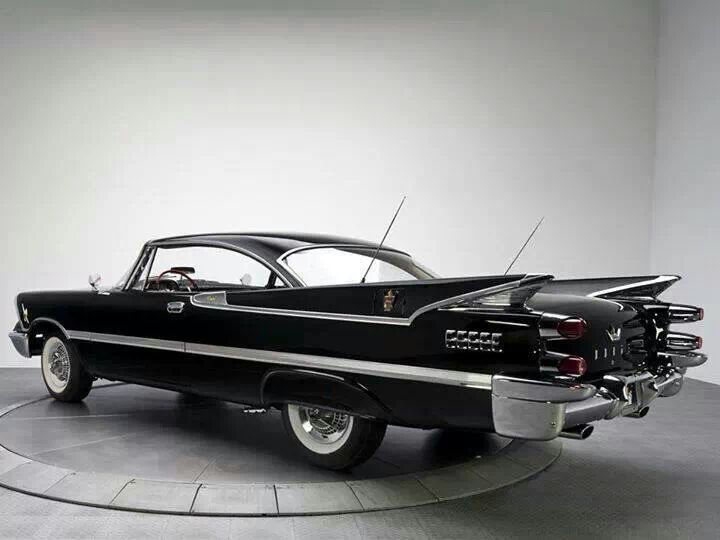

1957 Dodge Royal Lancer
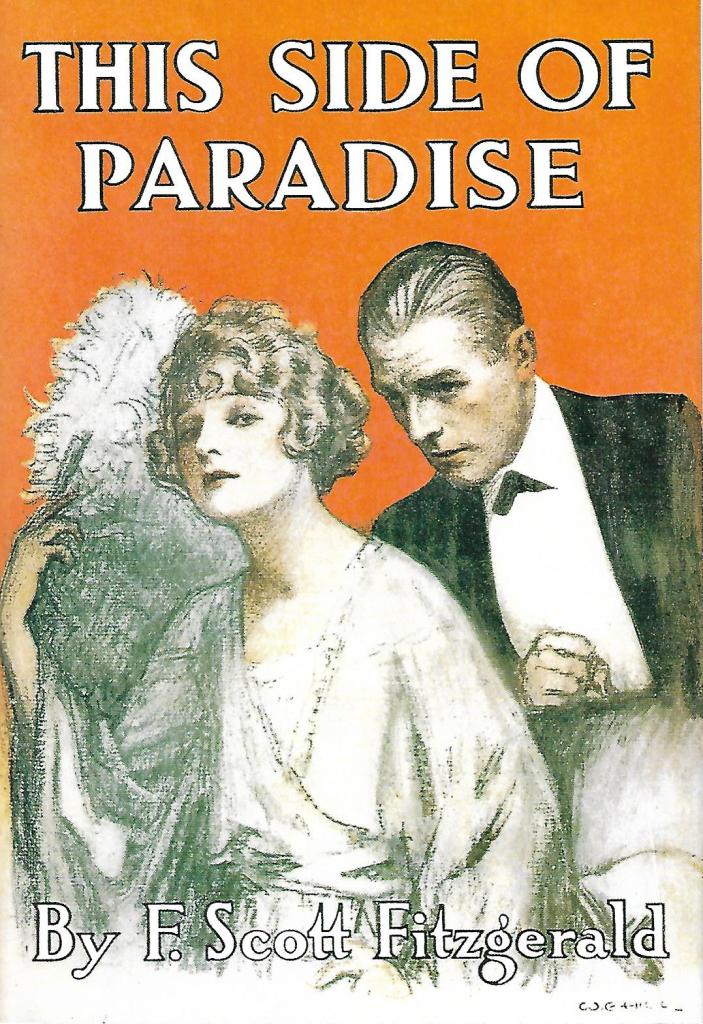
This Side of Paradise ~ A Capsule Book Review by Allen Kopp
Francis Scott Fitzgerald was born in 1896. His reputation as a great American writer of the twentieth century rests firmly on his four novels (especially The Great Gatsby) and dozens of short stories that he wrote for magazines. More than any other writer of his generation, he was a chronicler of his age, which became known as the Jazz Age. He died in 1940, age forty-four, of a heart attack.
Fitzgerald’s first novel, This Side of Paradise, was published in 1920, when he was only twenty-four years old. The central character in the novel is Amory Blaine, an arrogant, good-looking, heavy-drinking young man from a prosperous family. He has an indulgent mother who spoils him and a mousy father who doesn’t do much of anything except make money. Amory has what might be called a “golden” youth. He attends Princeton University where he and his friends spend a lot of time drinking, socializing, talking and intellectualizing, and having a good time.
The glory of Amory’s youth is rather tarnished by a series of unsuccessful love affairs with spoiled, vacuous debutantes. Each time he begins a new love affair, he believes it is the all-consuming passion of his life that will bring him eternal happiness and peace. None of them turn out the way he wants them to, however. He plans on marrying a girl named Rosalind Connage, but she throws him over at the last minute because she thinks he is essentially a loser who won’t ever be able to make enough money to suit her. Here we have one of the major themes of the novel: how the quest for money and social standing kill romance.
World War I is the defining event of Amory’s generation, but for him it’s no more than a blip. He enlists, as everybody else is doing, but he remains stationed on Long Island and doesn’t see any fighting before the war ends. He says later that he loathed the army.
After the war ends, Amory finds himself in a changed world. Some of his best friends from college have died in the war. His father dies and his mother discovers they don’t have nearly as much money as they thought they did. Is Amory going to be forced to go to work to earn a living?
As Amory grows older, he becomes more disillusioned. His mother dies. His college friends die or drift away. Some investments left by his family that provide a portion of his income dry up (and this is long before the Depression). He’s afraid of being poor. He wants to write but doesn’t. He sees his youth slipping away, its promise unfulfilled. The book concludes with a long philosophical conversation he has with two men he doesn’t know (one of them turns out to be the father of a college friend who was killed in the war), in which he espouses his belief that Socialism will cure all the world’s ills. After all he goes through, he ends up by saying, “I know myself, but that is all.”
On examining Fitzgerald’s life, we see that This Side of Paradise is largely autobiographical. Amory Blaine, his protagonist in the novel, is a heavy drinker, as was Fitzgerald (probably contributing to his early death). Like Amory Blaine, Fitzgerald attended Princeton University, served a brief stint in the army during the war without seeing any real action, had some unhappy love affairs with debutantes, experienced financial reverses, and was disillusioned in early middle age.
This Side of Paradise is a novel that stops rather than ends. We don’t know what Amory’s future life will be. Will he overcome his disillusionment and became a great writer? Will he find another love to fill the void left by the departure of Rosalind? Will he find the thing he wants, whatever it is, as soon as he stops looking for it? Probably not. He’ll probably die in his mid-forties of alcoholism, as unfulfilled as ever, never knowing of his literary legacy that will endure through the decades.
Copyright © 2018 by Allen Kopp
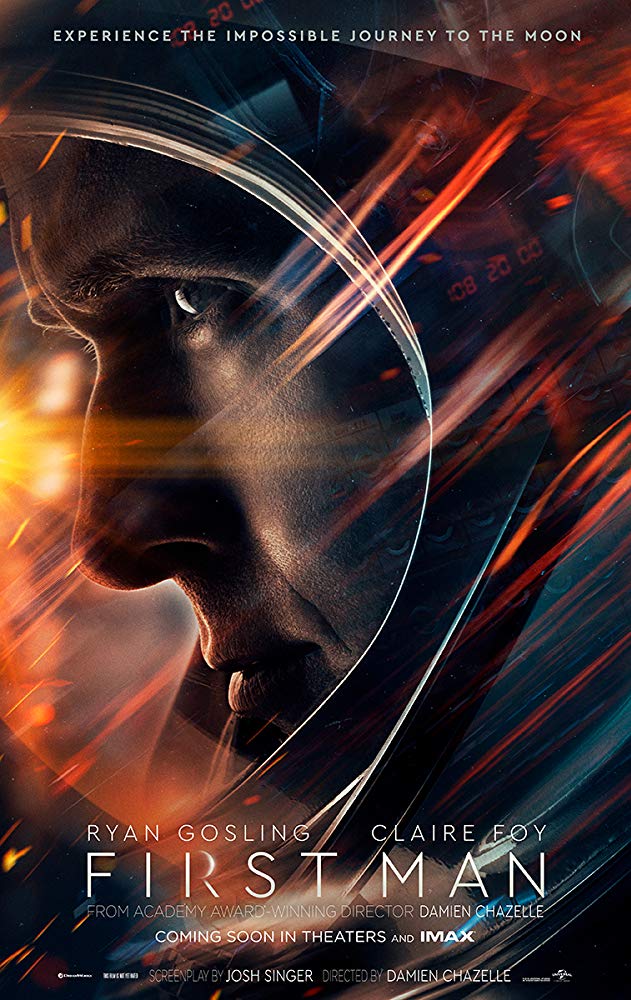
First Man ~ A Capsule Movie Review by Allen Kopp
It’s hard to believe it’s been forty-nine years since the first manned space flight to the moon. In July 1969, America bested the Soviet Union in the space race by overcoming the immense dangers and technological challenges of putting a living, breathing human man on the face of the moon and safely returning him to earth. It was the culmination of all the manned space flights of the sixties. The moon was always the ultimate goal. As John F. Kennedy said in 1961, “We do it not because it’s easy but because it’s hard.”
First Man is about the first manned space flight to the moon but, more than that, it’s a personal story about the man, Neil Armstrong, who first stepped out of the “lunar module” onto the surface of the moon—the first-ever human being from earth to set foot on another world outside his own. First Man chronicles the difficulties involved in getting a man on the moon and the personal toll to those involved.
Neil Armstrong was a regular-guy family man. He was quiet, modest, self-effacing and not given to displays of ego or emotion, even with his family. When his small daughter, Karen, dies of cancer, he carries his grief alone. He works in one of the most dangerous professions known to man, but he never shows his fear or lets it get the best of him, even when some of his colleagues die in horrific “accidents.” And when he becomes, for a time, the most famous man on earth for being the first man on the moon, he doesn’t care about adoration or fame. During a press conference when a reporter asks him how he felt when he was chosen to be the head of the first manned mission to the moon, he says, “I was pleased.” When called upon to expound upon these feelings, he says, “I was pleased.” This simple phrase encapsulates his demeanor perfectly.
Current movie star Ryan Gosling (La La Land, Blade Runner 2049) plays Neil Armstrong with humility and sincerity. We never feel like we’re watching a movie star justifying his twelve-million dollar paycheck so he can line up his next twelve-million-dollar project. An actress named Claire Foy, whom I had never seen before, is impressive as Neil Armstrong’s wife, Janet. She also seems simple and sincere. We see what she’s going through, knowing that her husband might never come home again from his latest mission. She has to corral the kids and deal with obstreperous reporters on her front lawn. At one point she stands up to the fellows at NASA when they try to assure her that everything is all right and she tells them they’re like a bunch of little boys playing with balsawood airplanes and they don’t know what they’re doing.
First Man is an impressive October movie (with a knock-out music score and special effects) that might disappear without being seen amid all the youth-oriented fluff and crap that floods multiplex movie screens. It’s a serious movie for the serious moviegoer. There are no women in lingerie, no risqué jokes, no bad language (one use of the “F” word that I noticed), no car chases, no explosions, no boudoir scenes, and no reason not to see it.
Copyright © 2018 by Allen Kopp
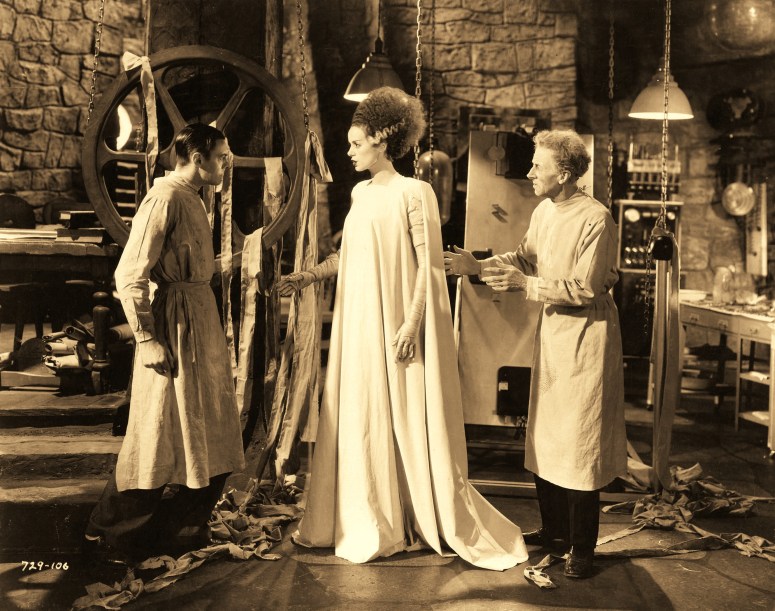
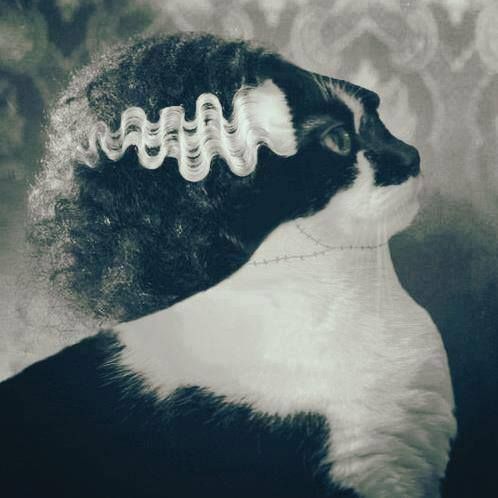
It takes two mad scientists to make a woman look like that.





 Literary Fictions