“Ode to a Nightingale” by John Keats

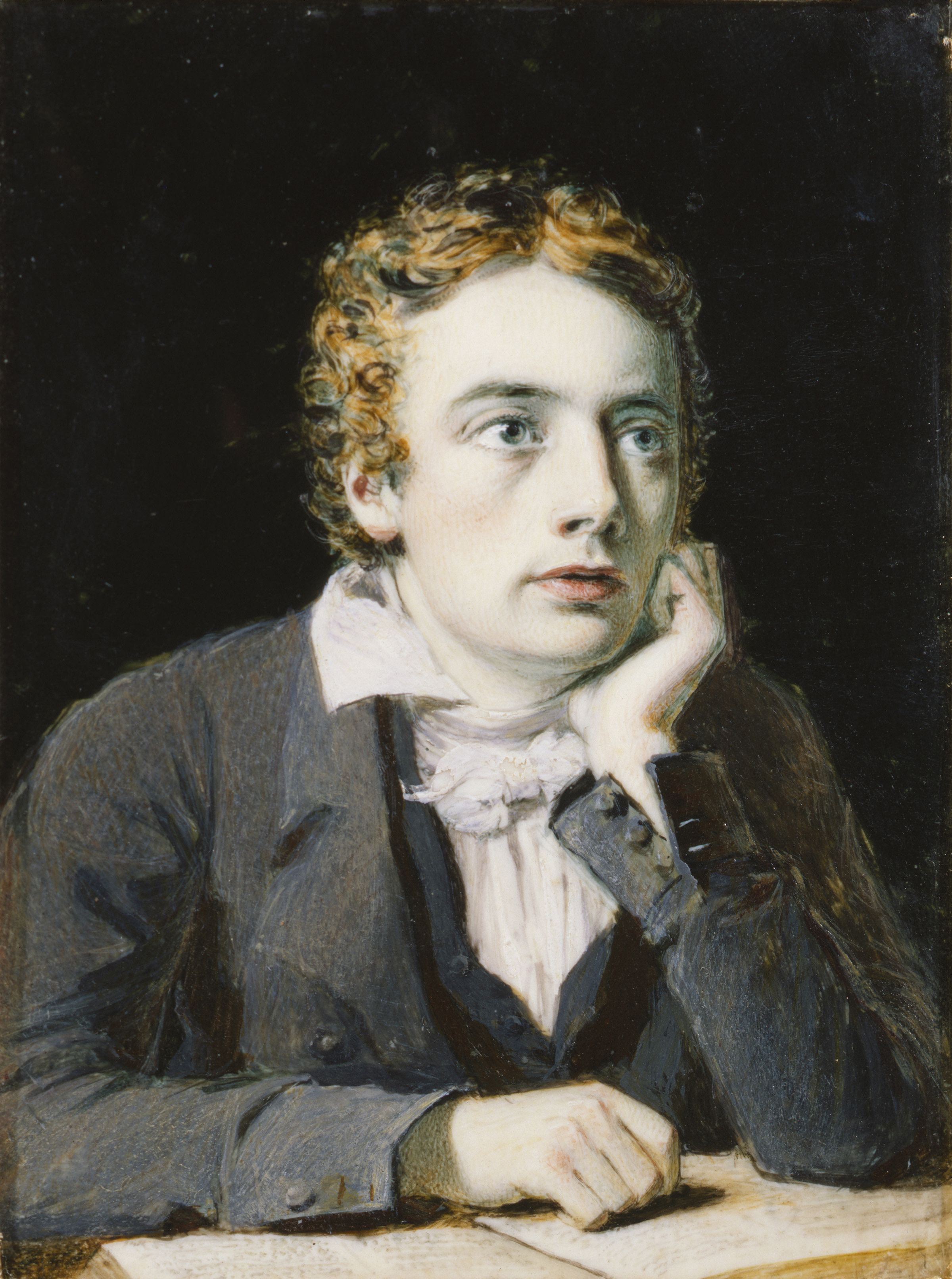
John Keats (1819)

Ode to a Nightingale by John Keats (1795-1921)

My heart aches, and a drowsy numbness pains
My sense, as though of hemlock I had drunk,
Or emptied some dull opiate to the drains
One minute past, and Lethe-wards had sunk:
‘Tis not through envy of thy happy lot,
But being too happy in thine happiness,—
That thou, light-winged Dryad of the trees
In some melodious plot
Of beechen green, and shadows numberless,
Singest of summer in full-throated ease.

O, for a draught of vintage! that hath been
Cool’d a long age in the deep-delved earth,
Tasting of Flora and the country green,
Dance, and Provençal song, and sunburnt mirth!
O for a beaker full of the warm South,
Full of the true, the blushful Hippocrene,
With beaded bubbles winking at the brim,
And purple-stained mouth;
That I might drink, and leave the world unseen,
And with thee fade away into the forest dim:

Fade far away, dissolve, and quite forget
What thou among the leaves hast never known,
The weariness, the fever, and the fret
Here, where men sit and hear each other groan;
Where palsy shakes a few, sad, last gray hairs,
Where youth grows pale, and spectre-thin, and dies;
Where but to think is to be full of sorrow
And leaden-eyed despairs,
Where Beauty cannot keep her lustrous eyes,
Or new Love pine at them beyond to-morrow.

Away! away! for I will fly to thee,
Not charioted by Bacchus and his pards,
But on the viewless wings of Poesy,
Though the dull brain perplexes and retards:
Already with thee! tender is the night,
And haply the Queen-Moon is on her throne,
Cluster’d around by all her starry Fays;
But here there is no light,
Save what from heaven is with the breezes blown
Through verdurous glooms and winding mossy ways.

I cannot see what flowers are at my feet,
Nor what soft incense hangs upon the boughs,
But, in embalmed darkness, guess each sweet
Wherewith the seasonable month endows
The grass, the thicket, and the fruit-tree wild;
White hawthorn, and the pastoral eglantine;
Fast fading violets cover’d up in leaves;
And mid-May’s eldest child,
The coming musk-rose, full of dewy wine,
The murmurous haunt of flies on summer eves.

Darkling I listen; and, for many a time
I have been half in love with easeful Death,
Call’d him soft names in many a mused rhyme,
To take into the air my quiet breath;
Now more than ever seems it rich to die,
To cease upon the midnight with no pain,
While thou art pouring forth thy soul abroad
In such an ecstasy!
Still wouldst thou sing, and I have ears in vain—
To thy high requiem become a sod.

Thou wast not born for death, immortal Bird!
No hungry generations tread thee down;
The voice I hear this passing night was heard
In ancient days by emperor and clown:
Perhaps the self-same song that found a path
Through the sad heart of Ruth, when, sick for home,
She stood in tears amid the alien corn;
The same that oft-times hath
Charm’d magic casements, opening on the foam
Of perilous seas, in faery lands forlorn.

Forlorn! the very word is like a bell
To toll me back from thee to my sole self!
Adieu! the fancy cannot cheat so well
As she is fam’d to do, deceiving elf.
Adieu! adieu! thy plaintive anthem fades
Past the near meadows, over the still stream,
Up the hill-side; and now ’tis buried deep
In the next valley-glades:
Was it a vision, or a waking dream?
Fled is that music:—Do I wake or sleep?


The Pat Hobby Stories ~ A Capsule Book Review

The Pat Hobby Stories

The Pat Hobby Stories ~ A Capsule Book Review by Allen Kopp

F. Scott Fitzgerald was, among other things, a writer of magazine stories. He wrote the seventeen Pat Hobby stories in this collection for Esquire magazine. The stories were published for seventeen consecutive months between January 1940 and May 1941, the last five appearing after Fitzgerald’s premature death at the age of 44 in December 1940. And it wasn’t for love of writing that he wrote them or for “art.” He wrote them for the money they brought in.

As the thirties come to a close, Pat Hobby is a studio hack, a screenwriter who reached his peak in the Silent Era and has been on a downward slide ever since. He drinks to excess and has three ex-wives. Where once he was a high-flyer pulling down three thousand big ones a week, now he is lucky to get two or three weeks at two hundred and fifty a week doing rewrites. Whatever writing talent he ever had is gone. He still dishes out a line of malarkey, though, and can bluff his way through almost any situation. Give him somebody he wants to impress and he impresses them; that is, if they don’t already know what he’s like.

Fitzgerald was drawing on his own experiences in Hollywood when he wrote the character of Pat Hobby. Fitzgerald himself, of course, drank to excess, had plenty of marital problems with his wife Zelda, and worked on the scripts (without garnering screen credits) for several movies of the era, including Marie Antoinette, The Women, and A Yank at Oxford. He co-wrote the screenplay for the 1938 Robert Taylor movie Three Comrades, based on a novel by Erich Maria Remarque. After writing his novels The Great Gatsby, This Side of Paradise, and Tender is the Night, he was definitely beneath himself in Hollywood.

Fitzgerald himself wanted the seventeen Pat Hobby stories to be collected in one volume. If they don’t exactly make a novel, they do make a cohesive whole, and if they lack literary merit, they at least provide a glimpse into the mind of one of America’s most celebrated writers at the end of his life.

Copyright © 2015 by Allen Kopp

Insidious: Chapter 3 ~ A Capsule Movie Review

Insidious

Insidious: Chapter 3 ~ A Capsule Movie Review by Allen Kopp 

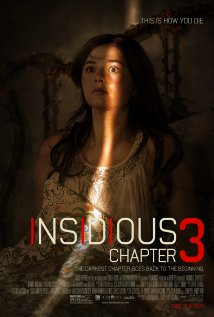
Insidious: Chapter 3 is another venture into “the further,” the dark place where malevolent spirits dwell. You may visit “the further” if you know how and if you have a good reason, but chances are a malevolent spirit will attach itself to you and will be with you when you come back. Insidious: Chapter 3 is a different story with mostly a different set of characters than the ones in Insidious and Insidious: Chapter 2. The characters who repeat themselves in all three movies are Elise Rainier (played by Lyn Shaye), the psychic, and Specs (Leigh Whannell, who wrote all three Insidious movies and directed this one) and Tucker, the ghost hunters who record (or try to) all the paranormal activity going on and provide comic relief whenever it’s needed.

When Insidious: Chapter 3 begins, Elise Rainier is a disillusioned psychic. She has given up using her “gift” because a malevolent spirit has threatened to kill her if she helps any more living people rid themselves of the dead. When a high school girl named Quinn Brenner visits her, though, she decides to give Quinn a little reading because she seems like a nice girl. Quinn wants to reach her mother in the spirit world. When Elise tries to reach Quinn’s mother, she reaches instead a malevolent spirit. “When you contact one of the dead,” she tells Quinn, “you contact them all.” She warns Quinn against trying to contact her mother on her own; Quinn confesses she has already tried it but without success.

Quinn lives in an a vintage (old) apartment building with her father and younger brother in an unnamed location. A man who committed suicide in the building a long time ago is now a malevolent spirit and is living in the air vent that leads into Quinn’s room. It seems that Quinn drew his attention in her efforts to contact her deceased mother. The malevolent spirits are tired of their dark world and desire more than anything a living person to attach themselves to. The man who committed suicide in the building desires Quinn.

Quinn is hit by a car on the street and nearly dies. When she is recuperating at home with both her legs broken, the ghostly occurrences only increase. Knowing how much Quinn is in trouble, Elise decides to end her enforced retirement and help her. She will go into “the further” and make the malevolent spirit leave Quinn alone any way she can. She is putting her own life and reputation on the line.

I like horror movies as long as they’re believable (make you want to suspend disbelief) and are not about attractive vampires and are not slasher movies with jiggling teenagers. Insidious: Chapter 3 is a solid entry in the horror genre and a worthy successor of Insidious and Insidious: Chapter 2. It’s well-made and intelligent with a lot of the creepy tension that distinguished the first two movies. It ends in such a way that there is probably going to be an Insidious: Chapter 4 if this one generates enough revenue at the box office. Even if there isn’t a chapter 4, though, the first three movies make a memorable trilogy to watch at Halloween or any other time.

Copyright © 2015 by Allen Kopp

Martha Beck and Ray Fernandez

Tony and Shirley

Martha Beck and Ray Fernandez ~ A Commentary on The Honeymoon Killers by Allen Kopp 

True story. Grumpy, overweight nurse Martha Beck meets suave gigolo Ray Fernandez through a lonely hearts club. Martha isn’t pretty but she has other qualities that are perhaps more important to Ray: she has a black heart and she’s smarter than the others. She dumps her elderly mother in a rest home, quits her nursing job, and she and Ray embark on a criminal enterprise of cheating silly, vulnerable women out of their money and jewelry and killing them if necessary. All these women have one thing in common: they are lonely and they can’t believe their good fortune that Ray has come into their lives. He’s young, dark and handsome, with an accent that is most appealing.

First there’s the mannish schoolteacher. When she and Ray are married, Martha goes along for the ride as his “sister.” A man having his sister along when he gets married doesn’t seem to arouse the suspicions of the schoolteacher. When Ray doesn’t sleep with her on their wedding night, however, she begins to suspect that something isn’t quite as it should be. The next morning she is chagrined to discover that the two thousand dollars she brought along with her is missing, along with some rings. When she demands the return of these things, Martha coolly offers her a cup of coffee. The schoolteacher wisely packs her things and leaves, wearing a silly-looking hat, but not before threatening Ray and Martha with legal action. They know—and we know—that she is only bluffing and they won’t be bothered with her again. Fairly easy.

Next is the silly (note that “silly” is the operative word here), cleavage-showing, middle-aged woman with the Southern accent. She says she is going to have a baby, apparently not knowing or caring who the father is, and she wants to marry Ray so her family won’t know what a whore she is. When she becomes obstreperous, Martha (again along as Ray’s “sister”) starts to give her pills to calm her down. Whatever the pills are, they must be really strong because soon the woman is dead.

When next we meet Martha and Ray, they are with a horse-faced blonde he met through the lonely hearts club. They are at a river or lake somewhere, preparing to go in swimming. Ray looks better in his swim briefs than he has any right to. Martha looks like a baby hippo in her ruffled bathing suit. Ray and the horse-faced blonde are lying on a blanket at the river’s edge. When Martha observes from a distance that Ray and the horse-faced blonde are close together in a private tête-à-tête on the blanket, she panics. To draw Ray’s attention, she goes farther out into the water than she should, being such a heavy girl, and begins to struggle. Rays sees what’s happening and, leaving the horse-faced blonde behind, plunges into the water to save Martha. The horse-faced blonde, who is maybe a little smarter than Ray has given her credit for, stands on the river bank and observes Ray “rescuing” Martha in the lake. As Ray holds fat Martha in his arms and kisses her, upset at the thought that he might have lost her, the horse-faced blonde sees that they are acting anything but brotherly and sisterly toward each other, connects a few dots and wisely departs.

Then there’s the silly old widow who lies and tells Ray she’s fifty-six when really she is older. He tells her his name is Charles Martin. “Isn’t that cute?” she coos. Ray (or Charles, as she believes) tells her he is forty-five and puts some gray highlights in his dark hair to prove it. Again the old widow doesn’t question the presence of Martha as the sister of her husband-to-be. On the night before they are to be married the next day, Ray entices the old widow to sign over all her assets to his name. “I’m going by the bank early in the morning,” he says. “It will make things easier if we take care of the business tonight.” Suspecting nothing, the old widow does as Ray says. After they retire for the night, though, she begins to worry and can’t sleep. Martha tells her to relax, that everything will be taken care of in the morning, but the old widow isn’t buying it. She gets out of bed and starts making a fuss. She can tell from the way that Ray and Martha are acting that she is in danger. When she says she wants to go out for a walk, even though it’s the middle of the night and she’s in her nightdress, Ray gives Martha a hammer and Martha knows what she is to do with it. She hits the old widow in the back of the head. She screams and goes down but is by no means mortally wounded. “Hit her again!” Ray screams. After they have killed the old widow, Ray is sweating. He sheds the pajamas he’s wearing and begins drinking from a whiskey bottle. Martha goes into the bedroom and gets into bed. We see Ray from behind as he goes into the bedroom where Martha is. He is naked and carrying the bottle. “Are you going to turn the light off?” Martha asks. “Leave it on,” Ray says. “I want to make love.” Sex and death here walk hand in hand.

We see by now that Martha is in love with Ray in her own twisted way. Ray has no interest in his female victims other than what he can get out of them—“I despise those women,” he says—and Martha will make sure it stays that way. She becomes jealous and possessive in the way of women in love. When Ray hooks up through the lonely hearts club with a young widow with an eight-year-old daughter, though, Martha begins to suspect that there is more between them than she finds acceptable. In the interim before the marriage, the young widow confides to Martha as her future sister-in-law that she is carrying Ray’s child. She and Ray just couldn’t keep from “sleeping together” when they were alone in the house. Martha tries to get her to miscarry the baby and when that doesn’t work she shoots her in the head and kills her. When the eight-year-old daughter comes home from school and asks where her mother is, Martha takes her into the basement and kills her, too. Ray then believes that everything will be all right and they can just move on to the next victim, but Martha can’t go on, knowing that Ray has “slept” with—and impregnated—another woman. She calls the police and turns herself and Ray in. They go to jail, of course, and are executed for their crimes. So ends their story.

How much longer could they have gone on if Martha hadn’t learned that Ray was “cheating” on her? She can rob people of their money and kill them when she believes she must, but she absolutely draws the line at infidelity.

Think what Ray and Martha could have done if they had had the Internet. All to the accompaniment of Gustav Mahler.

Copyright © 2015 by Allen Kopp

By Fernando Botero

~ By Fernando Botero ~

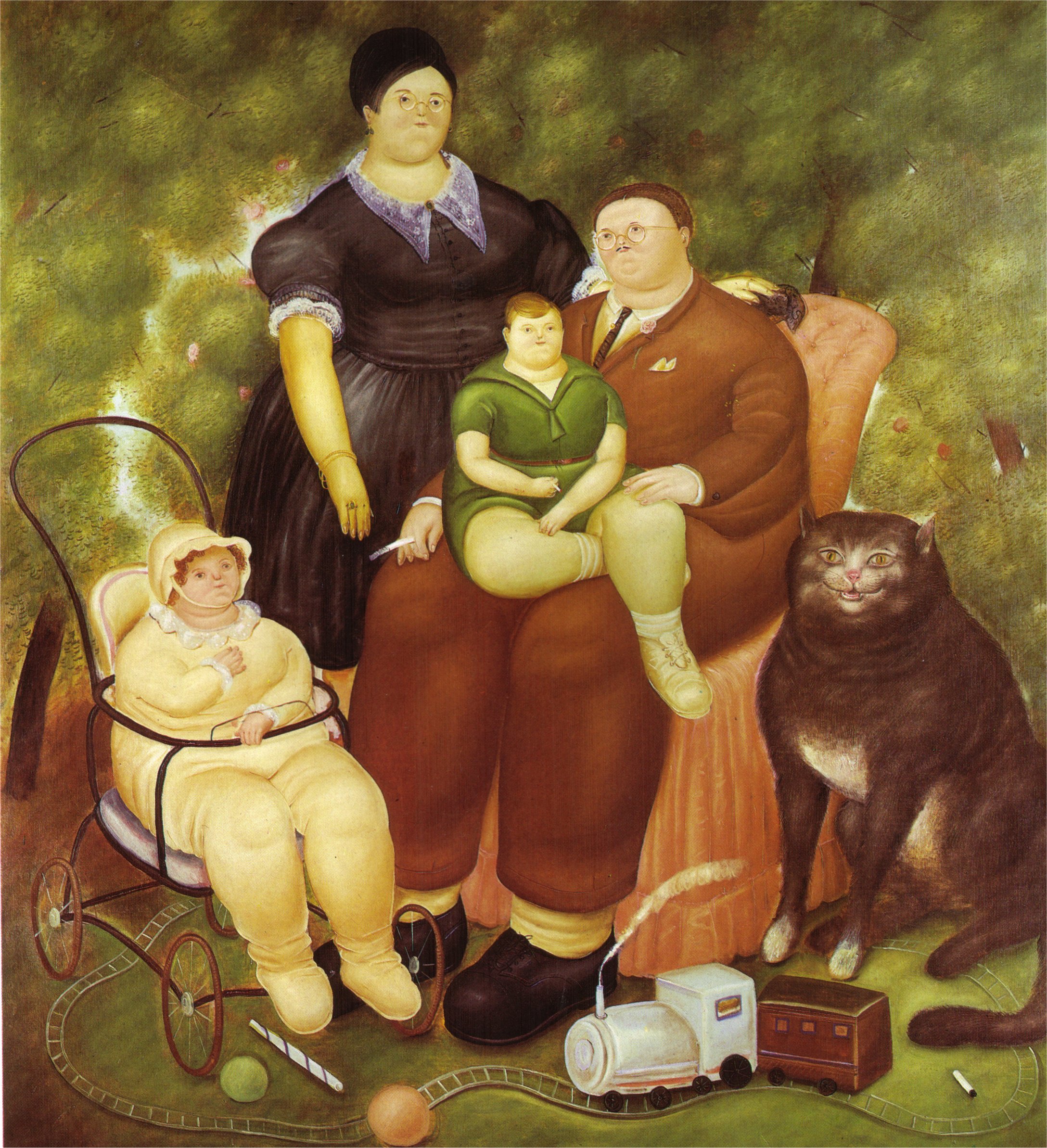
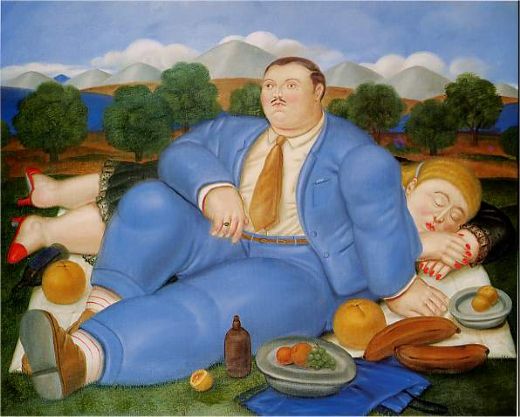
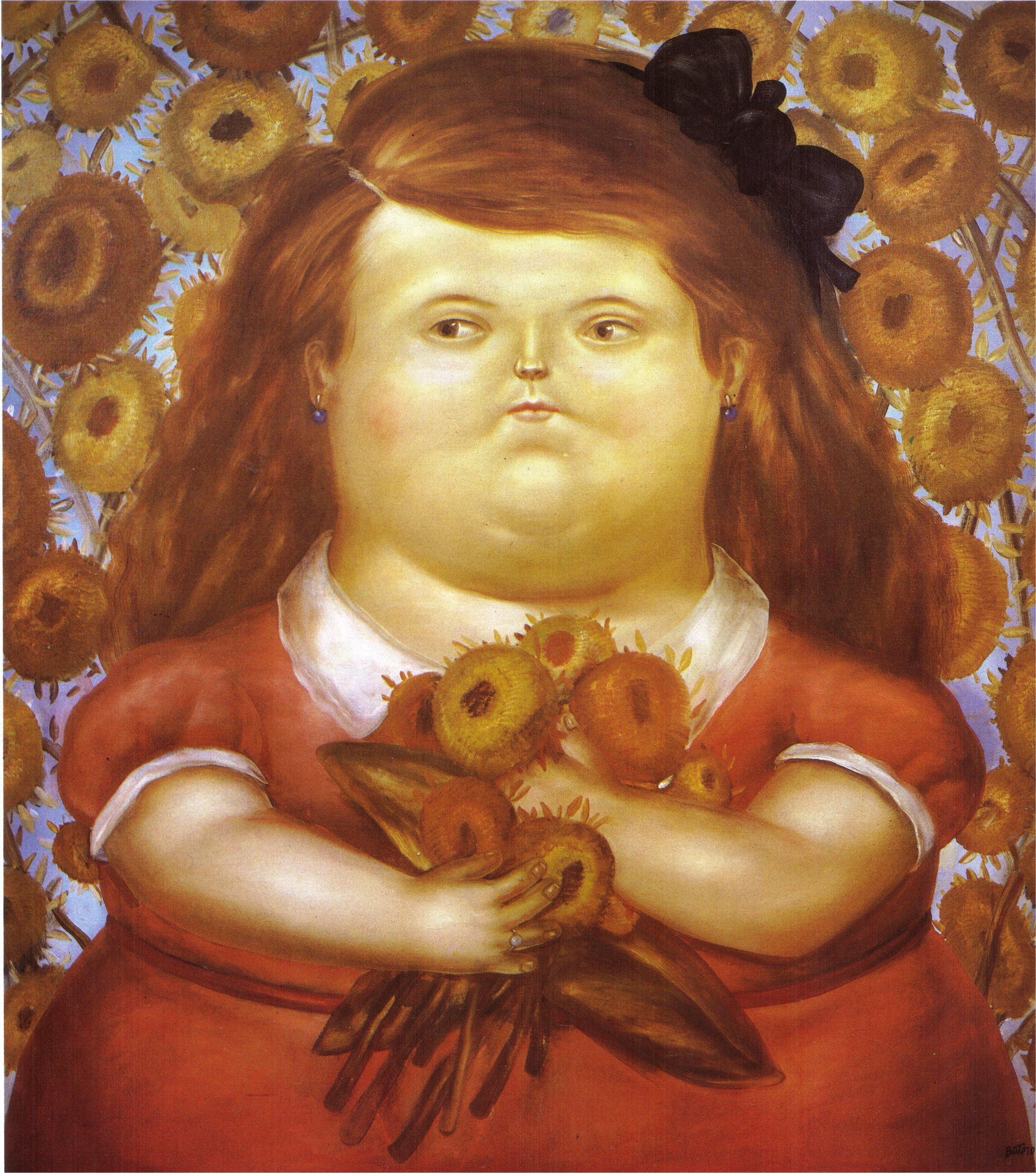
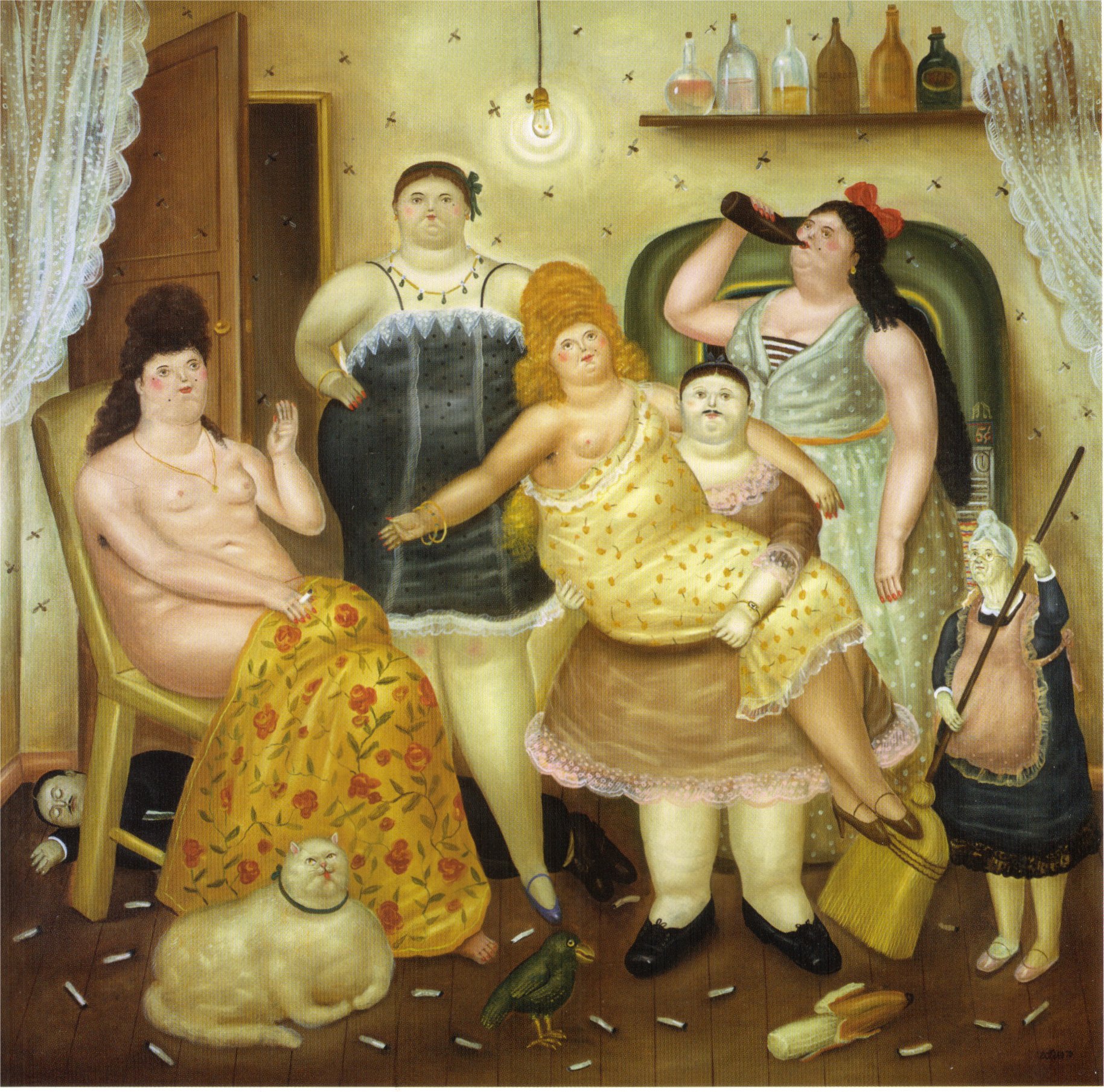
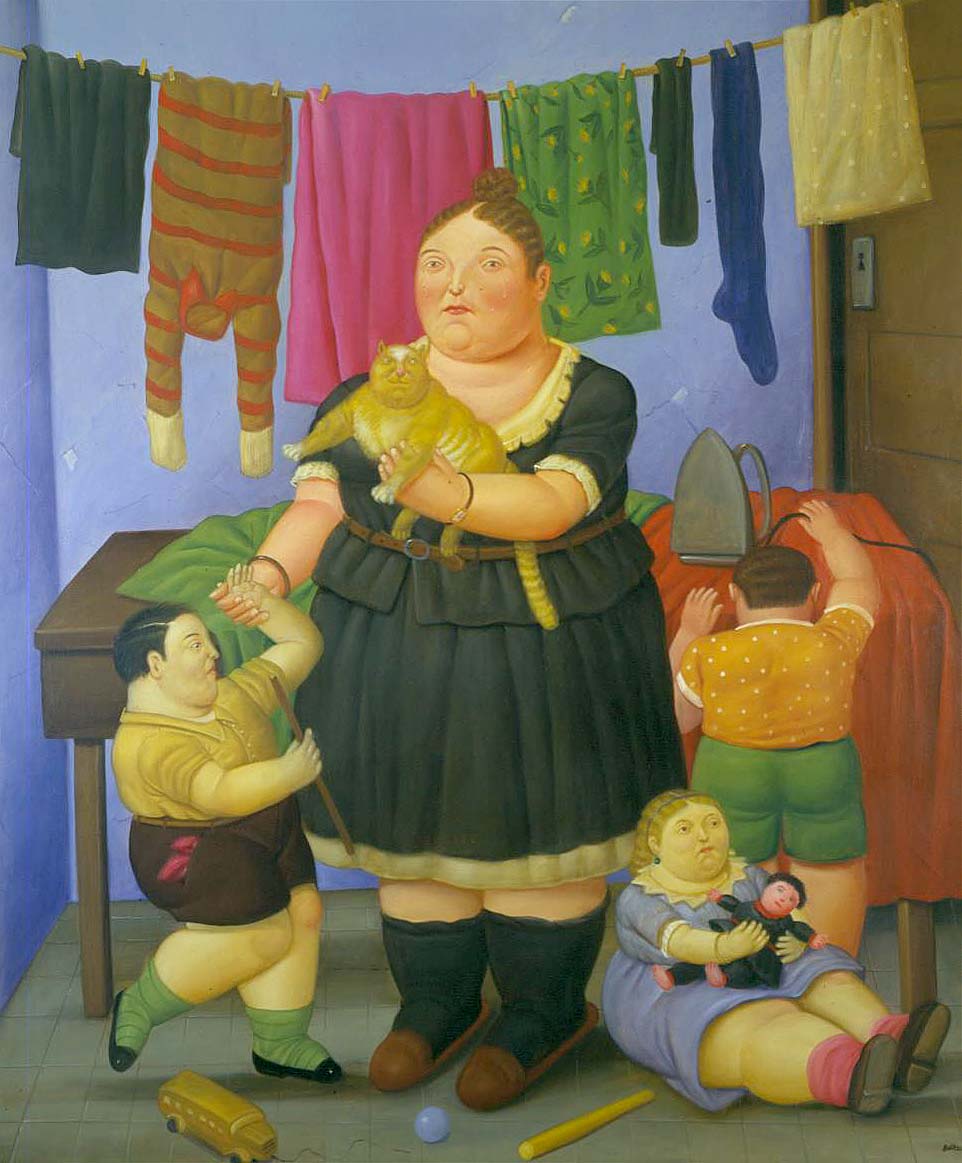
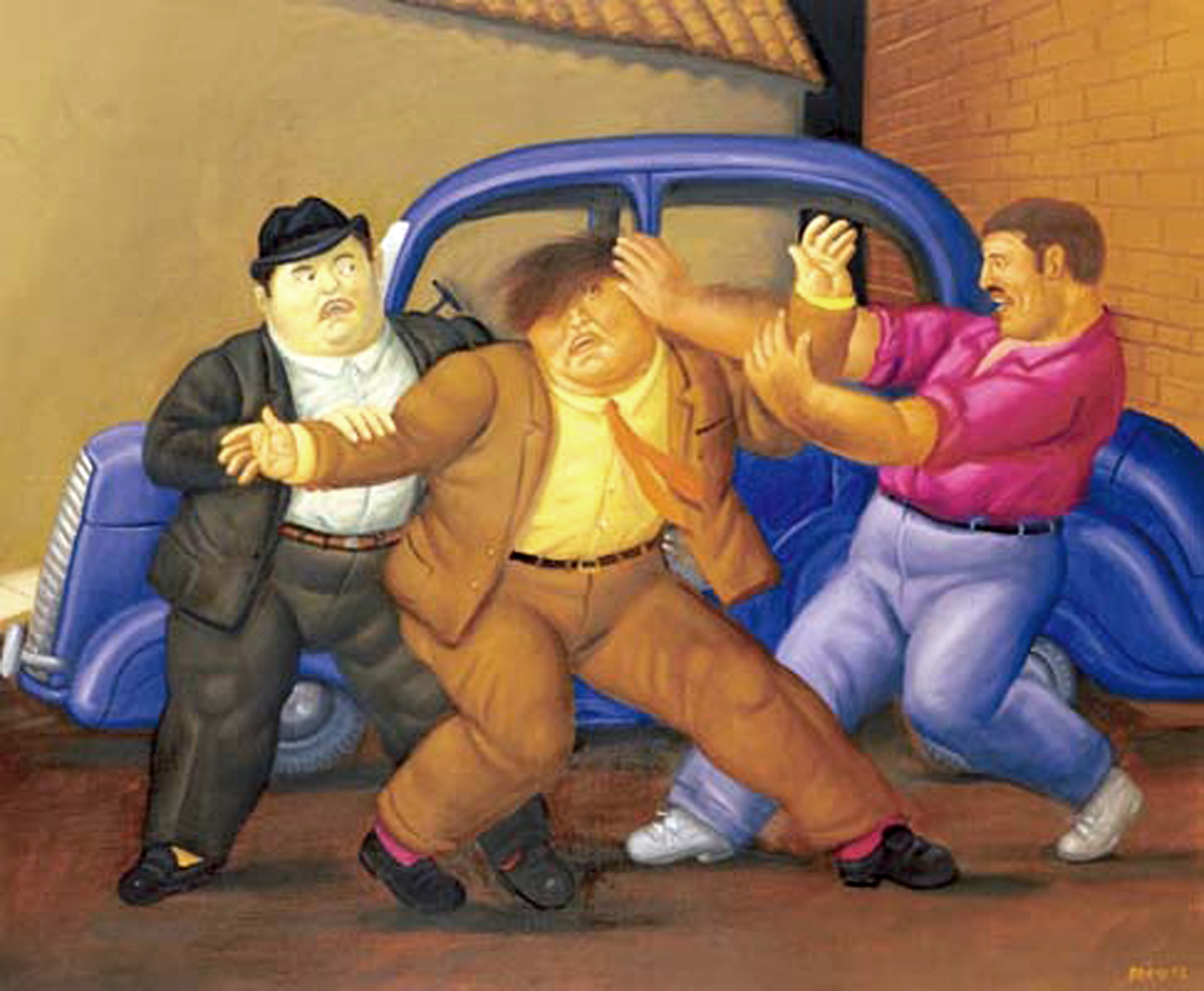
Using humor and bold colors, Colombian artist Fernando Botero (b. 1932) paints in a fantastical style, rather than a realistic one. 

Family Scene
Family Scene
The Nap
The Nap
Woman With Flowers
Woman With Flowers
House Mariduque
House Mariduque
Domestic Scene
Domestic Scene
Bather on the Beach
Bather on the Beach
Secuestro Express
Secuestro Express
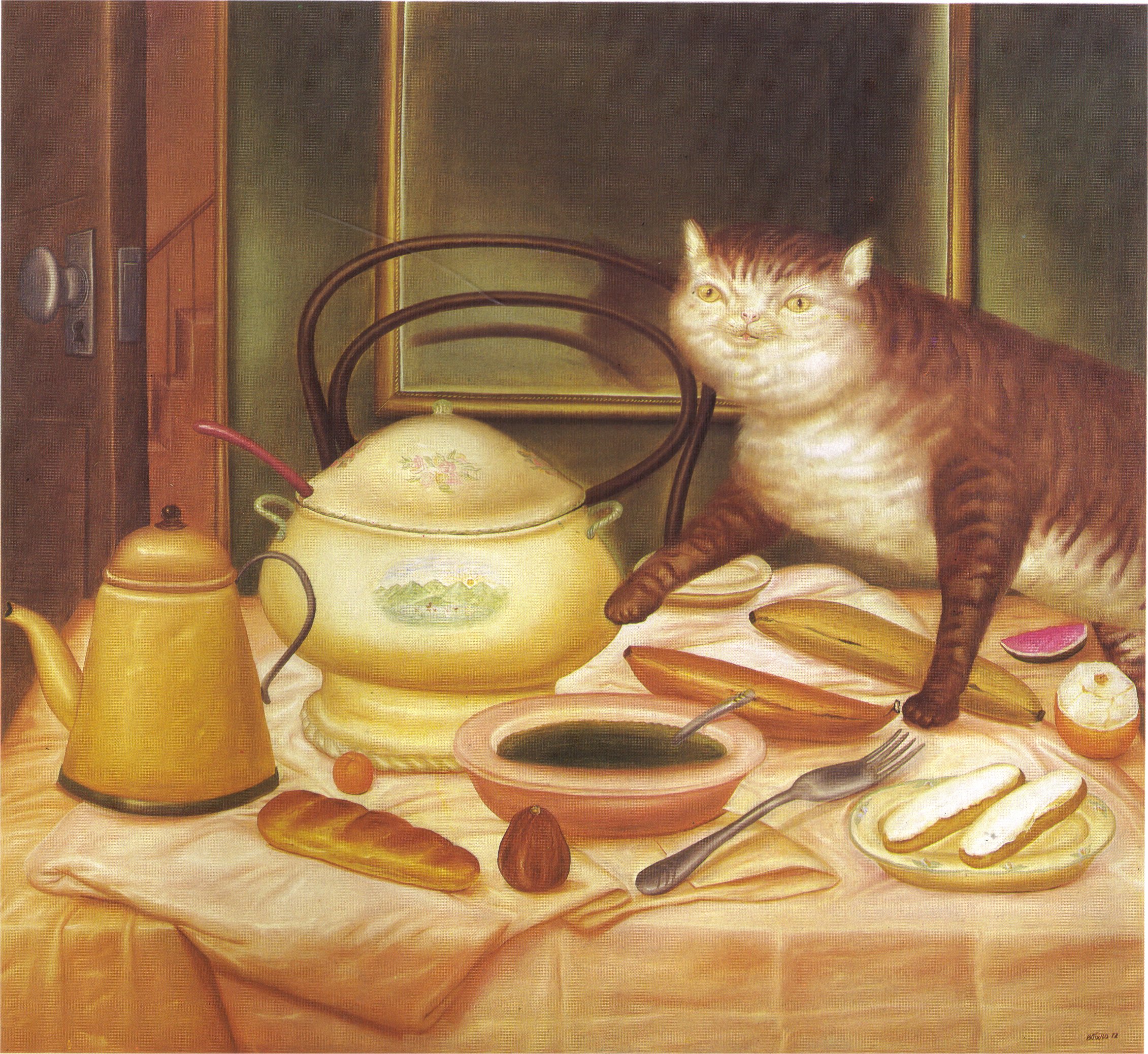
Still Life With Green Soup
Man and Woman
Man and Woman
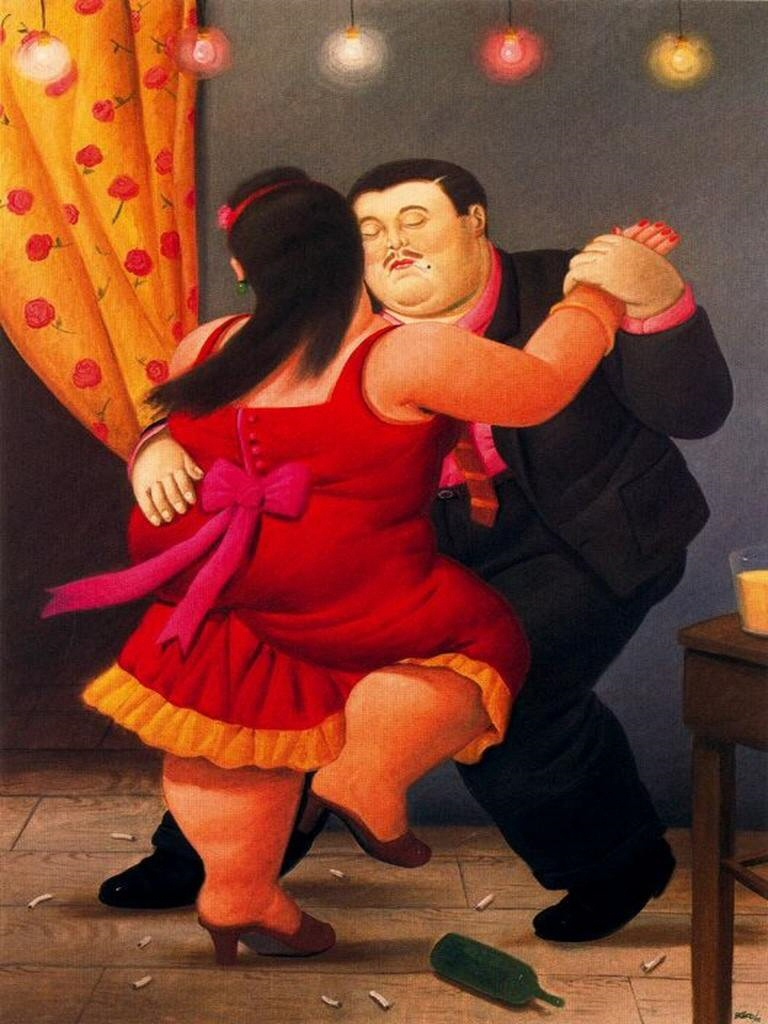
Dancers
Dancers


“I Am” by John Clare

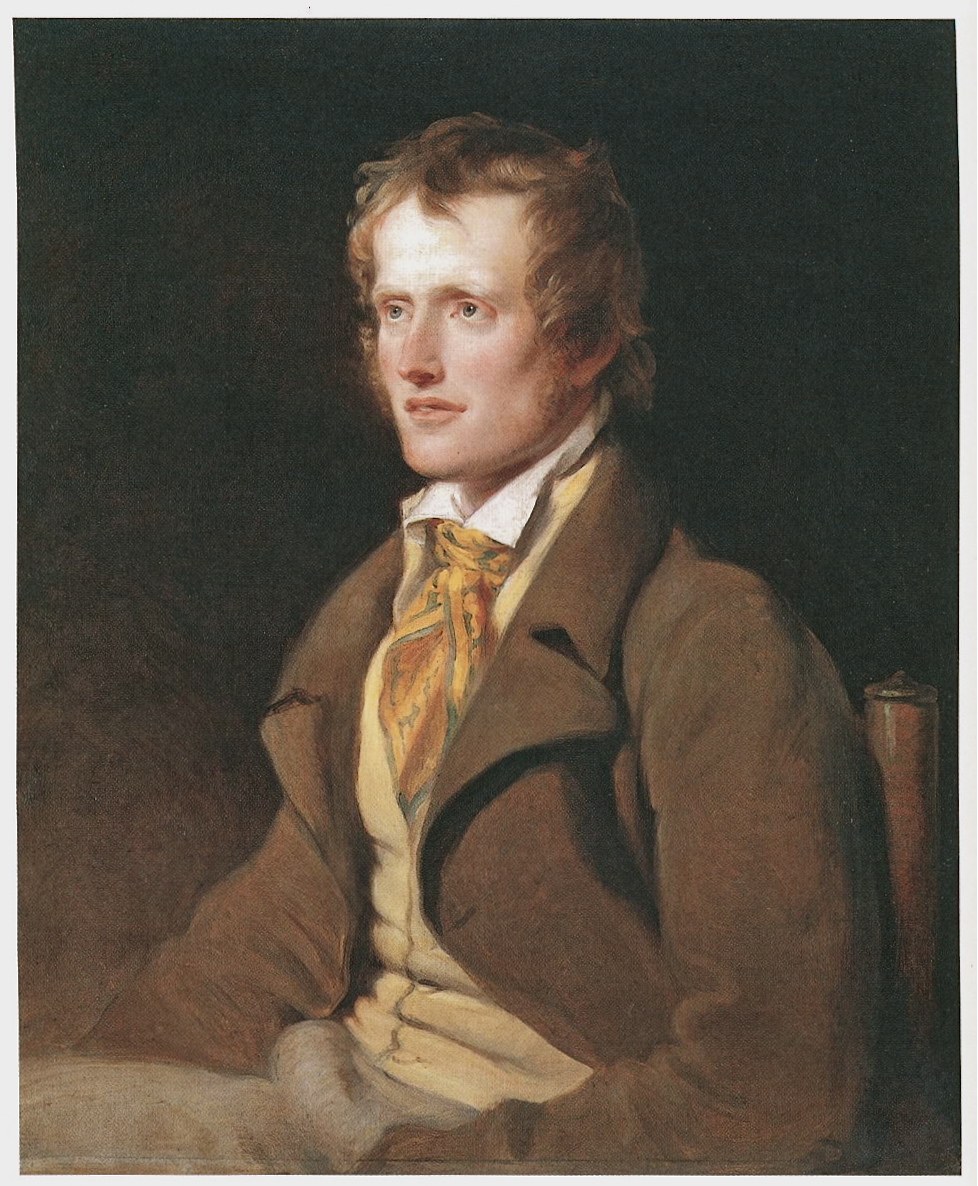
John Clare, English poet

I Am ~ A Classic English Poem by John Clare (1793-1864)

(This poem is featured in episode 5, season 2 of the Showtime series Penny Dreadful.)

I am—yet what I am none cares or knows;
My friends forsake me like a memory lost:
I am the self-consumer of my woes—
They rise and vanish in oblivious host,
Like shadows in love’s frenzied stifled throes
And yet I am, and live—like vapours tossed

Into the nothingness of scorn and noise,
Into the living sea of waking dreams,
Where there is neither sense of life or joys,
But the vast shipwreck of my life’s esteems;
Even the dearest that I loved the best
Are strange—nay, rather, stranger than the rest.

I long for scenes where man hath never trod
A place where woman never smiled or wept
There to abide with my Creator, God,
And sleep as I in childhood sweetly slept,
Untroubling and untroubled where I lie
The grass below—above the vaulted sky.

I Don’t Want to Miss Any of This

I Don't Want to Miss Any of This image 2

I Don’t Want to Miss Any of This ~ A Short Story by Allen Kopp

Alva Fritchie, age ten, tap danced in his tennis shoes on the bare wood floor between the kitchen and dining room. He didn’t seem to be able to stand still anymore but always wanted to be dancing. When his mother called told him to come to supper, he danced his way to the kitchen table, where his mother, father and sister were already seated.

“I’m going to get taps put on my shoes,” Alva said as he sat down.

“I don’t think so,” mother said. “They make marks on the floors.”

“Does it matter?”

“It matters if you have to get down on your hands and knees and try to get rid of them.”

“Dancing is for sissies,” father said. “What do you want to dance for?”

“He’s not really dancing,” Cecelia, his sister, said. “He’s only imitating what he’s seen on TV.”

Cecelia was sixteen. She had washed and pinned up her hair after school and had a scarf on her head, peasant style. She also had an outbreak of acne on her chin.

“I can so dance, pimple face,” he said. “I’m good at it. I can give you a demonstration any time you want.”

“That would be never,” Cecelia said.

“I like to dance. It makes me feel young.”

“You are young,” mother said.

“Anybody can stand and move their feet,” father said. “That doesn’t make it dancing.”

“He’s such an idiot,” Cecelia said.

“Don’t call your brother that,” mother said. “We should be glad he isn’t an idiot. I’ve seen idiots and they’re no laughing matter.”

“Isn’t Bobo Mitchell an idiot?” his father said.

“I think he might be a moron. Or maybe an imbecile. A long time ago I knew the difference but I guess I forgot.”

“I guess you forgot,” father said mockingly. “I’ve forgotten more than you’ll ever know.”

“That’s stupid,” Cecelia said.

“Don’t be disrespectful to your father.”

“He’s disrespectful to me. You hear all the time about kids being disrespectful to their parents. What about parents being disrespectful to their kids?”

“I guess that doesn’t matter so much,” mother said.

“Life’s a bitch,” Alva said.

“We don’t use that kind of language at the supper table,” mother said. “It’s a vulgar, ugly word.”

“Kids at school say it all the time.”

His mother shook her head. “And that’s today’s ten-year-olds,” she said. “I never heard that kind of language until I was married to your father.”

“That’s a kindergarten word compared to the things I hear,” Cecelia said.

“What do you hear?” Alva asked.

“Never mind,” mother said. “Eat your stew.”

“I don’t like it. I want a hamburger.”

“Well, then, why don’t you just hop in your car and run downtown and get yourself one while the rest of us sit here and eat this stew?”

“I don’t have a car,” Alva said. “If I did, I’d get in it and drive a long way from here.”

“Where do you think you’d go?” Cecelia asked.

“I’d go to Hollywood, California and get a job dancing in the movies.”

“Hah!” Cecelia said. “Who’d pay money to see you? You’re a freak!”

“What is this obsession with dancing?” father asked.

“I don’t know,” mother said. “It’s something he saw on TV. Tomorrow it might be something different.”

“All I want to do is dance, dance, dance!” Alva said.

“If you only knew how stupid you look,” Cecelia said.

“Shut up!”

You shut up!”

“Both of you shut up and finish your dinner,” father said.

Alva took a couple bites of the tepid stew and said, “Birdie Leonard went to the bathroom in her pants today at school.”

“Oh, my!” mother said. “Why didn’t she ask to be excused to visit the restroom?”

“I guess she didn’t know she had to go until it started coming out on its own.”

“I’m not sure that’s a fit subject for conversation at the dinner table.”

“What was funny, though, was she started blubbering. Miss Gottschalk slapped her across the mouth.”

“She did not!” Cecelia said. “Teachers aren’t allowed to do that anymore. They can get into a lot of trouble.”

“Well, she wanted to slap her. I could tell she was thinking about it.”

“So, you know what people are thinking now?”

“Sometimes I do.”

“You’re a liar.”

“So they had to call Birdie’s mother to come and get her and take her home. When Birdie got home, she washed off and put on some clean underpants.”

“How do you know what she did when she got home?” Cecelia asked.

“Well, isn’t that what you’d do if you went to the bathroom in your pants at school?”

“Whatever I did, it wouldn’t be any of your business.”

“That’s enough of that kind of talk at the table,” mother said.

“Why don’t you go study up for your driving test so you can fail it again?” Alva said.

“Mother, make him shut up!” Cecelia said.

“You both shut up!” father said. “You’re making my headache worse.”

“He’s such a little weasel.”

“At least I didn’t fail the driving test six times.”

“It was not six times!”

“How many was it then?”

“None of your business! That’s how many it was!”

“You’re a sloppy pig. You’ve got pimples all over your face. You look like a whore!”

“Why don’t you go dance yourself over a cliff and make us all very happy?”

“Don’t you ever let me hear you call your sister a whore again,” mother said. “Do you understand me?”

“I didn’t call her a whore,” Alva said. “I said she looked like a whore.”

“I don’t even want to hear that word.”

“It’s a good word,” father said.

“Don’t encourage him!” mother said.

“I saw her getting into a black car with a man down at the corner,” Alva said.

“Shut up, you little liar! You did not!”

“She was standing there all by herself. She didn’t know I was watching. A man drove up in a black car and stopped. When he got out and walked over to where she was standing, she became all girly and giggly. She flapped her arms and rolled her eyes and waggled her hips.”

“I did not!”

“They talked for a minute and then they both got into the black car and he peeled out.”

“He did not!”

Mother took a deep breath. “What are you saying?” she asked.

“I saw it all and I wished I had had a camera so she wouldn’t be able to lie her way out of it.”

Mother turned and looked closely at Cecelia. “Anything to this?” she asked.

“Oh, he’s got it all wrong. It wasn’t anything like he said.”

“So you did get into a black car with a man you didn’t know?”

“Who said I didn’t know him?”

Hah-hah-hah!” Alva laughed.

“You little snake!” Cecelia said. “I’m going to slit your throat the first chance I get!”

“You’d better explain yourself while your head is still attached to your shoulders,” father said.

“It was Alice Terry’s brother. He’s home on leave from the navy.”

“How old is he?”

“I don’t know. About twenty-two, I guess.”

“What were you doing with him?”

“He was just giving Alice and me a ride to the library.”

“Alice wasn’t there!” Alva said.

“Oh, yes, she was, you little turd! She was in the back seat.”

“I didn’t see her.”

“That’s because her brother has tinted windows on his car.”

“I’m not liking the sound of this,” father said.

“It was all perfectly innocent, believe me.”

“Why should anybody believe a big liar like you?” Alva said.

“That’s enough, Alva!” mother said. “If you’re finished eating, you may go to your room.”

“I want some dessert and, besides, I don’t want to miss any of this.”

“Give me Alice Terry’s telephone number,” mother said. “I’m going to call her and see if she confirms what you’re telling me.”

“She isn’t home.”

“Where is she?”

“She’s going to be in a play at school. They’re having rehearsal tonight.”

“I will be talking to Alice Terry and her mother,” mother said, “even if I have to wait until midnight to do it.”

Cecelia threw down her fork. “Why are you all picking on me?” she said. “I haven’t done anything!”

She began bawling in much the same way that Birdie Leonard had done when she went to the bathroom in her pants at school. Her eyes bulged tragically and bits of food came out her thin-lipped mouth and dripped off her chin. She reminded Alva at that moment of a frog, but he kept it to himself. He would have a new name to taunt her with later, though.

Cecelia ran out of the room with mother right behind her. “Women!” father said to himself. He threw his napkin down disgustedly and went out the back door.

Alva was left alone at the table. He stood up and danced his way to the refrigerator, where he opened the freezer and helped himself to a generous bowlful of chocolate ice cream.

While he sat at the table and ate it, he heard the drama going on upstairs: Cecelia’s wailing, slamming doors and hurried footsteps. Mother would be trying to console Cecelia, as she always did, but Cecelia, at this moment, would be inconsolable.

When he was finished, he left the bowl on the table, pushed the chair in and danced in the big space between the table and the sink. The floor was tile and good for dancing. He was working on some new steps that he made up himself. He would dance the night away if only he could.

Copyright © 2015 by Allen Kopp

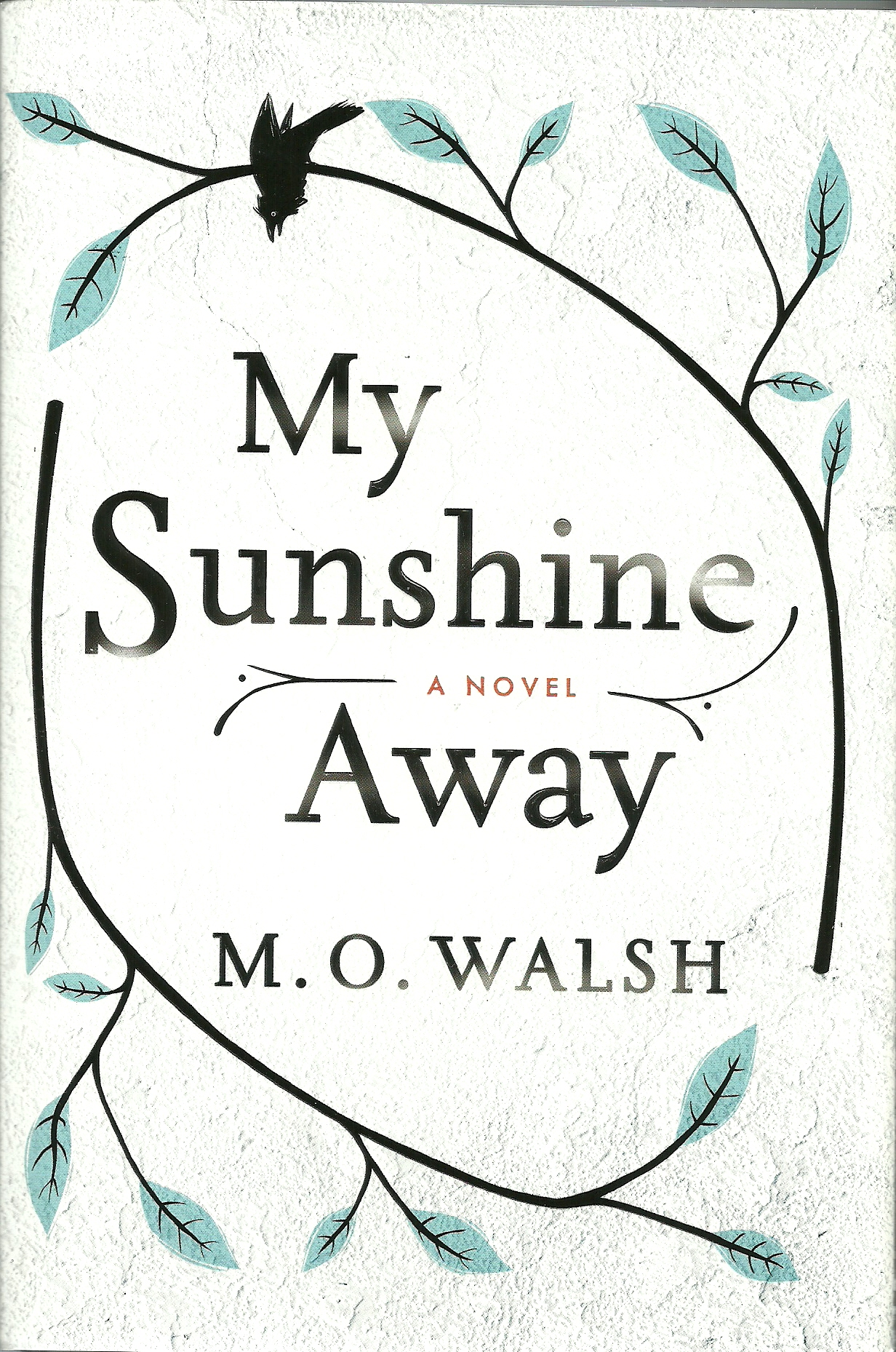
My Sunshine Away ~ A Capsule Book Review

My Sunshine Away

My Sunshine Away ~ A Capsule Book Review by Allen Kopp

My Sunshine Away, by first-time novelist M. O. Walsh, is set in Baton Rouge, Louisiana, in the late 1980s. The unnamed narrator (referred to only by pronouns) lives in a pleasant middle-class housing development with his mother, his philandering father (he has a girlfriend younger than his daughters), and his two older sisters, Hannah (killed in a traffic accident in her twenties) and Rachel. The narrator harbors an unhealthy adolescent obsession for a girl in the neighborhood named Lindy Simpson. He thinks about her day and night. He fantasizes about her. He climbs into a tree in her yard and spies on her with binoculars. He tries to impress her in the way he cuts his hair and the way he dresses. He envisions a future with her. Everything for him is Lindy, Lindy, Lindy. If you think this doesn’t get tiresome after a couple hundred pages, you are mistaken.

On a summer evening when the narrator and Lindy are sixteen, Lindy is raped. It’s an unusual crime for the neighborhood. The narrator is a suspect for a while (he didn’t do it), as is nearly every other male in the neighborhood. The police are not able to find out who did it. Lindy didn’t get a good look at her assailant. The most tragic consequence of the crime is that Lindy changes: from a sweet, pleasant girl into a rebellious, sullen, foul-mouthed idiot. (Know anybody like this?)

Despite Lindy’s change for the worse, however, the narrator’s obsession for her only grows stronger. (She seems increasingly unworthy of his adulation.) He tries to find out who raped Lindy and in a way carries a burden of guilt because he was outside on the dark night of the rape, saw a male figure lurking around, and was too scared to do anything about it. He doesn’t find an answer until many years later when he and Lindy are in their thirties. Will it help Lindy, even at that late stage, to know who raped her? Probably not.

Being set in Baton Rouge doesn’t make My Sunshine Away a “Southern novel.” While there is some “local color” involving heat, swamps, bugs, crepe myrtle trees and hurricanes, it’s a story that could take place anywhere, in New Mexico or New Jersey. If you want to read a real Southern novel, read As I Lay Dying by William Faulkner, The Heart is a Lonely Hunter by Carson McCullers or Wise Blood by Flannery O’Connor.

My Sunshine Away is a beautifully written first-person narrative, highly readable, if a little wordy and repetitive at times. I liked it a lot when I first started reading it and a lot less about two-thirds of the way through. Where the story starts to go south for me is the mutual telephone masturbation scene between the narrator and Lindy. (I think this is what they call “phone sex.” Yuck.) Anyway, the last one-third of the book was a chore for me to get through. The narrator’s obsession with Lindy began to grow thin for me at the point where she turns into such a jerk and such an unlikeable person. His mostly absent father should have taken him aside and told him that Lindy was bad news and that he was wasting his time and emotional energy on her. She will cause you nothing but heartache. Don’t put yourself through that if you don’t have to. Or words to that effect.

The last thirty or forty pages of the book, while compellingly written (as the whole book is), are a little treacly and female-oriented for my taste, as if the writer is going for a female audience here. If you don’t roll your eyes through these pages (rhapsodizing about pregnancy, parenthood and love), you have a much stronger constitution that I do.

Copyright © 2015 by Allen Kopp